Enhance your child's language skills with our expertly designed "Improving Vocabulary Worksheets for Ages 7-8". These engaging worksheets from Kids Academy focus on enriching vocabulary through fun and interactive activities. Each worksheet is tailored to the 7-8 age group, featuring colorful illustrations and exercises that make learning new words enjoyable. Our dynamic approach includes word meanings, spelling, and usage, fostering improved reading comprehension and communication skills. Perfect for both classroom use and at-home practice, these worksheets provide a solid foundation for effective language development. Help your child become a confident communicator with Kids Academy's quality vocabulary resources.

Check out this FREE "Improving vocabulary" Trial Lesson for age 7-8!

Vowel Teams

Favorites
With answer key
Interactive
  • 7-8
  • Improving vocabulary
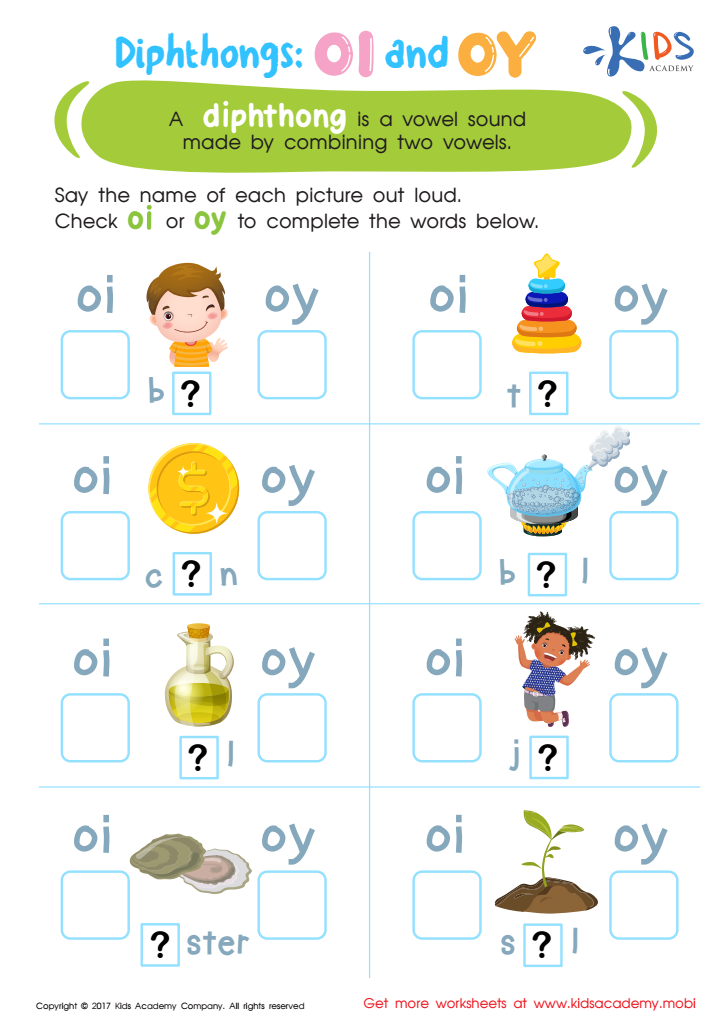
Vowel diphthongs oi oy worksheet

Vowel Diphthongs OI OY Worksheet

It'll help them read and spell accurately. This fun activity is a helpful way to learn tricky spellings of oi and oy diphthongs. It also aids in reading and spelling comprehension.
Vowel Diphthongs OI OY Worksheet
Worksheet
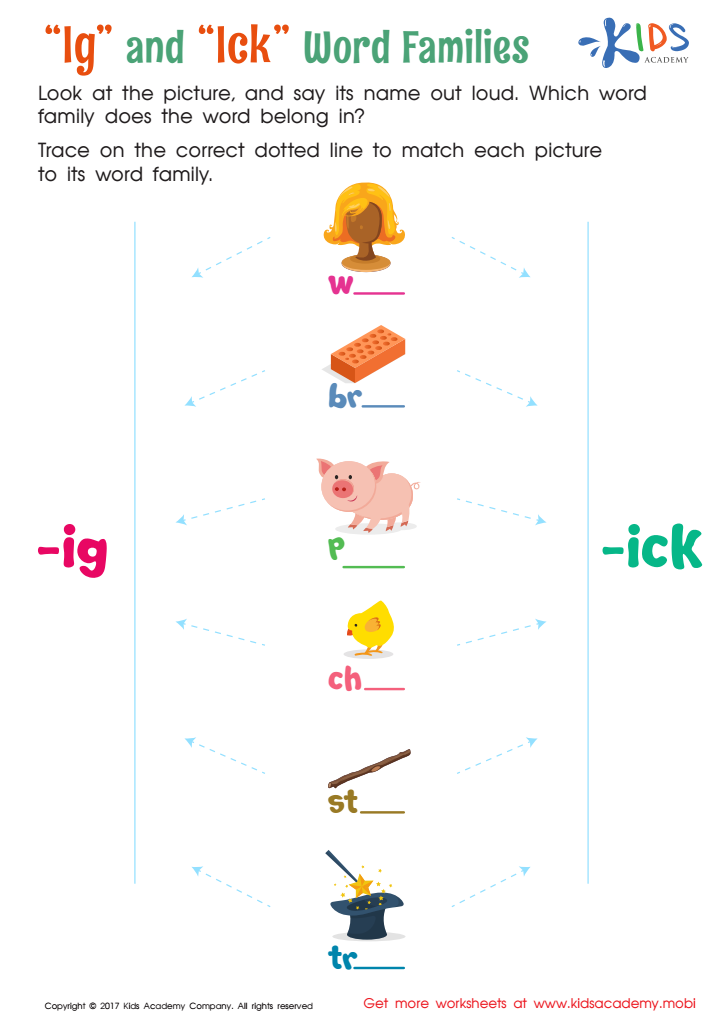
Spelling worksheet: "ig" and "ick" words

Words Families "ig" and "ick" Spelling Worksheet
Combine fun and learning with this illustrated spelling worksheet featuring "ig" and "ick" words! Ask kids to say the word, then determine which word family it belongs to. Pictures make it easier to learn and remember!
Words Families "ig" and "ick" Spelling Worksheet
Worksheet
Tricky Nouns: Irregular Plurals Practice Worksheet
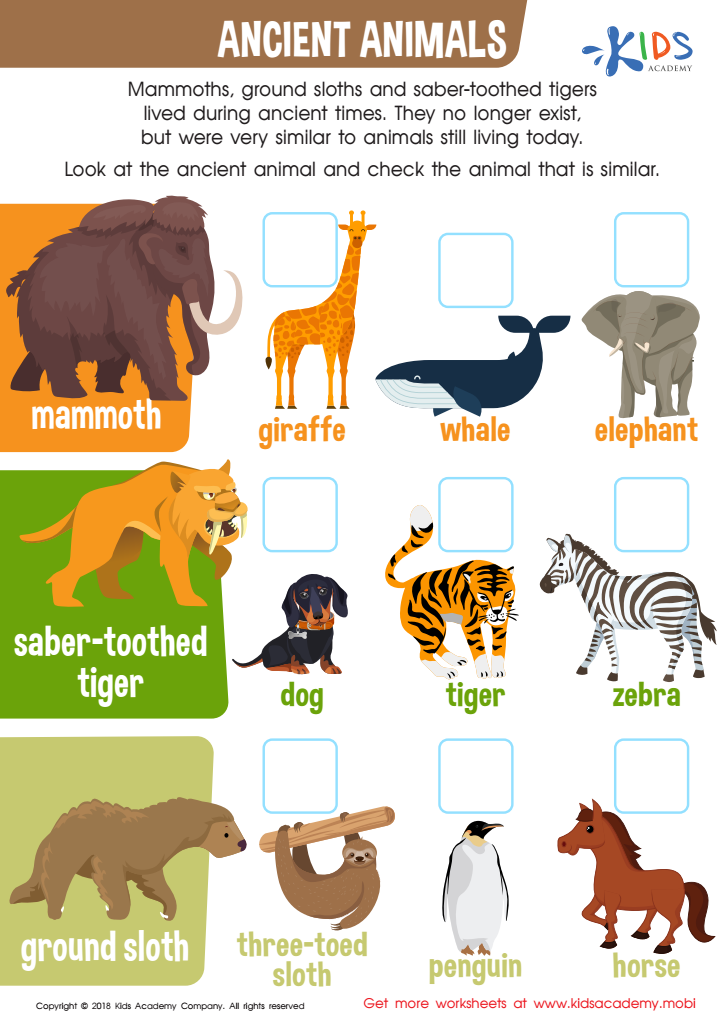

Tricky Nouns: Irregular Plurals Practice Worksheet

Rules for forming plurals of words can be tricky, but with practice, your child can learn to identify the right ones. This worksheet provides the necessary practice - ask your child to read the sentences, then underline the correct plural words.
Tricky Nouns: Irregular Plurals Practice Worksheet
Worksheet
Ancient Animals Worksheet

Ancient Animals Worksheet

Kids can explore prehistoric days with a fun, downloadable worksheet. They'll look at pictures of ancient animals like mammoths, ground sloths and saber-toothed tigers and then choose the animal of today that most closely resembles their ancestor. Through this sheet, they can make connections between today's animals and the past.
Ancient Animals Worksheet
Worksheet
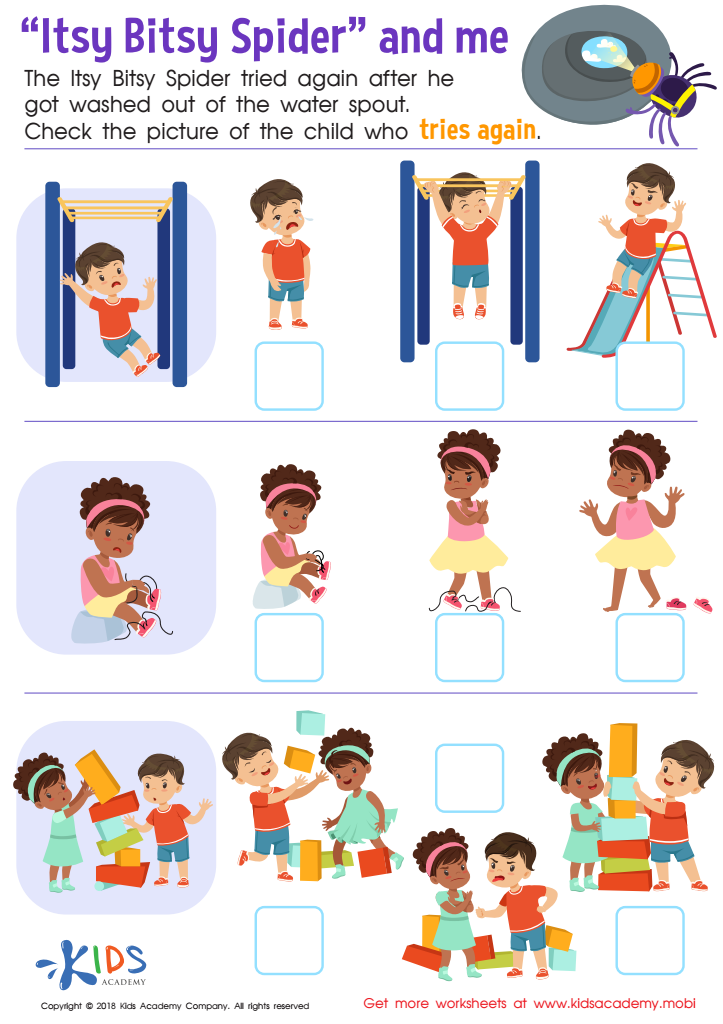
Itsy Bitsy Spider and Me Worksheet

Itsy Bitsy Spider and Me Worksheet

Ensure your child's success - teach them determination and perseverance! Introduce them to the Itsy-Bitsy spider and this fun worksheet. It shows kids working hard and teaches them to 'try again.' Have them identify scenes and check the box for those who succeeded.
Itsy Bitsy Spider and Me Worksheet
Worksheet
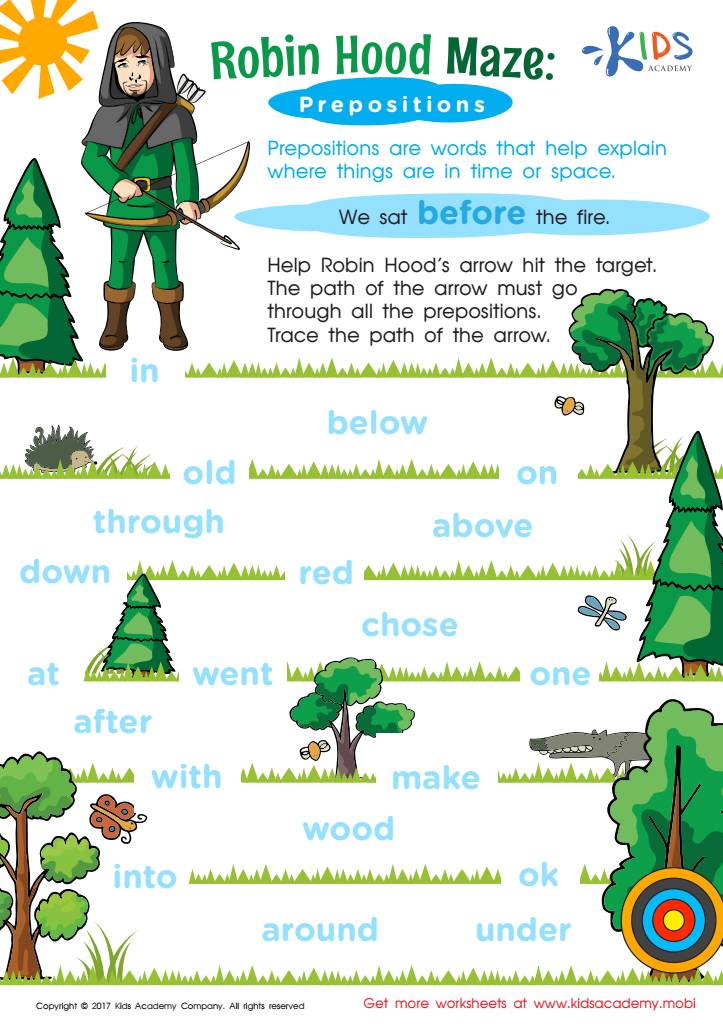
Prepositions Worksheet for Grade 3 PDF

Prepositions Worksheet

Learn prepositions with this PDF worksheet for 3rd grade! Through a fun Robin Hood story, find prepositions as you help Robin shoot his arrow! A great way to learn and have fun!
Prepositions Worksheet
Worksheet
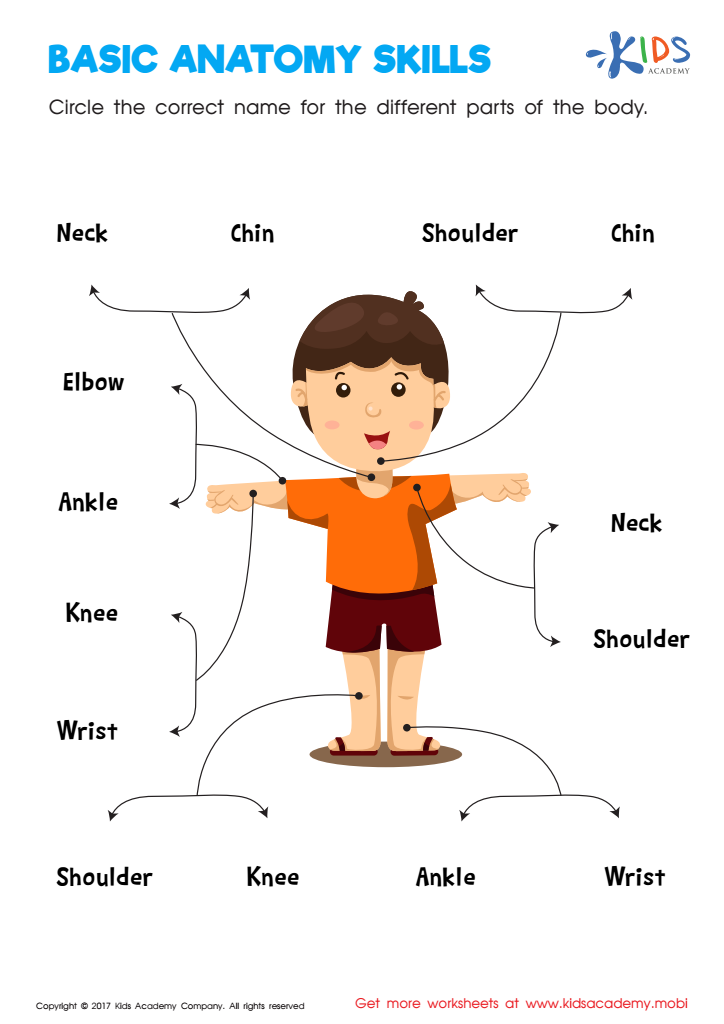
Basic Anatomy Worksheet

Basic Anatomy Skills Printable
Introduce your child to basic anatomy with this worksheet! It will help him learn essential body part names, differentiate between them, recognize and label them. This will give him the tools to better communicate his feelings and become self-aware.
Basic Anatomy Skills Printable
Worksheet
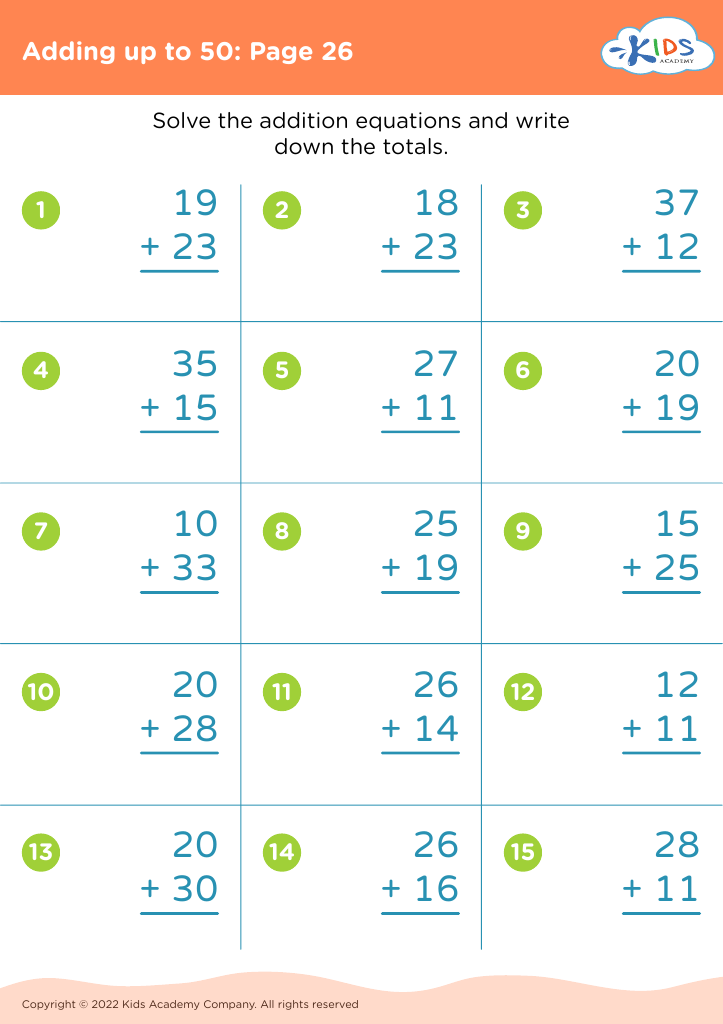
Adding up to 50: Page 26

Adding up to 50: Page 26

Adding up to 50: Page 26
Worksheet
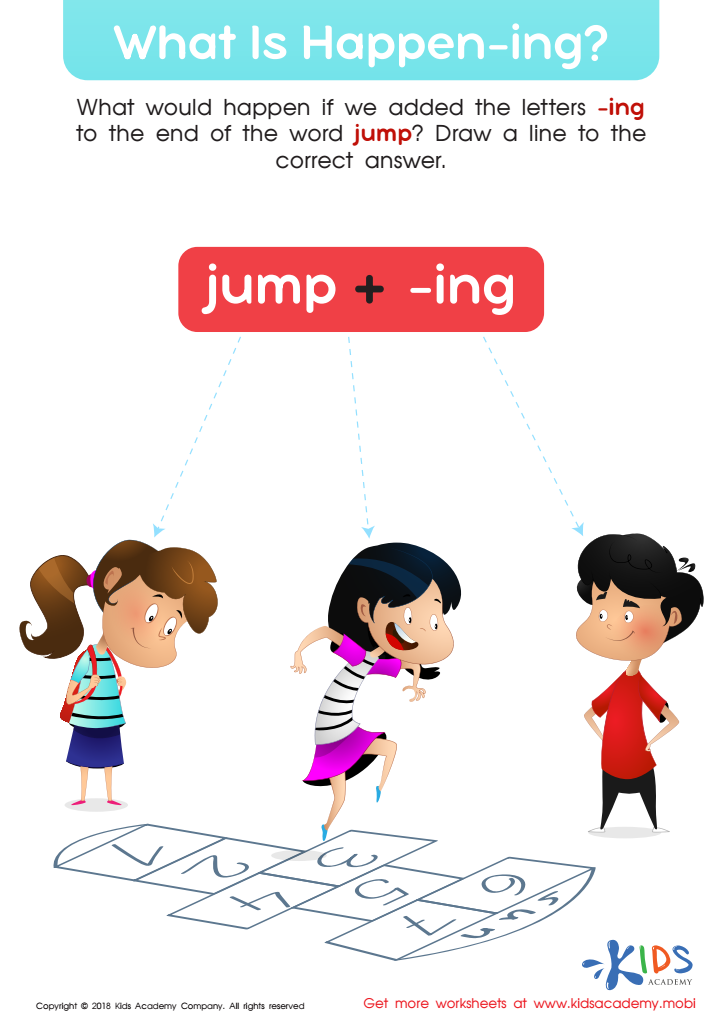
What Is Happen-Ing? Worksheet

What Is Happen-Ing? Worksheet

Explain to your kids the difference between present and past tense verbs. Give examples and explain how adding '-ing' to the end of a verb changes it to past tense. Ask them to draw a line on the worksheet to the correct answer for the example 'jump'.
What Is Happen-Ing? Worksheet
Worksheet


Improving vocabulary for children aged 7-8 is a crucial part of their overall development and academic success. At this formative stage, children transition from learning to read to reading to learn, meaning their ability to understand and interpret text becomes paramount. A robust vocabulary not only enhances reading comprehension but also enriches communication skills, allowing children to express themselves more clearly and confidently.

In the classroom, a strong vocabulary foundation paves the way for better performance across all subjects. Whether it’s understanding word problems in math or following instructions in science experiments, the benefits of expanding vocabulary are far-reaching. Beyond academics, it fosters a love for reading, sparking curiosity and encouraging independent exploration.

Socially, children with developed vocabularies can engage in more meaningful conversations with peers and adults, building stronger friendships and enhancing social skills. It also boosts their self-esteem, as they are able to articulate their thoughts and emotions effectively.

For parents and teachers, focusing on vocabulary improvement involves integrating diverse and engaging activities—like reading aloud, word games, and encouraging inquisitive discussions about new words and concepts. Investing in vocabulary development at this critical age ensures children have the linguistic tools they need for lifelong learning and success.