Letter recognition Worksheets for Ages 7-8 - Page 3
51 filtered results
-
From - To
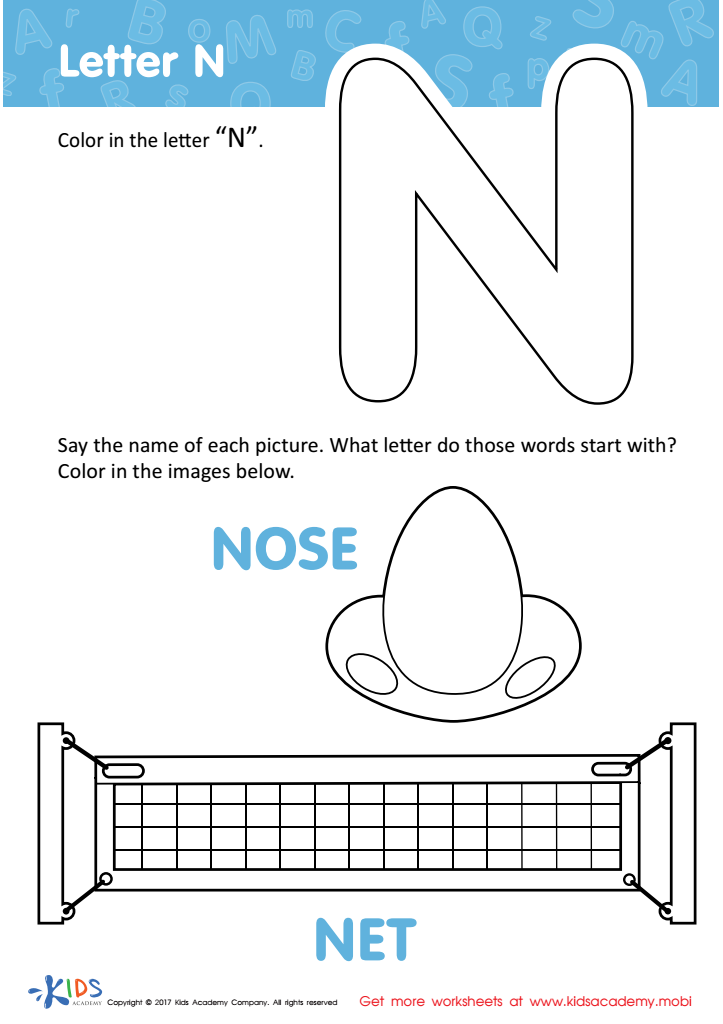
Letter N Coloring Sheet
 Assign to My Students
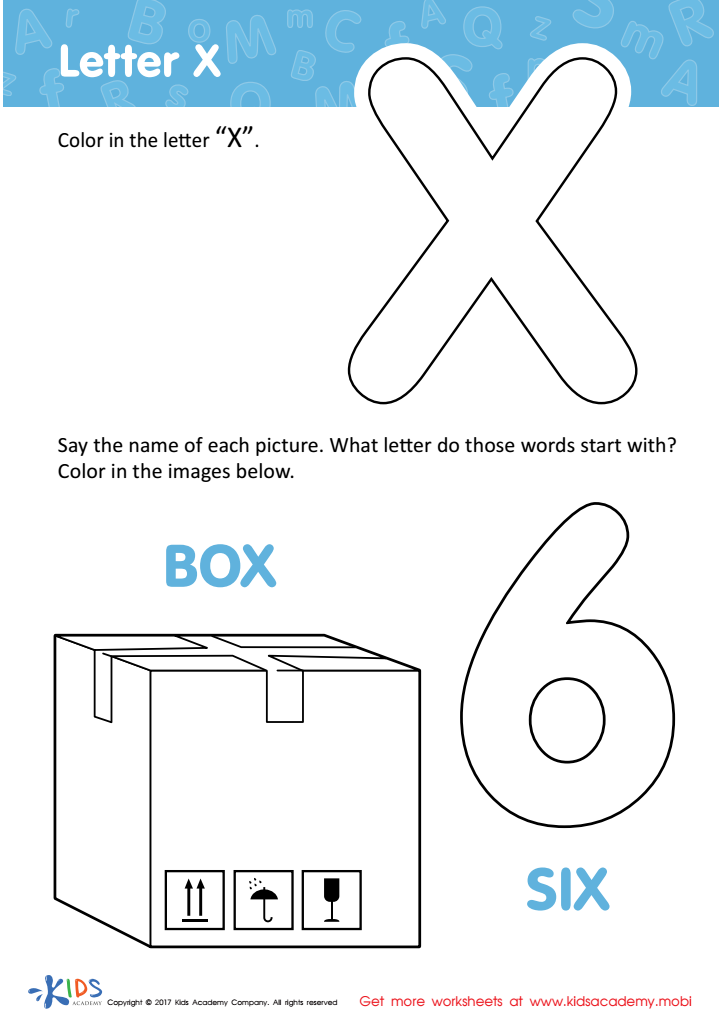
Letter X Coloring Sheet
Assign to My Students
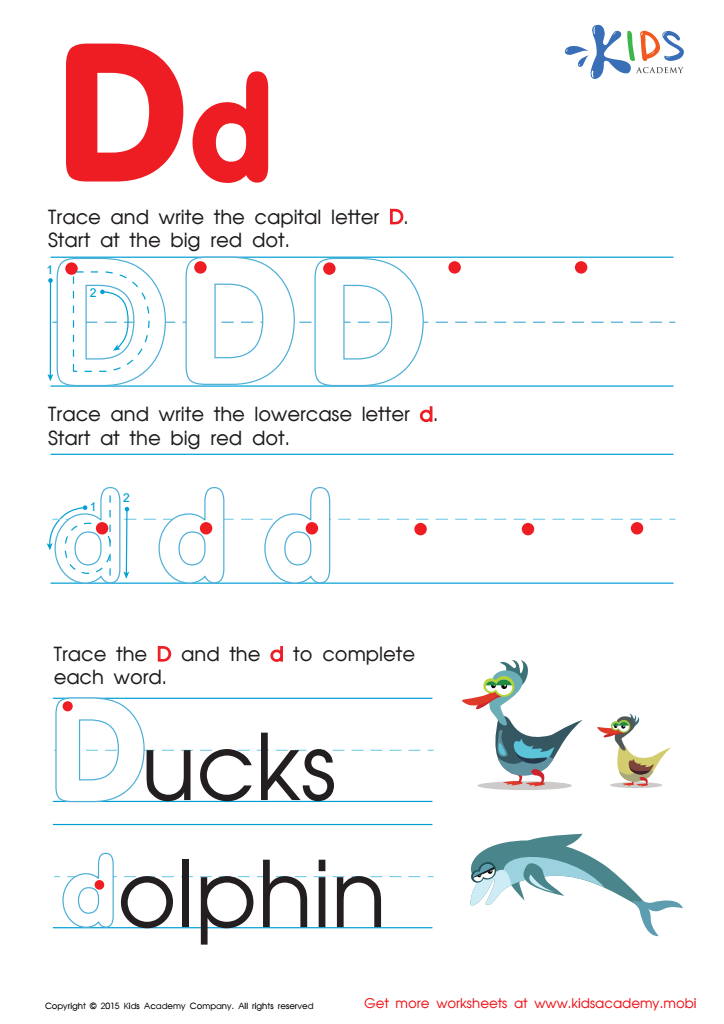
Letter D Tracing Page








Letter recognition is critical for children ages 7-8 as it serves as the foundation for their literacy development and overall academic success. At this stage, children are transitioning from learning to read to reading to learn, making the ability to recognize letters essential for decoding words and comprehending text. Mastery of letter recognition not only enhances reading skills but also builds confidence, enabling students to participate more actively in classroom activities and discussions.
Furthermore, letter recognition plays a significant role in the development of writing skills. When children can identify letters quickly, they can express their thoughts more effectively, leading to improved communication abilities. As children are encouraged to explore literature, their recognition skills contribute to vocabulary expansion and better understanding of language structure.
For teachers and parents, fostering strong letter recognition ensures that children receive the necessary support to avoid potential literacy challenges as they progress through their education. Engaging them in fun activities—like games, storytelling, and hands-on writing exercises—can make learning enjoyable and help reinforce these skills. Ultimately, prioritizing letter recognition at this crucial stage sets children on a path toward a lifetime of learning and promotes a love for reading that can benefit them in all areas of life.








