Logical Reasoning Worksheets for Ages 7-8 - Page 2
41 filtered results
-
From - To
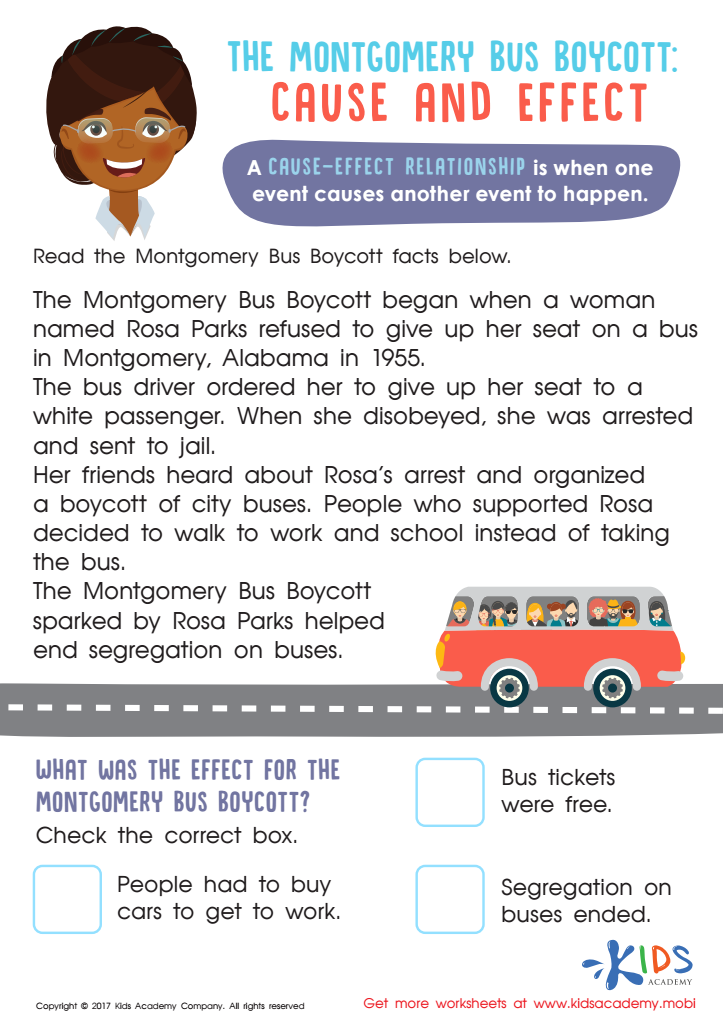
The Montgomery Bus Boycott Cause and Effect Worksheet
 Assign to My Students
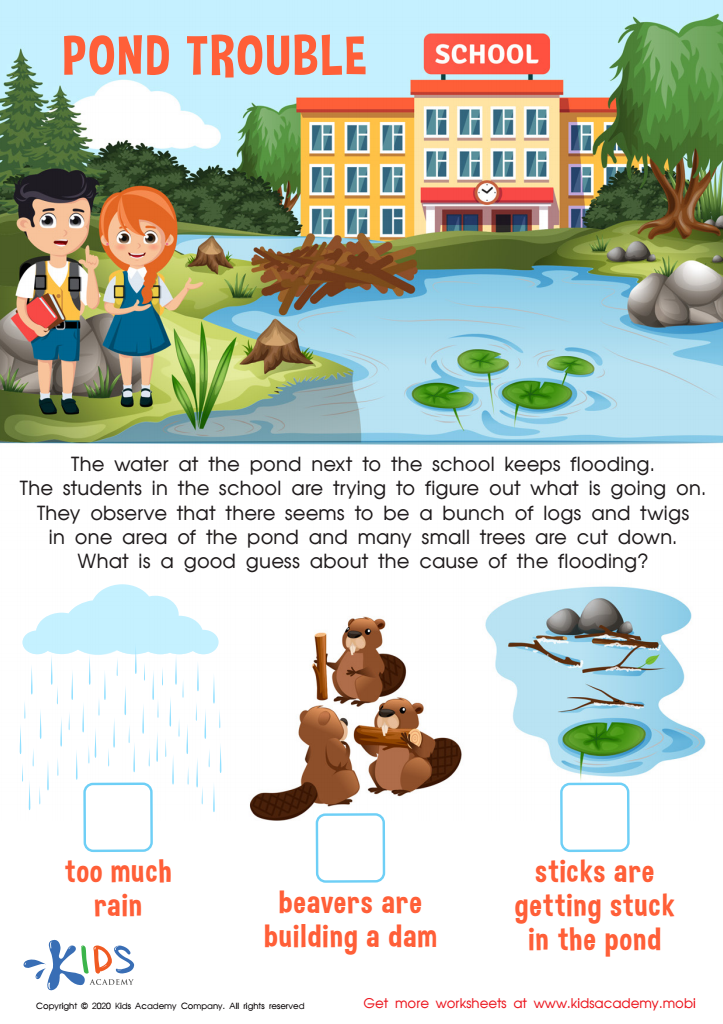
Pond Trouble Worksheet
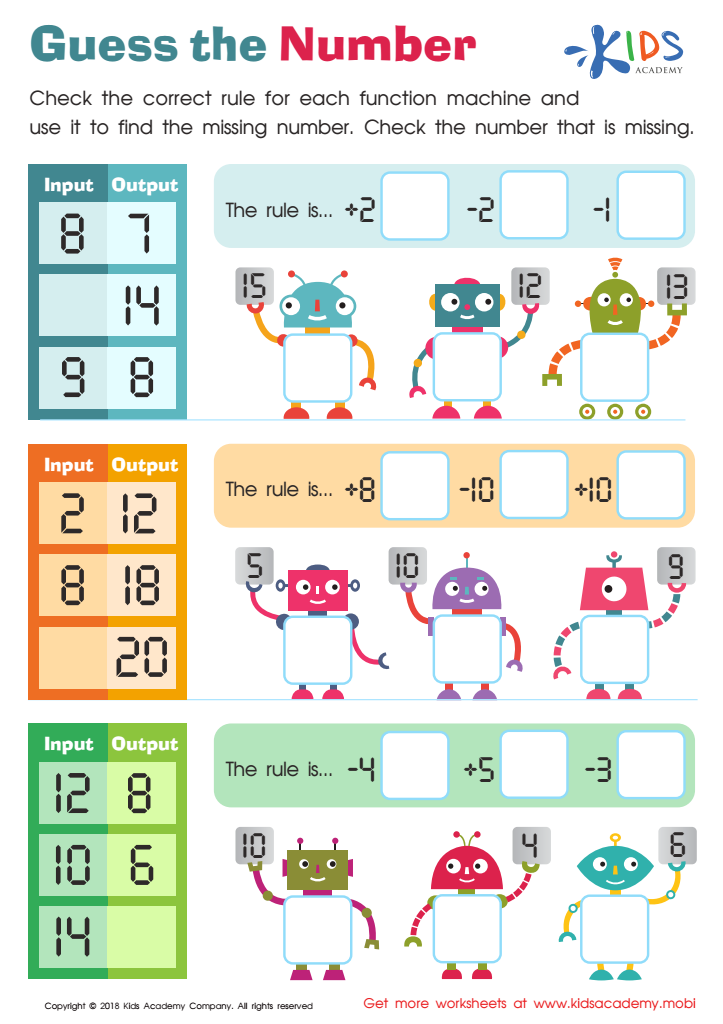
Guess the Number Worksheet
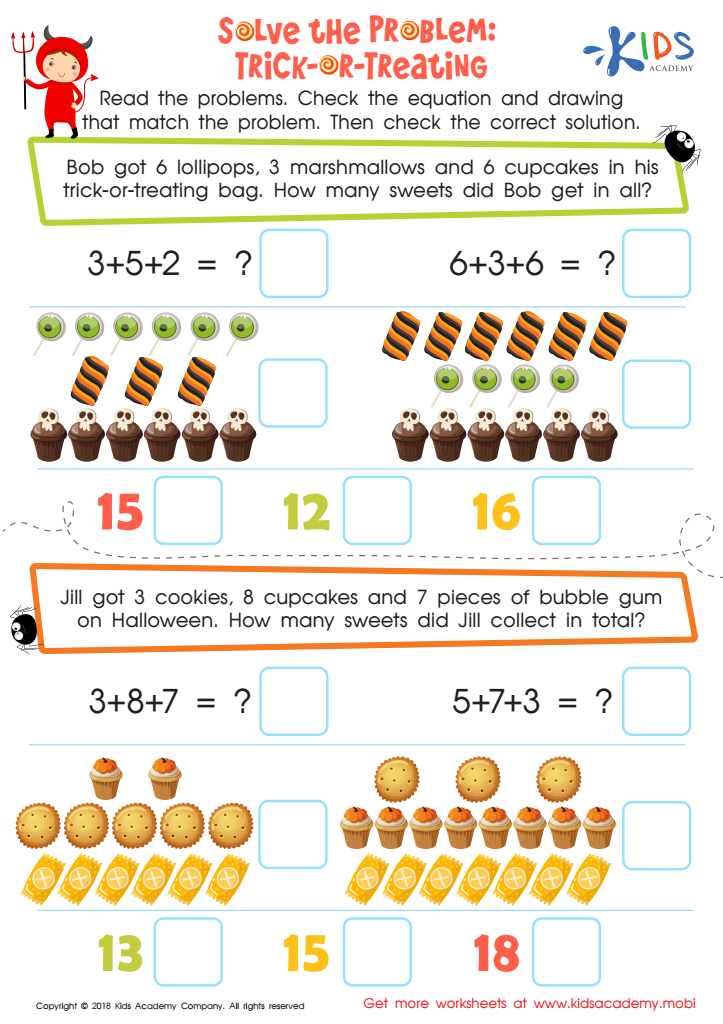
Solve the Problem: Trick–or–treating Worksheet
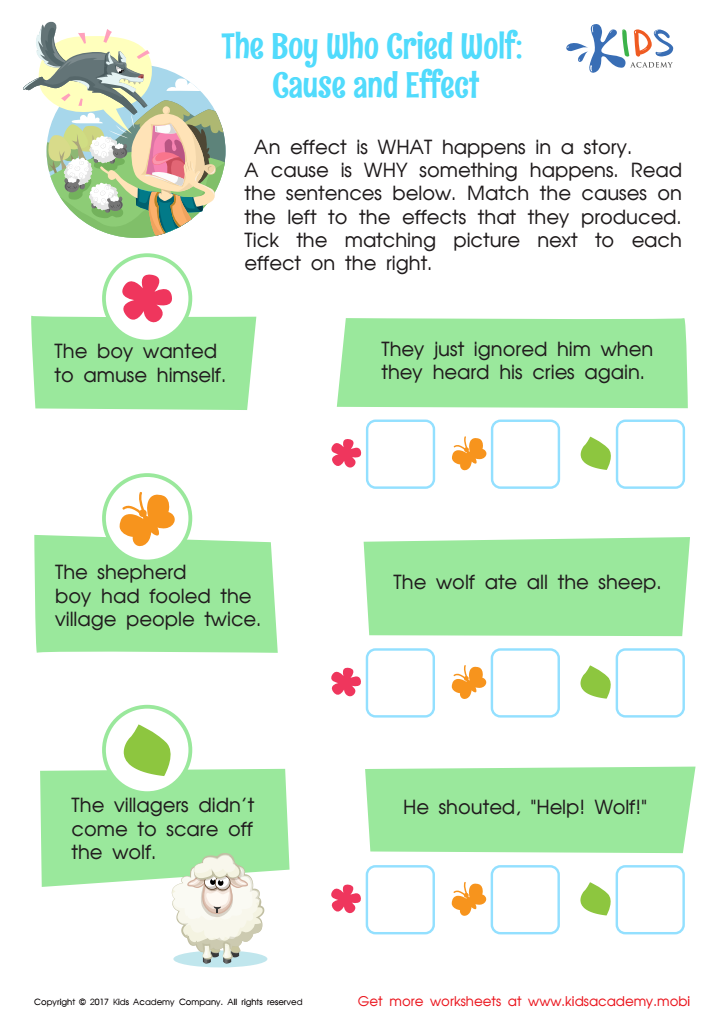
The Boy Who Cried Wolf: Cause and Effect Worksheet
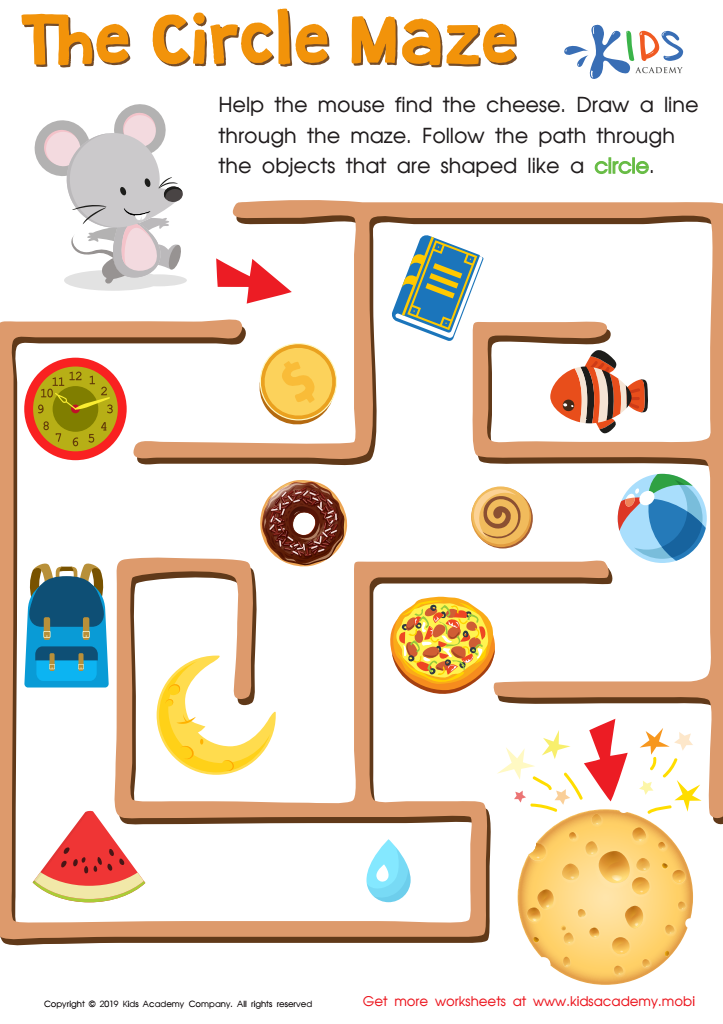
The Circle Maze Worksheet
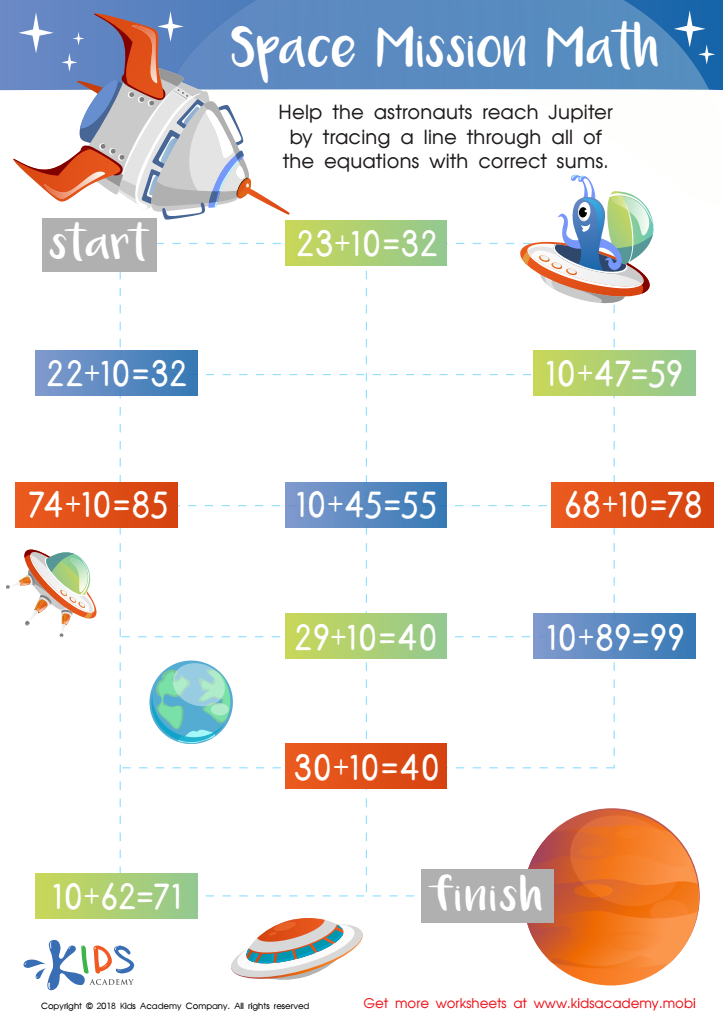
Space Mission Math Worksheet
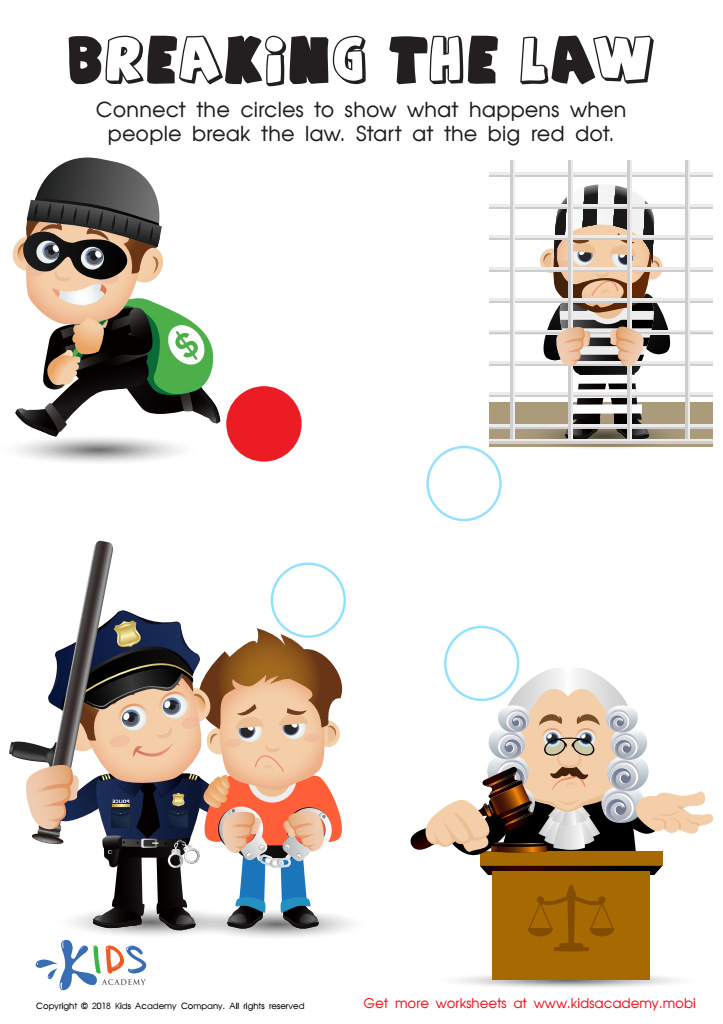
Breaking the Law Worksheet
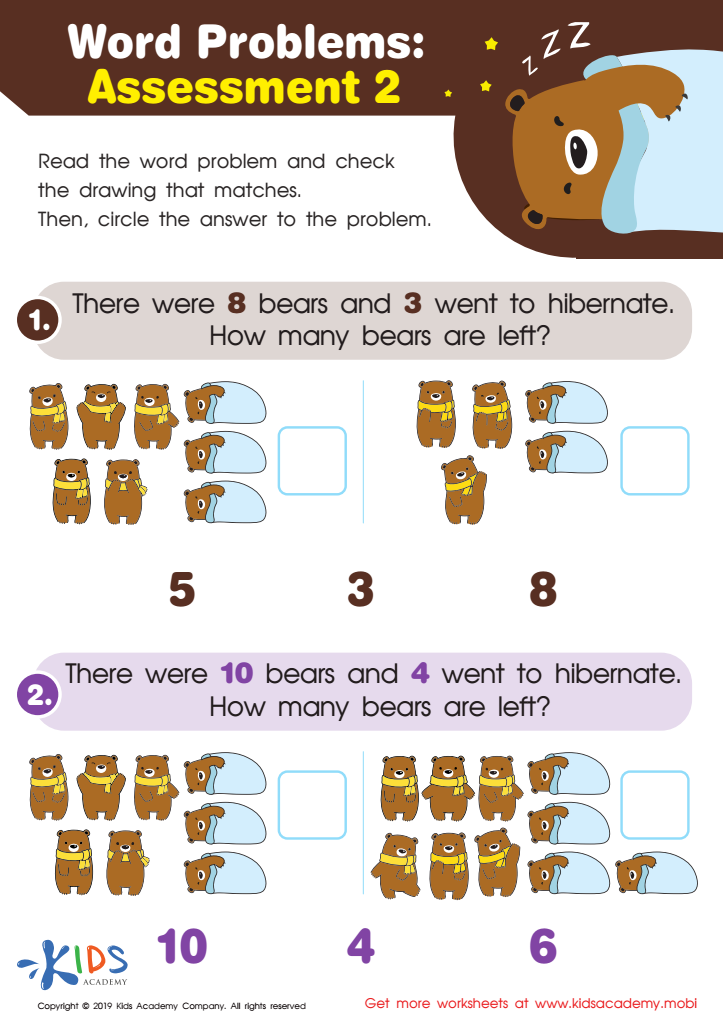
Word Problems: Assessment 2 Worksheet
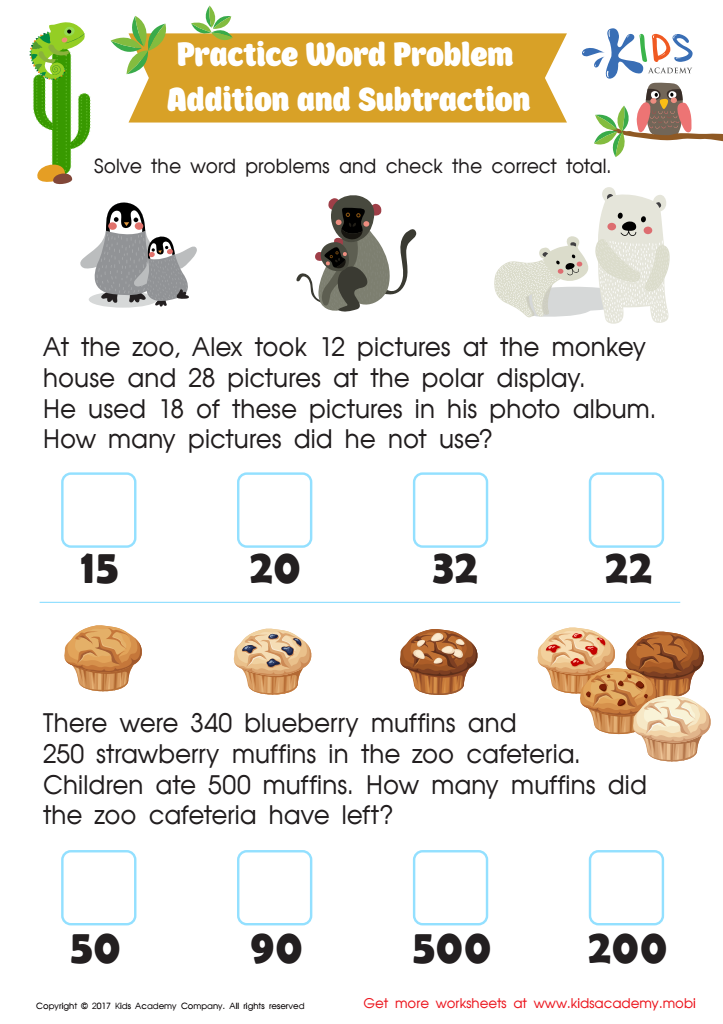
Addition and Subtraction: Word Problems Worksheet
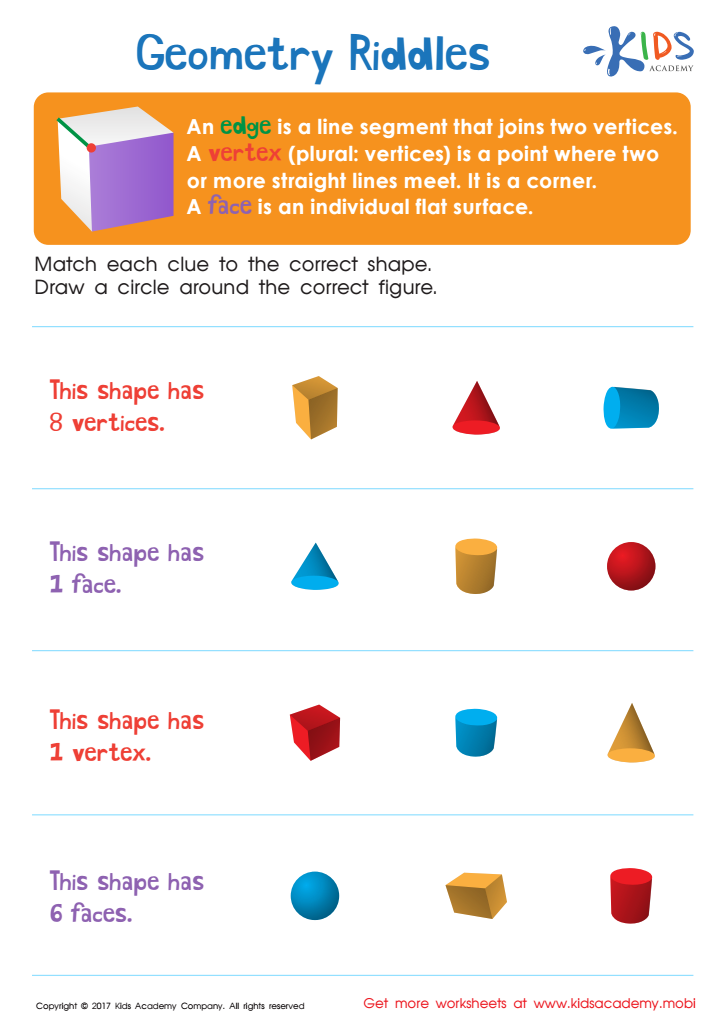
Geometry Riddles Printable
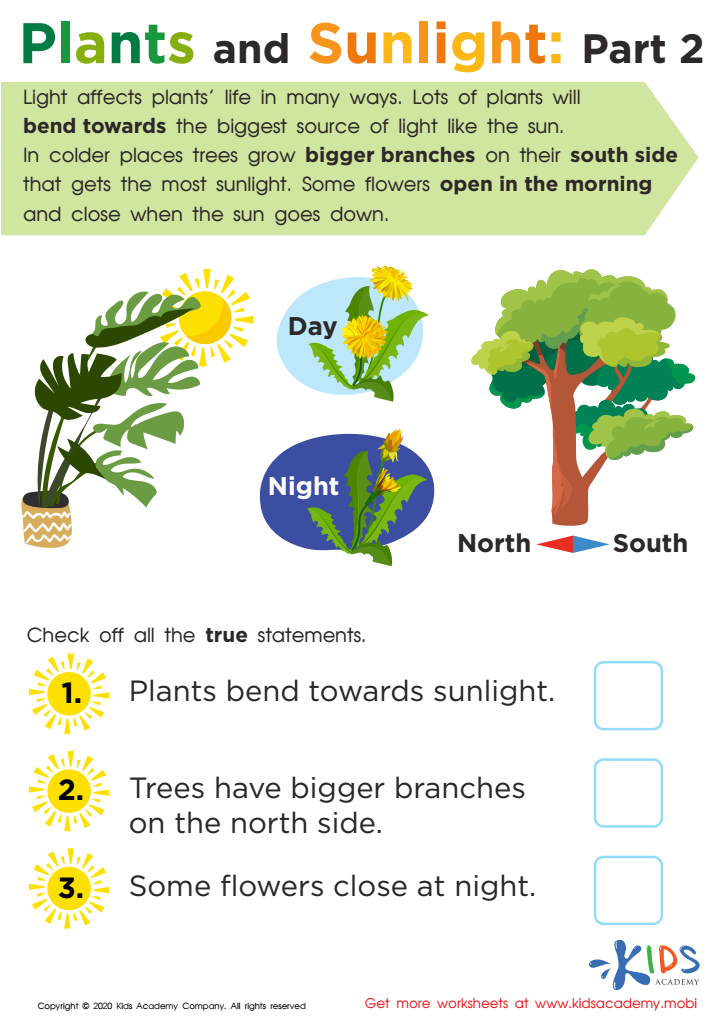
Plants and Sunlight: Part 2 Worksheet
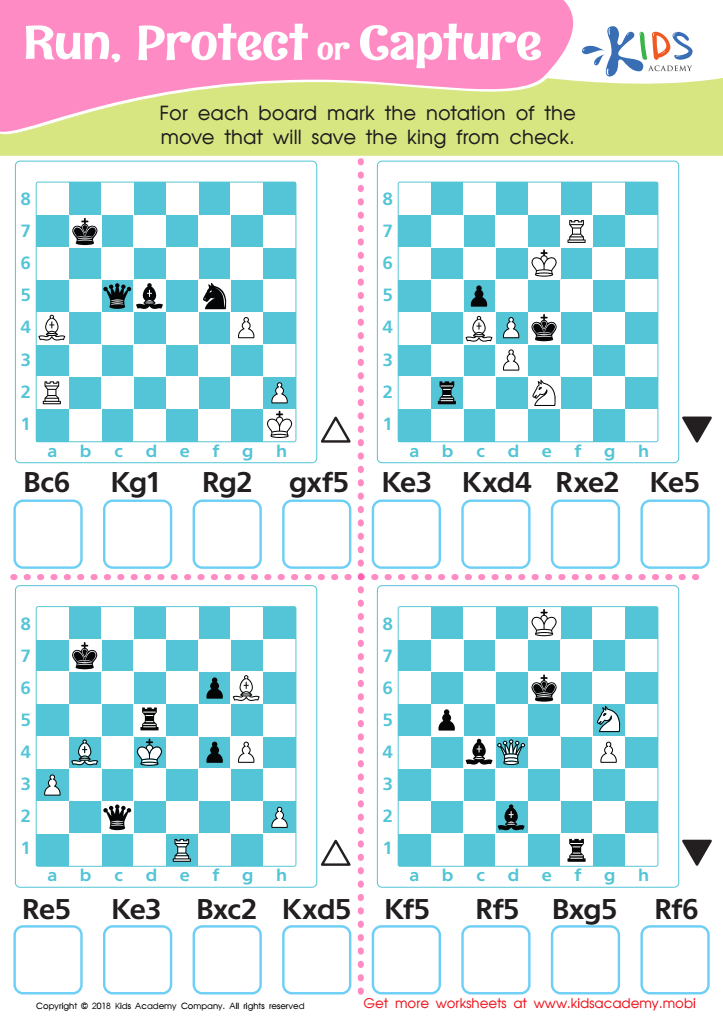
Run, Protect or Capture Worksheet
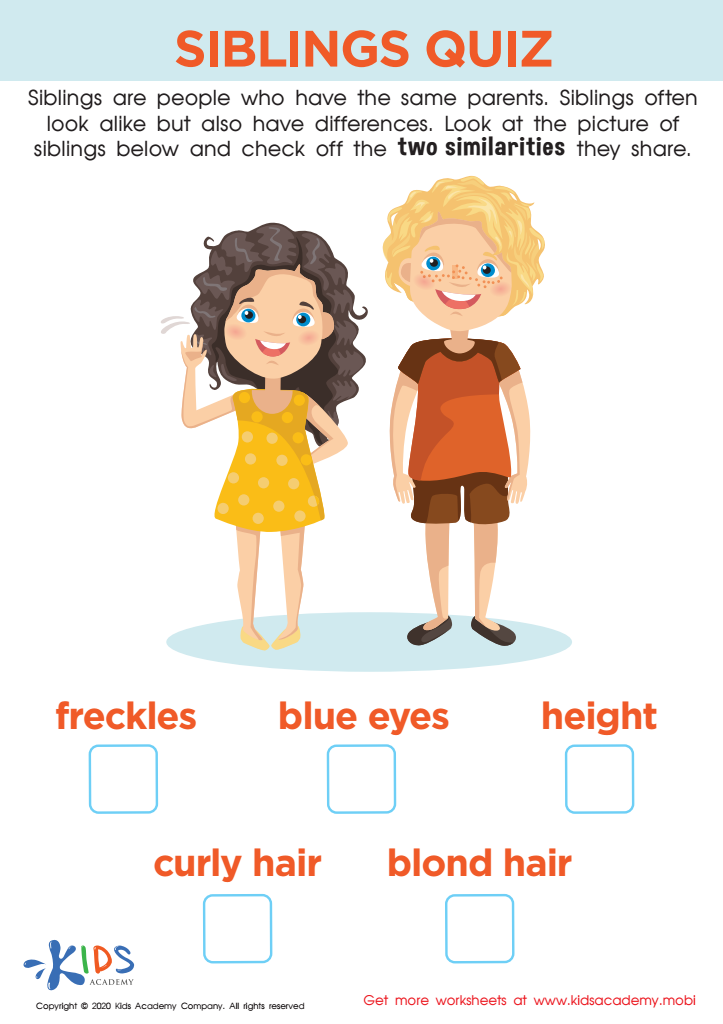
Siblings Quiz Worksheet
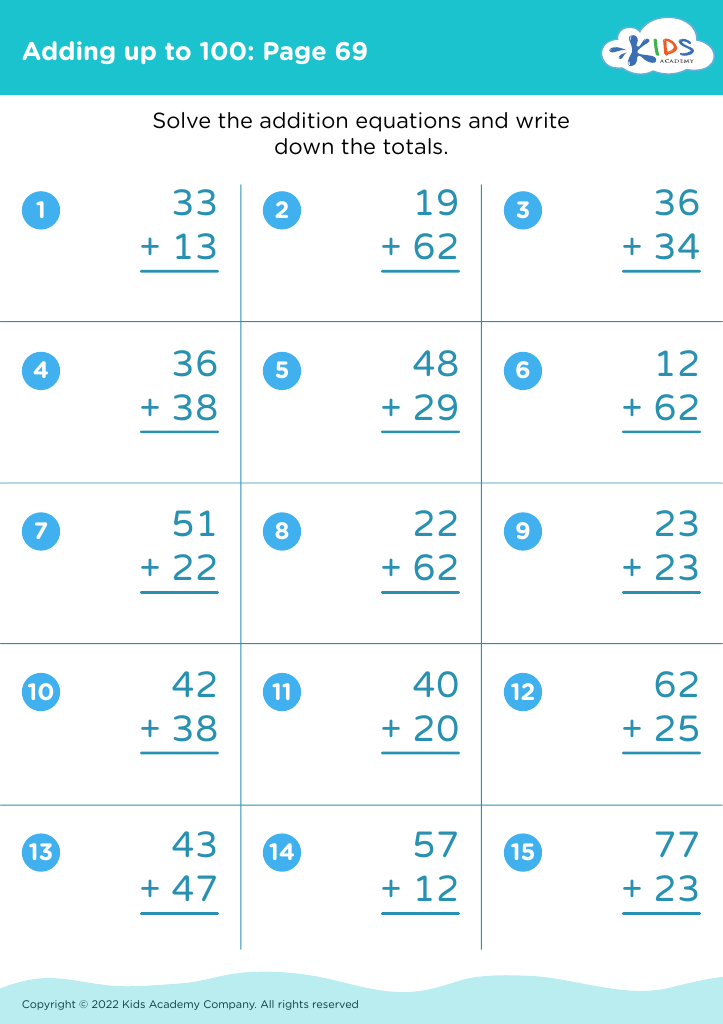
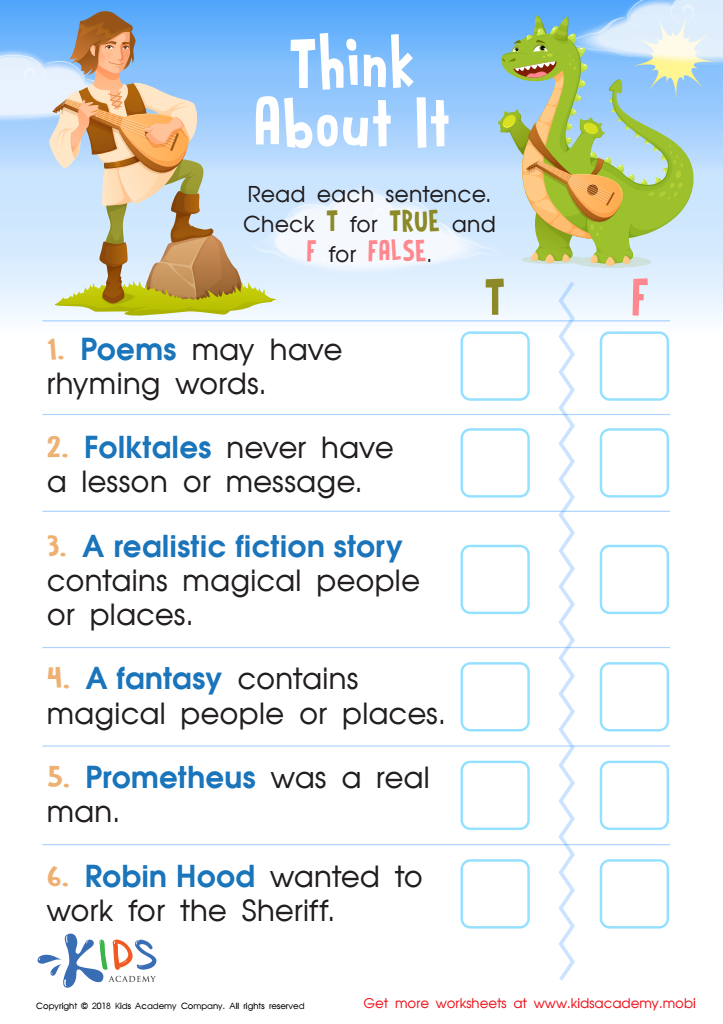
Think About It: Assessment Worksheet
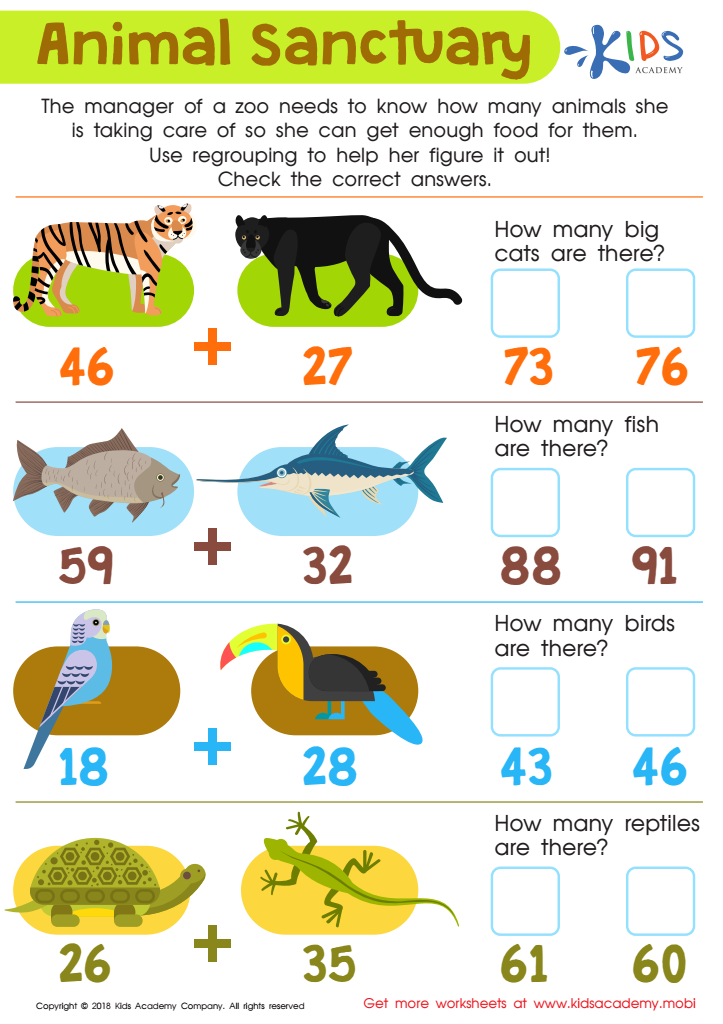
Animal Sanctuary Worksheet








Logical reasoning is a vital skill for children ages 7-8, serving as a foundation for critical thinking and problem-solving. At this stage, children are beginning to think more abstractly and make connections between concepts. Encouraging logical reasoning helps them develop the ability to analyze situations, understand relationships, and draw conclusions based on evidence rather than emotion or impulse.
Parents and teachers should care about cultivating logical reasoning because it enhances a child’s educational journey across subjects. For example, in mathematics, logical reasoning helps children understand concepts such as addition and subtraction, laying the groundwork for more complex operations. In literacy, it aids in comprehending stories and identifying themes or moral lessons.
Moreover, strong logical reasoning skills contribute to effective communication. Children learn to articulate their thoughts clearly, supporting their arguments with logic and reasoning—an essential skill in both academic and social settings.
Encouraging gameplay that promotes problem-solving, engaging in discussions that require reasoning, and providing opportunities for experimentation can all foster these skills. By prioritizing logical reasoning, parents and teachers equip children with tools essential for lifelong learning, ensuring they become proficient thinkers poised for future challenges.








