Logical thinking Worksheets for Ages 7-8 - Page 2
27 filtered results
-
From - To
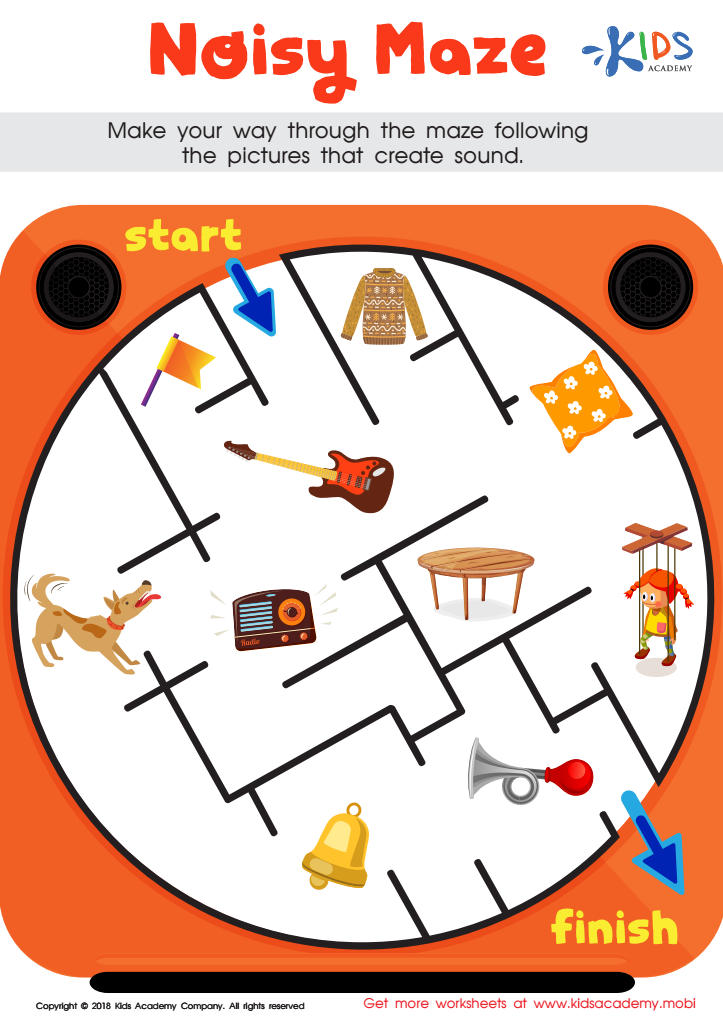
Noisy Maze Worksheet
 Assign to My Students








Logical thinking is a crucial cognitive skill for children ages 7-8, as it lays the foundation for problem-solving and critical reasoning. During these formative years, children's ability to analyze situations, make connections, and draw conclusions begins to flourish. Parents and teachers should prioritize the development of logical thinking skills because it empowers children to navigate challenges both in academics and in daily life.
At this age, children are naturally curious and eager to explore the world around them. Encouraging logical thinking helps them make sense of their environment and understand cause-and-effect relationships. By engaging in activities that promote reasoning, such as puzzles, games, and open-ended questions, adults can stimulate children’s minds, nurture their creativity, and enhance their decision-making abilities.
Furthermore, strong logical thinking skills contribute to academic success. Children who can think logically are better equipped to tackle math problems, comprehend reading materials, and conduct scientific inquiries. These skills can also foster effective communication and collaboration with peers.
Overall, investing in the development of logical thinking at an early age not only enriches a child's educational experience but also prepares them for lifelong learning and adaptability in an ever-changing world.








