Matching skills Worksheets for Ages 7-8
16 filtered results
-
From - To
Our Matching Skills Worksheets for ages 7-8 are designed to foster critical thinking and problem-solving skills in young learners. Engaging and colorful, these worksheets focus on developing children's abilities to recognize patterns, establish connections, and enhance memory. Each activity is crafted to be educational and fun, supporting both classroom learning and at-home practice. Ideal for first, second, and third graders, our resources offer varied exercises to keep learning dynamic and effective. Help your child build a strong foundation in essential matching skills, setting them up for success in their academic journey. Explore now and watch your child thrive!
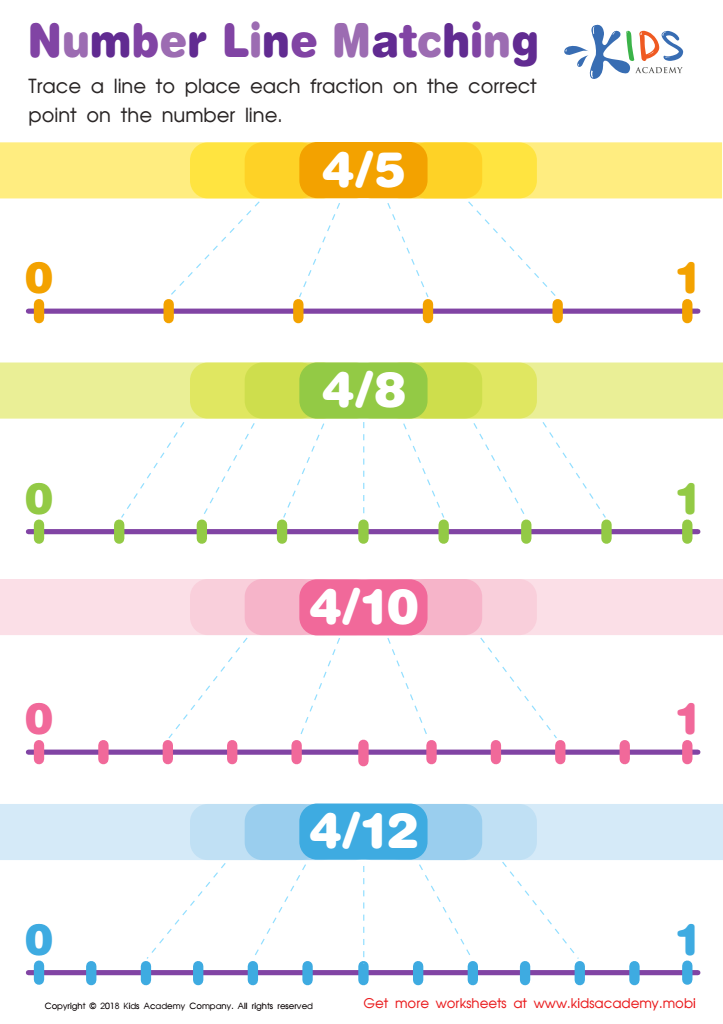
Number Line Matching Worksheet
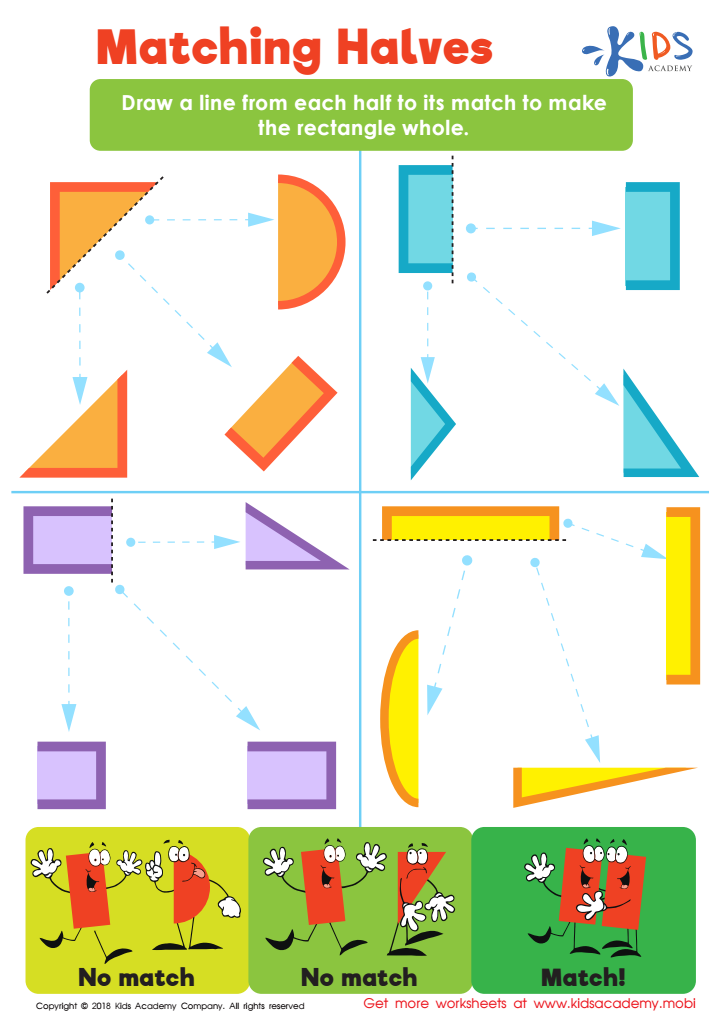
Matching Halves Worksheet
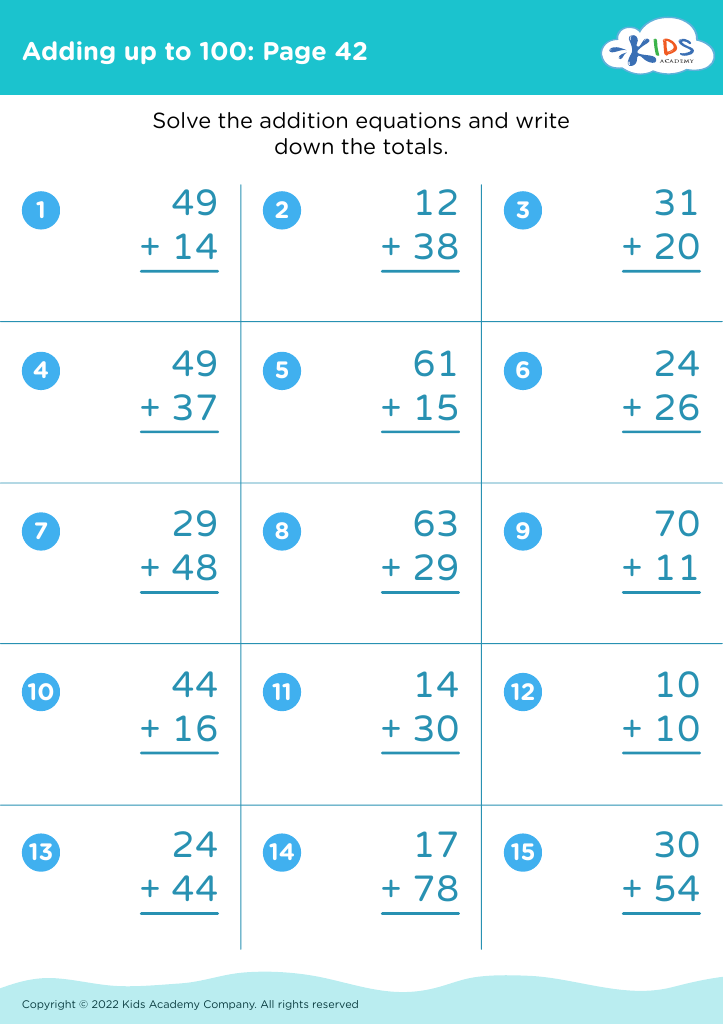
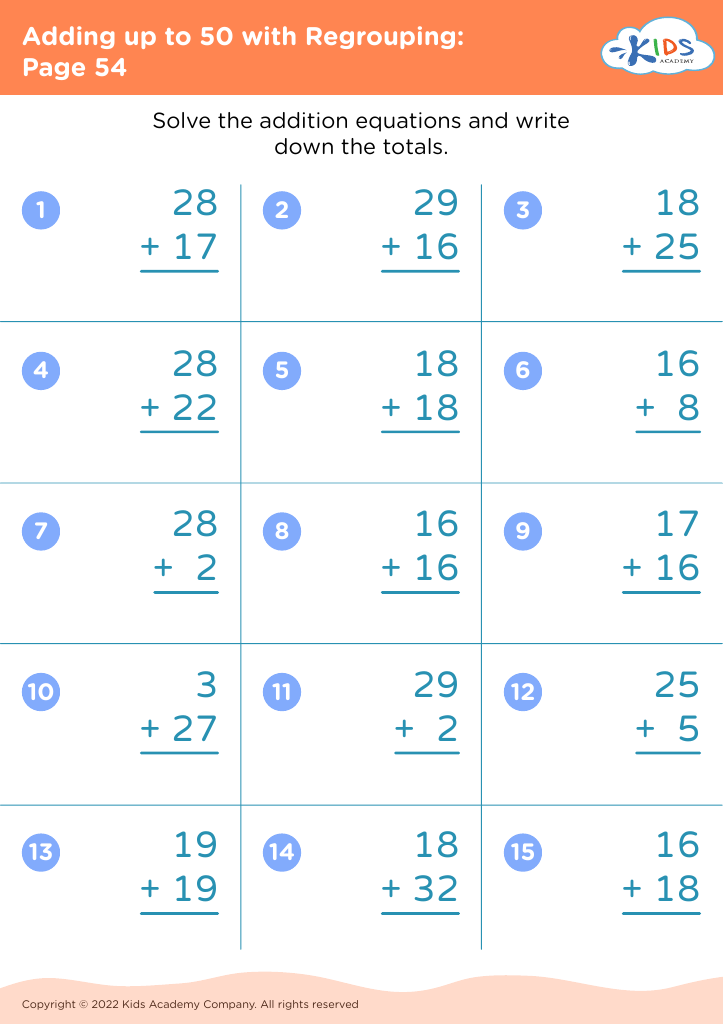
Singer Maze Worksheet
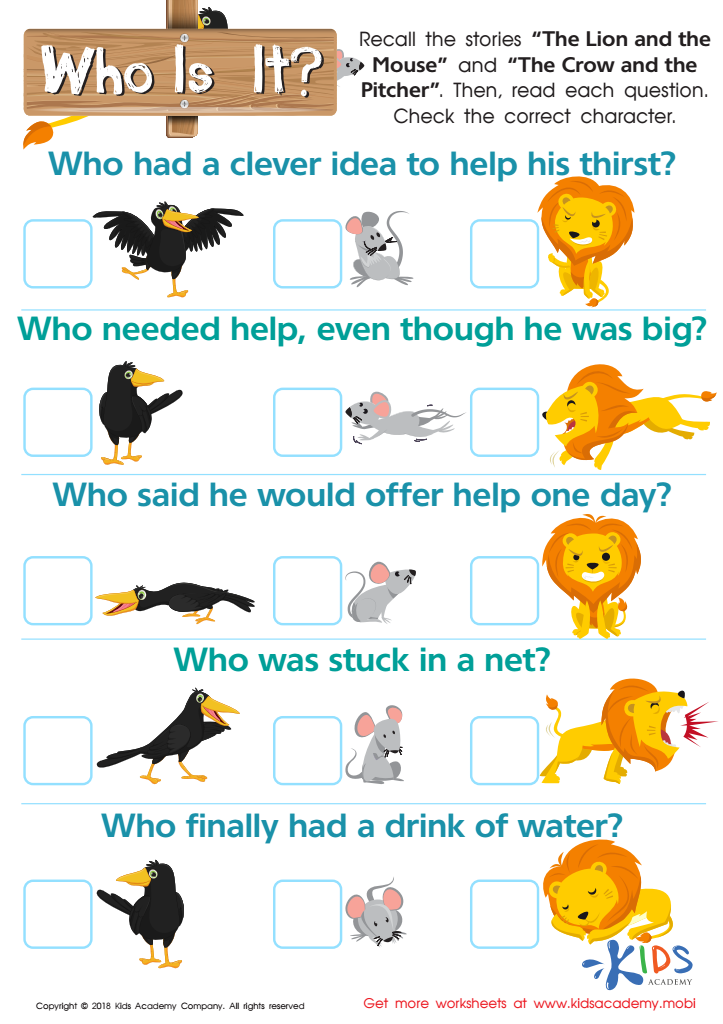
Who Is It? Worksheet
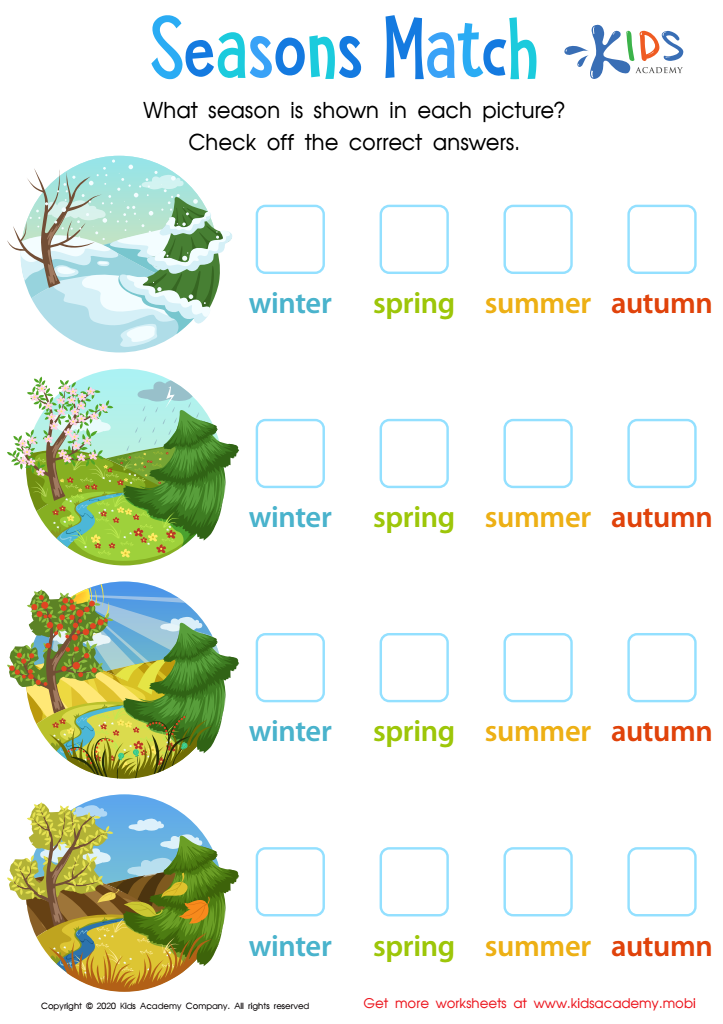
Seasons Match Worksheet
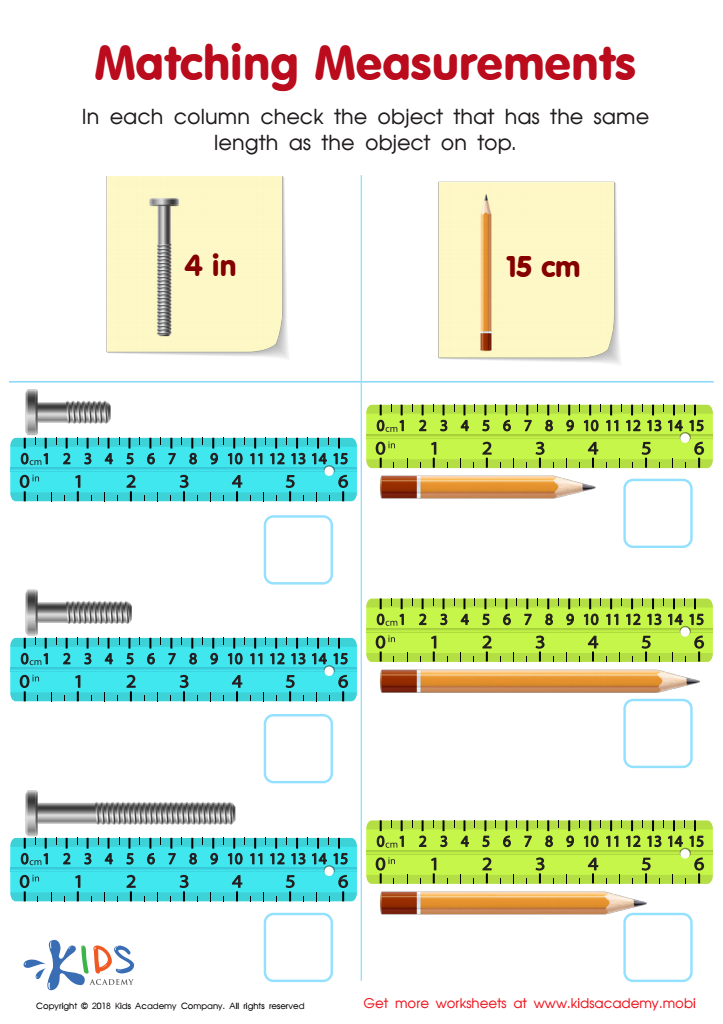
Matching Measurements Worksheet
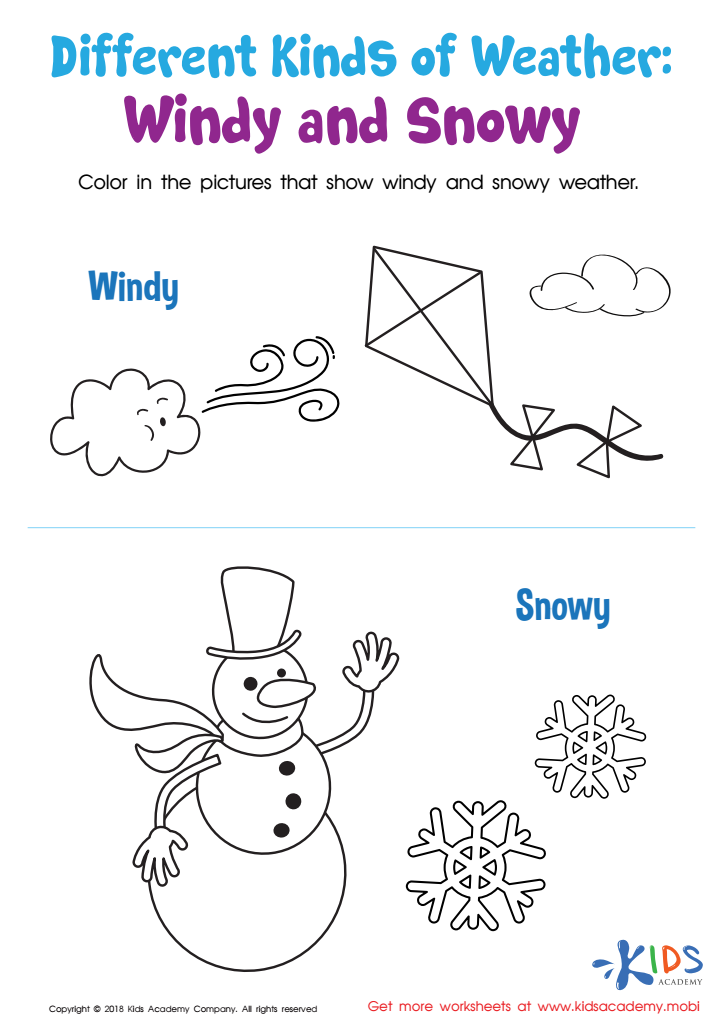
Different Kinds of Weather: Windy and Snowy Worksheet
 Assign to My Students
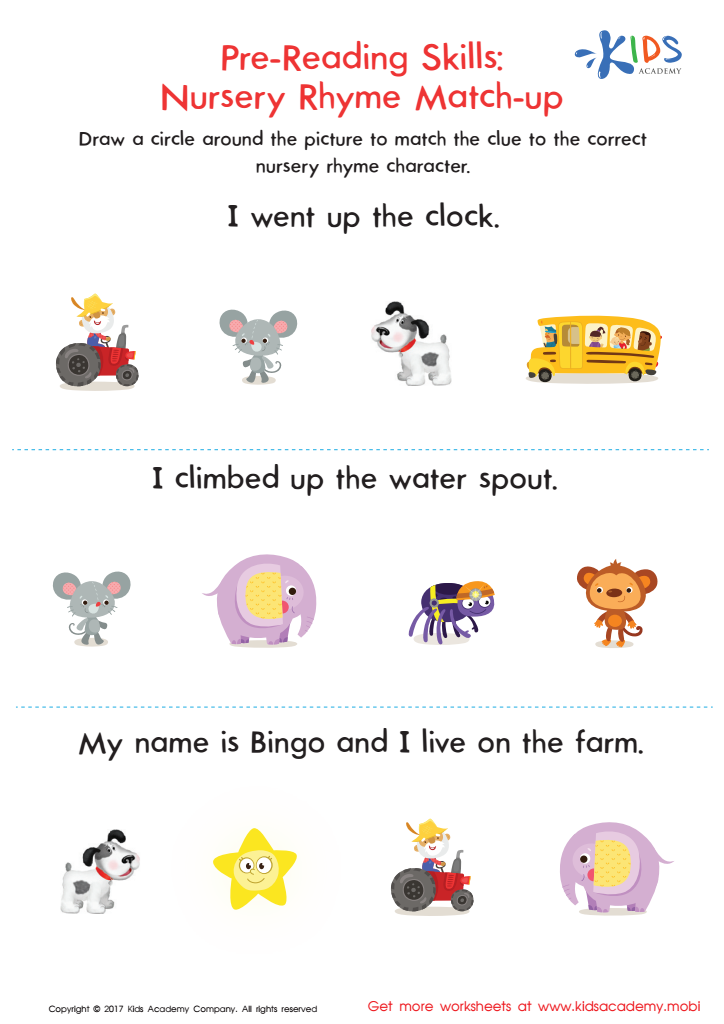
Nursery Rhyme Match–Up Worksheet
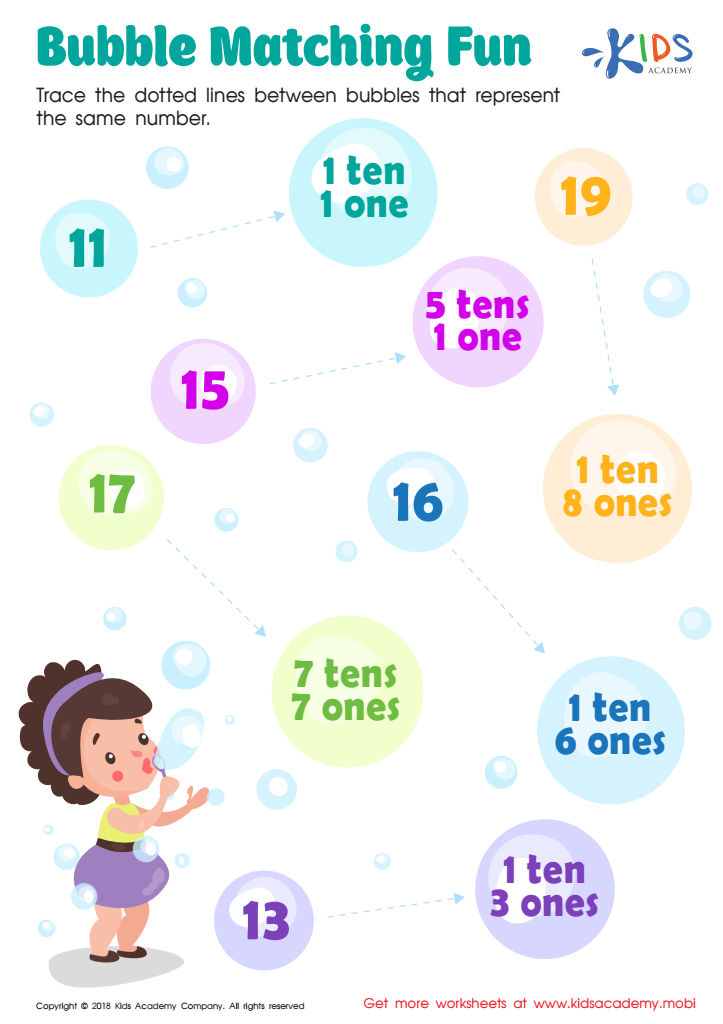
Bubble Matching Fun Worksheet
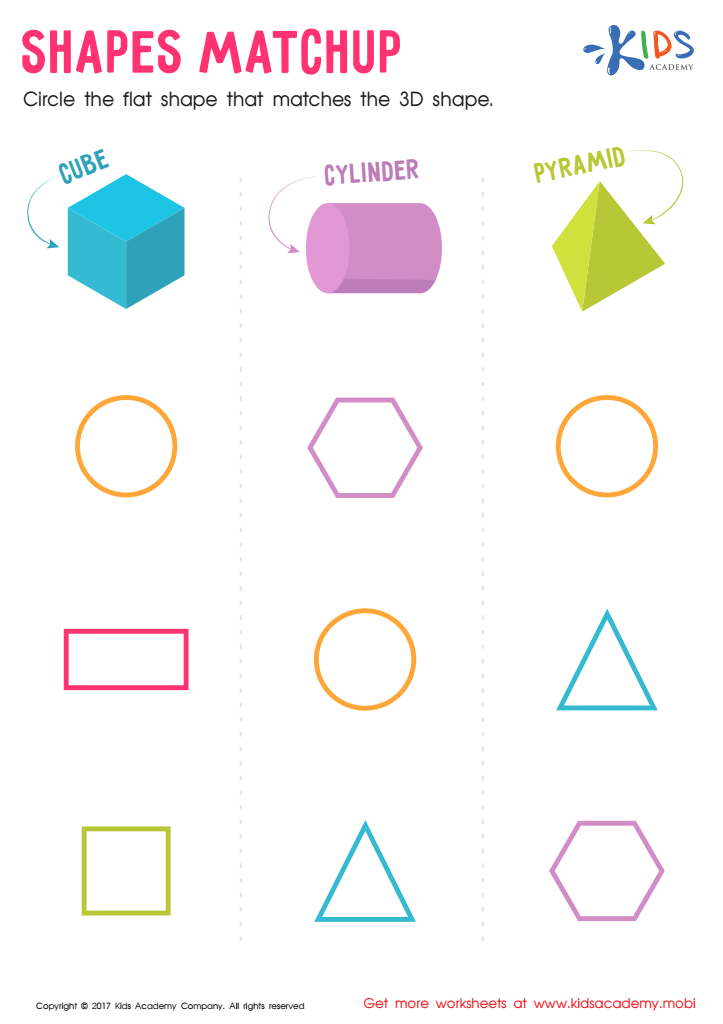
Shapes Matchup Worksheet
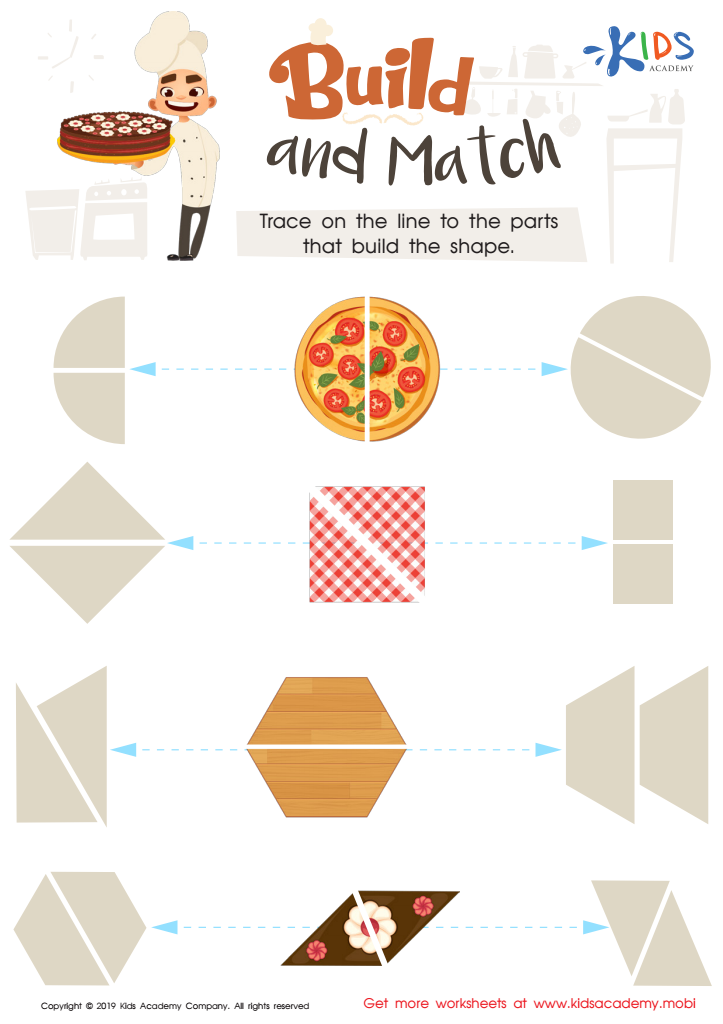
Build and Match Worksheet
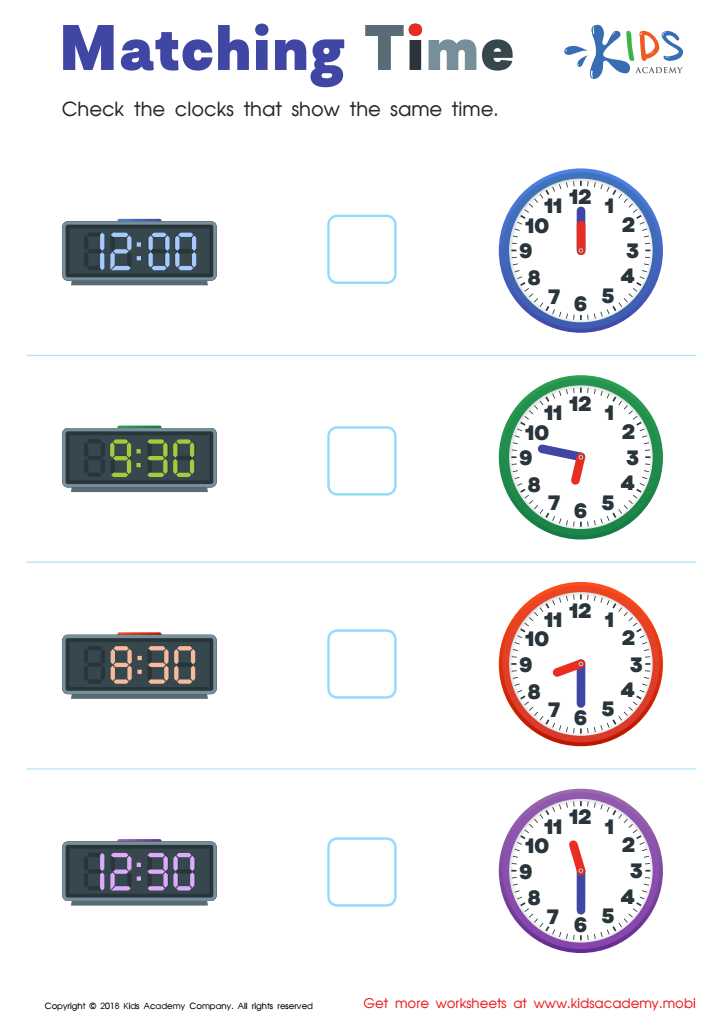
Matching Time Worksheet
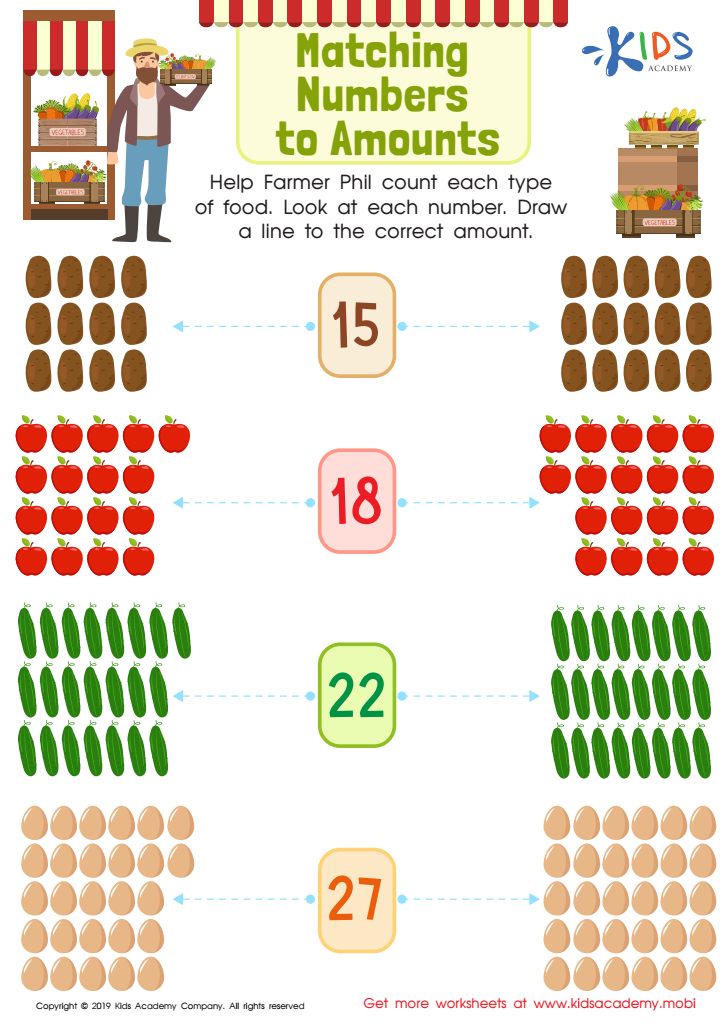
Matching Numbers to Amounts Worksheet



.jpg)



Matching skills are fundamental for children ages 7-8, providing essential cognitive and academic development foundations. First and foremost, matching exercises enhance cognitive abilities such as classification, critical thinking, and attention to detail. When children practice matching shapes, numbers, or words, they learn patterns, similarities, and differences, honing their analytical skills.
For parents and teachers, fostering these skills at an early age is pivotal for literacy and numeracy. Matching games often require reading and understanding instructions, which improves vocabulary and comprehension. It also promotes mathematical thinking; matching numbers or equations helps children recognize numerical relationships and sequences.
Moreover, matching activities contribute to improved memory retention. Remembering where a card is placed in a game or recalling specific patterns help reinforce neural pathways, aiding long-term learning capabilities. Social-emotional development is another critical benefit. Working on matching tasks in pairs or groups fosters cooperation, patience, and effective communication.
Physical coordination is also supported through games involving physical matches, as they require hand-eye coordination and fine motor skills. Collectively, these competencies create a well-rounded basis for subsequent academic challenges.
Thus, engaging in matching skills’ activities can significantly assist children ages 7-8 in their overall educational and developmental journey, making it a priority for both parents and teachers.








