
Numerical problem solving Worksheets for Ages 7-8
4 filtered results
Difficulty Level
Grade
Age
-
From - To
Subject
Activity
Standards
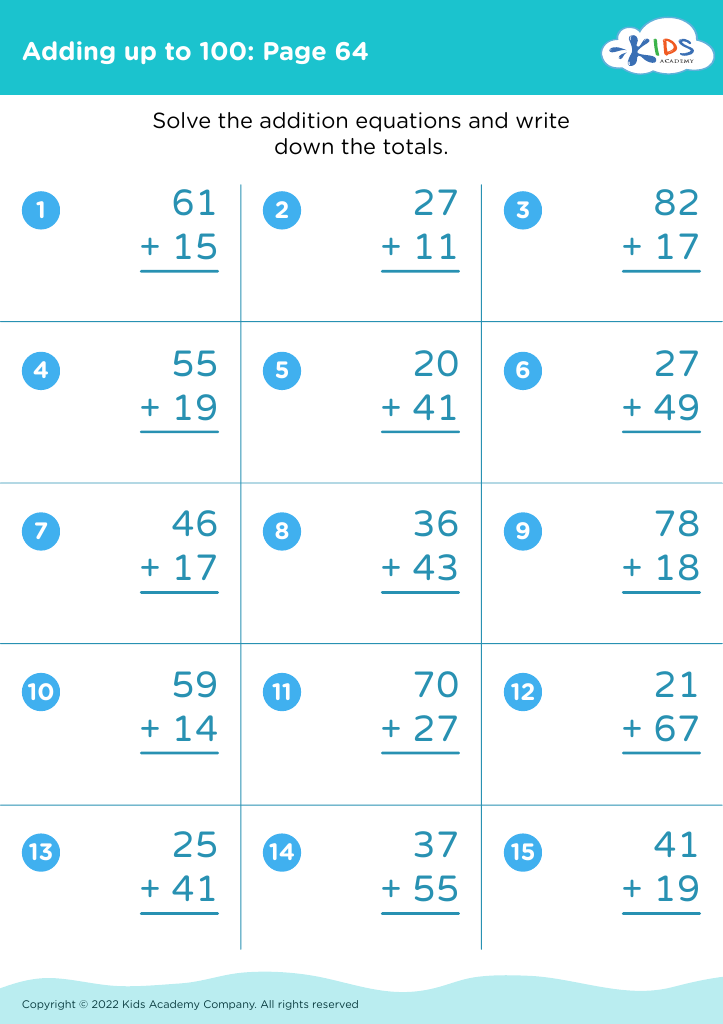
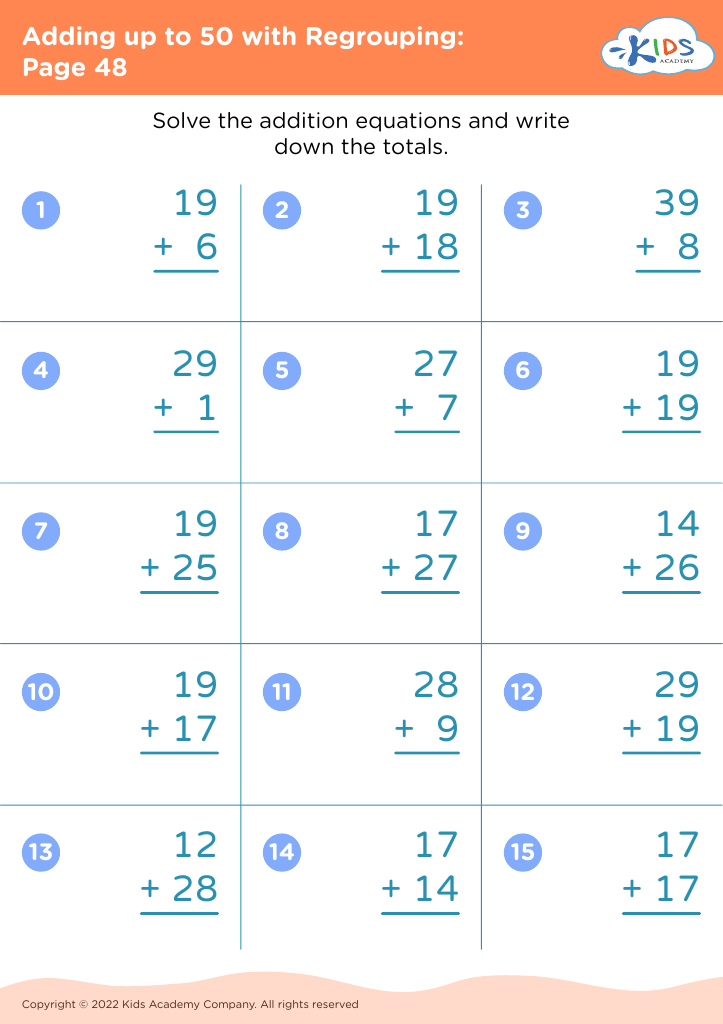
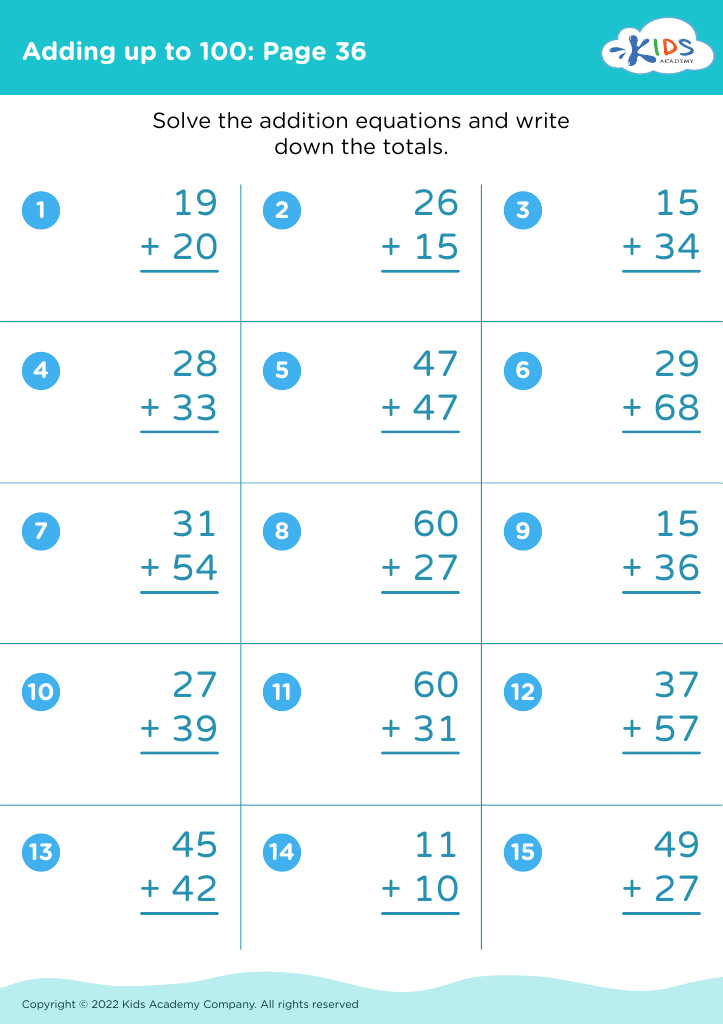
Explore our engaging Numerical Problem Solving Worksheets designed specifically for children aged 7-8! These interactive resources help young learners develop essential math skills while encouraging critical thinking and problem-solving abilities. Tailored to meet educational standards, our worksheets cover a range of topics, from basic addition and subtraction to more complex word problems. With vibrant illustrations and a variety of fun exercises, your child will enjoy practicing their math skills in an enjoyable and motivating way. Perfect for classroom activities or at-home learning, these worksheets are a fantastic tool for fostering confidence and proficiency in numerical problem solving. Start enhancing your child’s math journey today!
Favorites
With answer key
Interactive
Join Kids Academy for Free
Who is primarily going to use this learning content?







Numerical problem solving is a crucial skill for children aged 7-8, as it lays the foundation for their future academic success and everyday life. At this age, students begin to transition from concrete understanding to more abstract mathematical concepts. Engaging in problem-solving helps develop critical thinking, logical reasoning, and analytical skills that extend beyond mathematics.
Parents and teachers should care about this aspect of learning because problem solving fosters resilience and perseverance in children. When faced with challenges, students learn to explore multiple strategies, enhancing their ability to cope with setbacks and view problems as opportunities for growth. Furthermore, mathematical literacy is essential in an increasingly data-driven world. Children who excel in numerical problem-solving are more likely to perform well in higher-level math and related subjects.
Additionally, solving numerical problems promotes collaboration and communication skills when working with peers. Discussing strategies and solutions encourages a deeper understanding of the material. By supporting children in enhancing their numerical problem-solving abilities, parents and teachers are equipping them with the essential tools needed for academic success and real-world applications, ultimately preparing them to navigate complex situations throughout their lives.








