Discover our engaging Phonics Recognition Worksheets for children aged 7-8, designed to enhance reading and writing skills. These worksheets help students master phonetic sounds, blend words, and improve pronunciation through fun, interactive activities. Each exercise is crafted by educational experts to meet curriculum standards, ensuring your child gains confidence and fluency in reading. Perfect for both classroom and at-home learning, our worksheets offer a playful approach to phonics with colorful graphics and creative tasks. Give your child the tools they need to succeed in literacy with Kids Academy’s expertly designed phonics resources. Explore now!

Check out this FREE "Phonics recognition" Trial Lesson for age 7-8!

Identify Prefixes, Suffixes, and Base Words

Favorites
With answer key
Interactive
  • 7-8
  • Phonics recognition
Sight Words with Blends Worksheet

Sight Words with Blends Worksheet

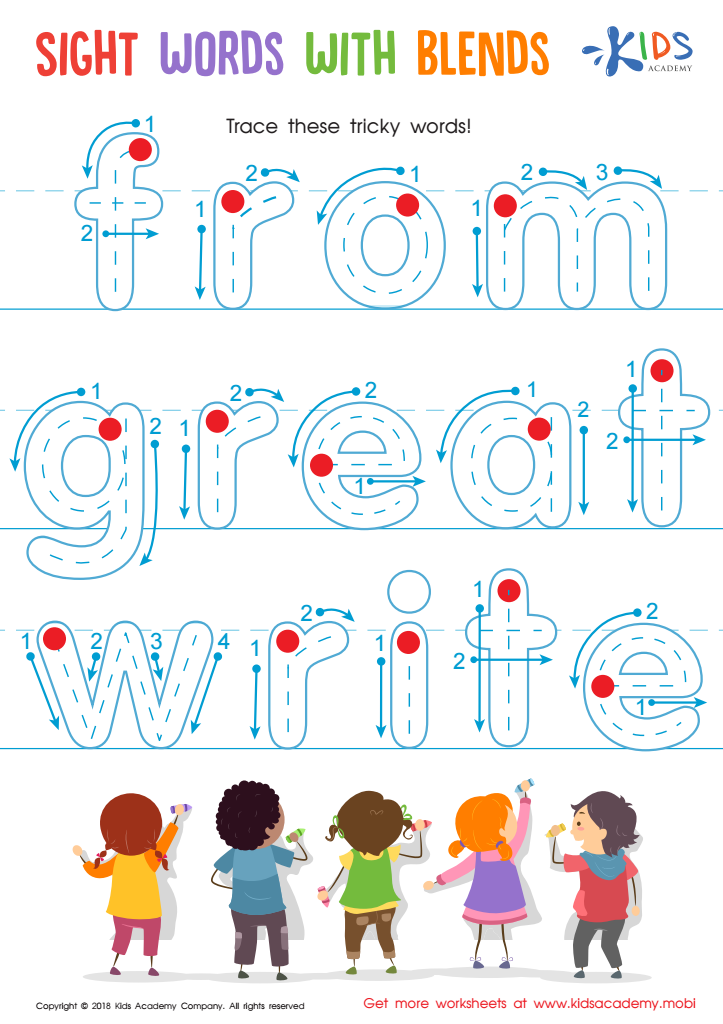
This free PDF lets your children trace and write sight words with tricky blends. The guide numbers help them start from the top, building fine motor skills and enhancing sight word vocab. It's a great way to give your kids a solid foundation for reading!
Sight Words with Blends Worksheet
Worksheet
Where Is the Digraph? Worksheet

Where Is the Digraph? Worksheet

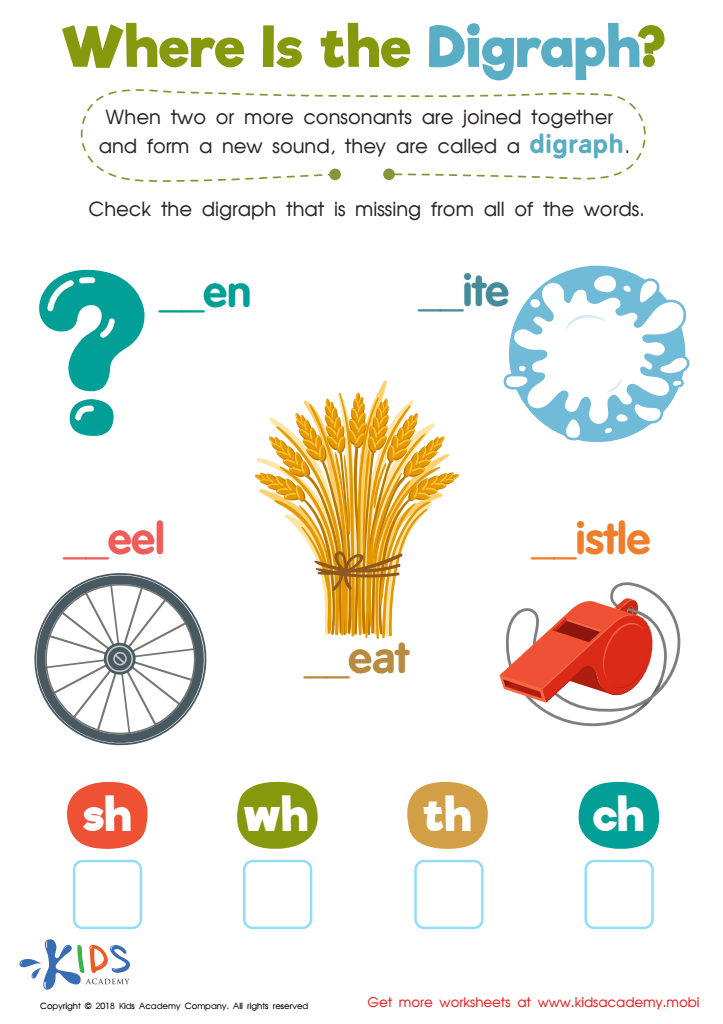
Teach your child about digraphs - two or more consonants that form one sound, like /wh/, /sh/, and /ch/. Show them words with these sounds and use this worksheet to help. Ask them which digraph is missing from the words and point out the pictures. 80 words.
Where Is the Digraph? Worksheet
Worksheet
Listen to the Sounds Worksheet

Listen to the Sounds Worksheet

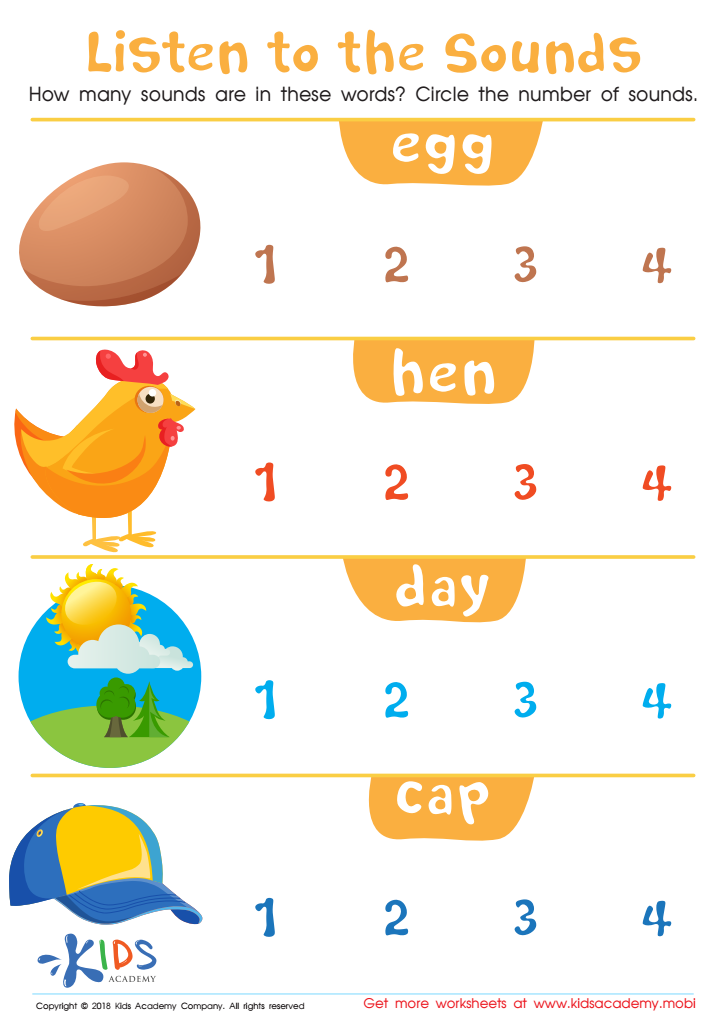
This worksheet builds emerging readers' skills in using sounds for reading and spelling. It helps strengthen auditory processing by having them count the sounds in each word, then trace the corresponding number. Fun and cheerful!
Listen to the Sounds Worksheet
Worksheet
Phonics and Word Recognition: Assessment 1 Worksheet

Phonics and Word Recognition: Assessment 1 Worksheet

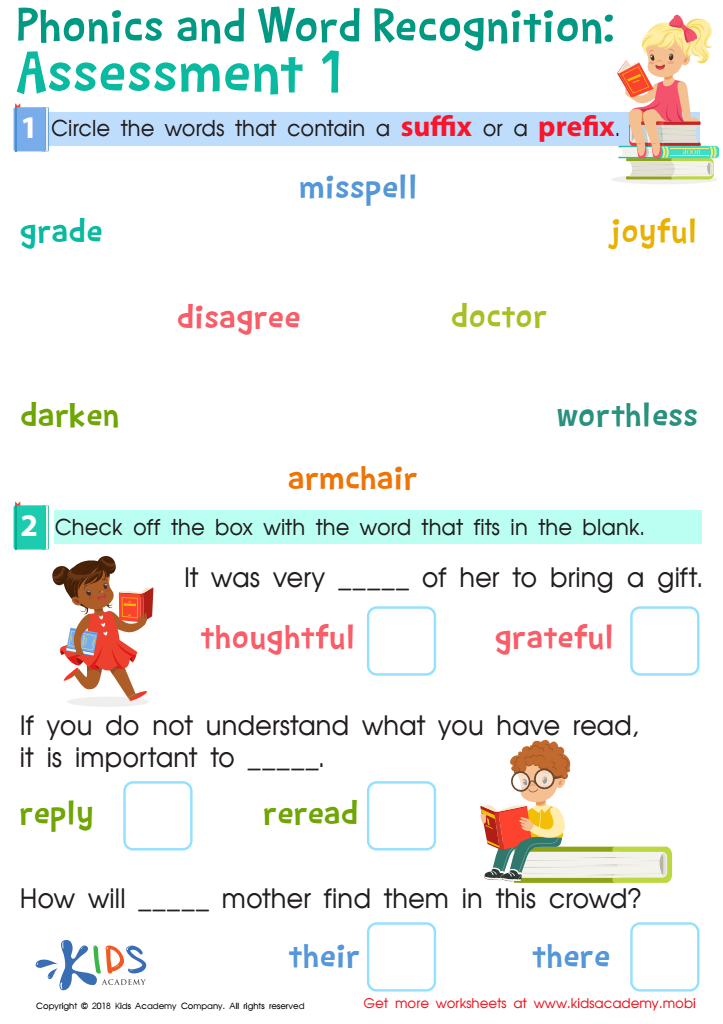
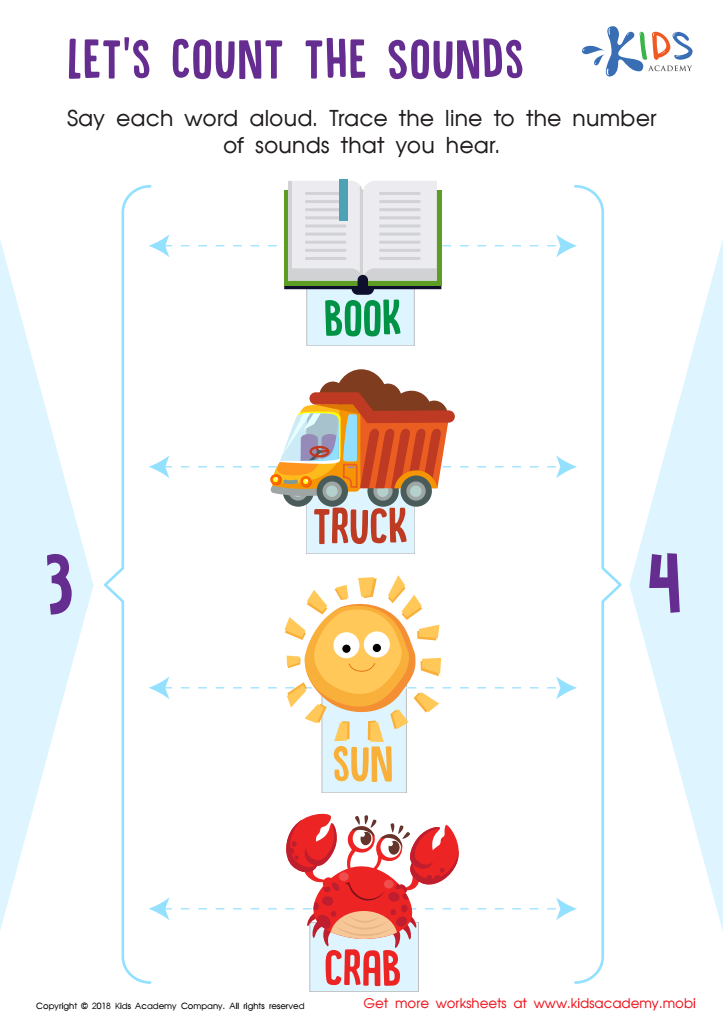
Explain prefixes (words added to start of another word to give it a new meaning) and suffixes (added to end of word to change its meaning) to your kids with examples like 'unhappy' (prefix) and 'forgetful' (suffix). Now, help your child complete this worksheet, including circling words and checking boxes.
Phonics and Word Recognition: Assessment 1 Worksheet
Worksheet
Let's Count the Sounds Worksheet

Let's Count the Sounds Worksheet

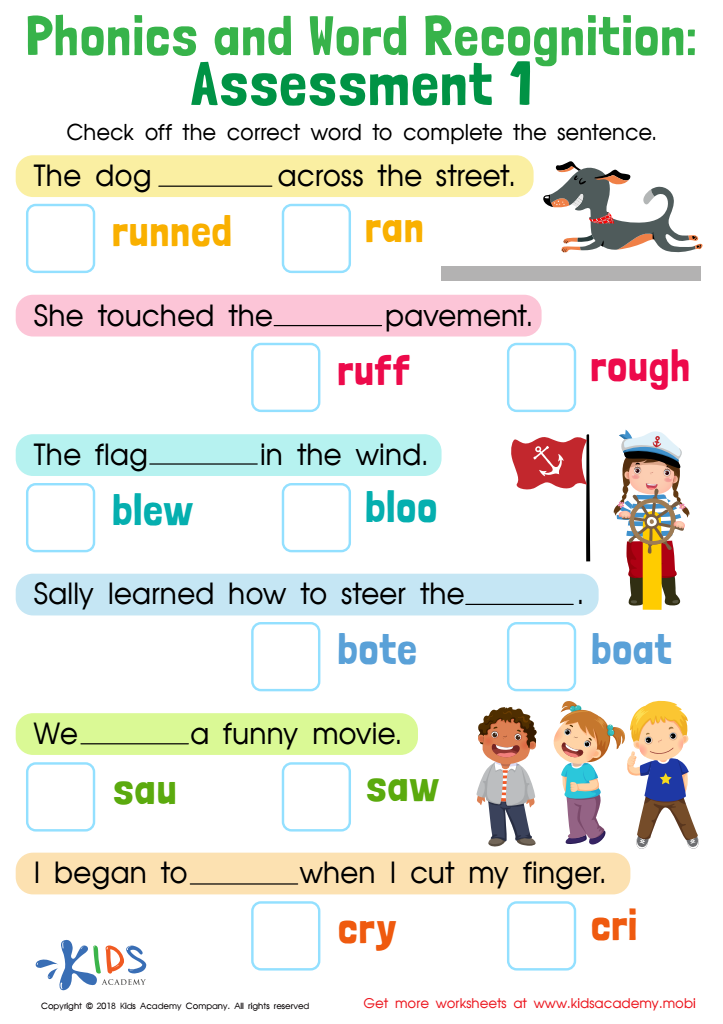
This bright and cheery traceable worksheet encourages children to practice auditory discrimination and phonological awareness. Using picture clues, they read each word and trace the line that represents the number of sounds heard. This builds decoding skills and helps them become successful readers.
Let's Count the Sounds Worksheet
Worksheet
Phonics and Word Recognition: Assessment 1 Worksheet

Phonics and Word Recognition: Assessment 1 Worksheet

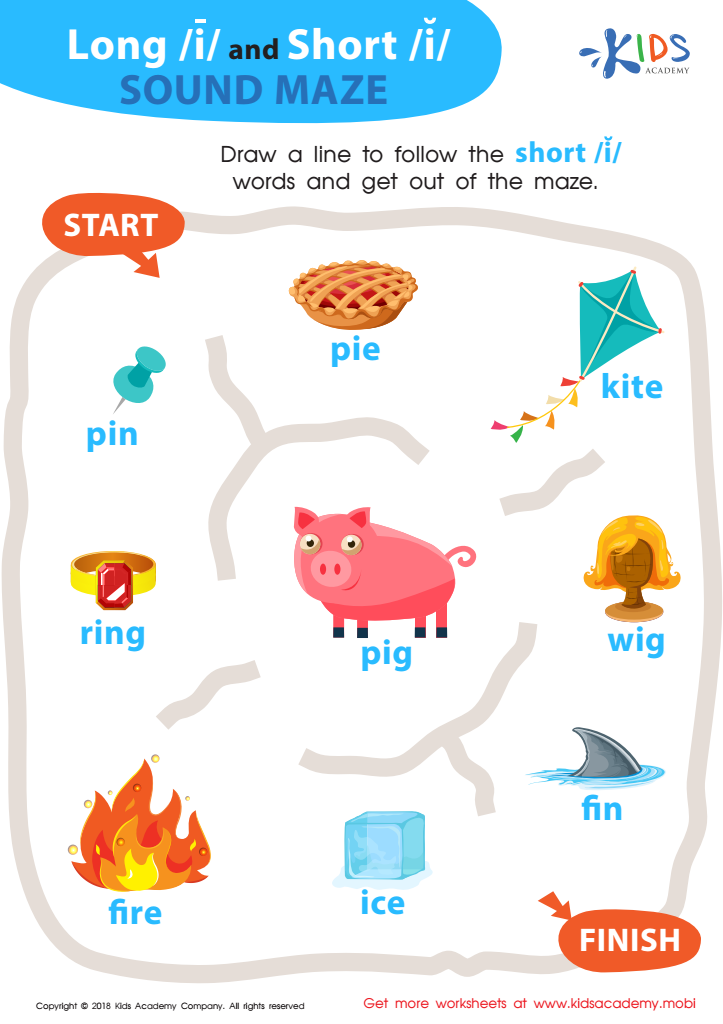
This worksheet tests phonetics and word recognition. Students should be familiar with past tense verbs. Read incomplete sentences, then read multiple options and help students select the correct one.
Phonics and Word Recognition: Assessment 1 Worksheet
Worksheet
Reading: Long I and Short I Sound Maze Worksheet

Reading: Long I and Short I Sound Maze Worksheet

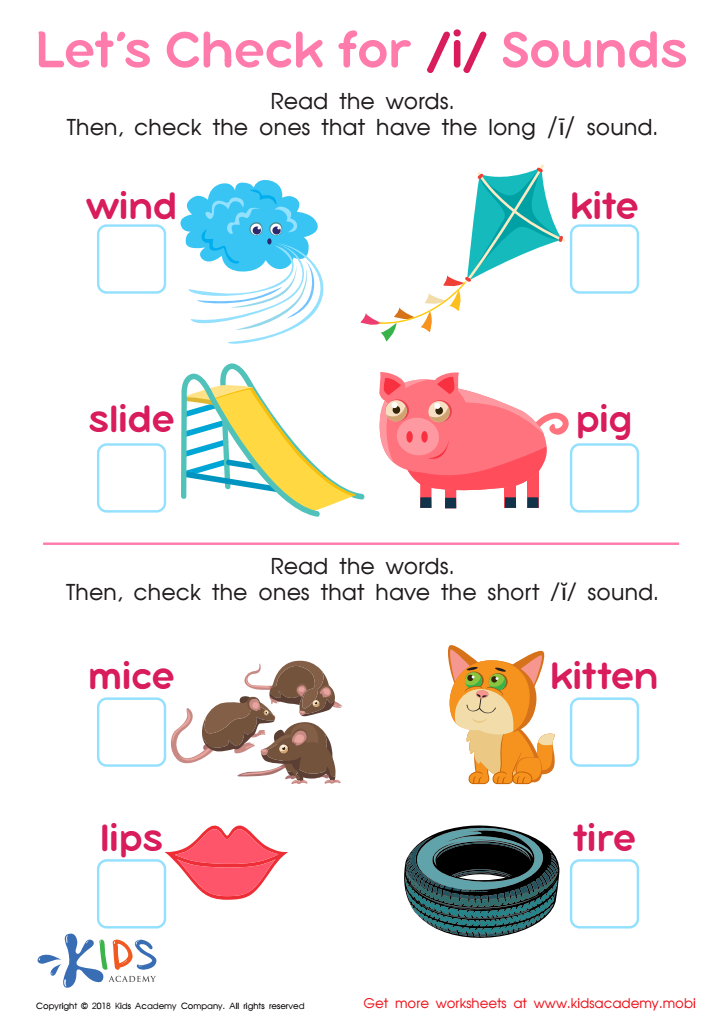
Question your students if the worksheet is entertaining. They may respond negatively! Nonetheless, this activity will bring satisfaction while learning the distinction between a long and short I sound. Students read the words in the maze and only follow the words with the short I sound to finish the exercise. Grasping the difference between long and short vowels is demanding, but this worksheet helps students understand this reading skill.
Reading: Long I and Short I Sound Maze Worksheet
Worksheet
Let's Check for «i» Sounds Worksheet

Let's Check for «i» Sounds Worksheet

This fun worksheet with pictures boosts phonics skills - differentiating between long «ī» and short «i» sounds in 1- and 2-syllable words. Kids use picture clues to read words, then check off the correct ones. It's a great way for new readers to practice early reading skills and find success on their own.
Let's Check for «i» Sounds Worksheet
Worksheet
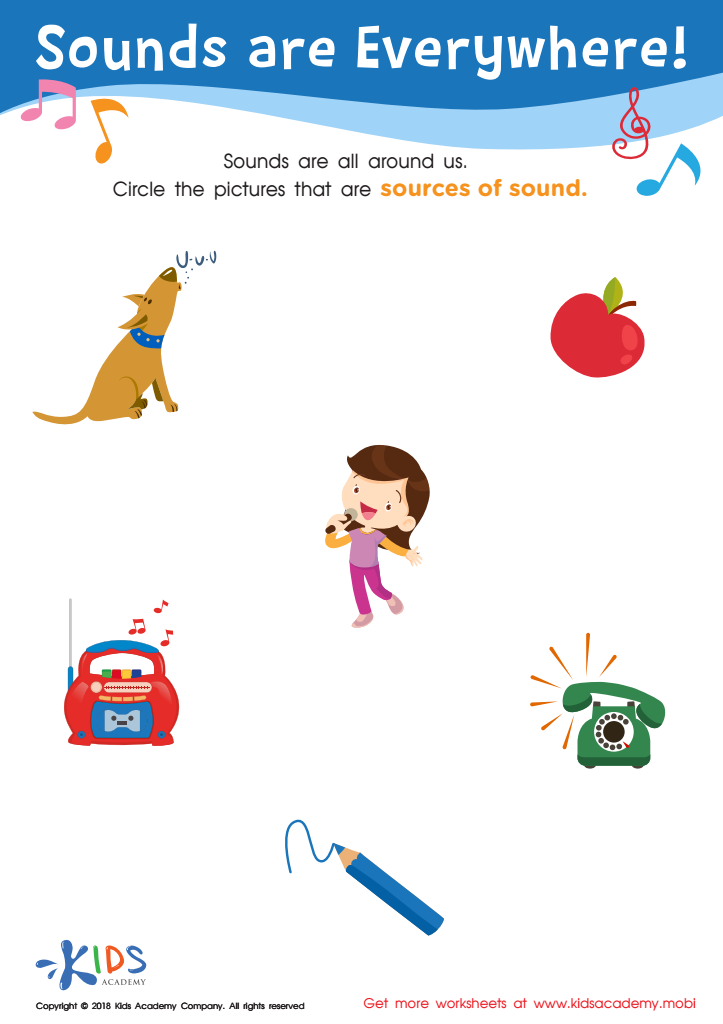
Sounds Are Everywhere! Worksheet

Sounds Are Everywhere! Worksheet

Ask your students to recall objects that make sound. Then, help them identify the sources of sound in the pictures of this worksheet.
Sounds Are Everywhere! Worksheet
Worksheet
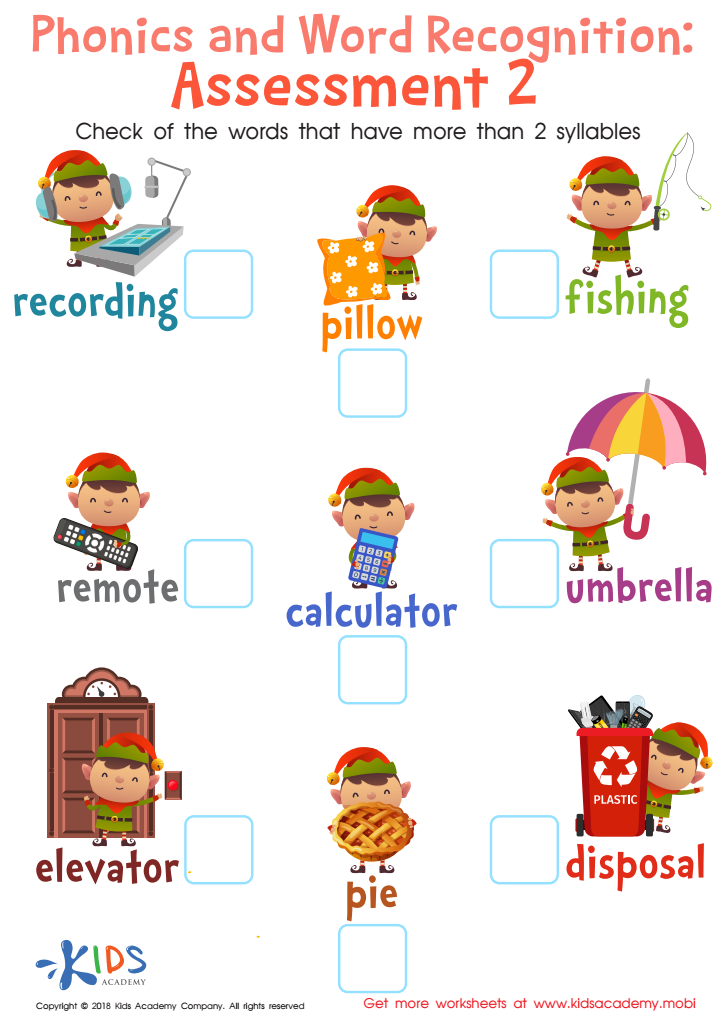
Phonics and Word Recognition: Assessment 2 Worksheet
Phonics and Word Recognition: Assessment 2 Worksheet

Help your kids learn proper pronunciation by counting syllables. Most words they'll encounter have 1-3 syllables, making them simple to say. Have them repeat the words in your worksheet after you. Focus on longer words with more than two syllables.
Phonics and Word Recognition: Assessment 2 Worksheet
Worksheet
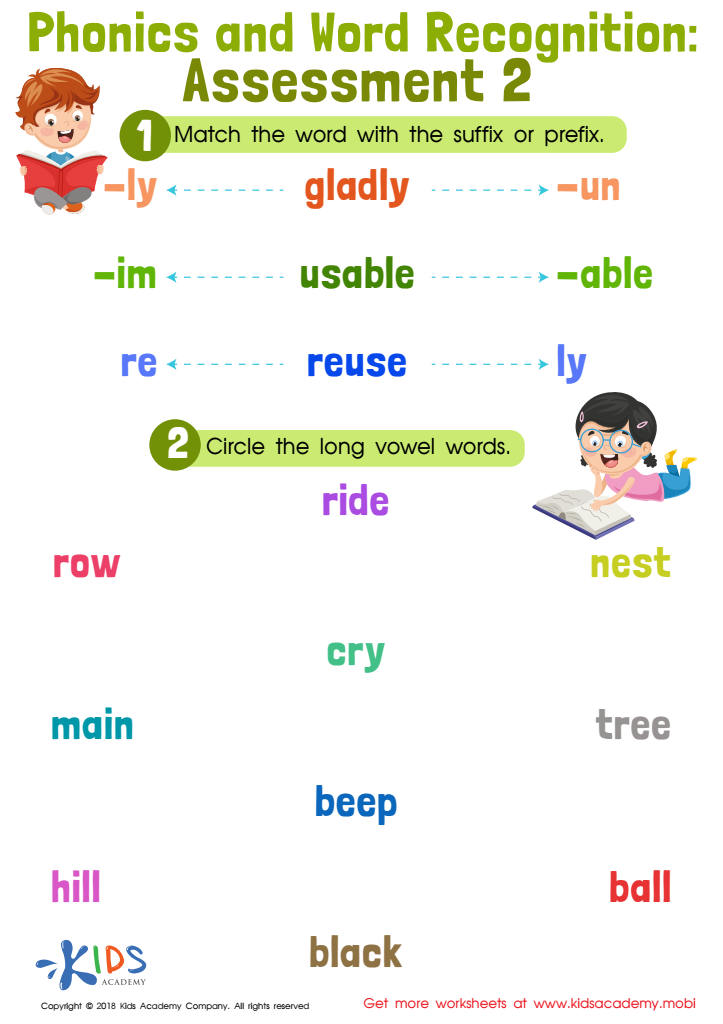
Phonics and Word Recognition: Assessment 2

Phonics and Word Recognition: Assessment 2

Give kids common examples of suffixes and prefixes, such as "un-," "unhappy," "ness," "happyness." Ask them to match each word in the word recognition exercise to the correct suffix or prefix. Test phonetic understanding by having them circle the long vowel sounds.
Phonics and Word Recognition: Assessment 2
Worksheet
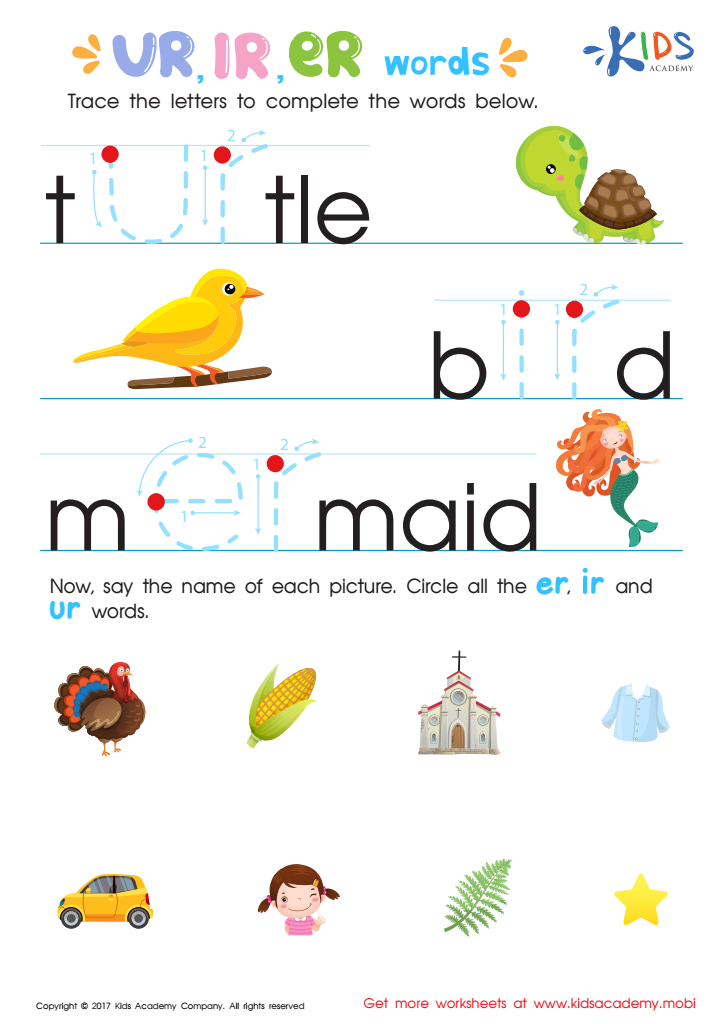
Ir ur er words worksheet

IR UR ER Words Worksheet

Trouble spelling words with the same initial vowel sound? Our worksheet is here to help! With its exercises to help your child learn to read and spell turtle, bird, and mermaid, it'll make differentiating these tricky digraphs a snap.
IR UR ER Words Worksheet
Worksheet


Phonics recognition is crucial for children aged 7-8 because it lays the foundational skills necessary for reading proficiency. At this developmental stage, children transition from learning to read to reading to learn. Phonics offers a systematic approach to understanding the relationship between letters and sounds, which is essential for decoding words.

When parents and teachers emphasize phonics recognition, children build strong word attack skills, allowing them to decipher unfamiliar words independently. This boosts their reading fluency, making reading less of a struggle and more enjoyable. As children become more fluent readers, their comprehension improves, enabling them to grasp more complex texts and concepts.

Moreover, a solid understanding of phonics supports spelling accuracy, which is crucial for writing skills. Alongside expanding their vocabulary, phonics knowledge helps in improving overall literacy, critical thinking, and communication skills.

Neglecting phonics education can lead to reading difficulties, which can affect a child's confidence, academic performance, and long-term educational outcomes. Therefore, investing time and resources in phonics instruction for children aged 7-8 equips them not only for immediate academic success but also for lifelong learning and literacy skills.