Practical application Worksheets for Ages 7-8
7 filtered results
-
From - To
Discover our Practical Application Worksheets for Ages 7-8, designed to enhance critical thinking and real-world problem-solving skills. Tailored for early learners, these worksheets cover engaging activities that relate to everyday scenarios, helping children apply their knowledge in practical situations. Our resources support various subjects, including math, literacy, and science, ensuring a comprehensive approach to learning. Each worksheet encourages creativity and independent thinking, making learning both fun and effective. Perfect for home or classroom use, our printable worksheets provide invaluable tools for young learners to connect classroom knowledge with real-life application, fostering confidence and curiosity as they explore the world around them!
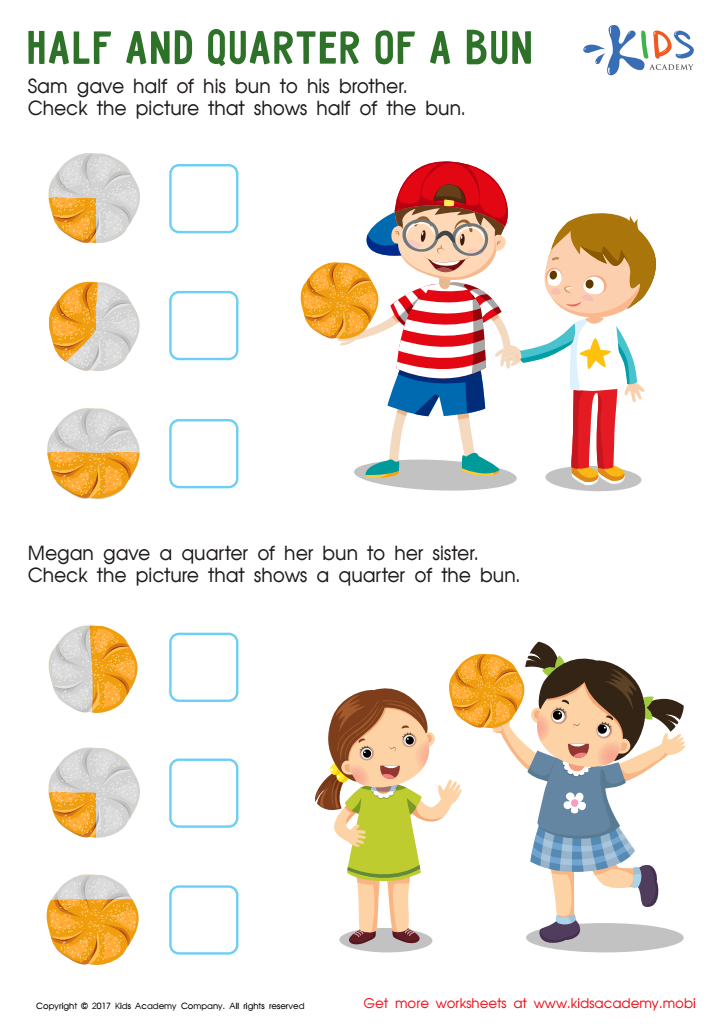
Half and Quarter of a Bun Worksheet
 Assign to My Students
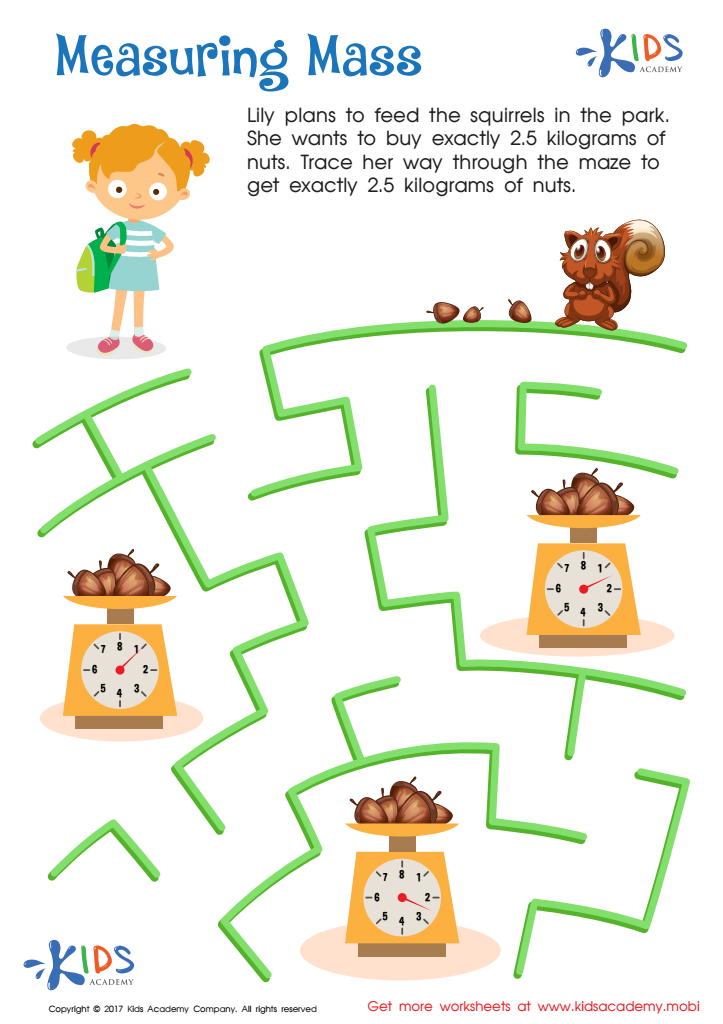
Measuring Mass Worksheet
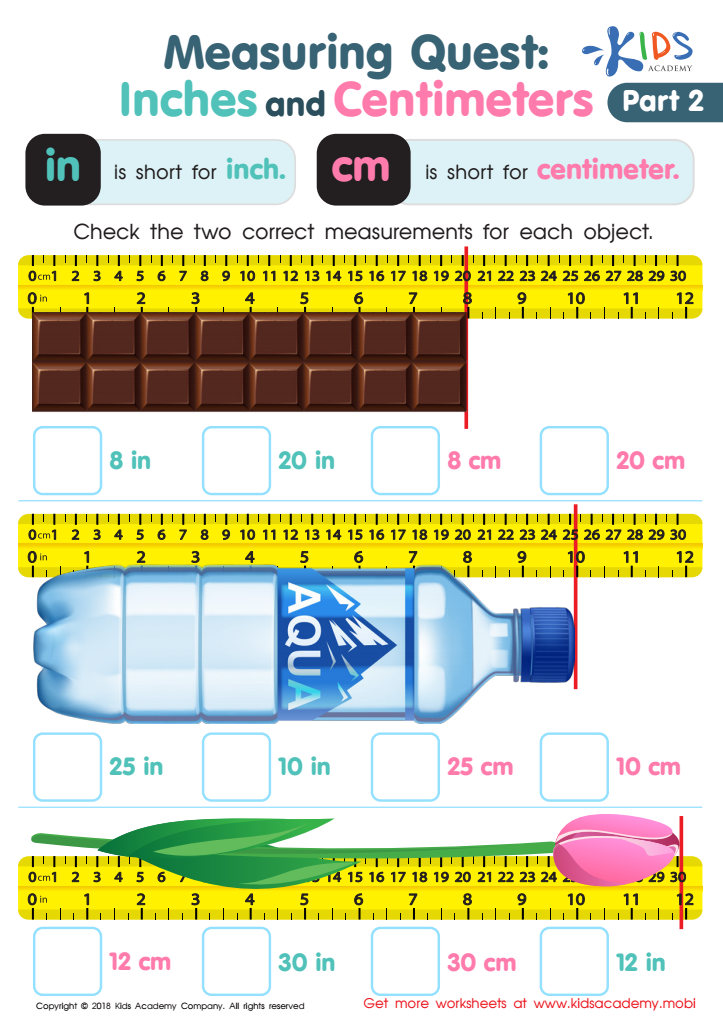
Measuring Quest: Inches and Centimeters - Part 2 Worksheet
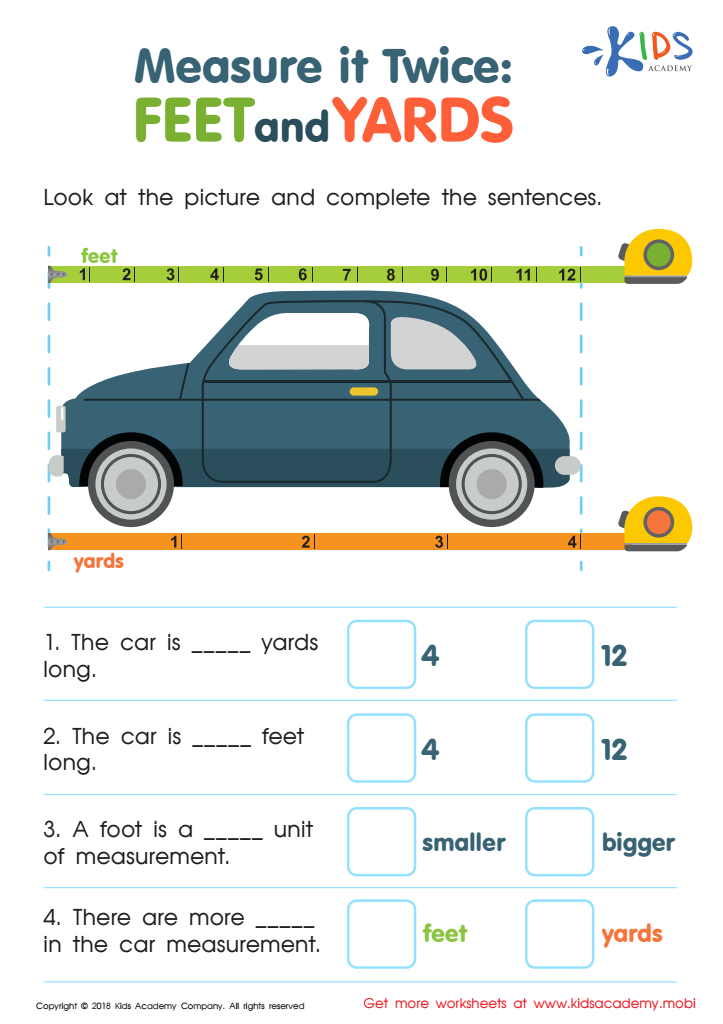
Measure It Twice: Feet and Yards Worksheet
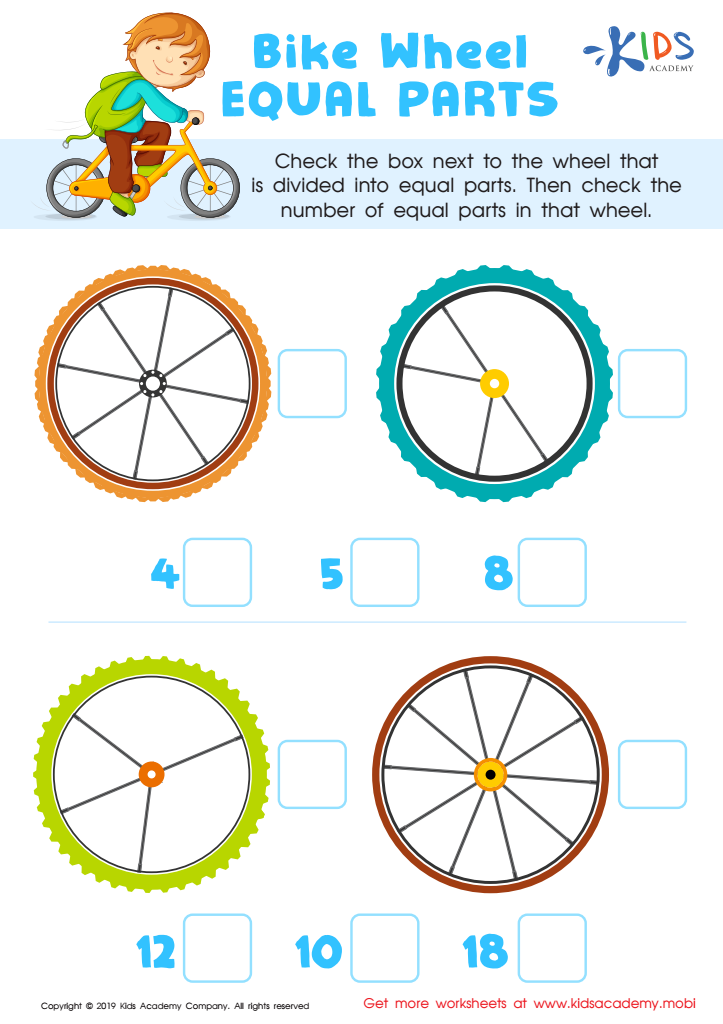
Bike Wheel Equal Parts Worksheet
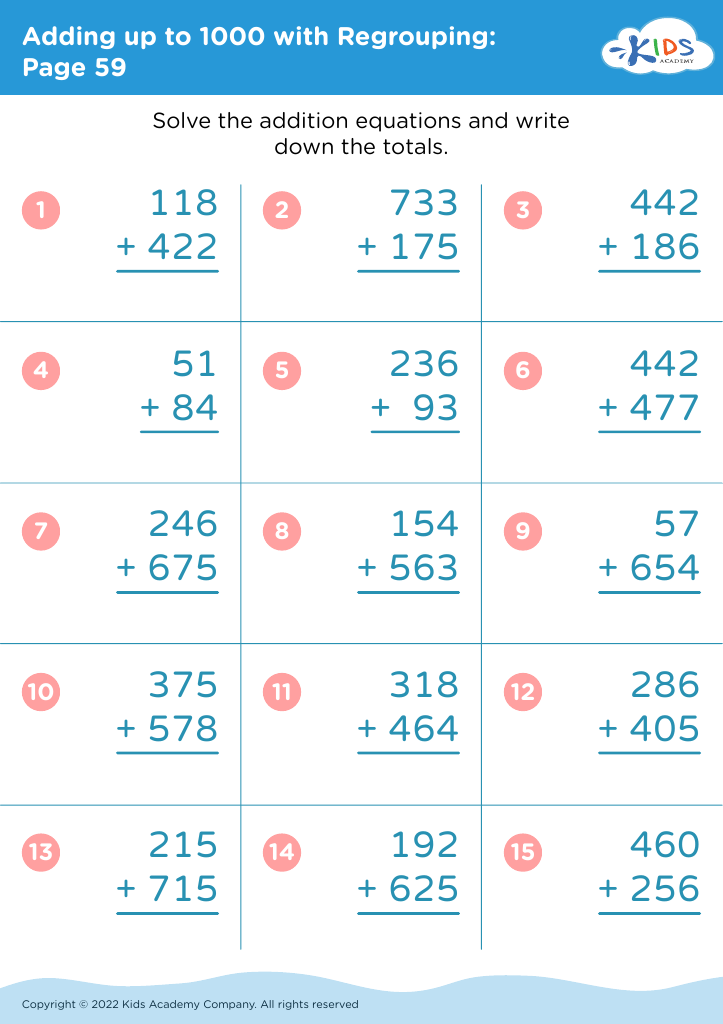
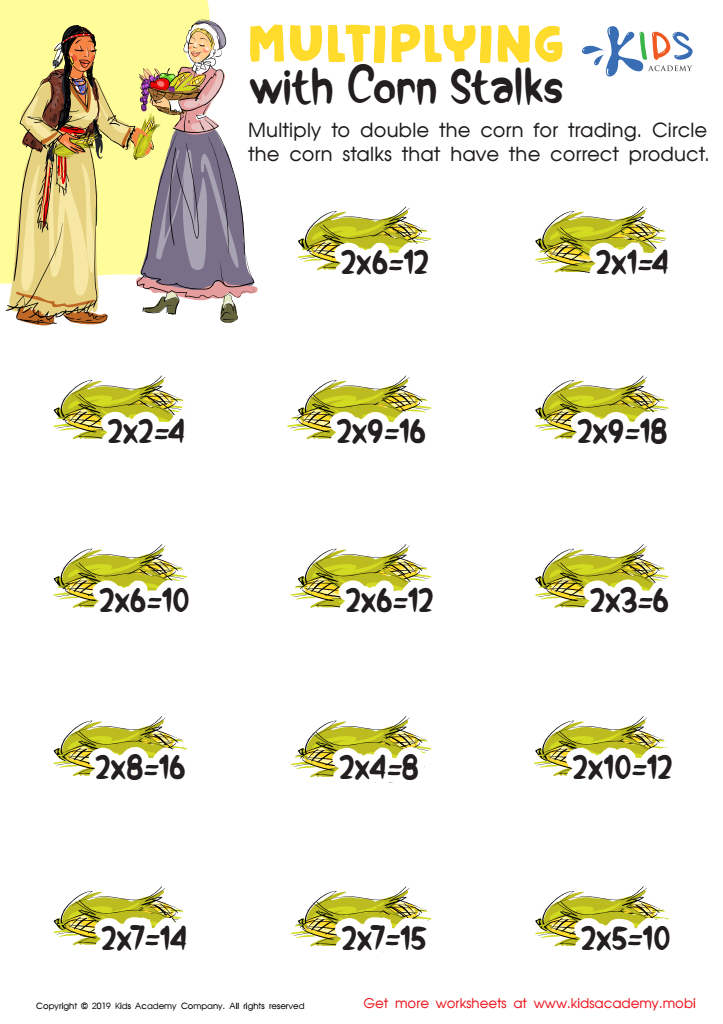
Multiplying With Corn Stalks Worksheet



.jpg)


Practical application for children aged 7-8 is vital in reinforcing their learning and cognitive development. At this age, children transition from simply absorbing information to understanding and applying concepts in real-life contexts. Engaging in hands-on activities allows them to connect theoretical knowledge with practical experience, fostering deeper comprehension.
For parents and teachers, creating opportunities for practical application can boost children’s problem-solving skills, creativity, and critical thinking. Activities such as science experiments, cooking, gardening, or even simple household projects offer a fun way for children to learn about measurements, science principles, and teamwork.
Additionally, practical application encourages children to take ownership of their learning, increasing their engagement and motivation. It helps cultivate a sense of accomplishment and boosts self-esteem when they successfully apply what they have learned.
Furthermore, integrating practical experiences into daily learning helps children retain information better. They’re more likely to remember things they have done, rather than concepts learned solely from textbooks. Overall, focusing on practical application is essential for developing lifelong skills, nurturing curiosity, and preparing children for future academic success and everyday challenges.








