Reading analog clocks Worksheets for Ages 7-8
9 filtered results
-
From - To
Enhance your 7-8-year-olds' time-telling abilities with our engaging "Reading Analog Clocks" worksheets! Designed to build crucial skills, these activities help children confidently read and interpret various analog clock times. Each worksheet offers fun, interactive exercises tailored for young learners, ensuring they comprehend time fully. Perfect for both classroom and home use, our printables facilitate easy understanding of hours and minutes while providing ample practice opportunities. Set a strong foundation for time management and punctuality with these effective resources. Boost your child’s learning with Kids Academy’s carefully crafted worksheets today!
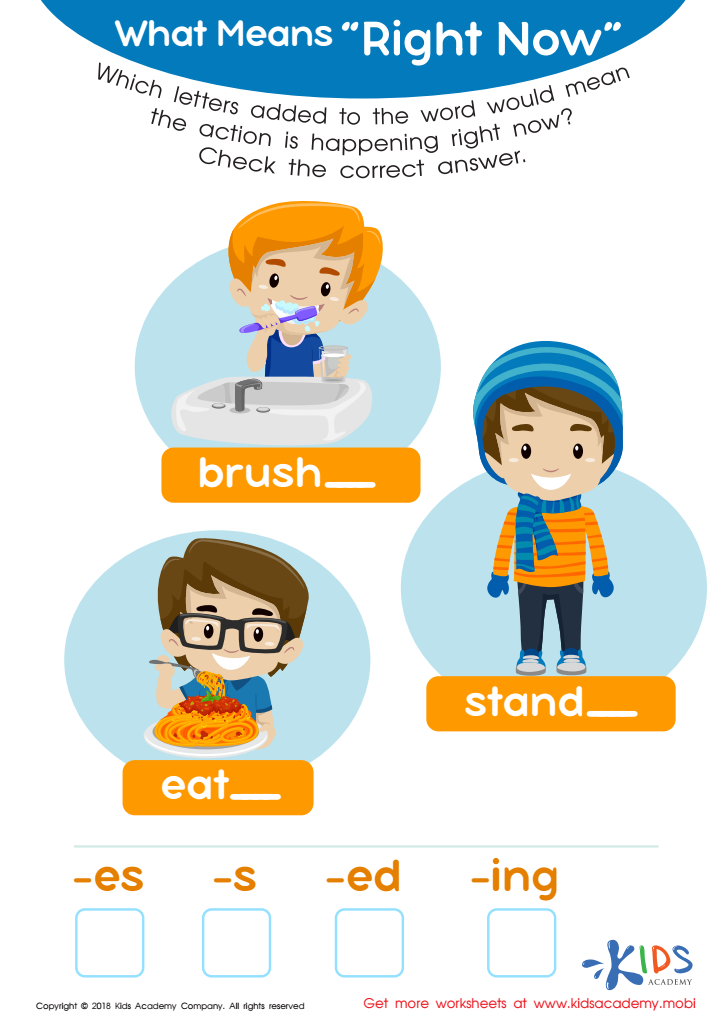
What Means "Right Now" Worksheet
 Assign to My Students
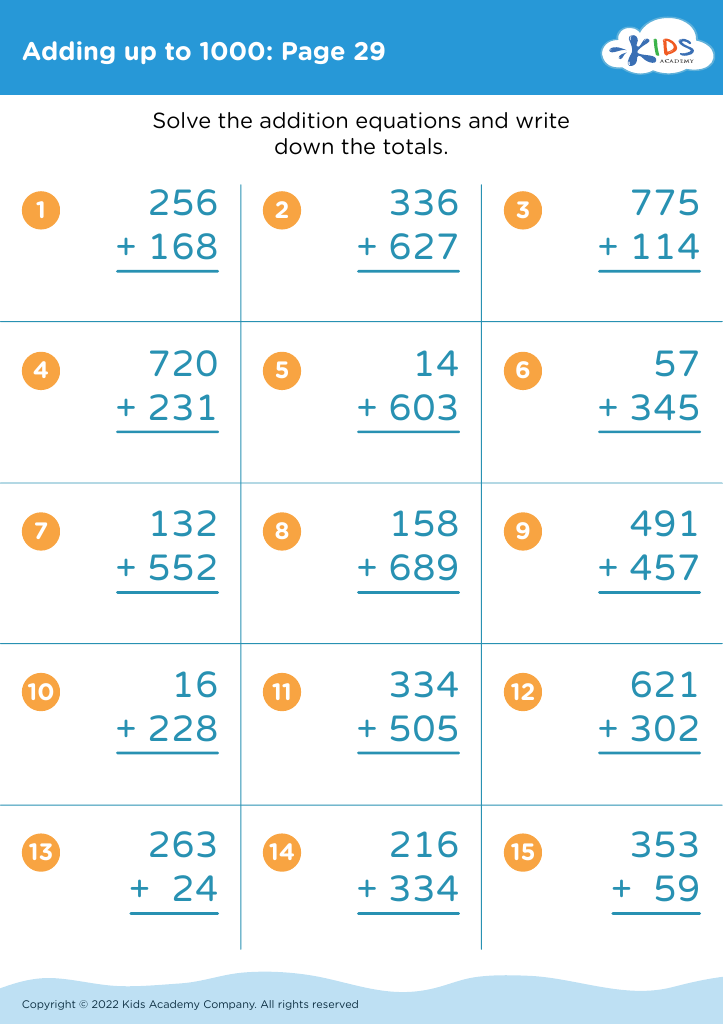
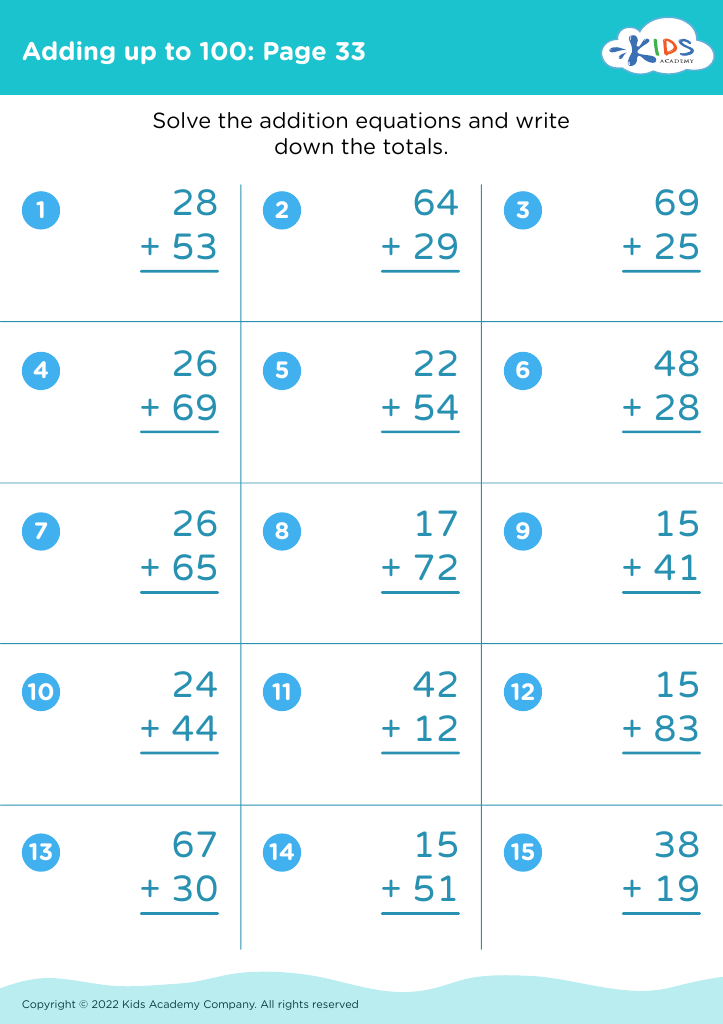
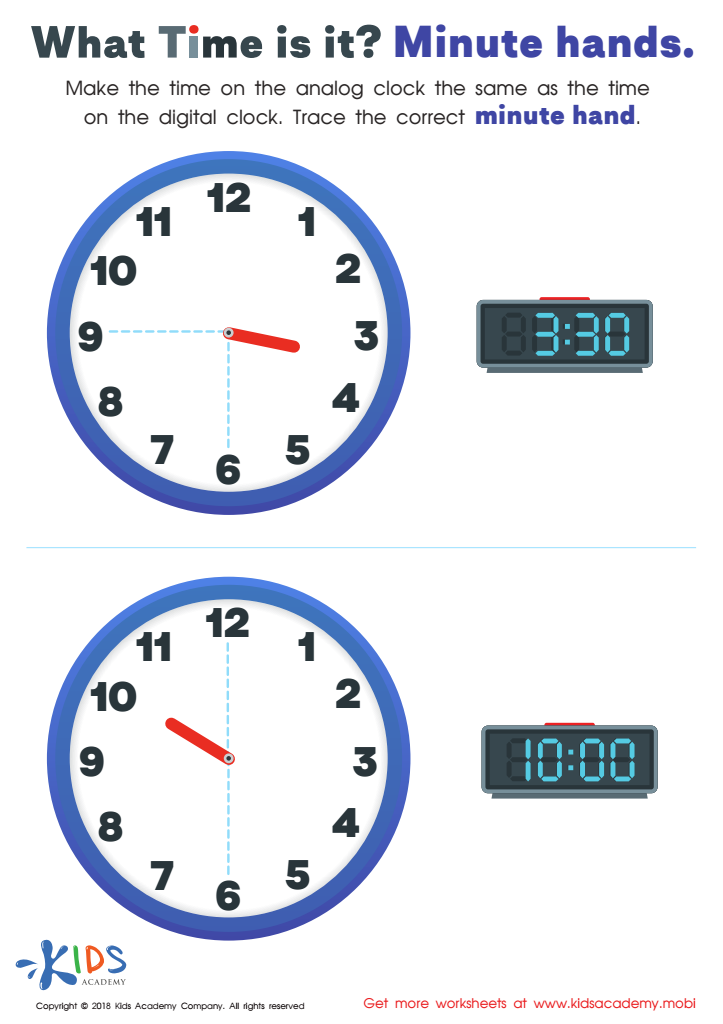
What Time Is it? Minute Hands Worksheet
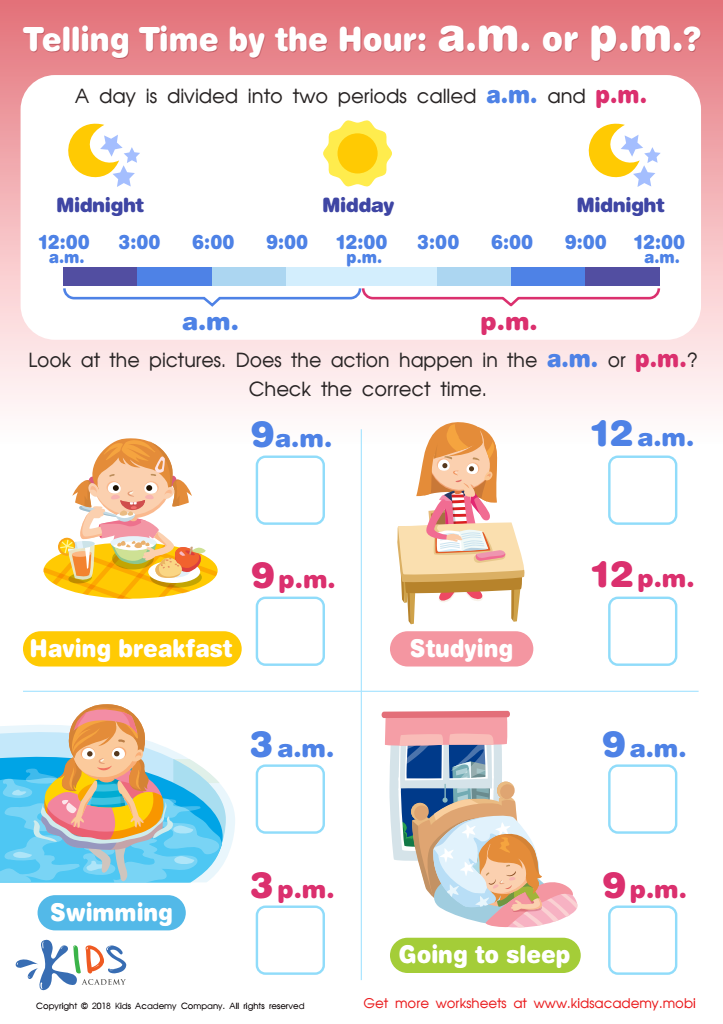
Tilling Time by the Hour: a.m. or p.m.? Worksheet
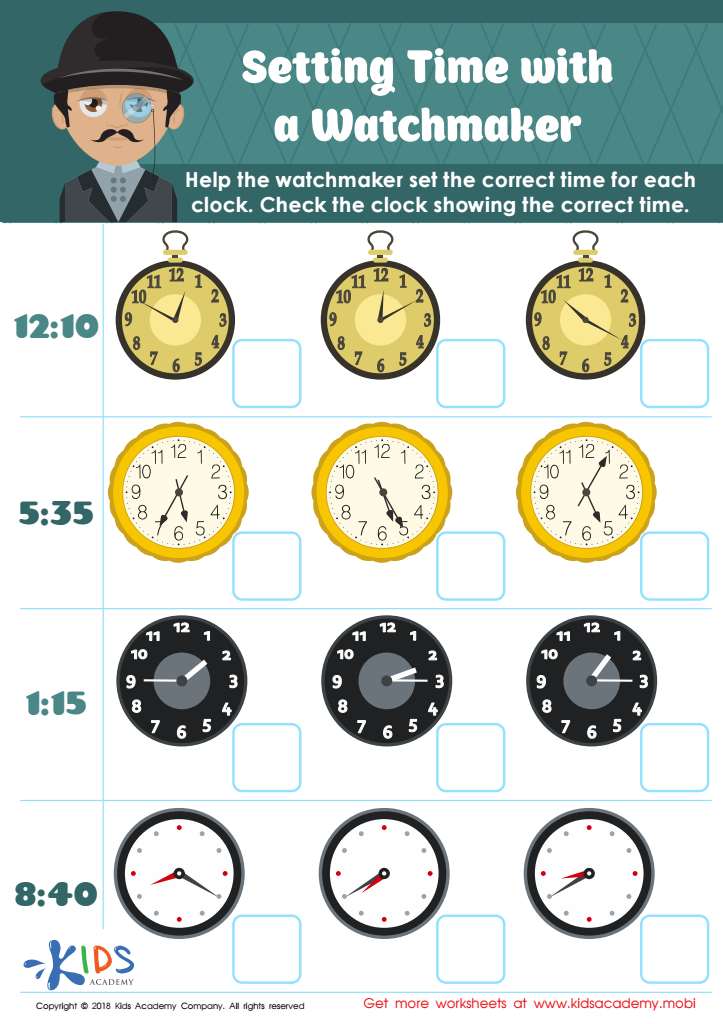
Setting Time with Watchmaker Worksheet
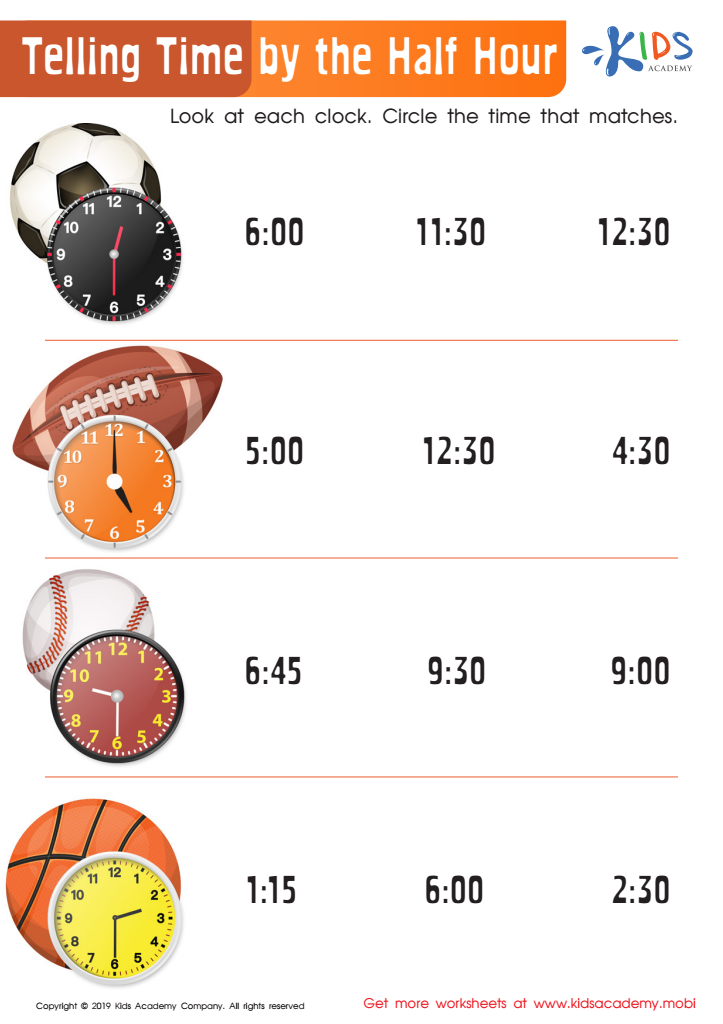
Telling Time by the Half Hour Worksheet







Teaching children to read analog clocks at ages 7-8 is crucial for their development for several reasons. Firstly, it reinforces mathematical skills. Reading the numbers, understanding half-past or quarter-hour increments, and differentiating between the minute and hour hands improve overall numeracy. Being able to tell time is a daily life skill that fosters independence and responsibility. Children learn to manage their time better, which is essential for tasks such as getting ready for school, understanding meal times, and ensuring timely participation in activities.
Furthermore, reading analog clocks helps sharpen cognitive skills. It encourages children to understand the flow of time and the connections between different aspects of their day. This reduces dependency on digital devices, which display time at a glance without the interpretative engagement that analog clocks require.
Analog clocks cultivate a better understanding of the concept of time, enhancing a child's ability to grasp past, present, and future events in a more tangible way. For parents and teachers, this means cultivating children who can plan, prioritize, and adhere to schedules. Implementing this basic, yet essential life skill promotes a foundation of punctuality, structure, and self-discipline that supports lifelong learning and personal growth.








