Recognizing equivalent fractions Worksheets for Ages 7-8
5 filtered results
-
From - To
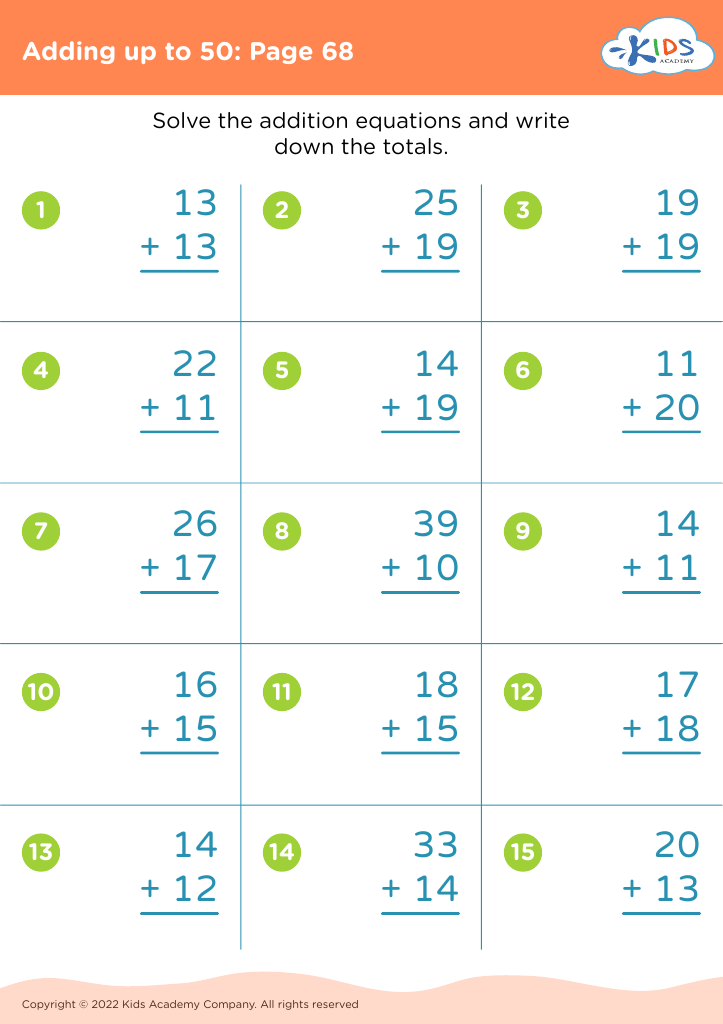
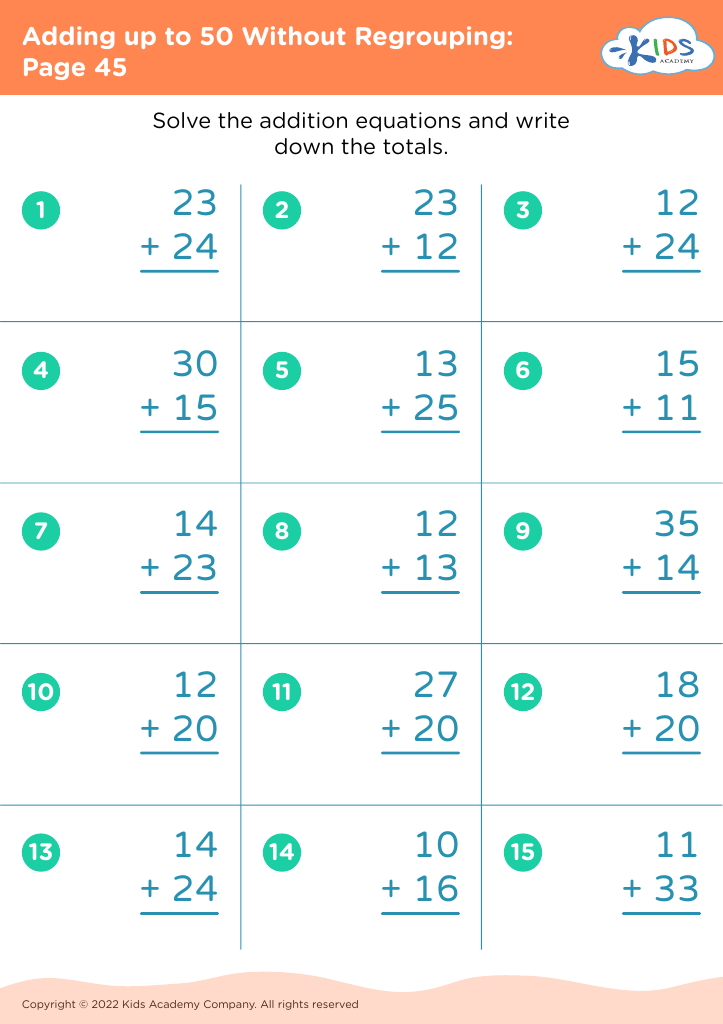
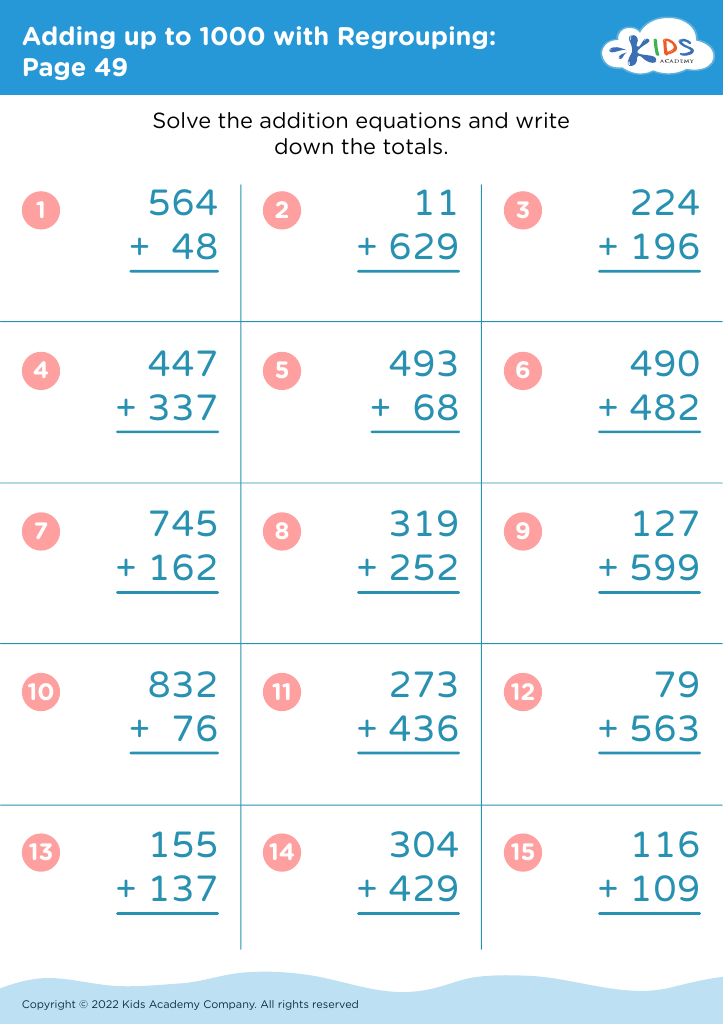
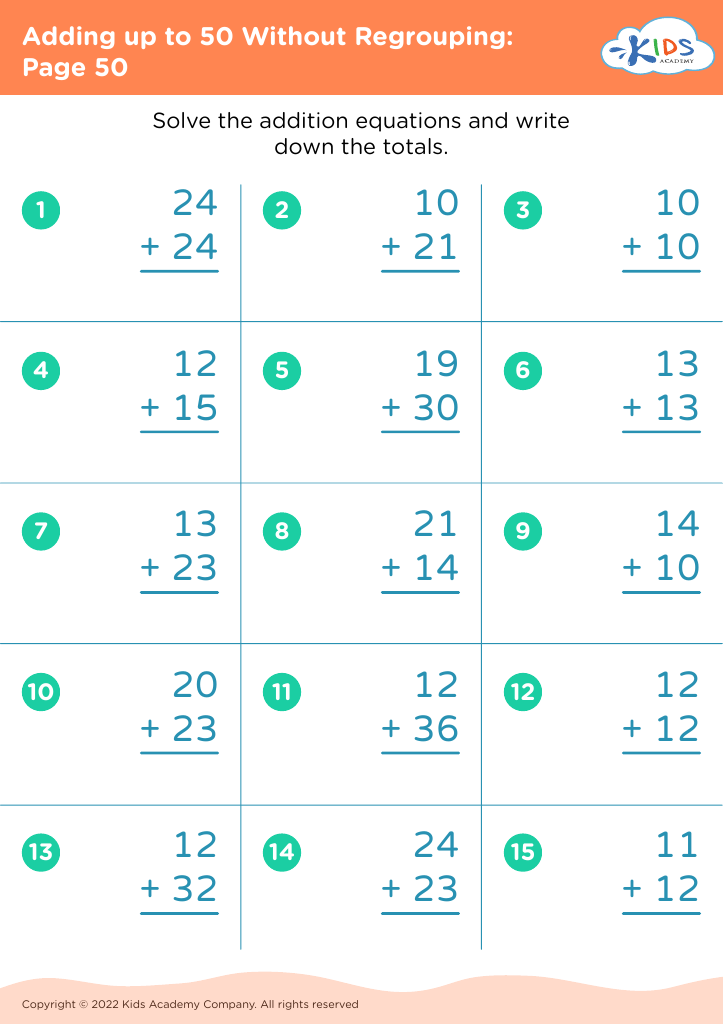
Explore our engaging “Recognizing Equivalent Fractions Worksheets” designed specifically for children aged 7-8. These colorful and interactive worksheets help young learners grasp the concept of equivalent fractions through fun activities and visual aids. Each worksheet encourages critical thinking and boosts confidence in mathematical skills. Students will practice identifying and generating equivalent fractions, enhancing their understanding of fractions as they progress through playful exercises. Perfect for home or classroom use, these resources provide essential practice to make learning enjoyable. Visit us for a collection of worksheets that align with educational standards and support learners in mastering equivalent fractions with ease!







Recognizing equivalent fractions is a foundational math skill that significantly impacts a child's understanding of more advanced mathematical concepts. For children aged 7-8, mastering this concept helps them develop a strong number sense and enhances their problem-solving skills. When parents and teachers prioritize this understanding, they enable children to grasp the idea that different fractions can represent the same value, fostering mathematical flexibility.
Learning about equivalent fractions reinforces critical thinking and helps students make connections between numbers and their representations. This skill not only supports future topics like fractions, ratios, and decimals but also builds confidence in approaching complex mathematical problems. As children learn to recognize and generate equivalent fractions, they become more adept at comparing fractions, which is vital in everyday decision-making situations such as cooking or budgeting.
Moreover, engaging with equivalent fractions can make math more relatable and fun through hands-on activities and visual aids like fraction kits and pie charts. When adults value and support this aspect of learning, they help set the groundwork for a positive relationship with math, ultimately encouraging a lifelong appreciation for the subject. Understanding fractions also lays a crucial foundation for future academic success in various disciplines, particularly in science and engineering.








