Tracing practice Worksheets for Ages 7-8
3 filtered results
-
From - To
Boost your child's handwriting skills with our Tracing Practice Worksheets specifically designed for ages 7-8! These engaging worksheets provide a fun and interactive way for young learners to master letter and number formation while enhancing their fine motor skills. Each worksheet features a variety of tracing activities from letters, numbers, shapes, and even simple words, making it easy to incorporate learning into everyday play. Perfect for parents and teachers alike, these printable resources support early literacy and help children gain confidence in their writing abilities. Download and print today to watch your child's skills flourish!
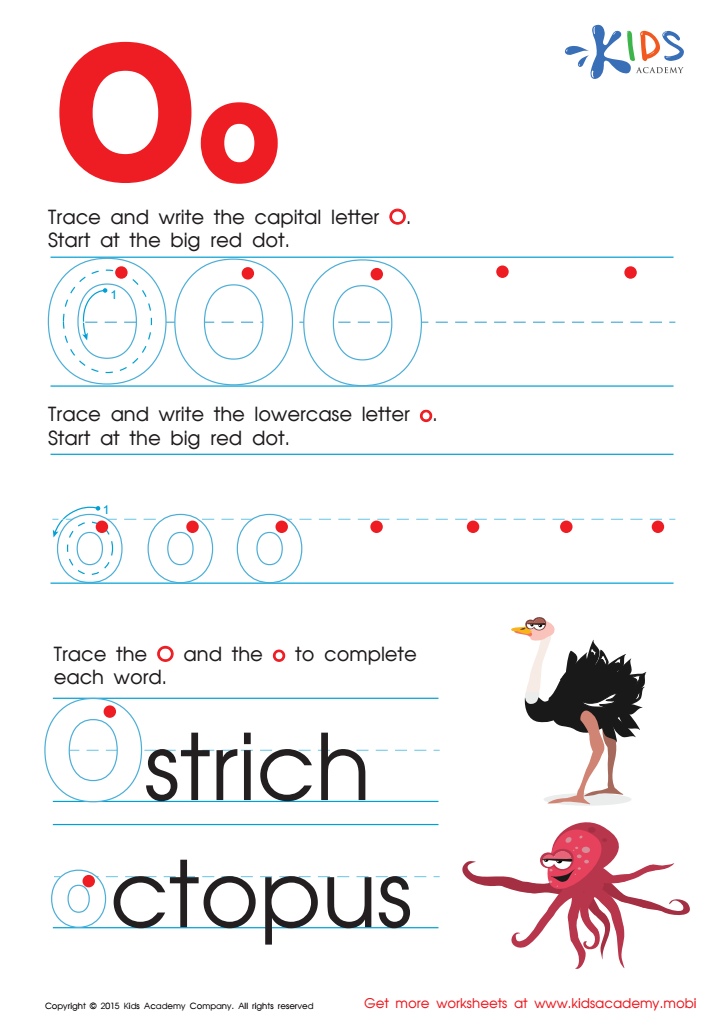
Letter O Tracing Page
 Assign to My Students
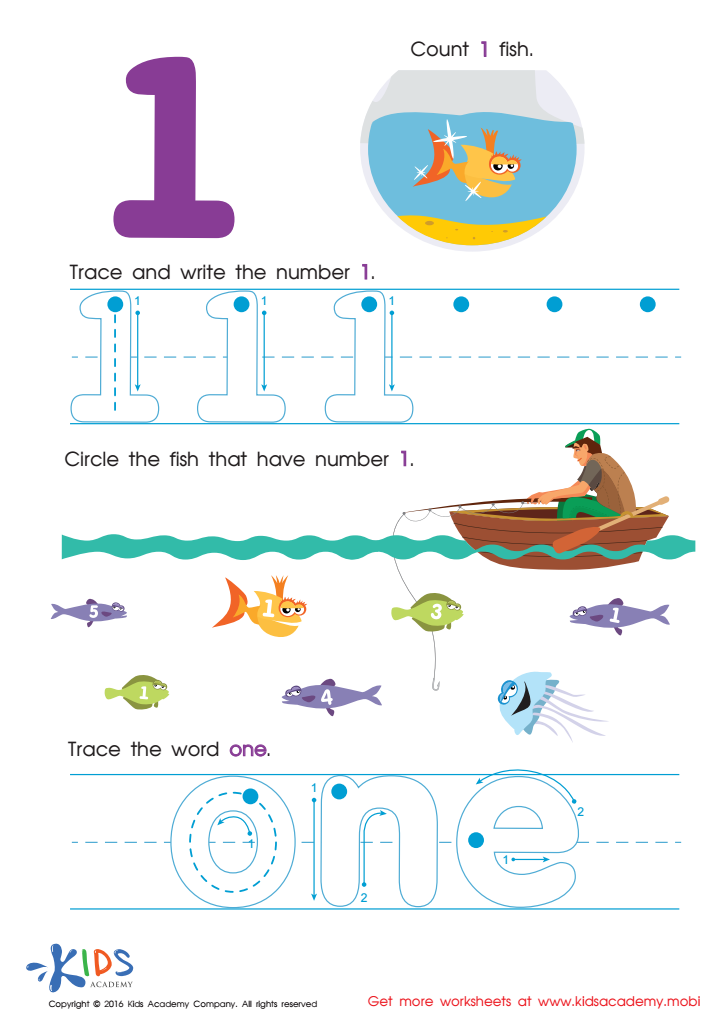
Learning to Write 1 Worksheet
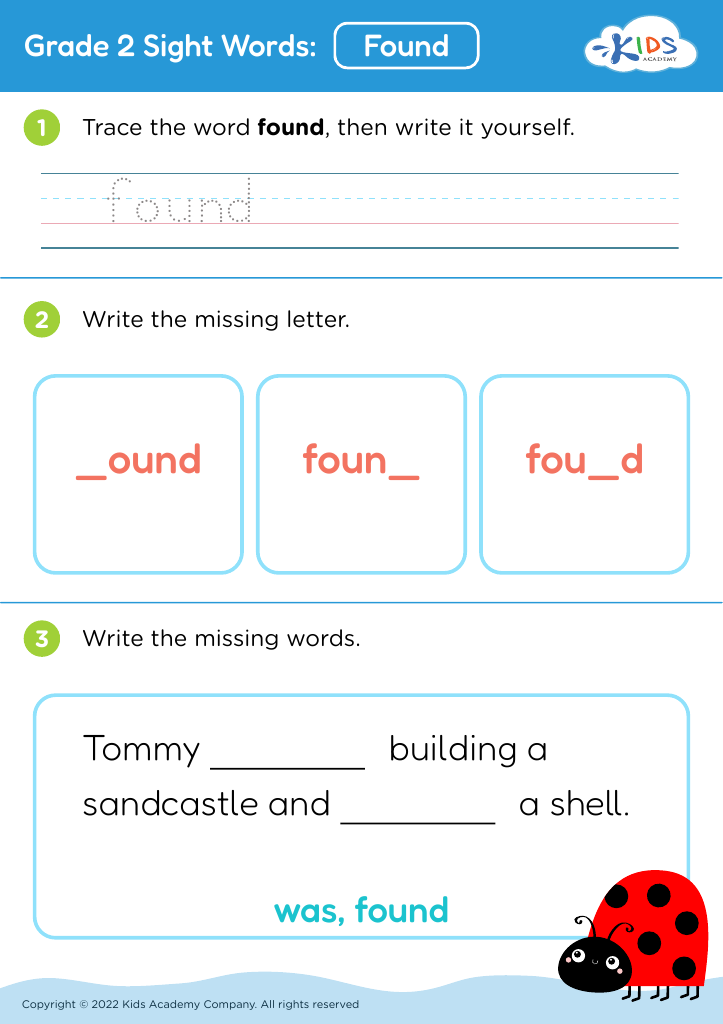








Tracing practice is crucial for children aged 7-8, as it develops essential motor skills that form the foundation of writing and drawing. At this age, children's fine motor skills are still developing, and tracing helps improve their hand-eye coordination and dexterity. When children trace letters, numbers, or shapes, they learn the correct formation and spacing, reinforcing their understanding of writing fundamentals.
Additionally, tracing activities support cognitive development by enhancing memory and visual recognition skills. As children consistently practice tracing, they become more familiar with various shapes and letters, which aids in reading and writing proficiency. This practice also promotes focus and concentration, essential attributes for all academic pursuits.
From a creative perspective, tracing can cultivate artistic abilities, encouraging children to explore and express their creativity without overwhelming them. Moreover, these exercises can be made enjoyable through various themes and illustrations, turning learning into a fun experience.
For parents and teachers, fostering tracing practice aligns with promoting literacy development, enhancing a child's self-esteem, and providing a strong educational foundation. By integrating tracing into everyday activities, adults can positively impact children's learning journeys and equip them with essential skills for future success.








