Understanding citizenship Worksheets for Ages 7-8
3 filtered results
-
From - To
Discover the importance of citizenship with our engaging Understanding Citizenship Worksheets designed for ages 7-8. These thoughtfully crafted resources help young learners grasp the concept of being a responsible citizen through interactive activities, essential questions, and fun exercises. Children will explore topics such as community roles, rights and responsibilities, and the significance of rules and laws. Our worksheets aim to cultivate critical thinking and foster a sense of belonging, encouraging children to become active and informed members of their communities. Perfect for classroom or home use, these worksheets make learning about citizenship enjoyable and meaningful for your budding citizens!
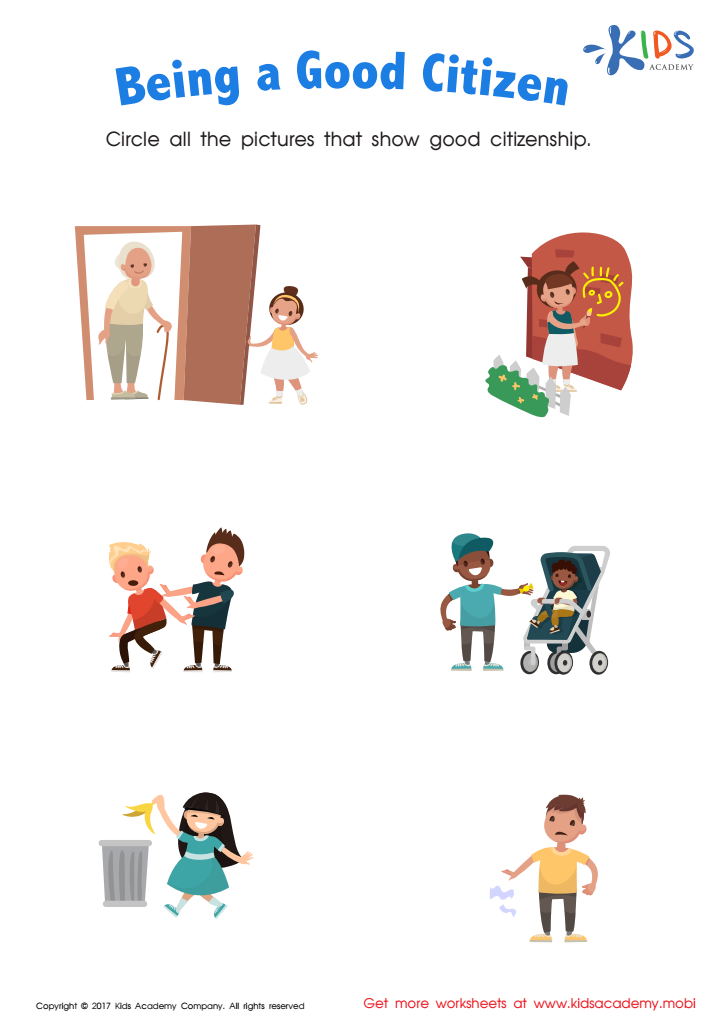
Being a Good Citizen Printable
 Assign to My Students
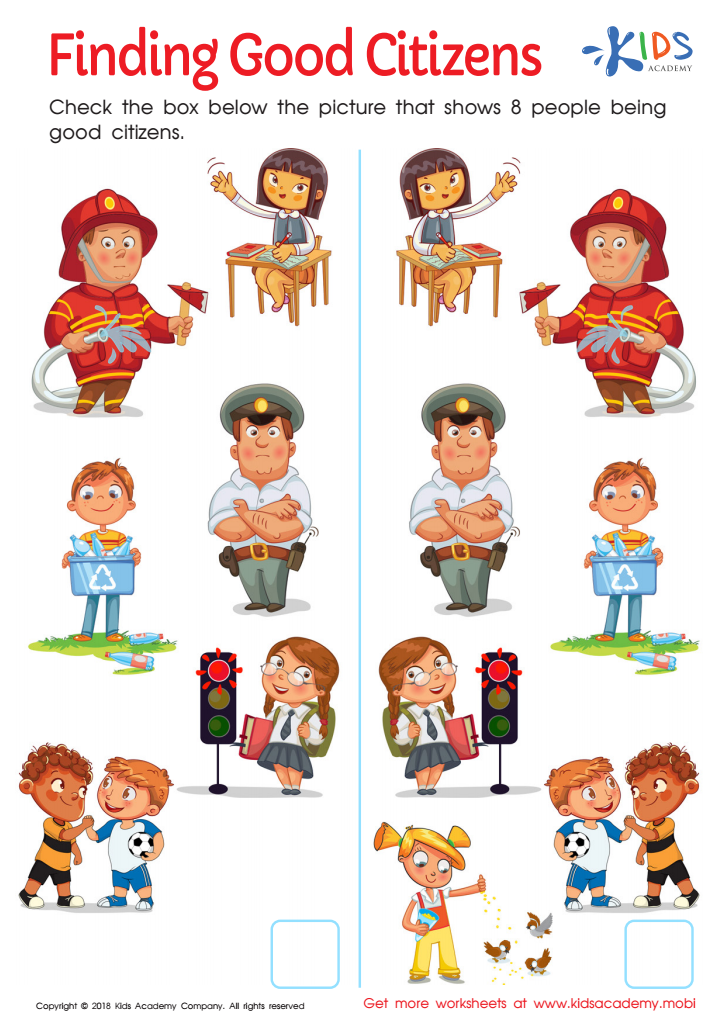
Finding Good Citizens Worksheet
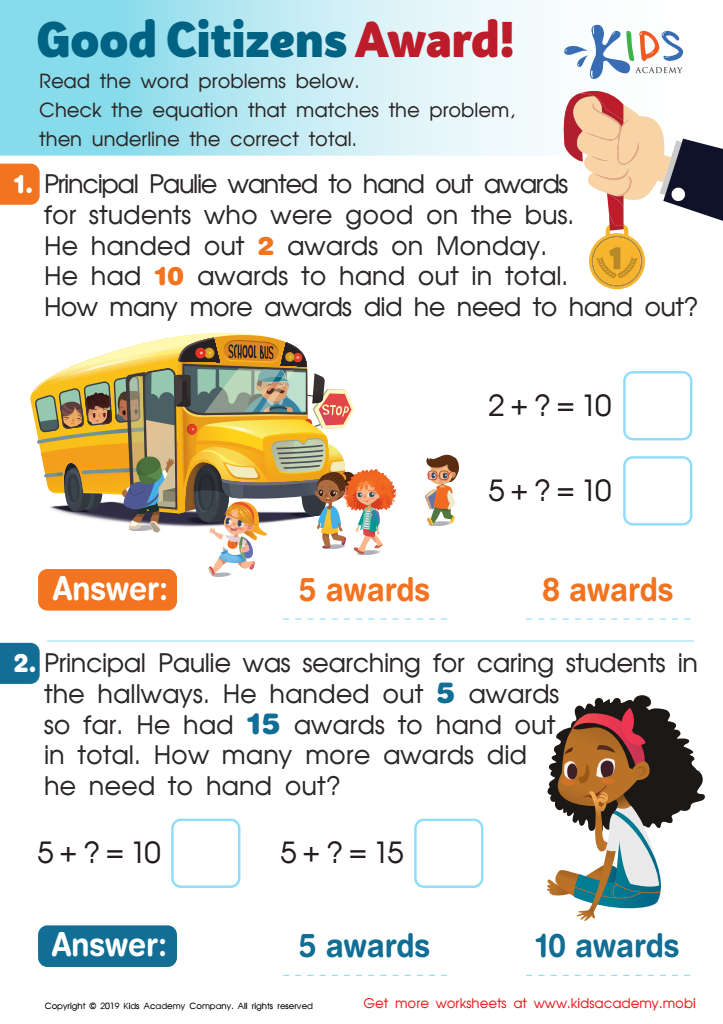
Good Citizens Award! Worksheet







Understanding citizenship is crucial for children aged 7-8 as it lays the foundation for their role in society. At this age, children are developing their sense of self and their interactions with the world around them. Engaging young learners with the concept of citizenship helps them grasp the importance of community, responsibility, and respect for others. It fosters an understanding of individual rights and duties while encouraging empathy and acceptance of diversity.
Parents and teachers should prioritize this education because it equips children with the skills needed to make informed choices and engage constructively in their communities. Learning about citizenship empowers children to voice their opinions, understand the consequences of their actions, and engage in civic responsibilities, no matter how small. It cultivates critical life skills like collaboration, problem-solving, and active participation that influences their development as responsible adults.
Moreover, instilling these values early on promotes a sense of belonging and connection to their community, reducing feelings of isolation. Ultimately, understanding citizenship is about nurturing informed, compassionate citizens who can contribute positively to society, ensuring a harmonious and cohesive future. By emphasizing citizenship education, parents and teachers invest in a more engaged and aware generation.








