Understanding vowel sounds Worksheets for Ages 7-8
3 filtered results
-
From - To
Discover our engaging "Understanding Vowel Sounds Worksheets" designed for children aged 7-8! These comprehensive worksheets are perfect for helping young learners enhance their phonics skills and master vowel recognition. Featuring a variety of fun and interactive activities, our resources promote reading fluency and confidence. Students will explore short and long vowel sounds through exercises such as matching, filling in blanks, and sounding out words. Tailored to meet developmental needs, our worksheets encourage independent learning while providing key practice in identifying and using vowels correctly. Enhance your child's literacy journey with our thoughtfully crafted materials and watch their skills soar!
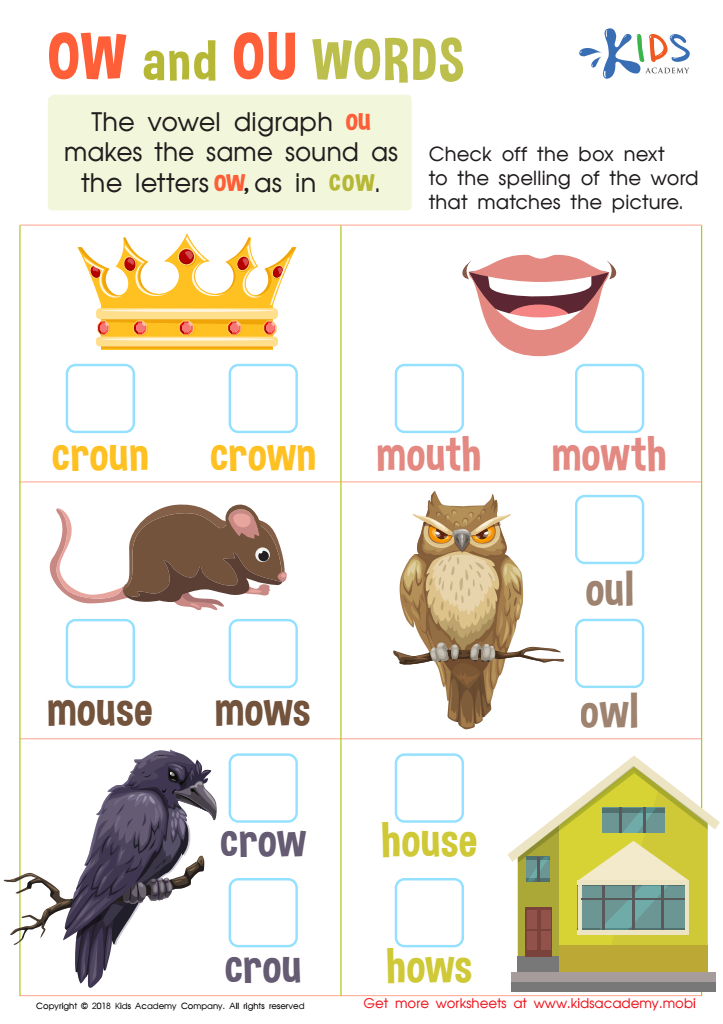
Reading: OW and OU Words Worksheet
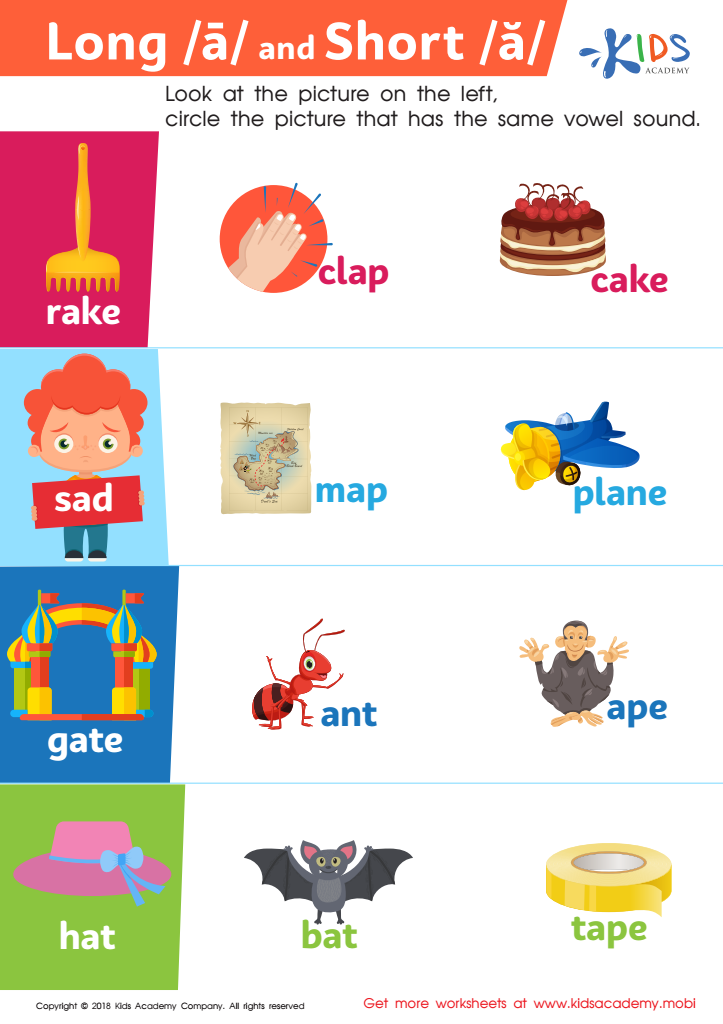
Reading: Long a and Short a Worksheet
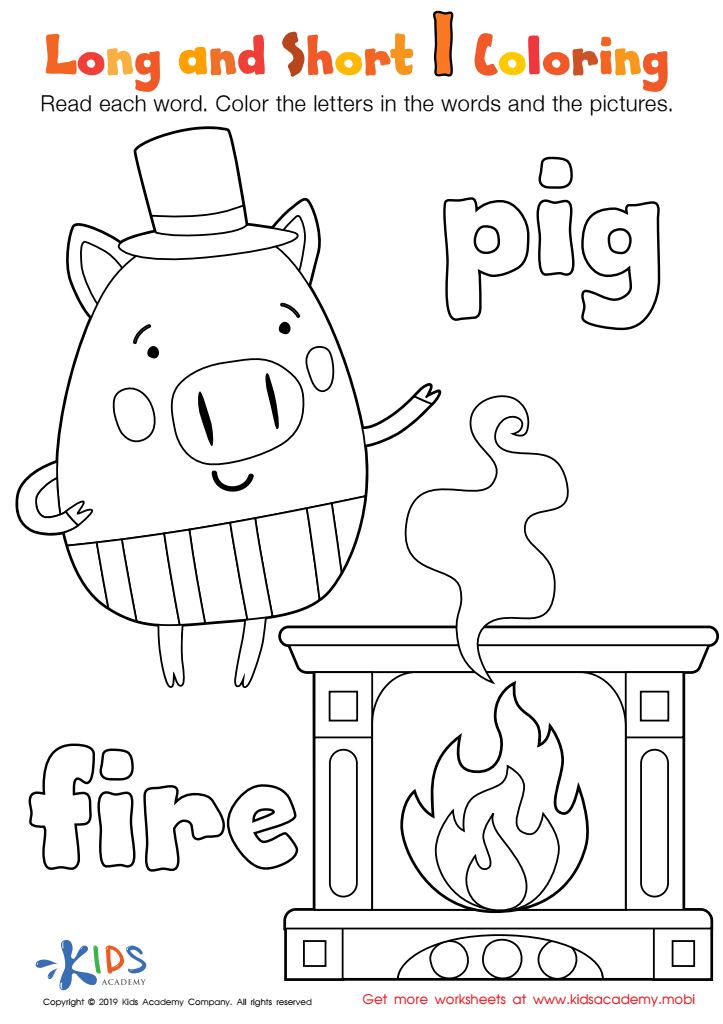
Long and Short I Worksheet
 Assign to My Students





.jpg)

Understanding vowel sounds is crucial for children aged 7-8, as it lays the foundation for their literacy development and overall language skills. At this age, children expand their reading capabilities, tackle more complex words, and begin writing more sophisticated sentences. Mastery of vowel sounds helps them decode unfamiliar words, significantly influencing their reading fluency and comprehension.
Furthermore, the ability to differentiate between short and long vowel sounds is essential for spelling accuracy. This knowledge assists them in recognizing patterns in written language, which boosts their confidence and encourages a love for reading and writing. Additionally, phonemic awareness in vowel sounds supports oral language skills, facilitating better pronunciation and communication skills.
Moreover, teachers and parents play a vital role in reinforcing these skills through fun, interactive activities. By engaging children in games, songs, or storytelling that focus on vowel sounds, adults can create a positive learning environment that stimulates curiosity and enthusiasm for language.
In summary, understanding vowel sounds is fundamental for academic success and vital in fostering a lifelong appreciation for reading and communication, demonstrating why both parents and teachers should prioritize this crucial component of literacy education.








