Comparing Fractions Adding up to 100 Worksheets for Ages 7-8 - Page 2
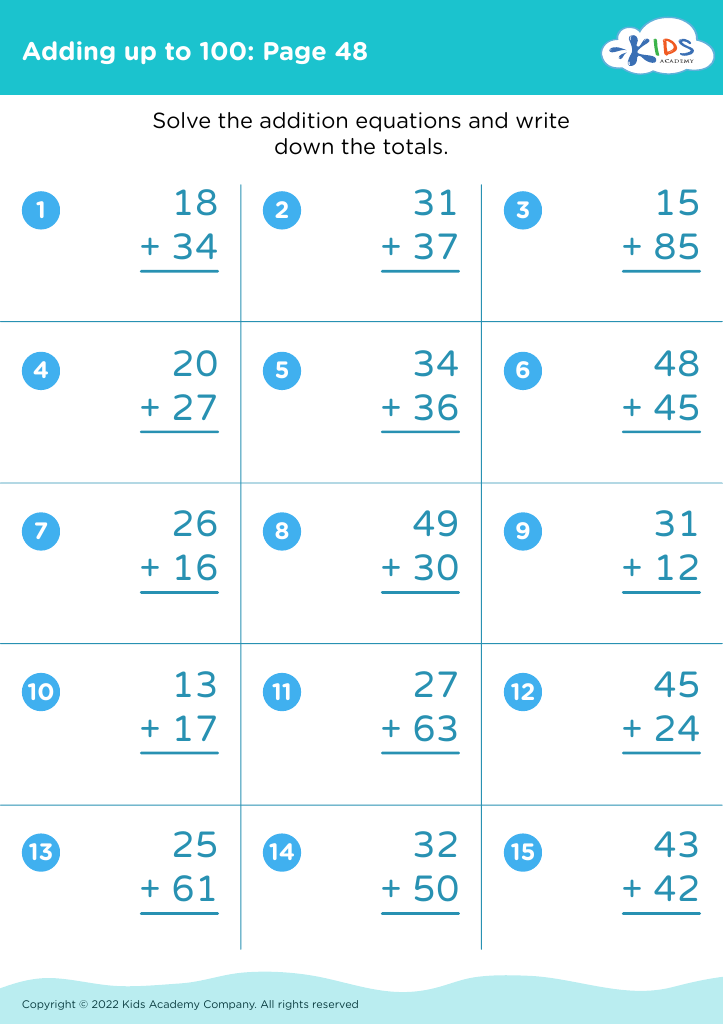
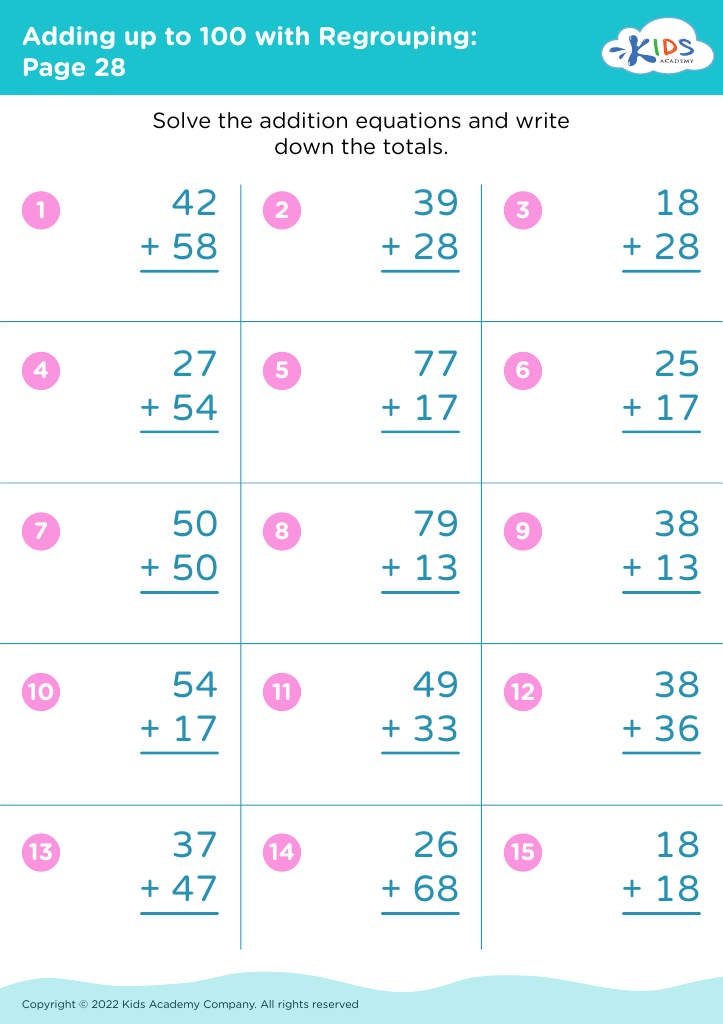
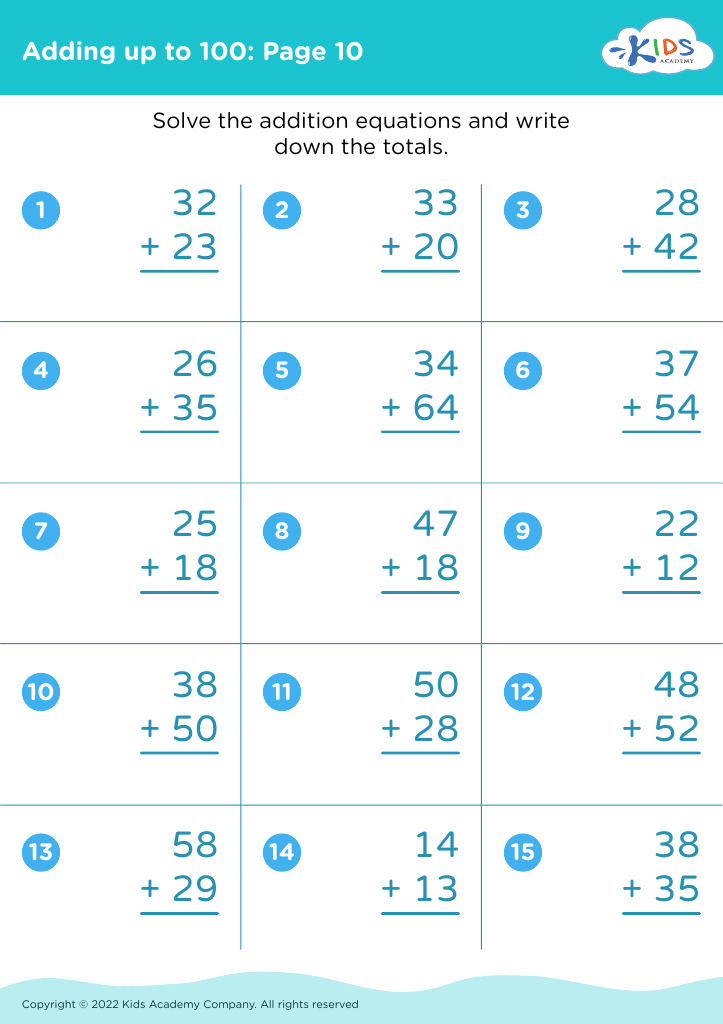
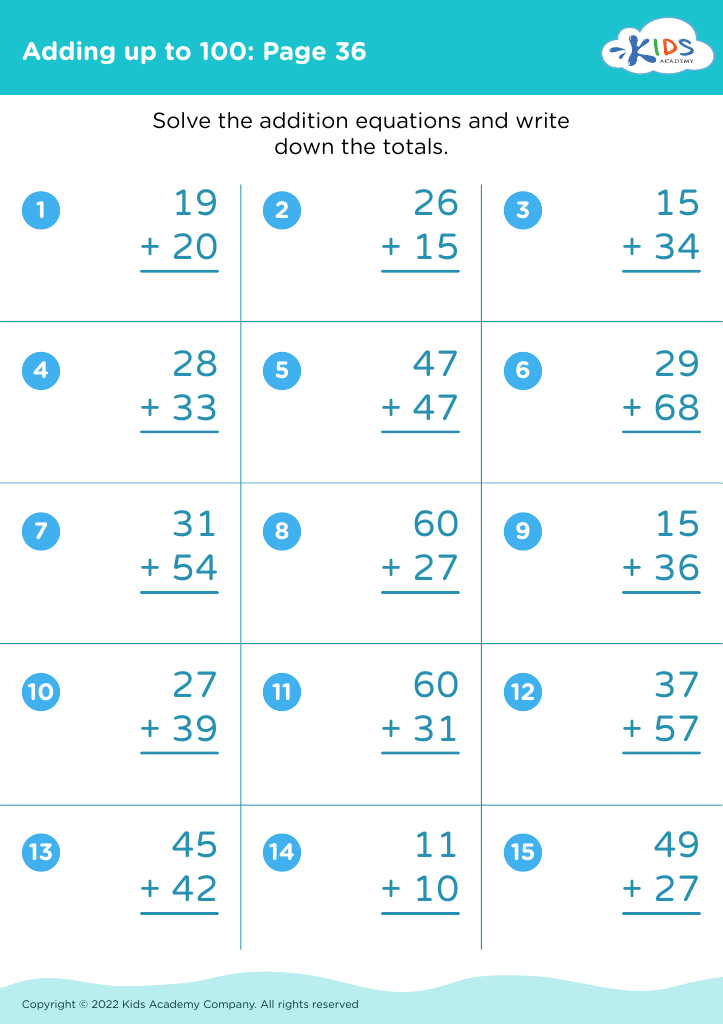
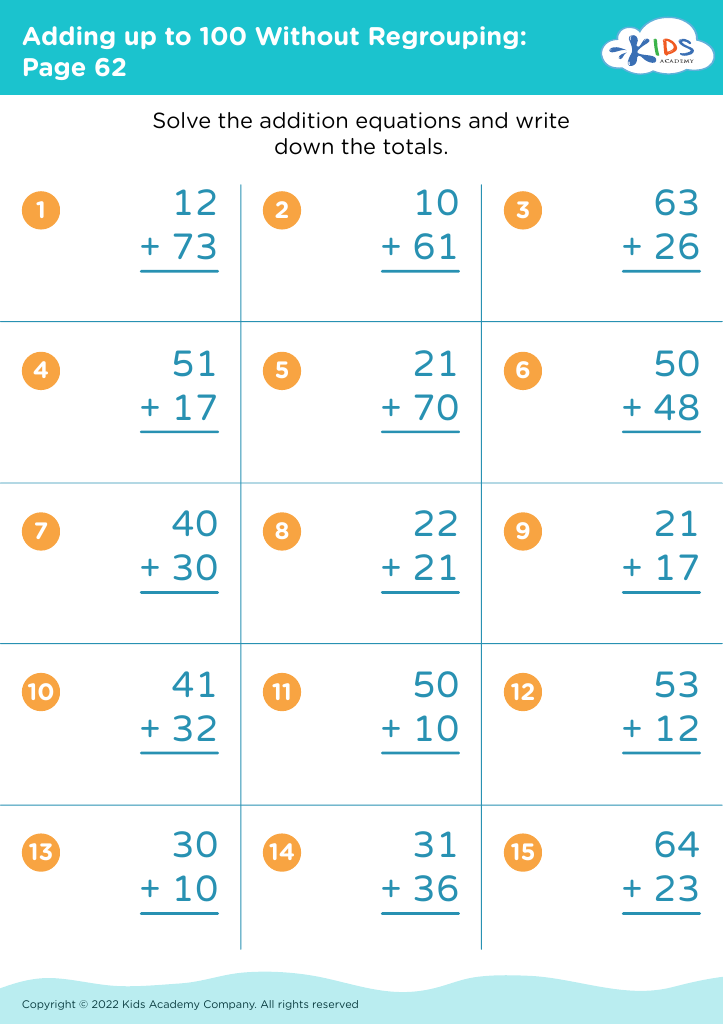
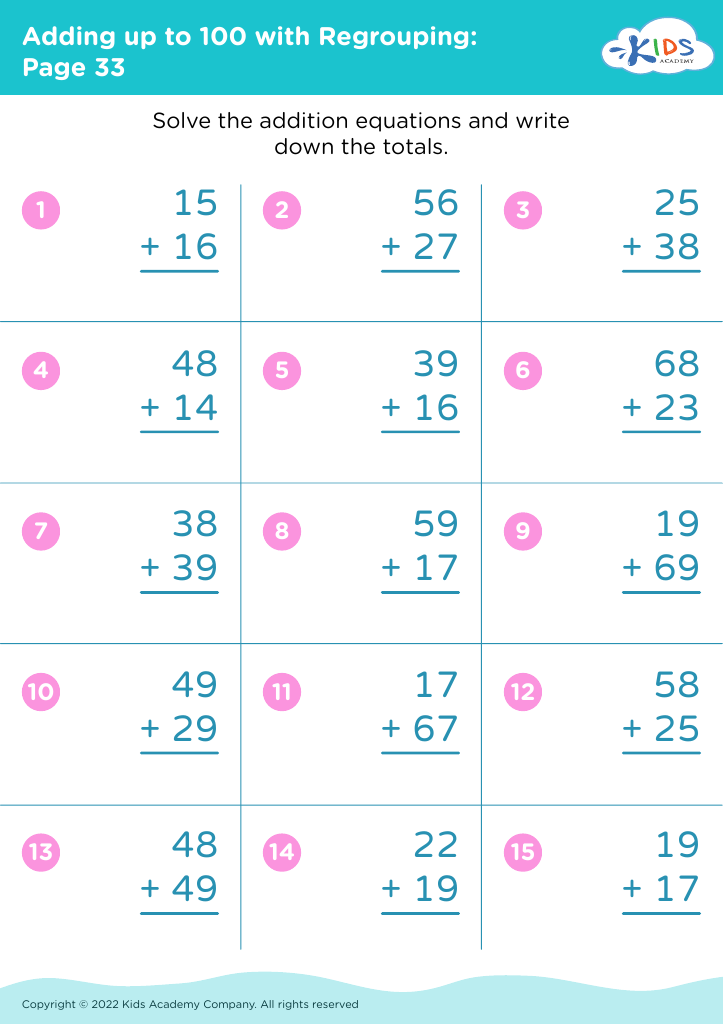








Parents and teachers should care about teaching children ages 7-8 how to compare fractions that add up to 100 because it lays the groundwork for essential mathematical skills and critical thinking. At this developmental stage, children are beginning to grasp more complex numerical concepts. Understanding how to compare fractions helps them recognize relationships between numbers, a foundational skill for future math learning, including operations with whole numbers, decimals, and percentages.
Furthermore, comparing fractions aids in developing problem-solving abilities. When children analyze and determine which fractions are larger or smaller, they learn to make informed judgments based on numerical reasoning. This skill extends beyond math; it also enhances their analytical thinking in everyday situations.
Moreover, these lessons usually align with real-world applications, in scenarios like cooking, budgeting, or sharing resources, making learning relevant and engaging. Introducing these concepts in a fun, age-appropriate manner not only motivates children but also fosters a positive attitude toward mathematics. When parents and teachers emphasize comparing fractions, they contribute to a solid mathematical foundation, preparing children for future academic success and helping them navigate an increasingly quantitative world.








