Alphabet Recognition Addition & Subtraction Worksheets for Ages 7-8
4 filtered results
-
From - To
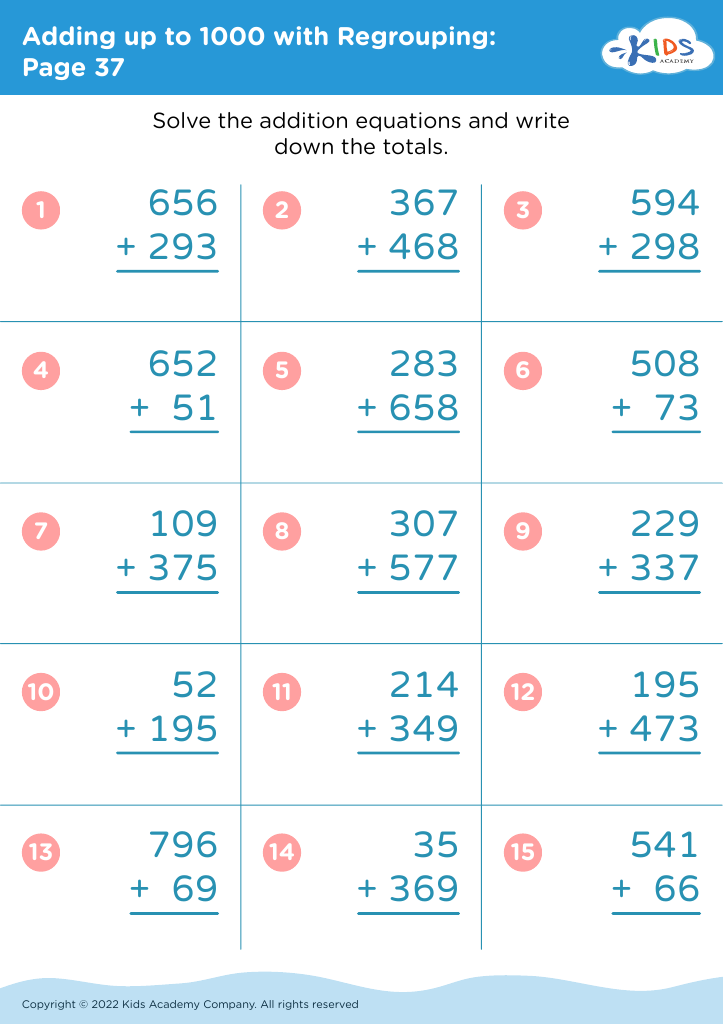
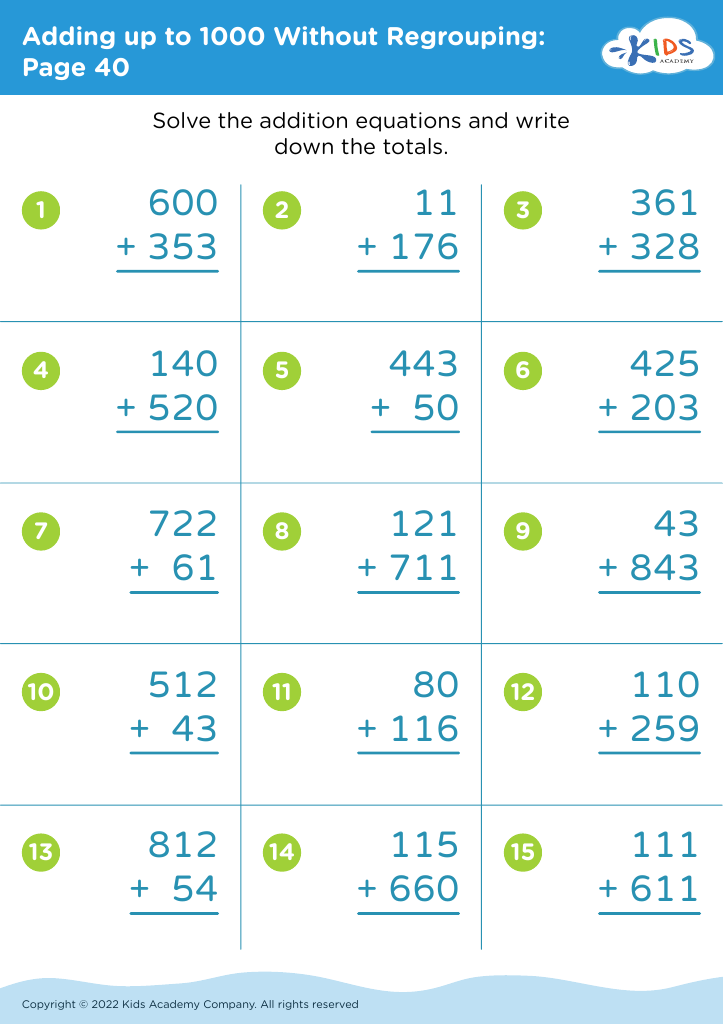
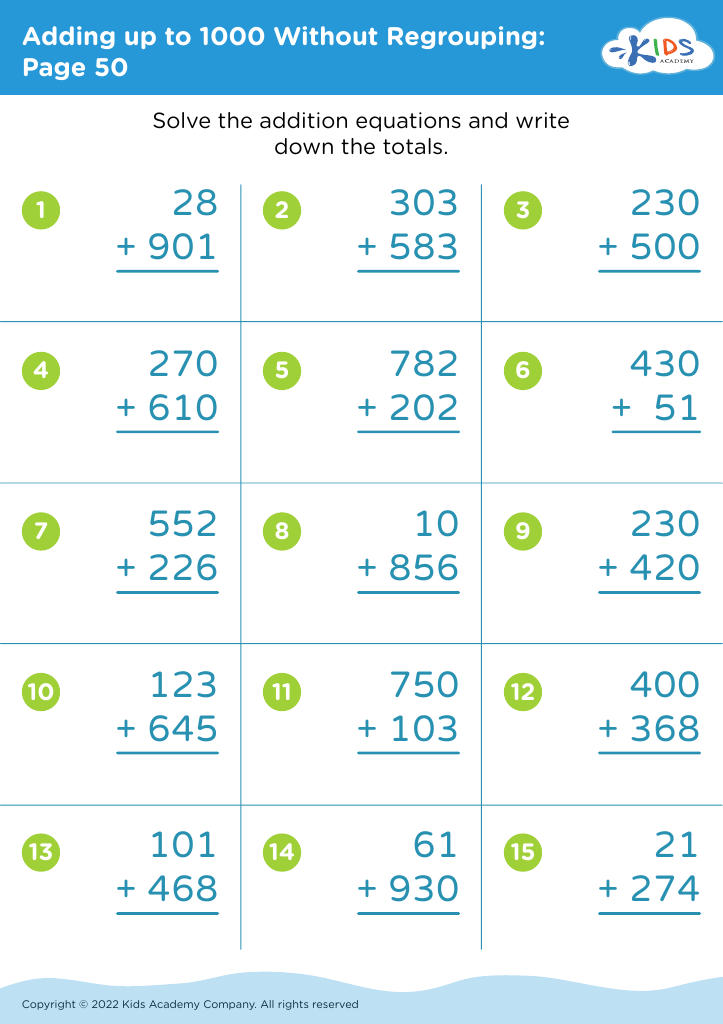
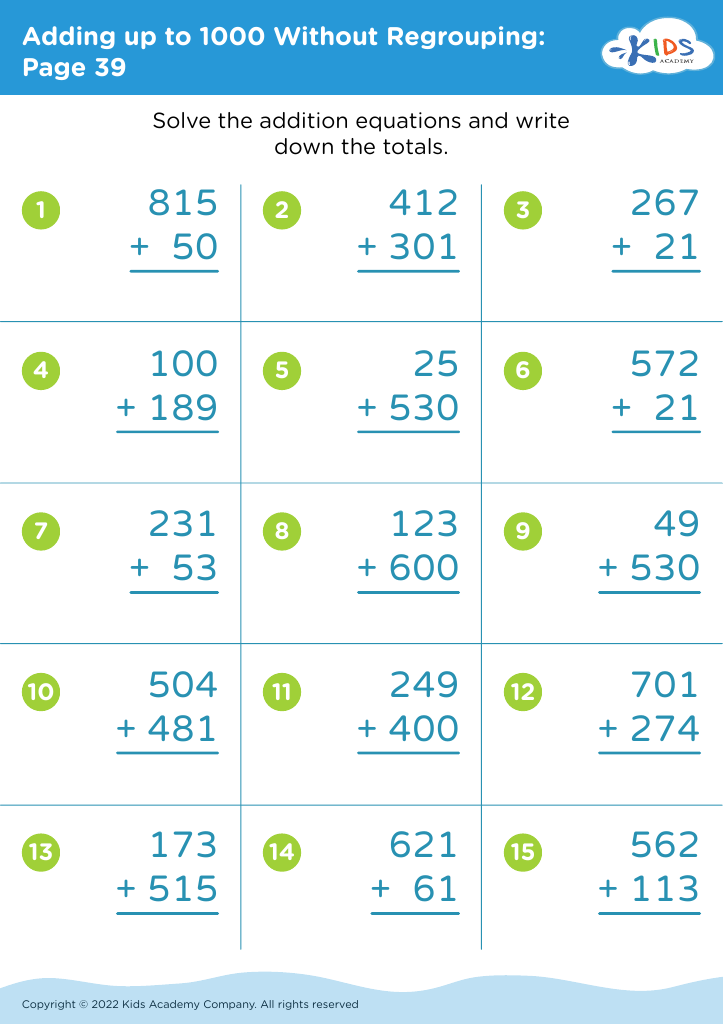
Explore our Alphabet Recognition Addition & Subtraction Worksheets, expertly designed for ages 7-8! These engaging resources blend fundamental math with alphabet mastery, helping kids reinforce their addition and subtraction skills while boosting literacy. Created by educational experts, each worksheet features fun, interactive exercises that make learning enjoyable and effective. Easy to download and print, our worksheets provide perfect practice at home or in the classroom. Give your child the academic advantage they deserve with activities that promote confidence in both math and reading. Discover the perfect blend of learning and fun today!








Alphabet recognition, addition, and subtraction skills are foundational elements of early childhood education that play a crucial role in a child's cognitive development. For ages 7-8, being proficient in these areas is essential for several reasons.
Firstly, alphabet recognition is the cornerstone of reading and writing. It helps children understand that letters represent sounds, which combine to form words and sentences. This skill is critical not just for communication but for virtually all subjects, as literacy is interwoven into every academic discipline. Recognizing letters and their corresponding sounds enables children to decode new words, leading to better reading fluency and comprehension.
Additionally, mastering addition and subtraction is fundamental to arithmetic. These basic operations serve as the building blocks for more advanced mathematical concepts such as multiplication, division, fractions, and problem-solving. Early competency in these areas enables children to approach mathematical challenges confidently and encourages logical thinking.
Parents and teachers should care about these skills because early proficiency sets the stage for future academic success. Children who struggle with alphabet recognition, addition, and subtraction may face difficulties in more complex subjects later on. By fostering these foundational skills, we ensure that children have the essential tools they need for continuous learning and intellectual growth, thus helping them achieve their full potential.








