Enhance Vocabulary Addition & Subtraction Worksheets for Ages 7-8
4 filtered results
-
From - To
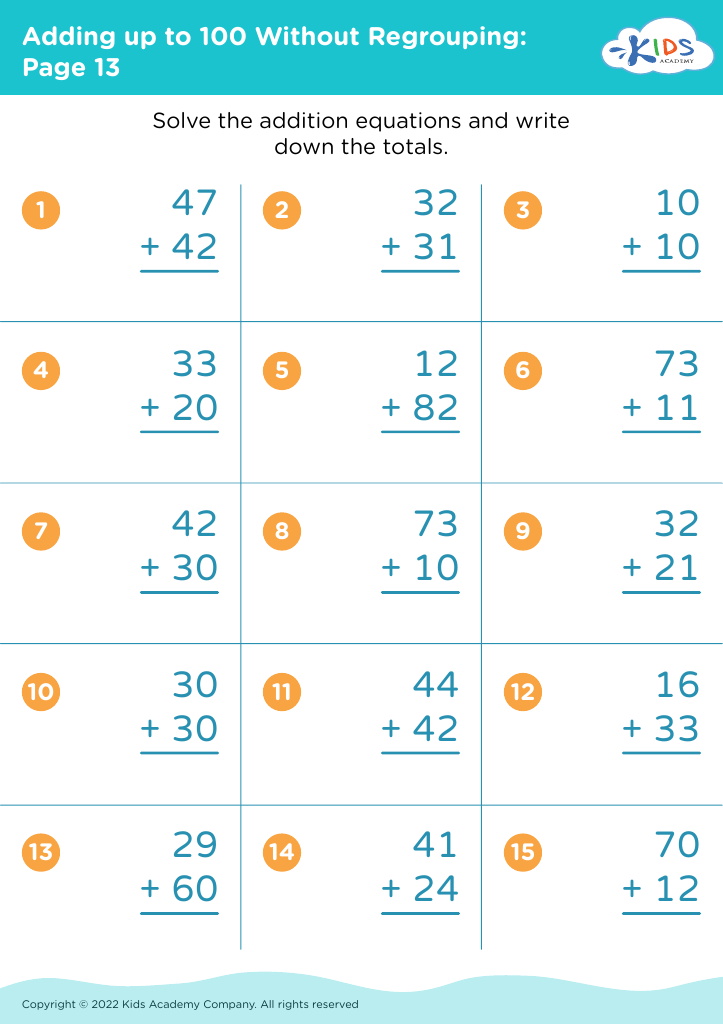
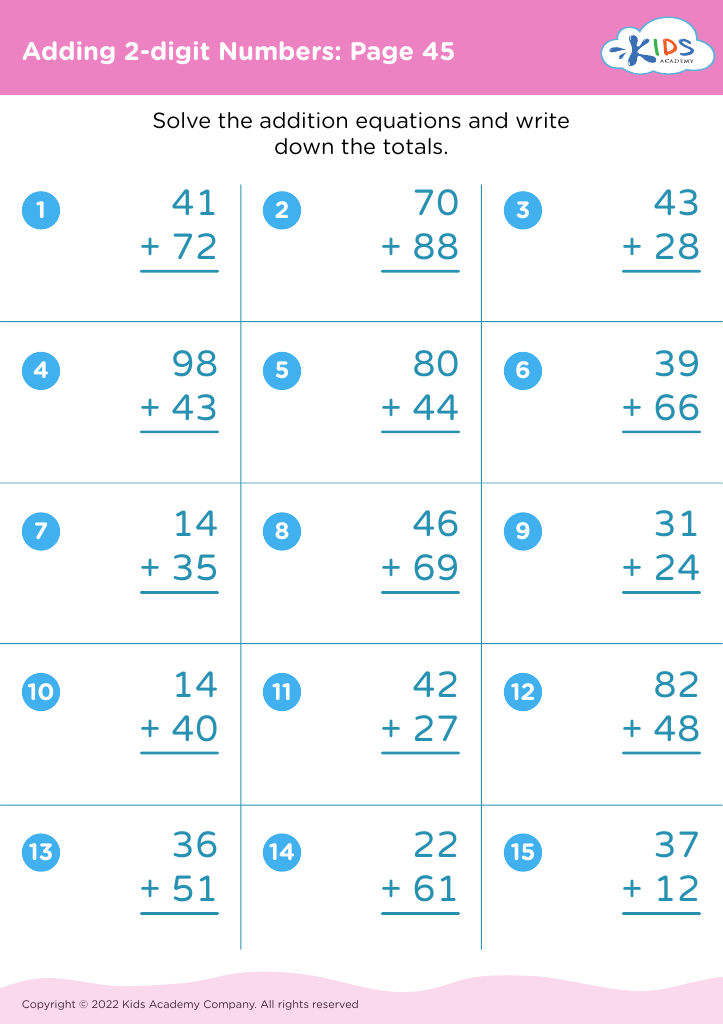
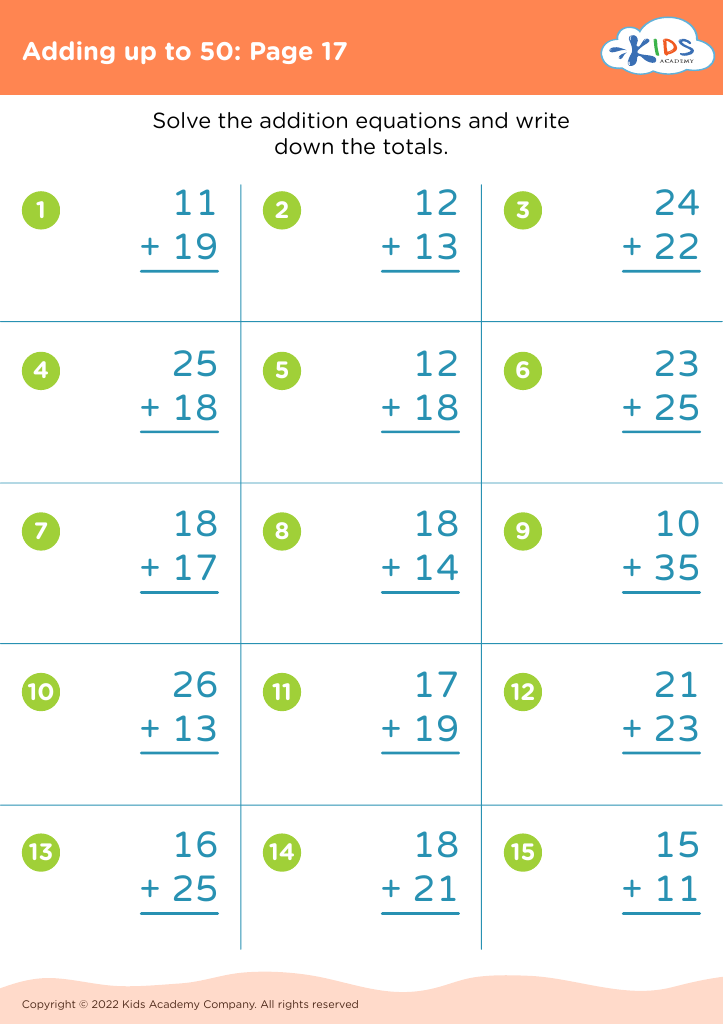
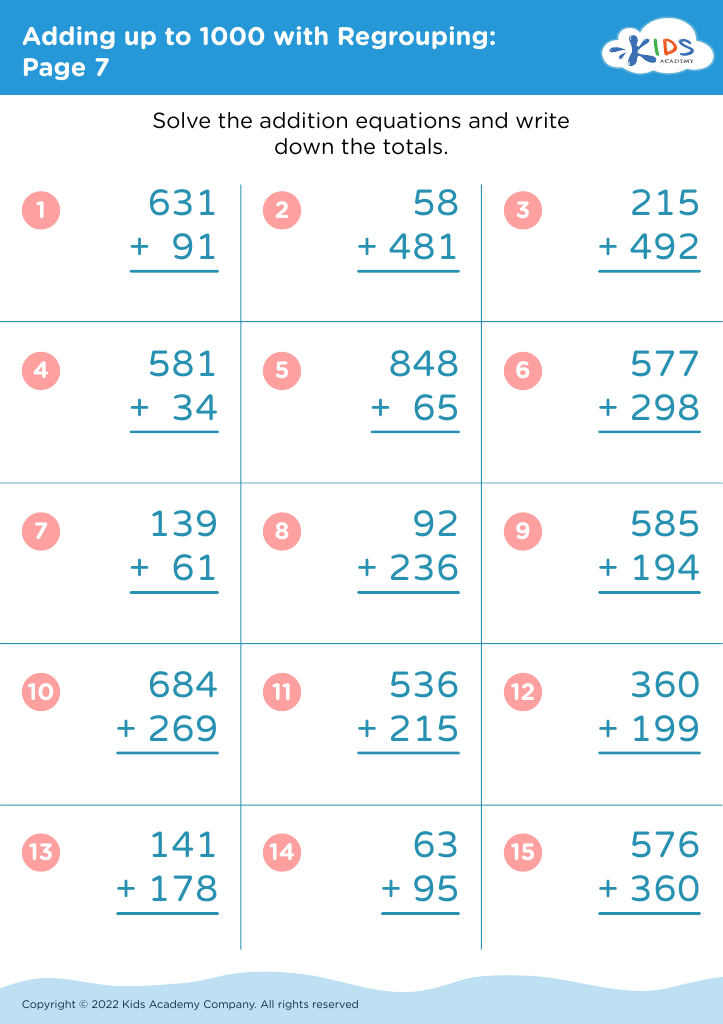
Boost your child's math and language skills with our "Enhance Vocabulary Addition & Subtraction Worksheets" designed for ages 7-8. These engaging worksheets help young learners practice essential math operations while simultaneously enriching their vocabulary. Combining fun themes and practical exercises, our pages ensure children stay motivated and entertained. Tailored for effective learning, these worksheets develop critical thinking and problem-solving abilities in a playful yet educational manner. Empower your child to excel in math and language arts with our comprehensive and cleverly integrated resources. Visit now and download our printables for a balanced and enjoyable learning experience.








Enhancing vocabulary addition and subtraction for children aged 7-8 is crucial for both their linguistic and cognitive development. At this formative age, children are rapidly building their foundational literacy and numeracy skills. Expanding their vocabulary equips them with a more extensive set of words for effective communication, aiding in both verbal and written expression. This enhanced ability to articulate thoughts clearly supports better academic performance across subjects, not just in language arts.
Furthermore, by intertwining the learning of new vocabulary with arithmetic concepts like addition and subtraction, educators foster a multi-dimensional learning environment. For instance, contextualizing new words within math problems promotes a richer and more engaging learning experience. This method also stimulates critical thinking and problem-solving skills, as children learn to apply their expanding vocabulary to real-world scenarios and mathematical reasoning.
Strong vocabulary underpins reading comprehension; children who understand and can use diverse words are better equipped to grasp complex texts, follow instructions, and excel in reading assessments. Ultimately, by focusing on vocabulary enhancement through numerical concepts, parents and teachers can provide a balanced education that merges cognitive, linguistic, and mathematical growth, laying a robust foundation for future academic and personal success.








