Enhance your child’s mathematical skills with our Fraction Comparison Addition & Subtraction Worksheets, designed specifically for ages 7-8. These engaging worksheets introduce fundamental concepts of fractions through comparison, addition, and subtraction exercises. Featuring colorful visuals and step-by-step instructions, each worksheet is crafted to make learning fun and effective. By working through various problems, children will build confidence in manipulating fractions, honing their problem-solving abilities. Ideal for classroom or home use, our worksheets support curriculum standards and foster a love for math. Give your young learner the tools they need to succeed in math today!
Check out this FREE Trial Lesson on Addition & Subtraction for age 7-8!

Z

Favorites
With answer key
Interactive
  • 7-8
  • Fraction comparison
  • Addition & Subtraction
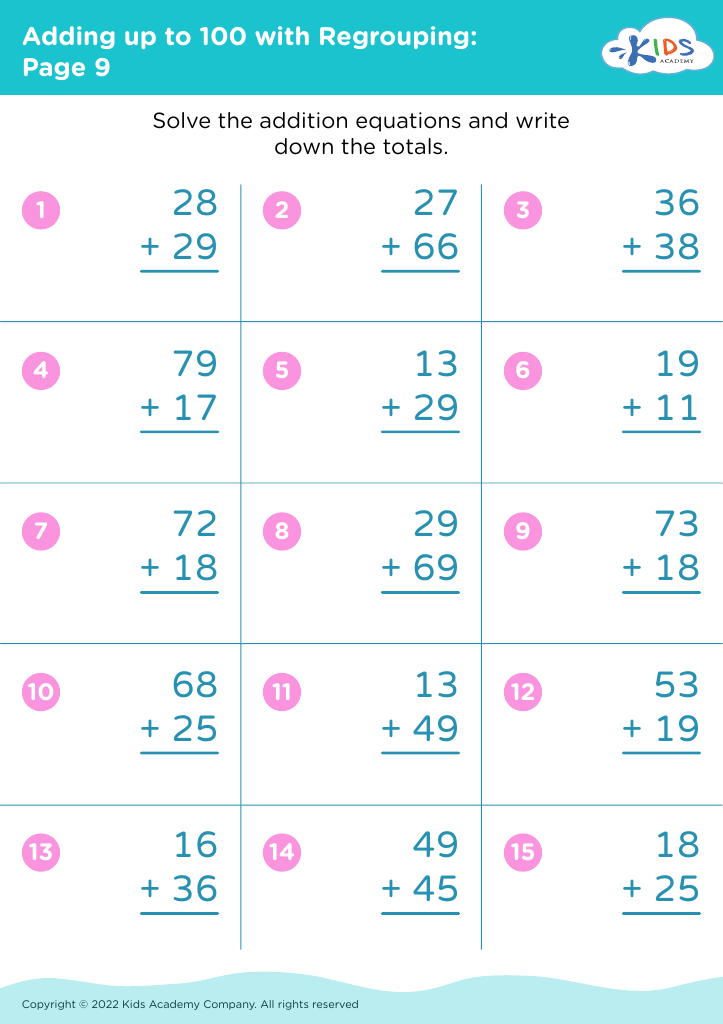
Adding up to 100 with Regrouping: Page 9
Worksheet
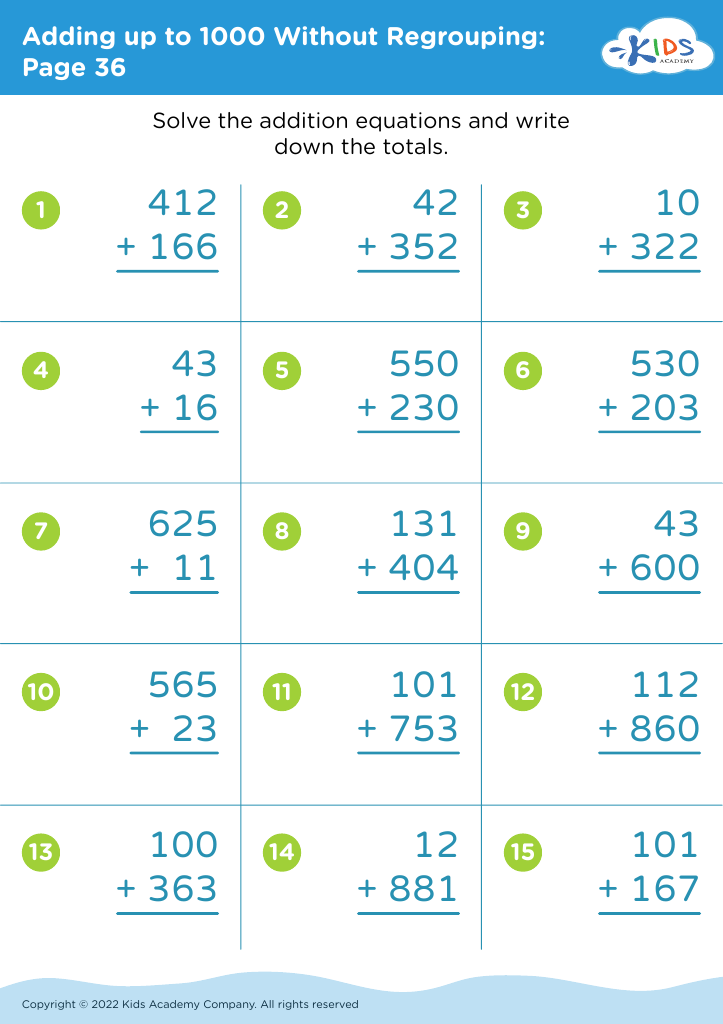
Adding up to 1000 Without Regrouping: Page 36
Worksheet
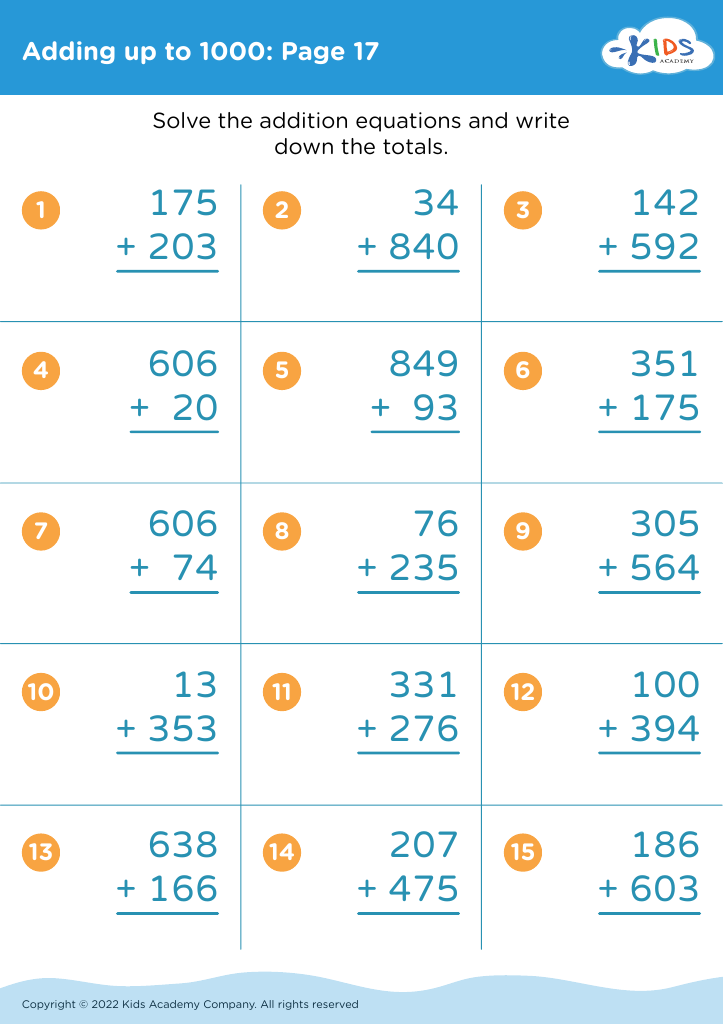
Adding up to 1000: Page 17

Adding up to 1000: Page 17

Adding up to 1000: Page 17
Worksheet
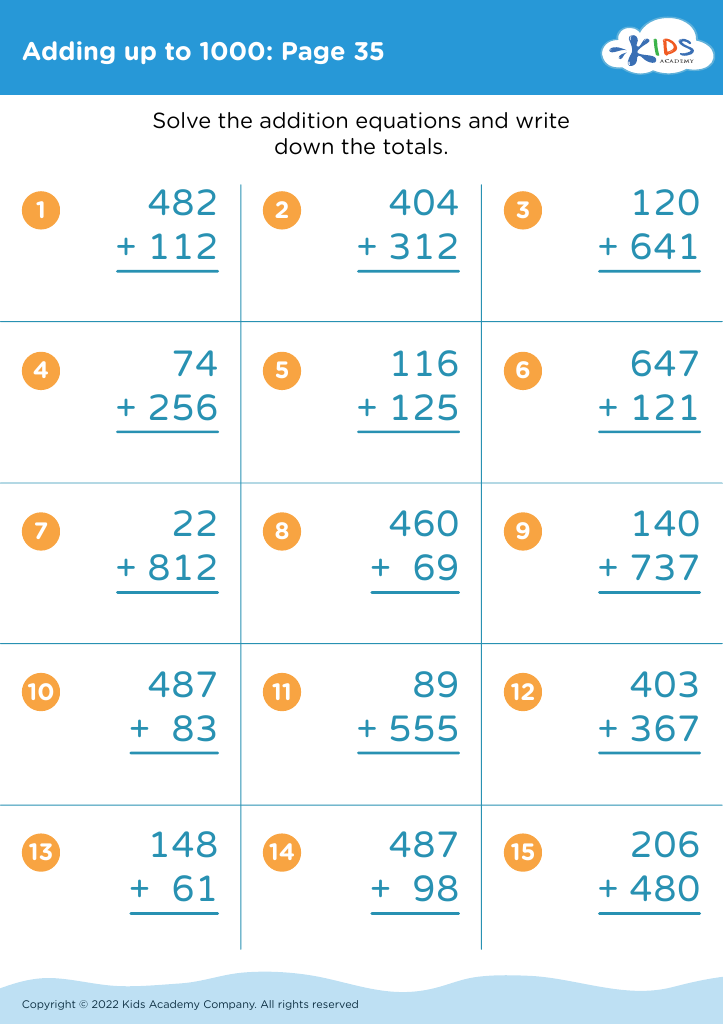
Adding up to 1000: Page 35

Adding up to 1000: Page 35

Adding up to 1000: Page 35
Worksheet
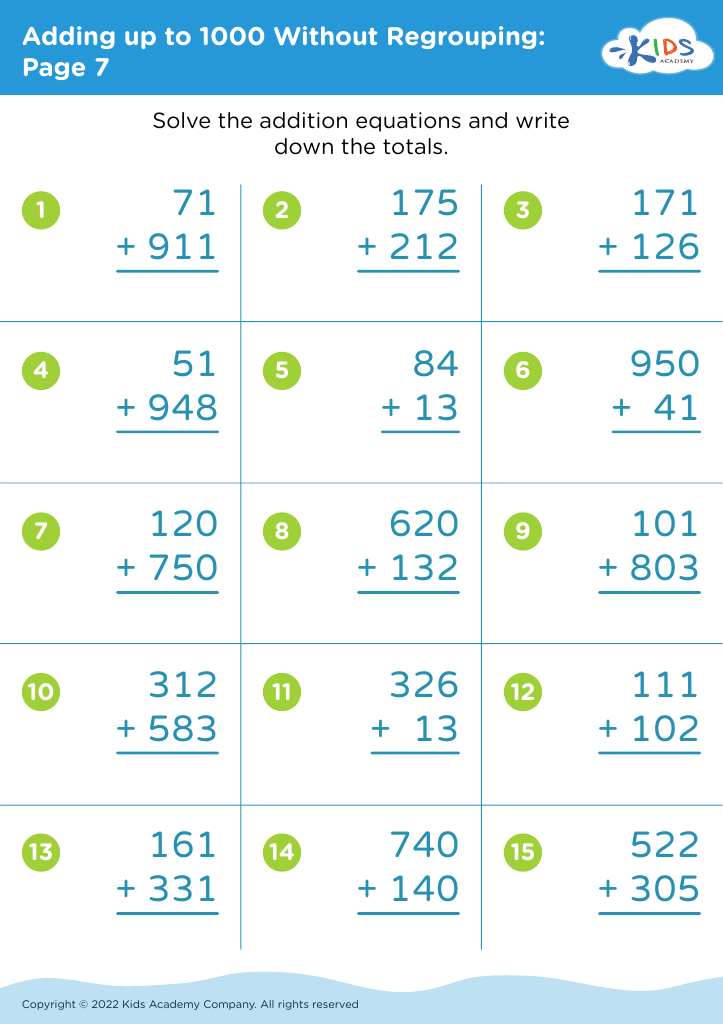
Adding up to 1000 Without Regrouping: Page 7
Worksheet
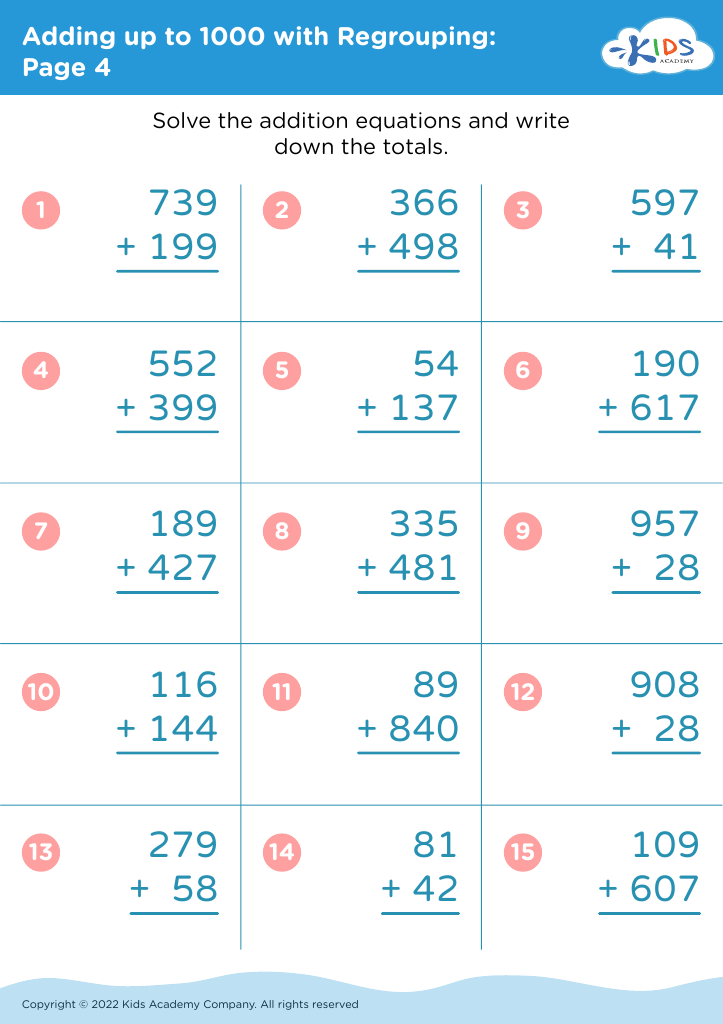
Adding up to 1000 with Regrouping: Page 4
Worksheet
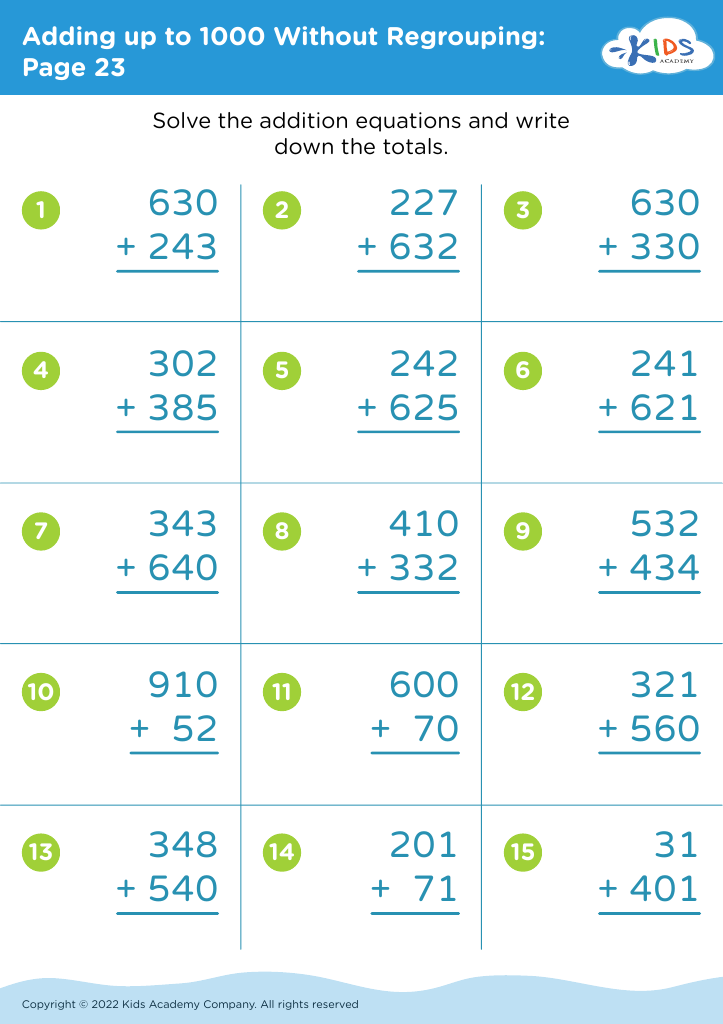
Adding up to 1000 Without Regrouping: Page 23
Worksheet
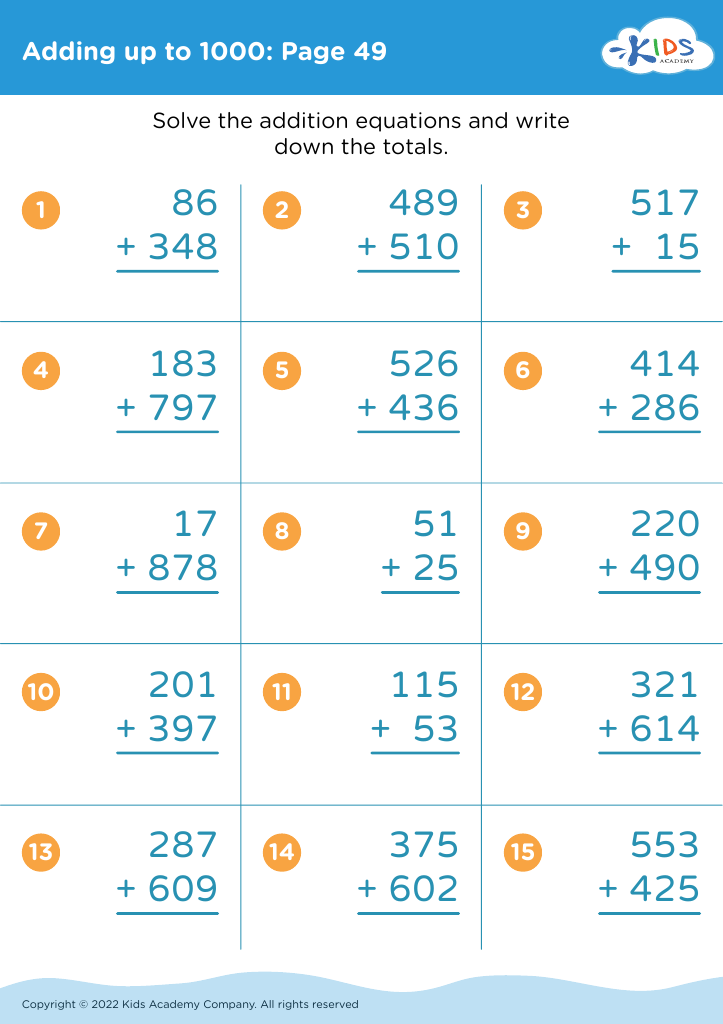
Adding up to 1000: Page 49

Adding up to 1000: Page 49

Adding up to 1000: Page 49
Worksheet
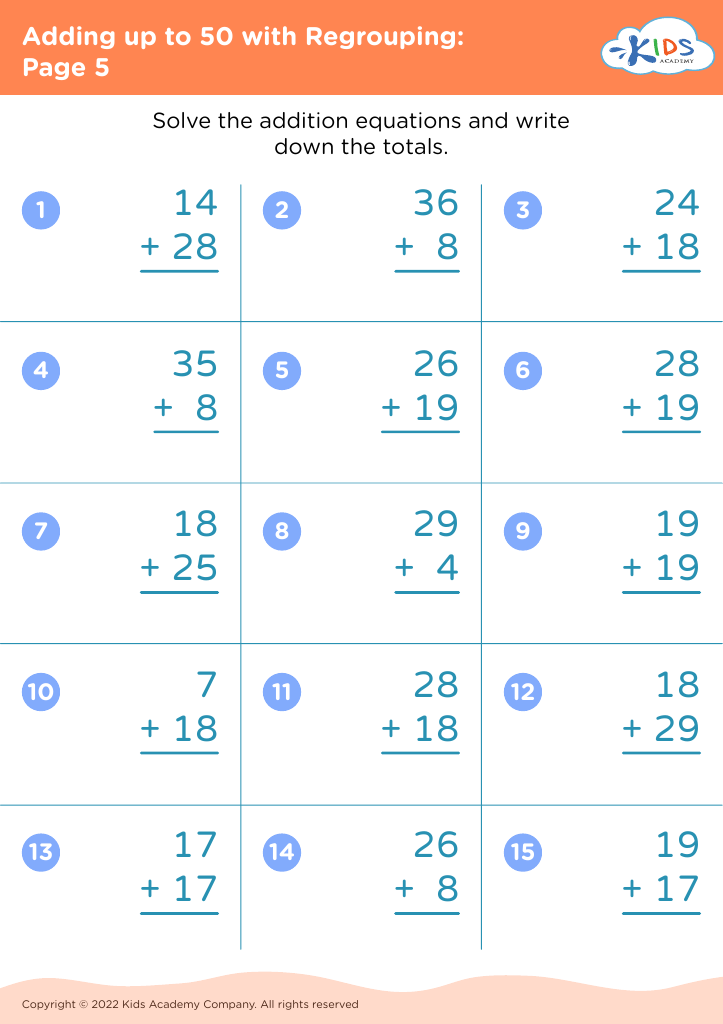
Adding up to 50 with Regrouping: Page 5
Worksheet
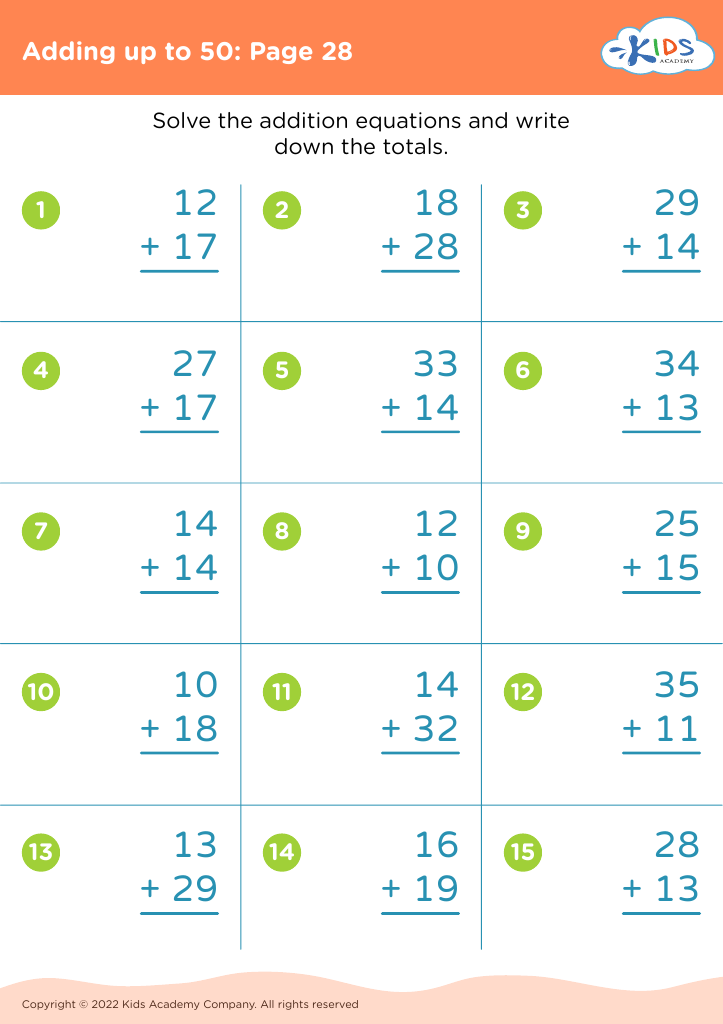
Adding up to 50: Page 28

Adding up to 50: Page 28

Adding up to 50: Page 28
Worksheet
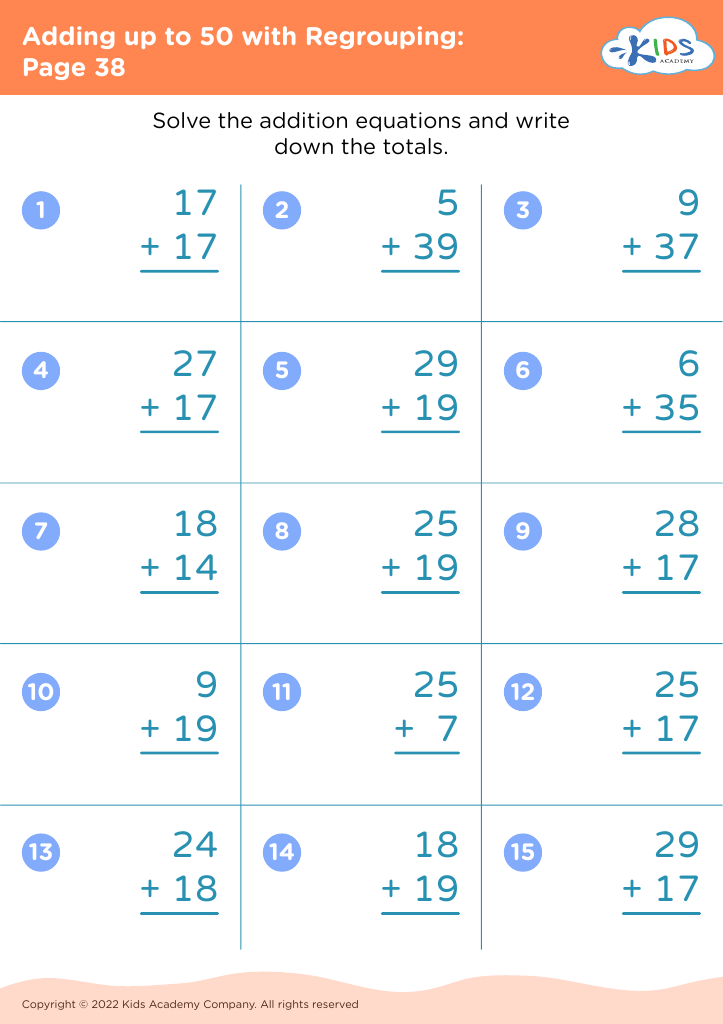
Adding up to 50 with Regrouping: Page 38
Worksheet
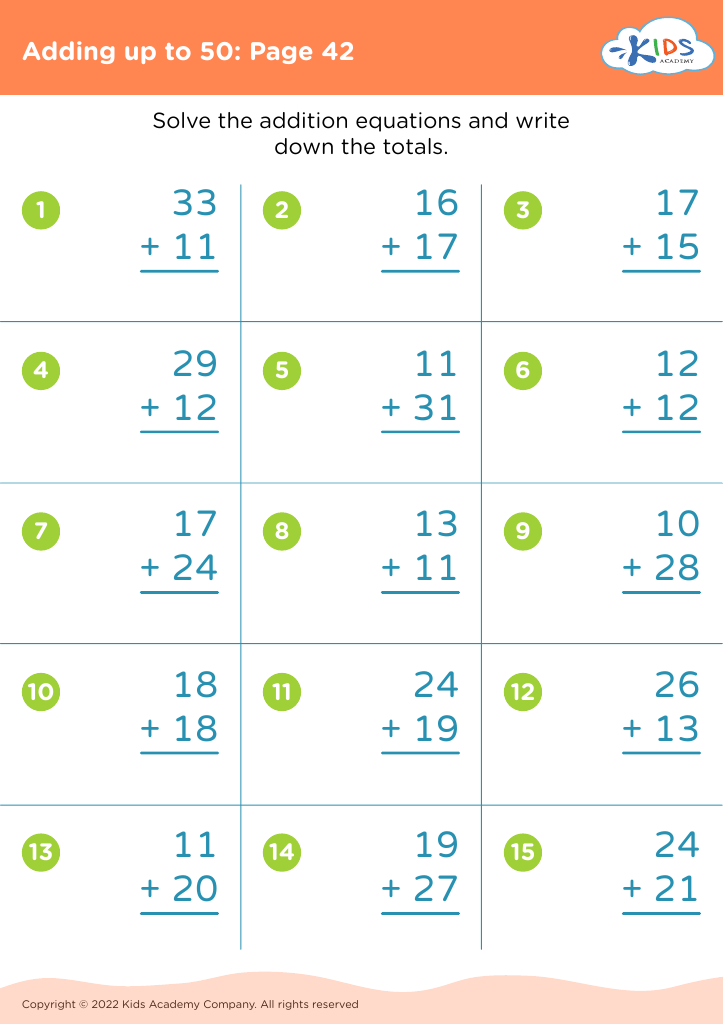
Adding up to 50: Page 42

Adding up to 50: Page 42

Adding up to 50: Page 42
Worksheet
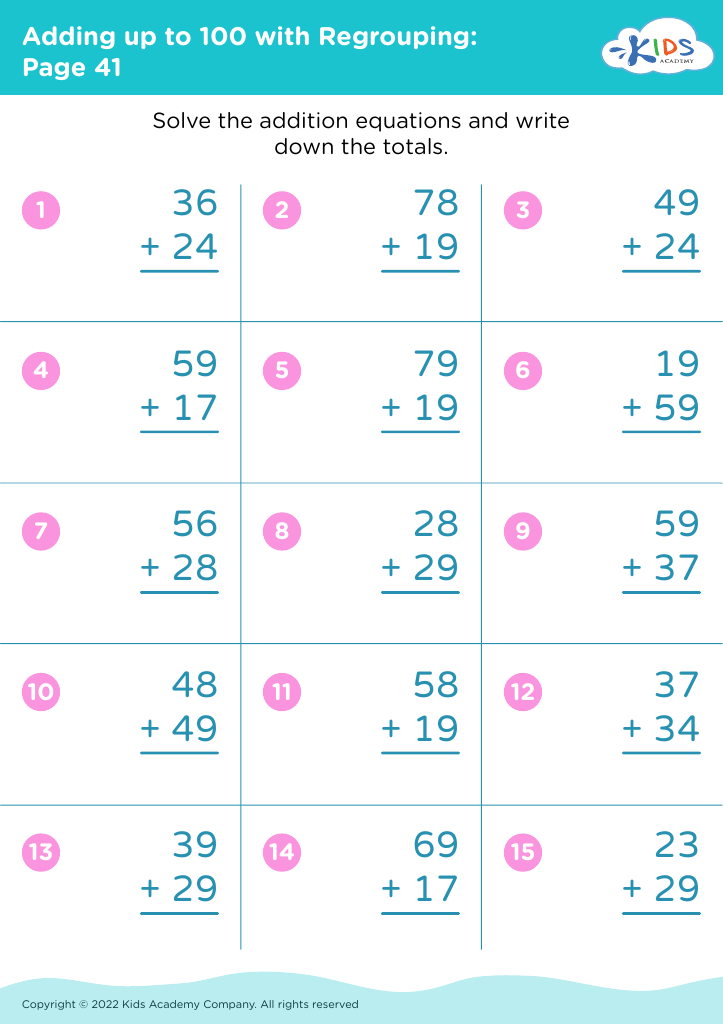
Adding up to 100 with Regrouping: Page 41
Worksheet
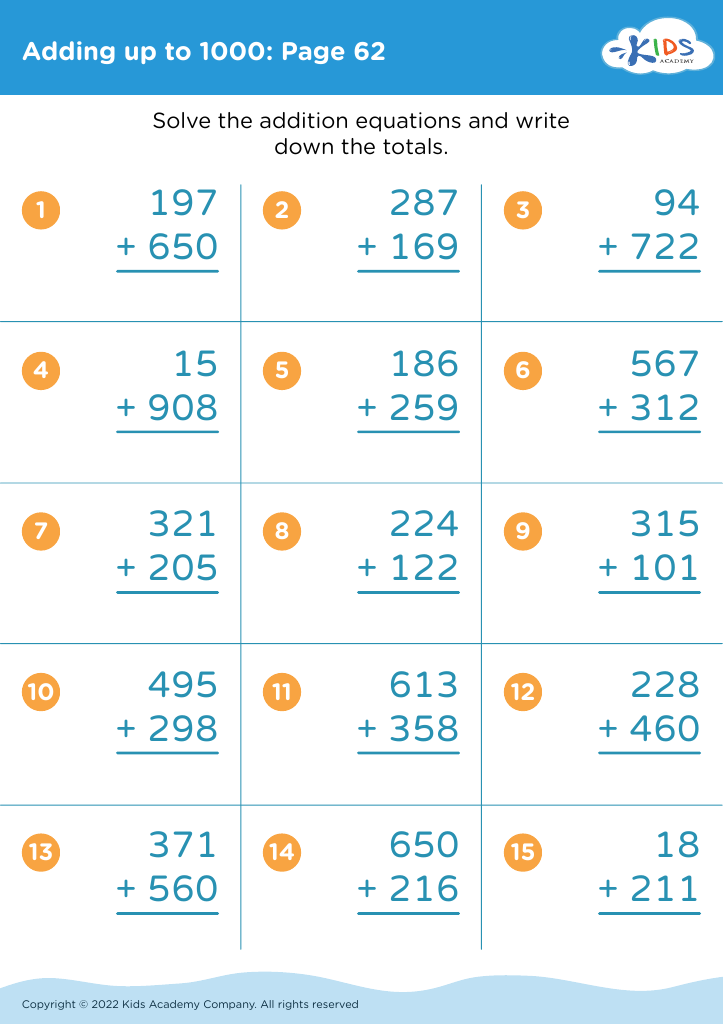
Adding up to 1000: Page 62

Adding up to 1000: Page 62

Adding up to 1000: Page 62
Worksheet
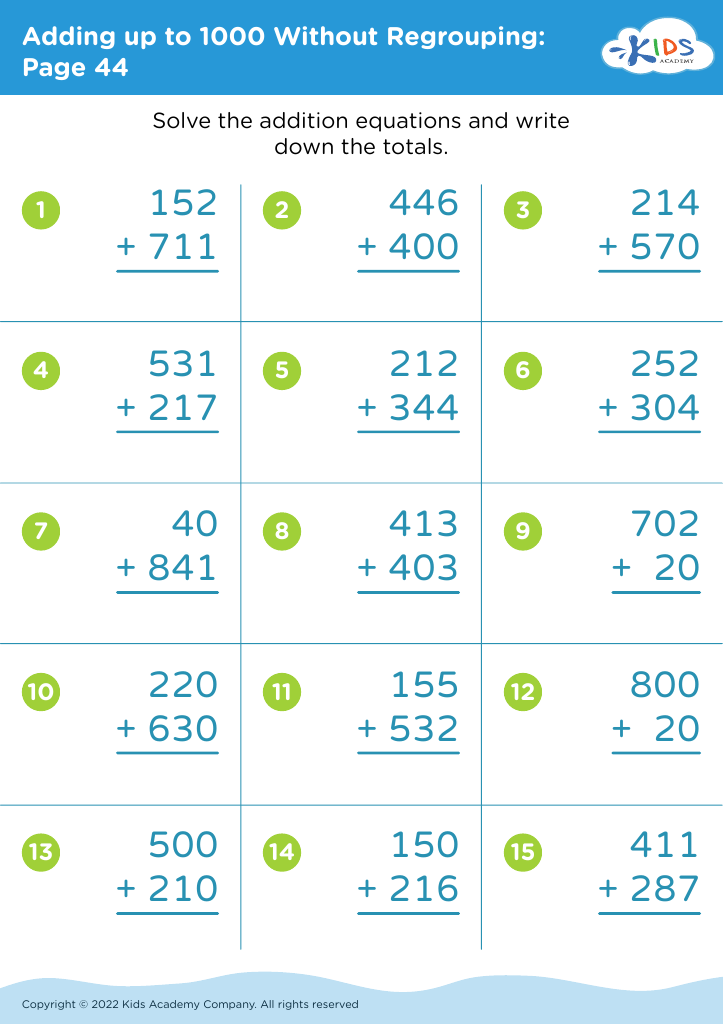
Adding up to 1000 Without Regrouping: Page 44
Worksheet
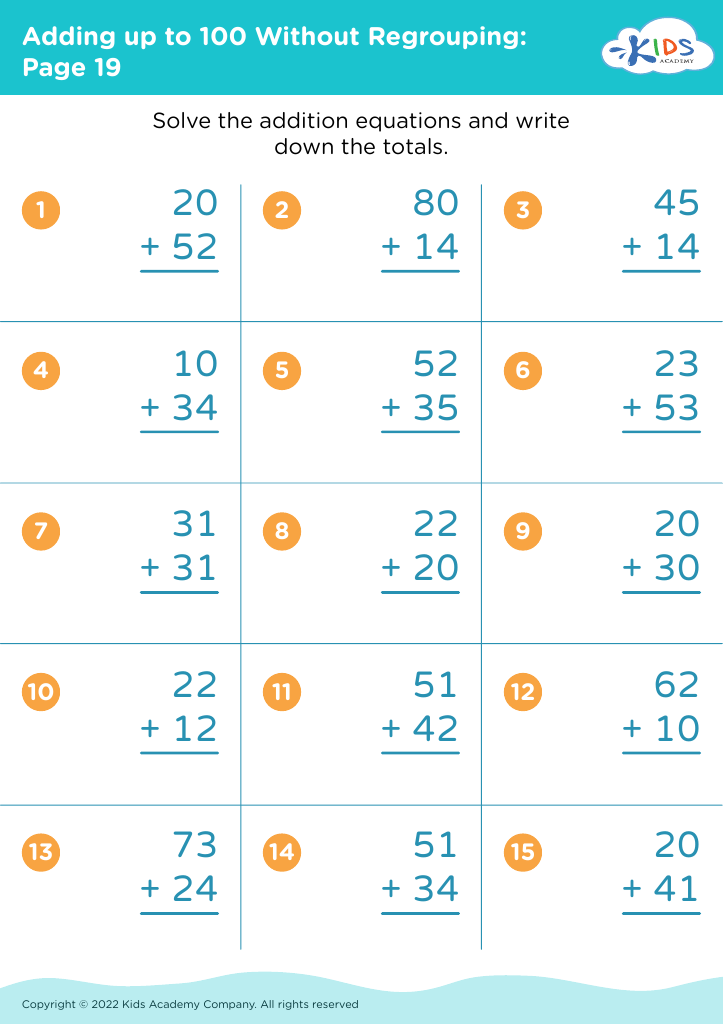
Adding up to 100 Without Regrouping: Page 19
Worksheet
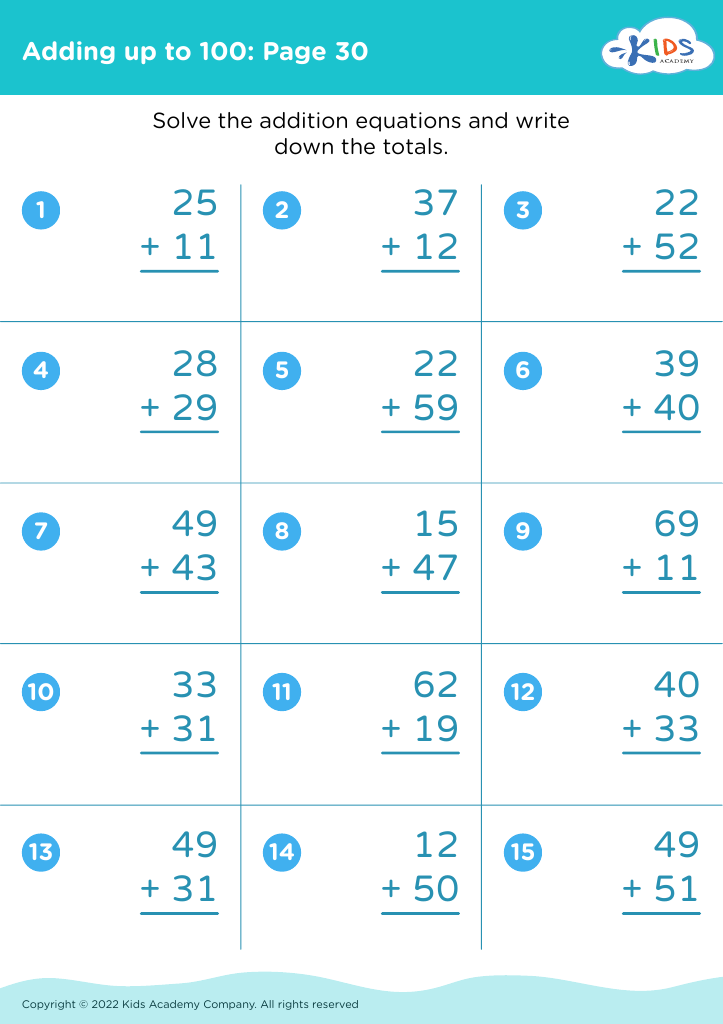
Adding up to 100: Page 30

Adding up to 100: Page 30

Adding up to 100: Page 30
Worksheet
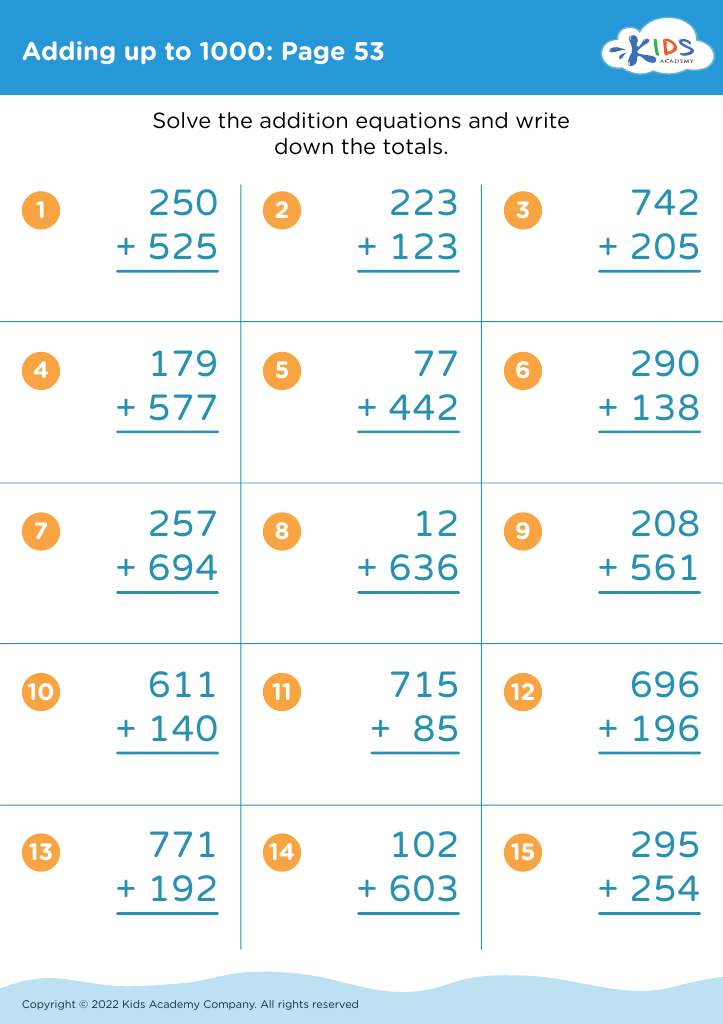
Adding up to 1000: Page 53

Adding up to 1000: Page 53

Adding up to 1000: Page 53
Worksheet
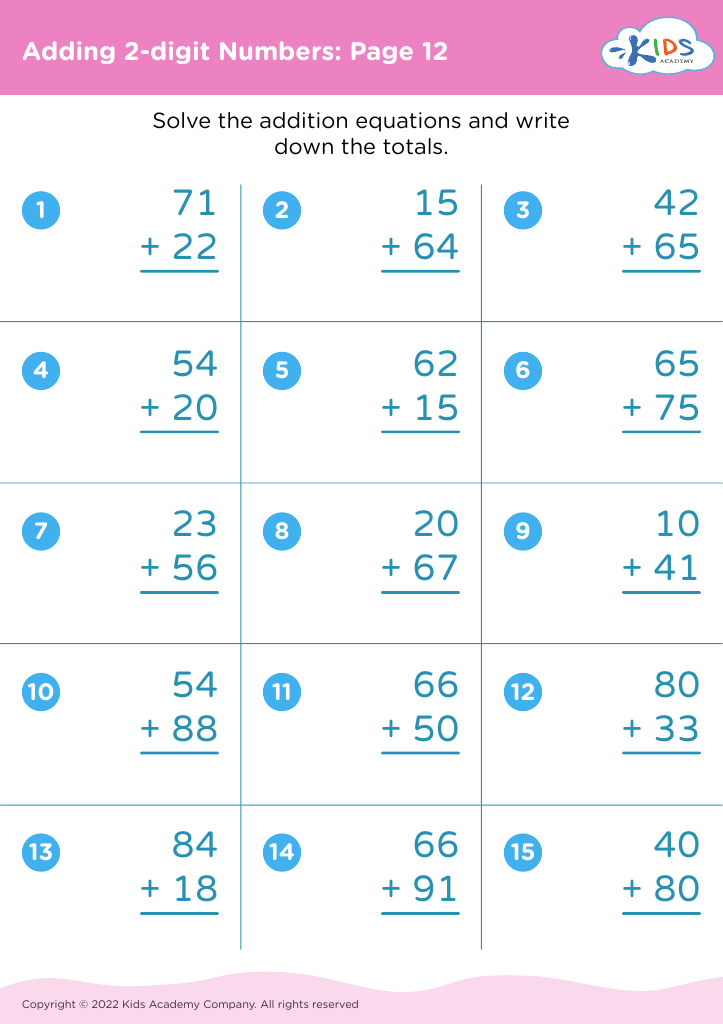
Adding 2-digit Numbers: Page 12

Adding 2-digit Numbers: Page 12

Adding 2-digit Numbers: Page 12
Worksheet
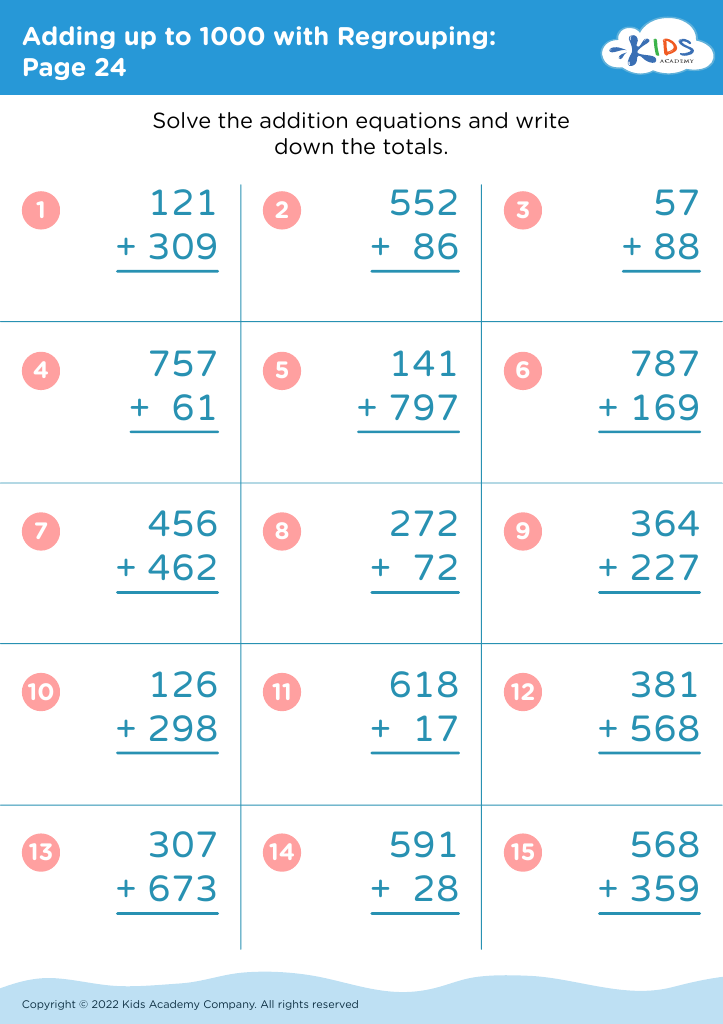
Adding up to 1000 with Regrouping: Page 24
Worksheet
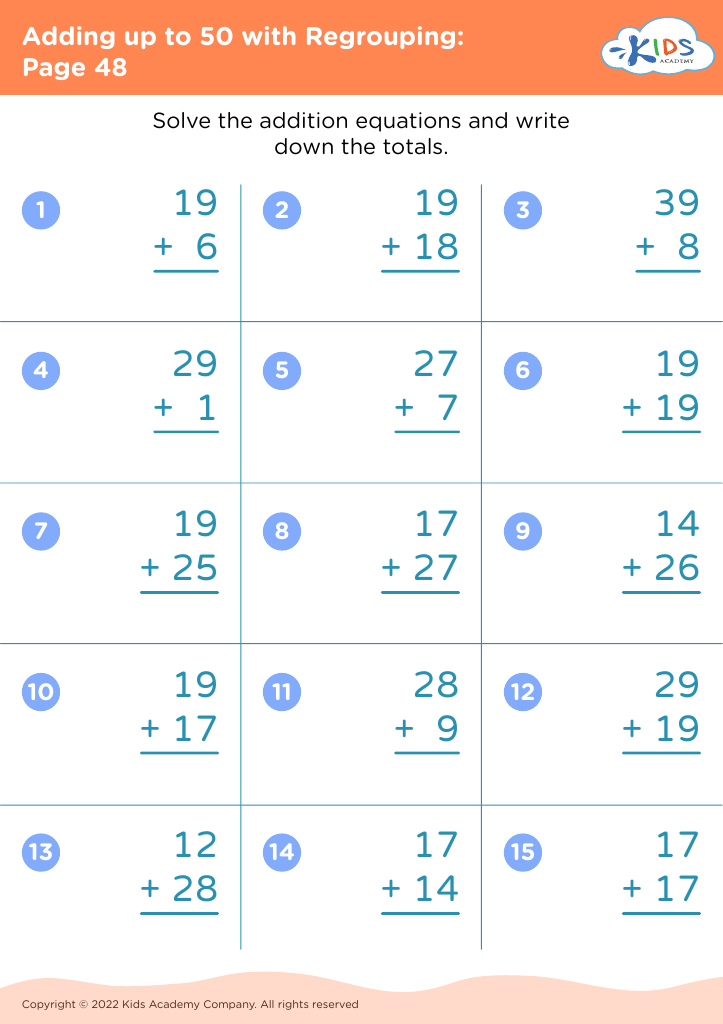
Adding up to 50 with Regrouping: Page 48
Worksheet
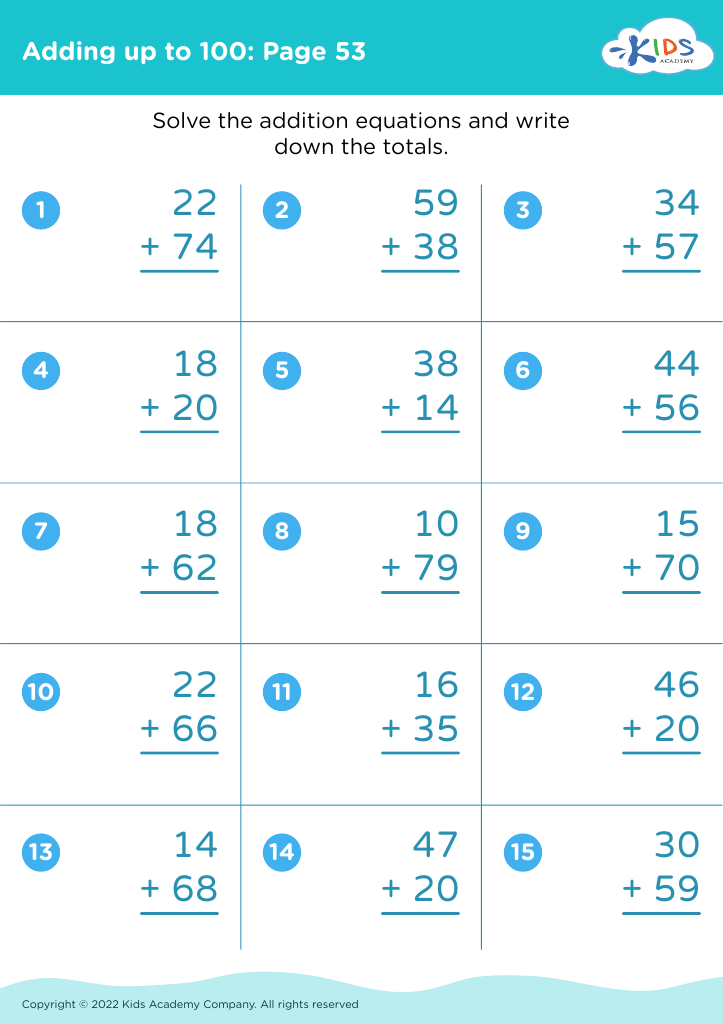
Adding up to 100: Page 53

Adding up to 100: Page 53

Adding up to 100: Page 53
Worksheet
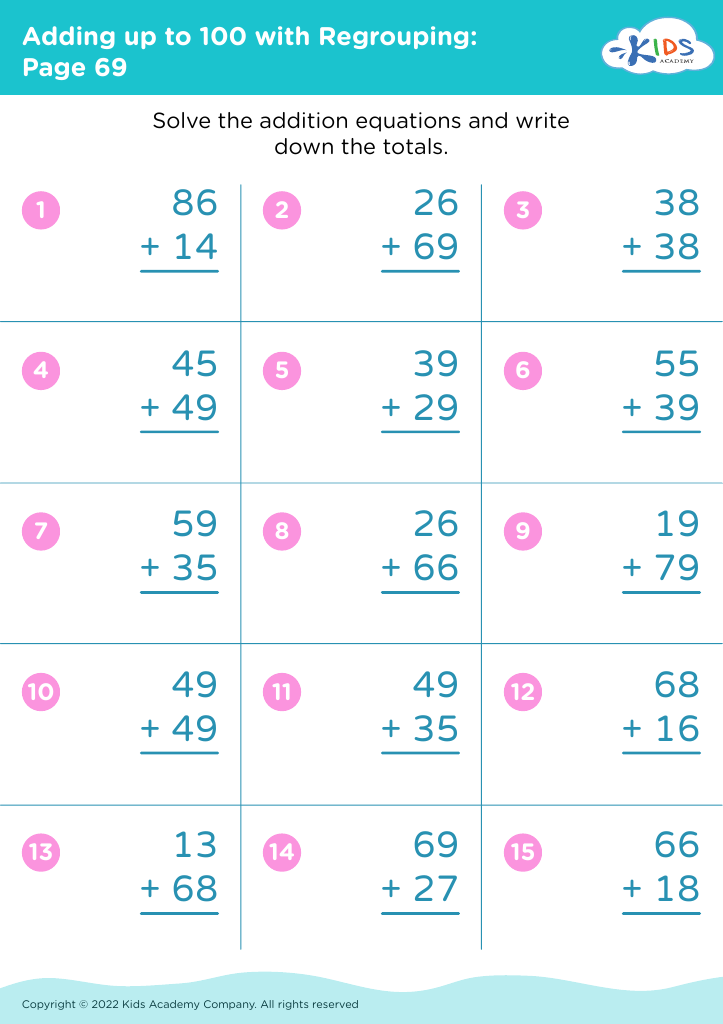
Adding up to 100 with Regrouping: Page 69
Worksheet
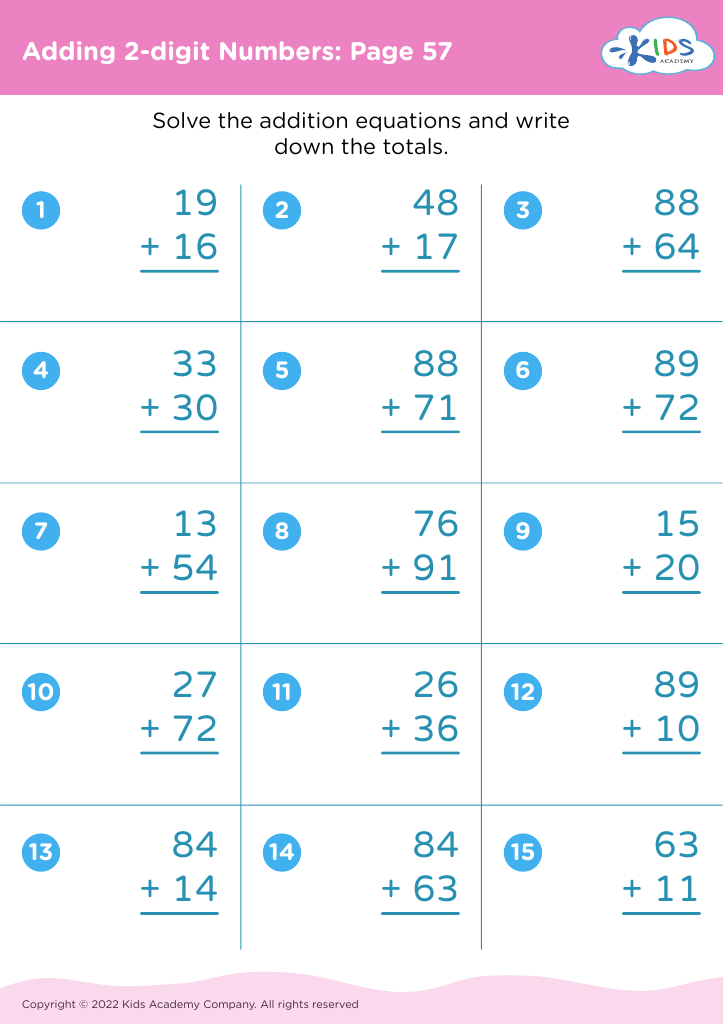
Adding 2-digit Numbers: Page 57

Adding 2-digit Numbers: Page 57

Adding 2-digit Numbers: Page 57
Worksheet


Parents and teachers should care about teaching fraction comparison, addition, and subtraction to children aged 7-8 because it lays the groundwork for essential mathematical understanding and future learning. At this pivotal age, students are developing critical thinking and problem-solving skills. Understanding fractions introduces them to more complex mathematical concepts and helps them relate math to real-world contexts, such as cooking or sharing portions equally.

By learning to compare, add, and subtract fractions, children enhance their numeracy skills, which are crucial for higher-level math subjects. These foundational skills ensure that children grasp the concept of parts of a whole, understand proportionality, and can interpret various ways of representing numbers. Additionally, mastering these skills fosters a sense of accomplishment and confidence in young learners, encouraging a positive attitude towards math.

Furthermore, developing these math skills early supports cognitive development. It strengthens their ability to analyze, reason, and solve problems - vital competencies not only in academics but in everyday life. Therefore, investing time and effort to help 7-8 year-olds understand fractions is critical for their academic growth and practical life readiness, setting them up for future success in mathematics and beyond.