Fraction identification Addition & Subtraction Worksheets for Ages 7-8
5 filtered results
-
From - To
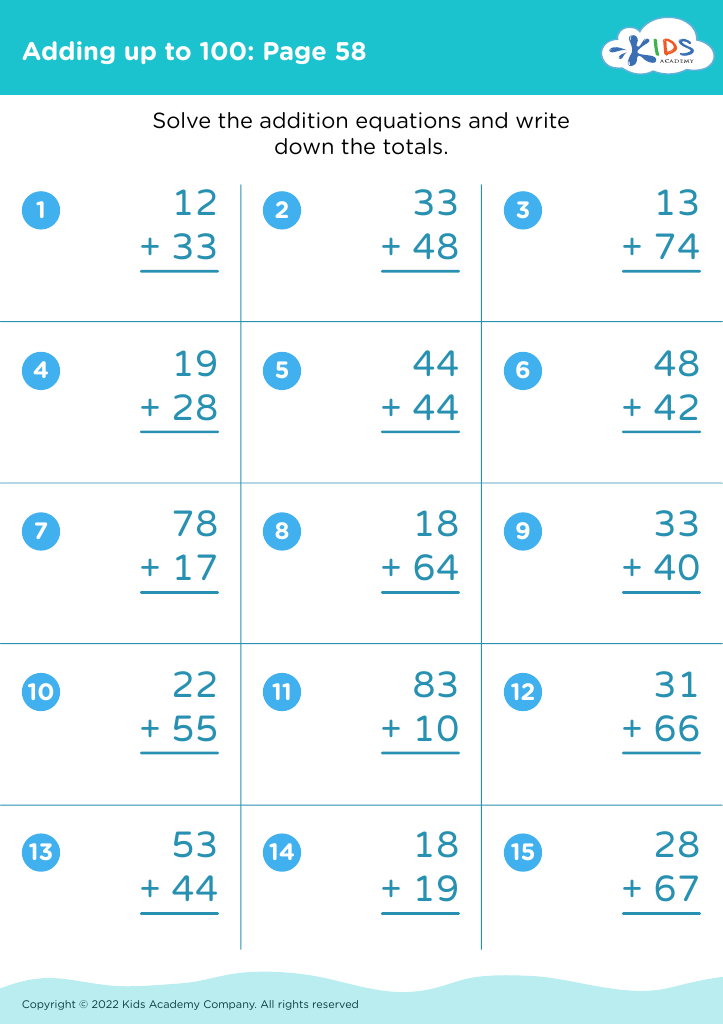
Discover our "Fraction Identification, Addition & Subtraction Worksheets for Ages 7-8" designed to make mastering fractions fun and engaging. Perfect for young learners, these worksheets are crafted to aid kids in understanding and identifying fractions. With colorful visuals and practical exercises, students practice adding and subtracting fractions in an exciting and educational way. Build essential math skills and enhance your child's confidence with our expertly created resources. Ideal for classroom or at-home learning, these worksheets lay the foundation for future mathematical success. Download now and watch your child thrive in mastering fractions!
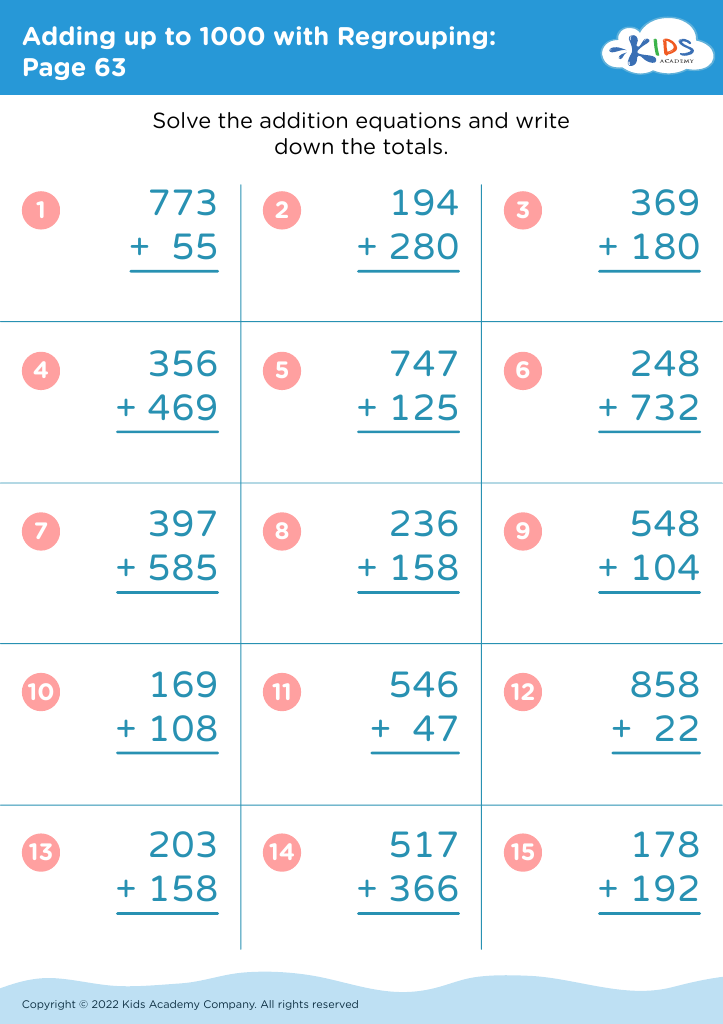
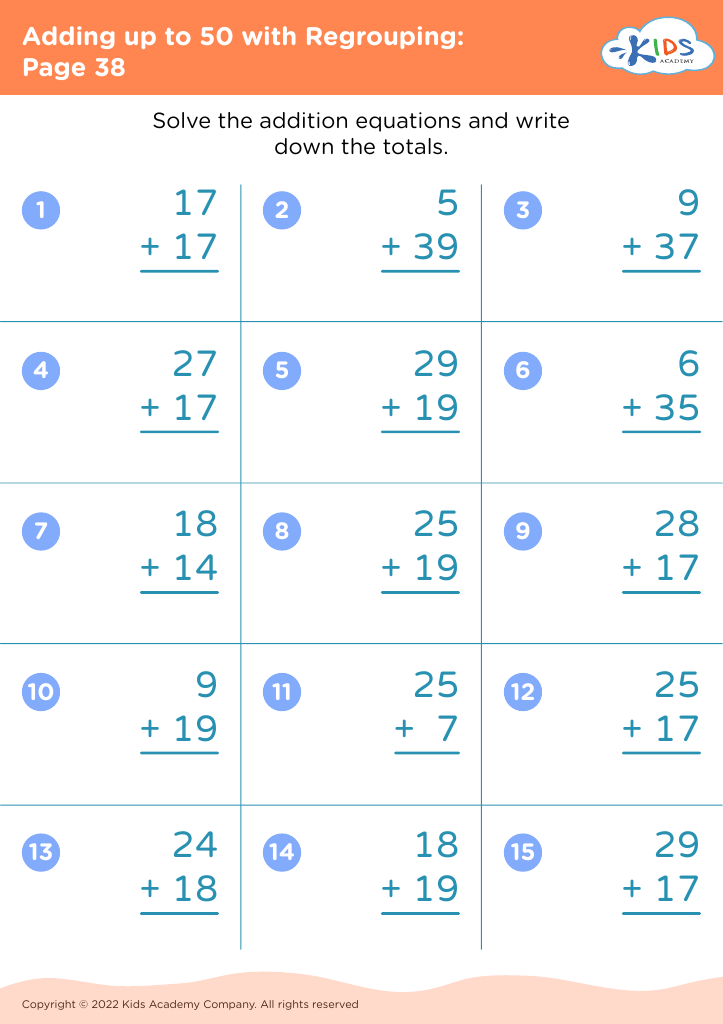
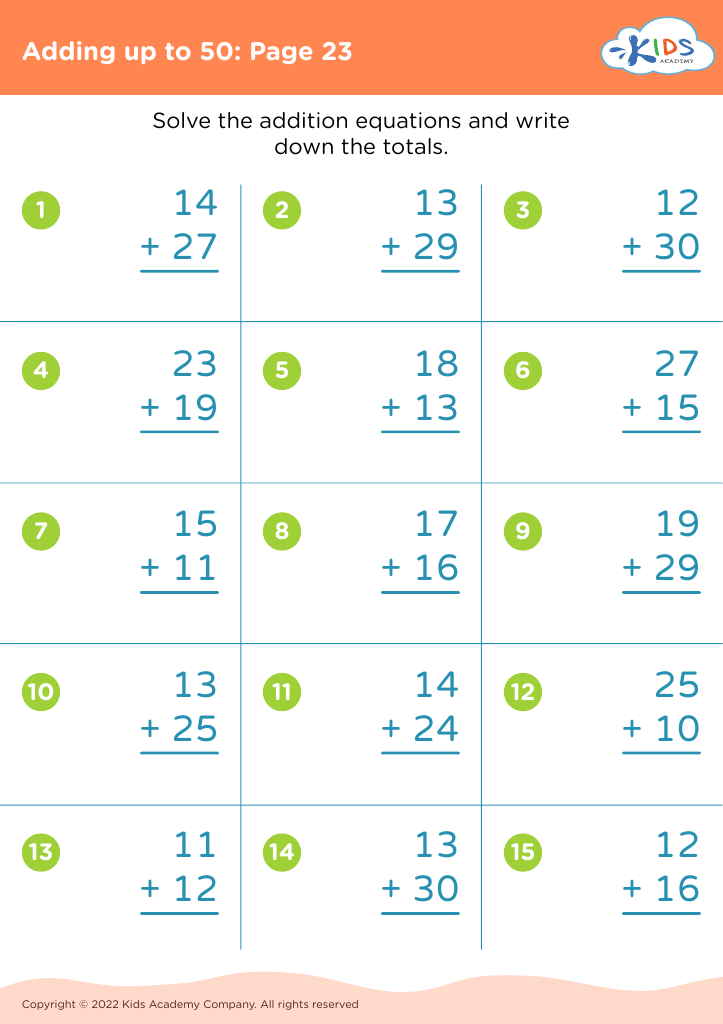
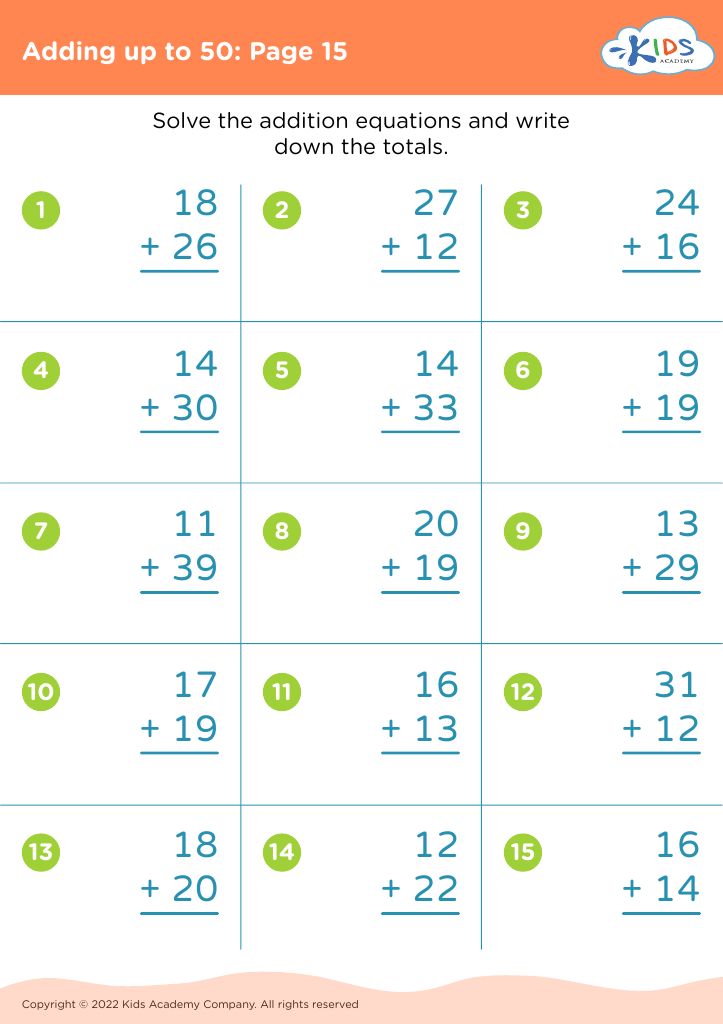








Parents and teachers should prioritize fraction identification, addition, and subtraction for children aged 7-8 because these skills are foundational for their continued success in mathematics. At this stage in development, children are learning to comprehend numerical relationships and the nature of parts of a whole. Mastering fractions early on allows children to build confidence and develop a more refined sense of number sense.
Introducing fractions provides a critical bridge between whole numbers and more complex mathematical concepts they will encounter later, such as ratios, percentages, and algebra. Including addition and subtraction of fractions helps children practice logical thinking, problem-solving, and analytical reasoning skills, which are essential across all subjects.
Moreover, understanding fractions has practical, real-life implications. Children frequently encounter fractions in daily activities like cooking, sharing, and time management. By gaining proficiency in these operations, they become better equipped to engage effectively in day-to-day tasks and scenarios requiring mathematical competence.
Importantly, struggling with fractions can lead to math anxiety, which might discourage children from pursuing STEM-related fields in the future. Hence, strong support from parents and teachers can foster a positive and resilient attitude towards math. Enthusiasm and encouragement at this pivotal stage can set children on a path of academic confidence and success.








