Identifying fractions Addition & Subtraction Worksheets for Ages 7-8
4 filtered results
-
From - To
Discover our engaging Identifying Fractions Addition & Subtraction Worksheets designed specifically for children aged 7-8. These worksheets provide a fun and interactive way for young learners to master fraction concepts and operations through addition and subtraction. Each worksheet features colorful visuals, real-life examples, and age-appropriate exercises that strengthen understanding and foster confidence in math skills. With a focus on critical thinking and problem-solving, your child will practice identifying fractions in various contexts while improving their overall mathematical abilities. Perfect for home or classroom use, these resources ensure a comprehensive learning experience that makes fractions exciting and approachable.
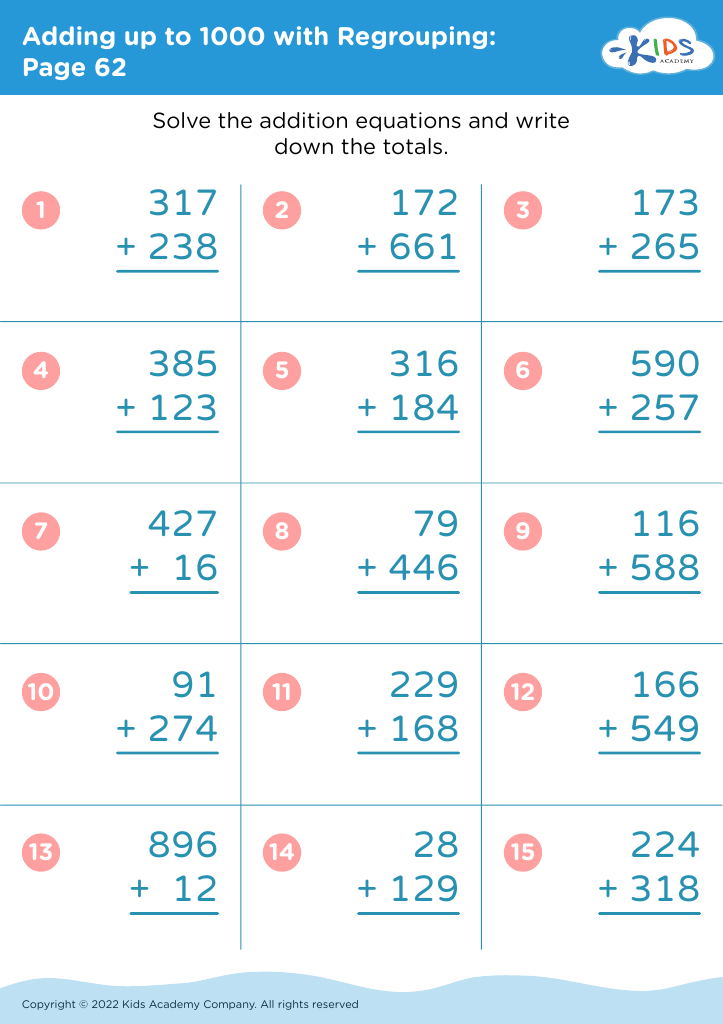
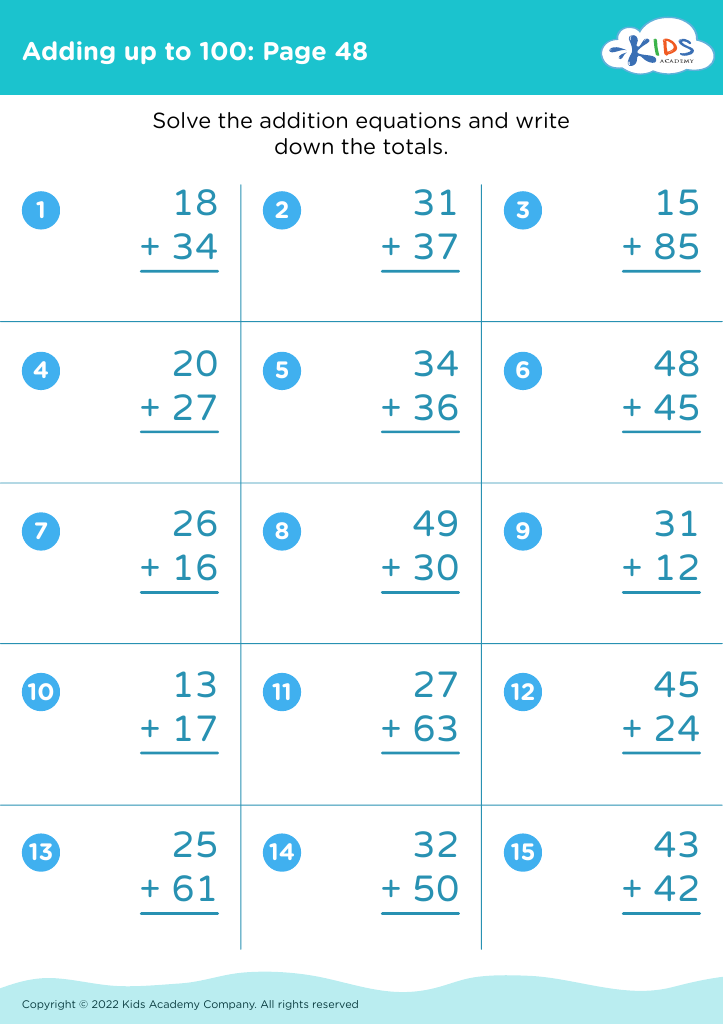
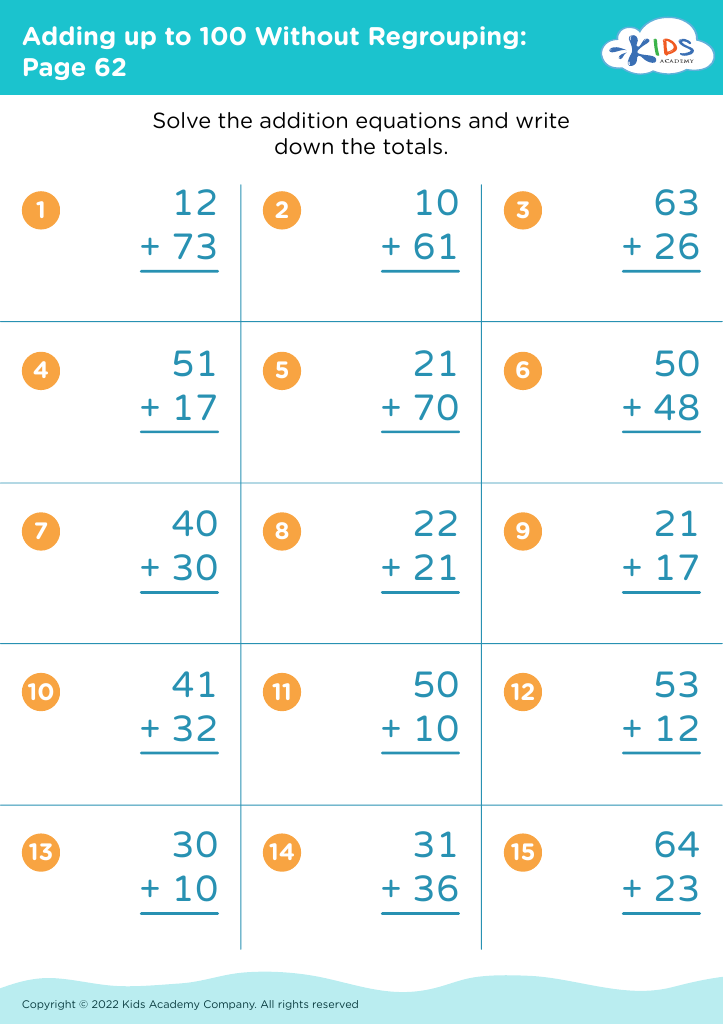
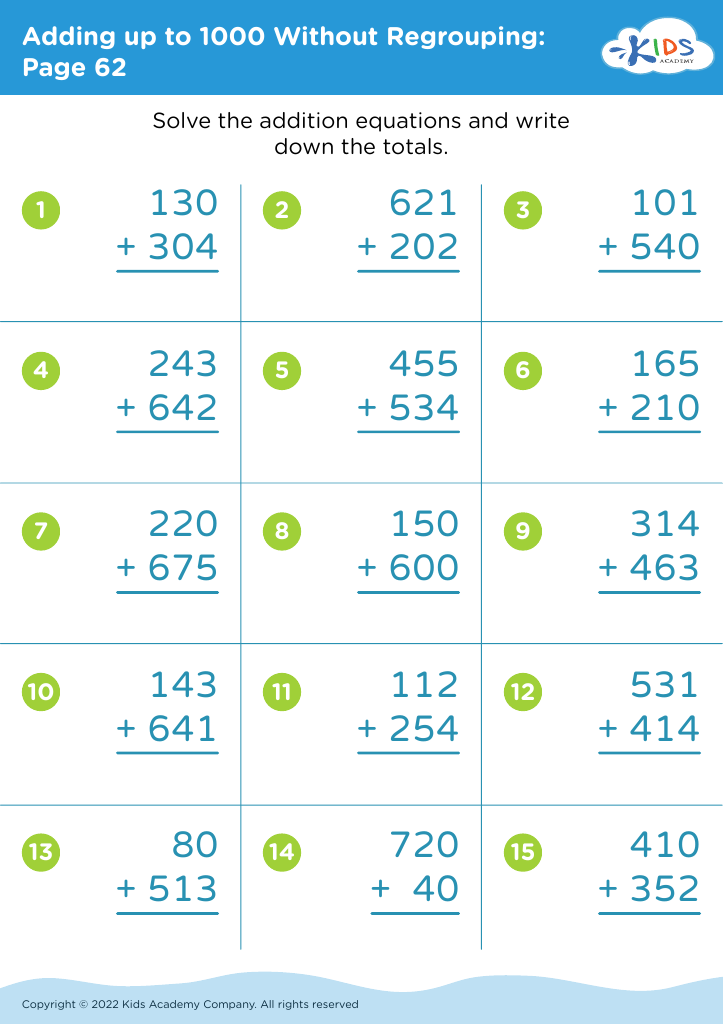








Identifying fractions, particularly in addition and subtraction, is crucial for children aged 7-8 as it lays the foundation for their mathematical skills. At this age, students transition from basic arithmetic to more complex operations, and understanding fractions is an essential part of that journey.
Fractions are encountered in everyday life, from cooking to shopping, requiring children to compare, add, and subtract fractional quantities. By mastering these skills early, students not only enhance their problem-solving abilities but also build confidence in their math skills, which can positively affect their attitude towards mathematics in later years.
Parents and teachers should care about this subject area because effective teaching of fractions promotes deep understanding, critical thinking, and logical reasoning. Mastery of addition and subtraction with fractions encourages children to work with different representations of numbers, fostering a more holistic view of mathematics.
Additionally, a solid grasp of fractions contributes to performance on standardized tests and future math courses, establishing a strong foundation for advanced concepts like ratios, proportions, and algebra. Fostering an interest in fractions can influence lifelong learning in math, making it vital for parents and educators to prioritize this area of mathematical education.








