Logical thinking Addition & Subtraction Worksheets for Ages 7-8
9 filtered results
-
From - To
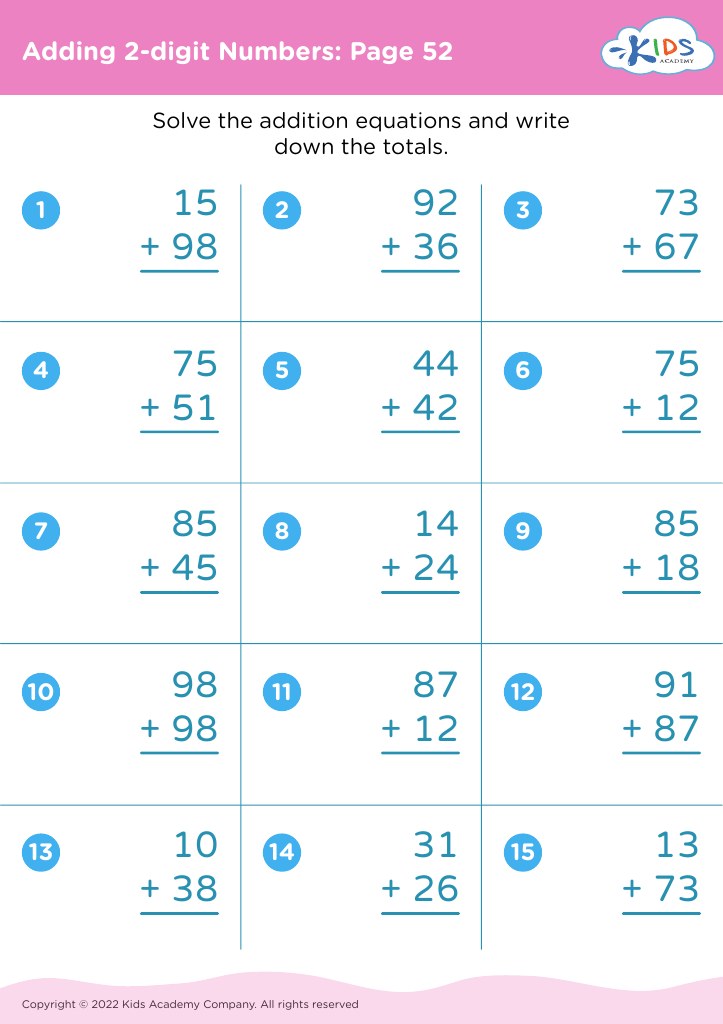
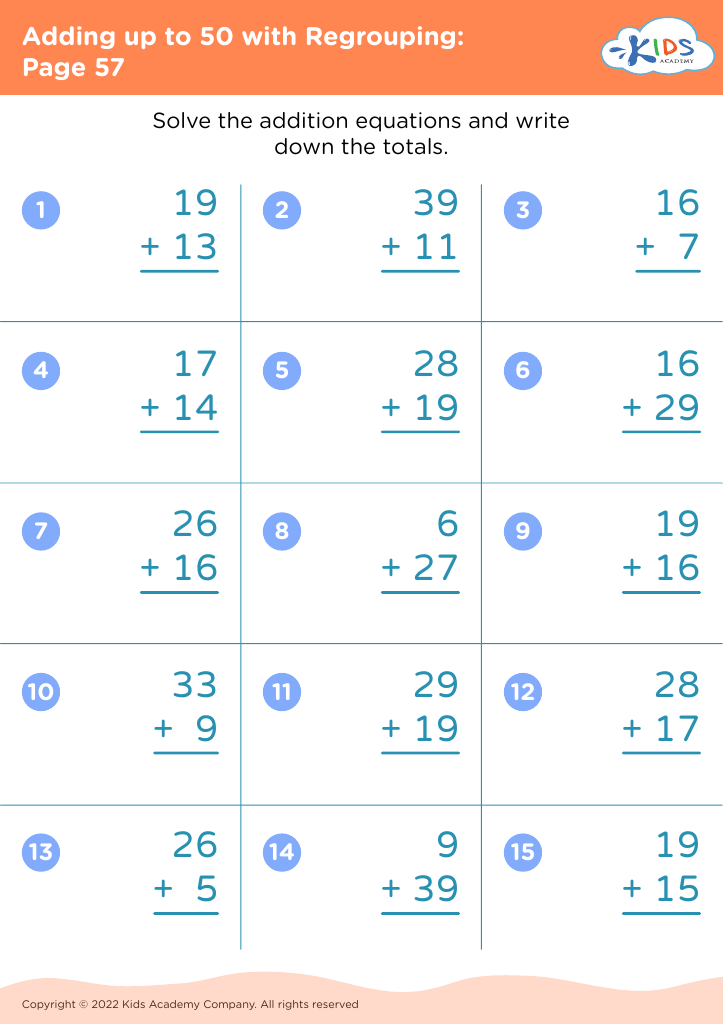
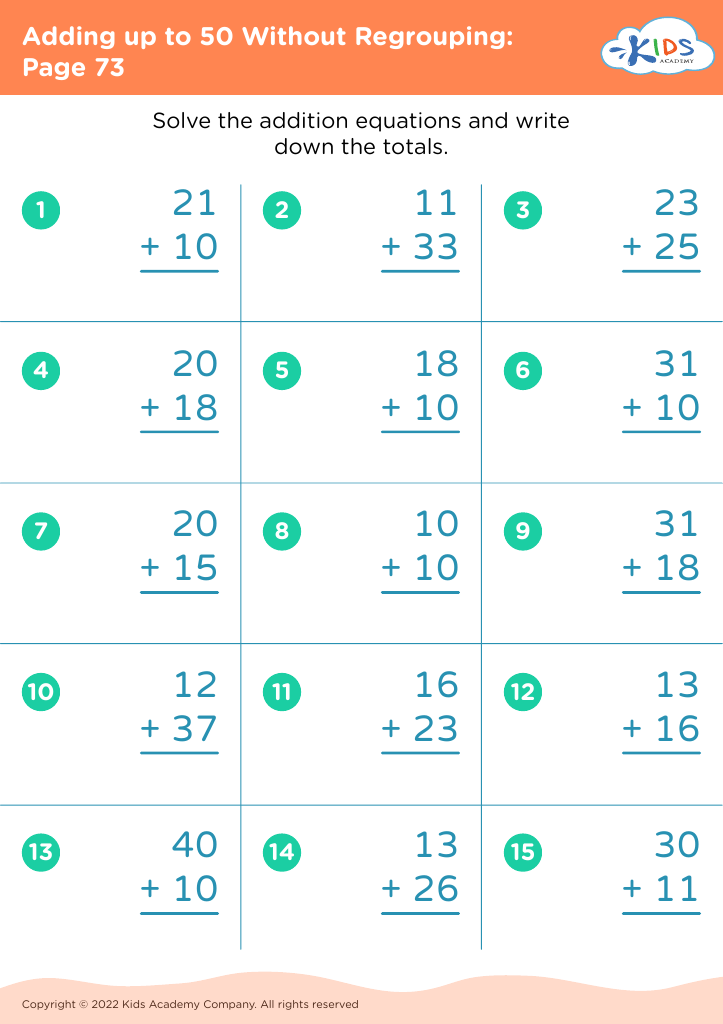
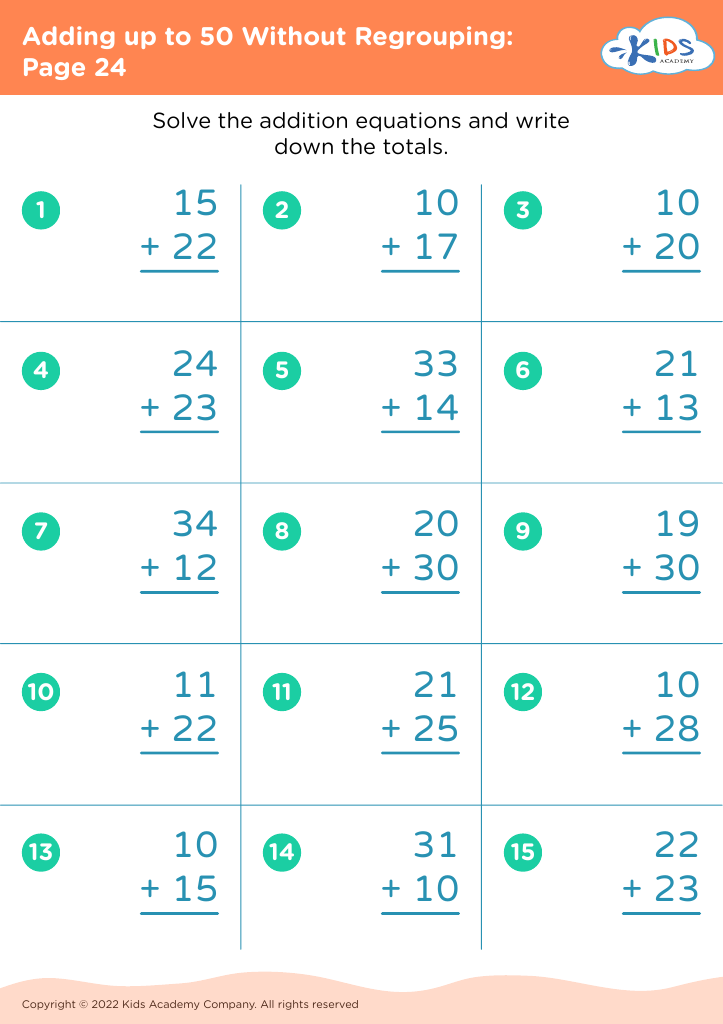
Enhance your child's logical thinking skills with our Addition and Subtraction Worksheets tailored for ages 7-8! Designed to make math engaging and exciting, these worksheets challenge young learners to apply critical thinking while solving addition and subtraction problems. Each activity is crafted to bolster reasoning abilities, develop problem-solving strategies, and build confidence in mathematical concepts. With a variety of interactive exercises, your child will enjoy exploring numbers and patterns in fun ways. Perfect for at-home learning or classroom use, our worksheets are an excellent resource for parents and teachers alike, ensuring children master essential math skills while nurturing their logic. Download today!
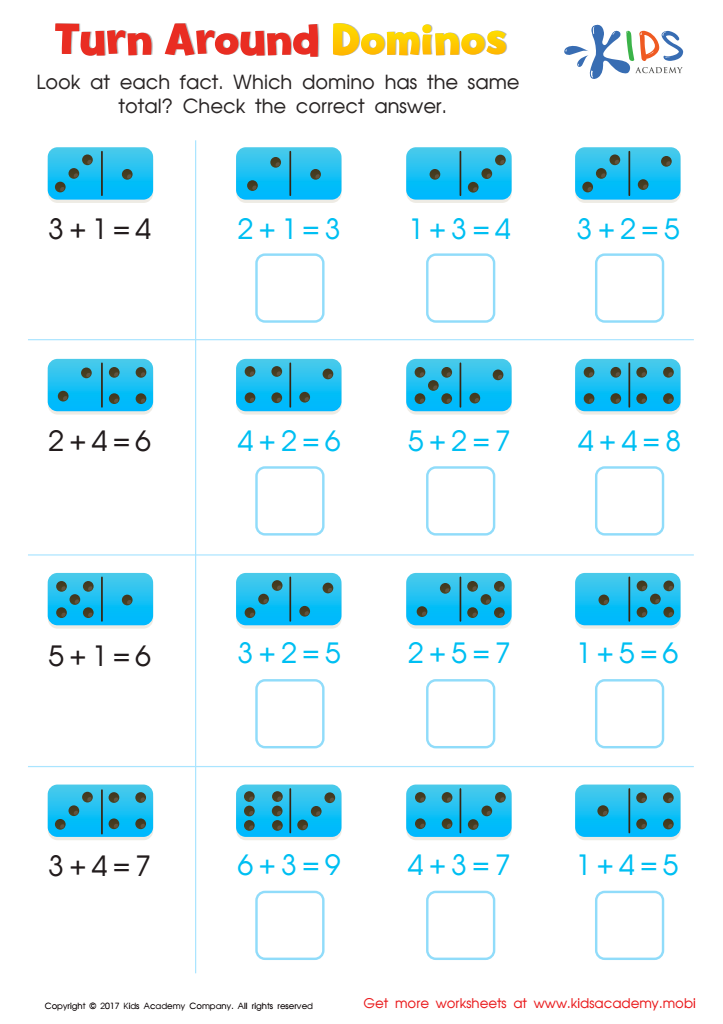
Turn Around Dominos Worksheet
 Assign to My Students
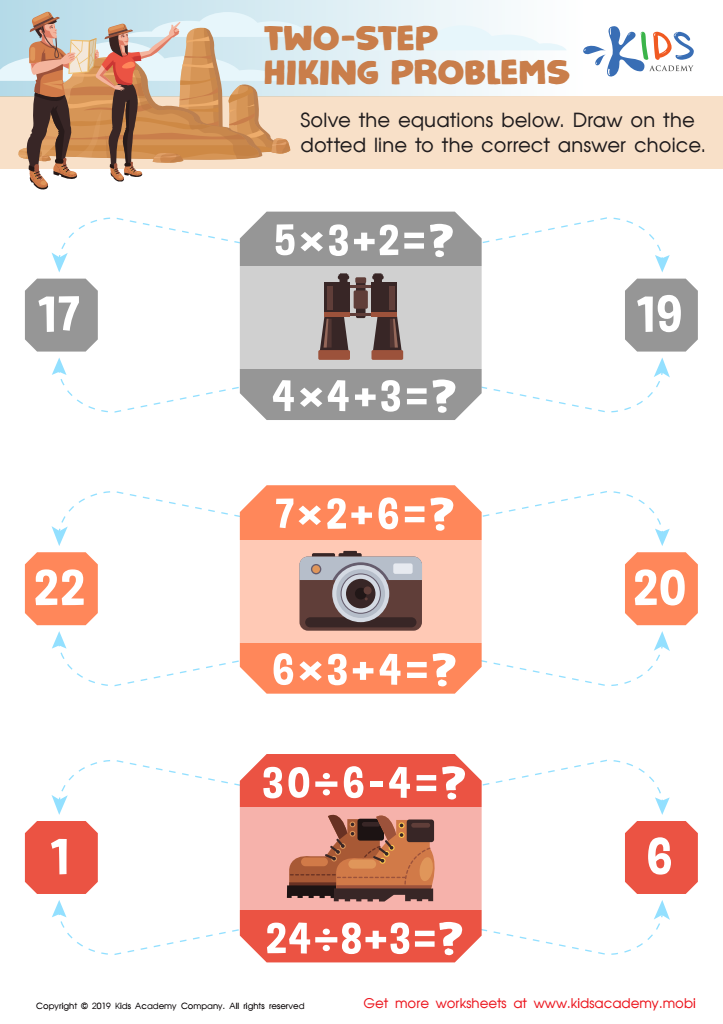
Two-Step Hiking Problems Worksheet
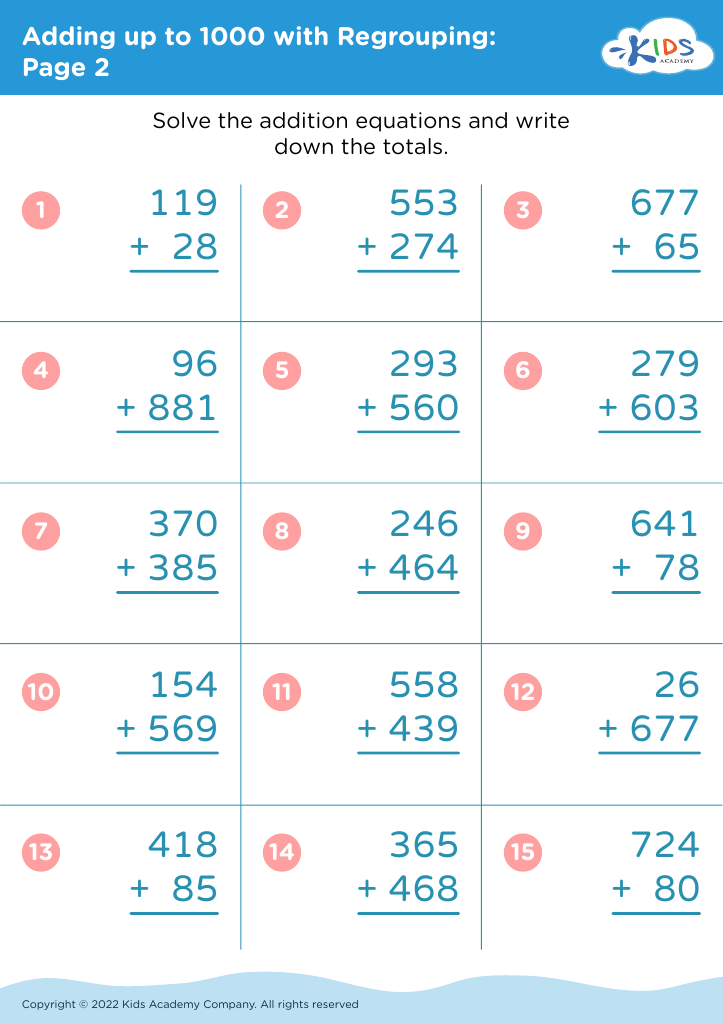








Logical thinking in addition and subtraction is crucial for children aged 7-8, as it lays the foundation for their math comprehension and problem-solving skills. At this developmental stage, children are transitioning from basic operations to more complex mathematical concepts. Honing their logical thinking enables them to recognize patterns, understand relationships between numbers, and apply these skills to real-life situations.
Teaching parents and teachers the importance of fostering logical thinking is essential because it promotes critical thinking abilities. When children understand why certain strategies work in addition and subtraction, they are more likely to retain these concepts. This understanding can lead to increased confidence in tackling math problems, ultimately sparking a positive attitude toward learning.
Moreover, logical reasoning supports interdisciplinary connections, as it can enrich discussions in subjects like science and economics. As children apply these skills, they develop resilience and the ability to approach challenges methodically.
By cultivating an environment that encourages logical thinking in early math education, parents and teachers provide children with vital tools that extend beyond the classroom, preparing them for future academic pursuits and real-world challenges. Engaging with logical thinking equips children with the skills necessary to excel in life.








