
Number identification Addition & Subtraction Worksheets for Ages 7-8
4 filtered results
Difficulty Level
Grade
Age
-
From - To
Subject
Activity
Standards
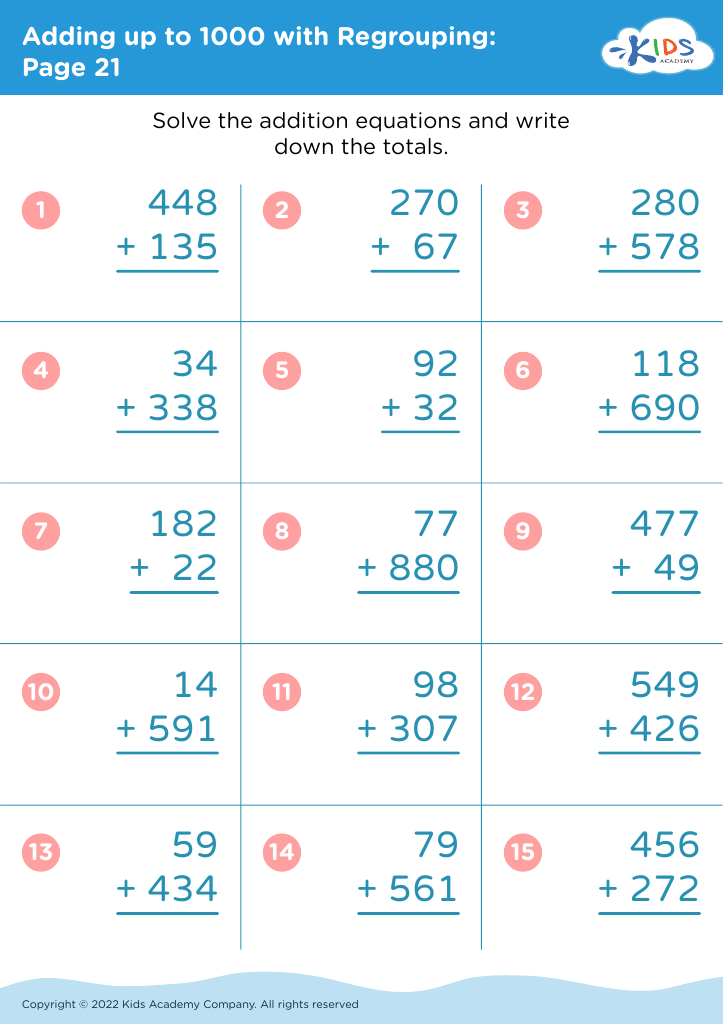
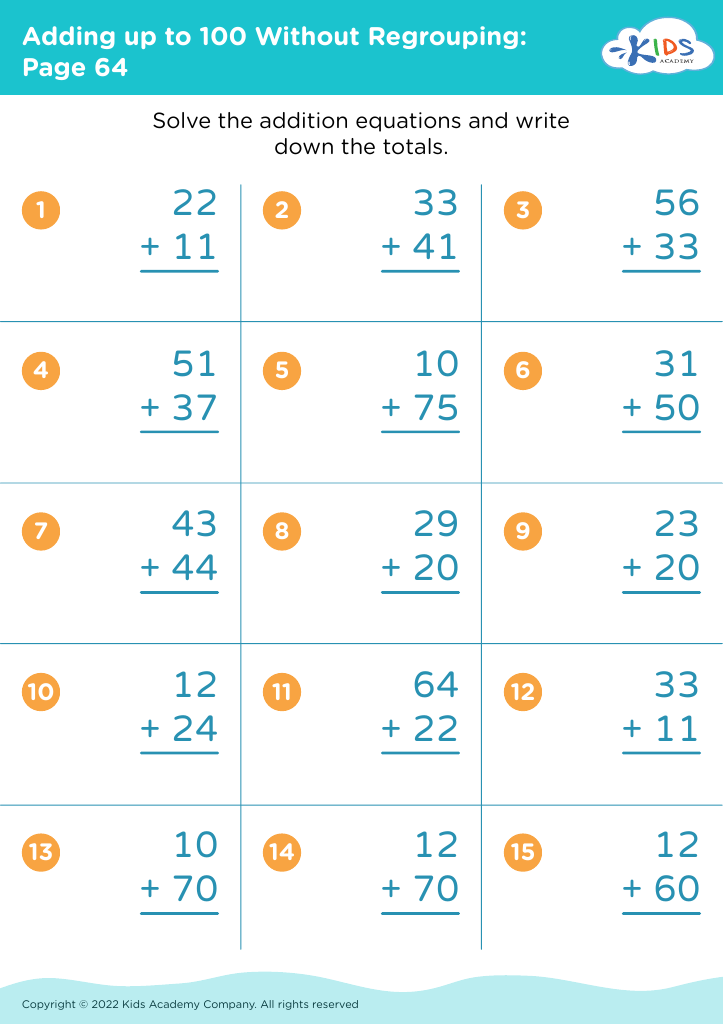
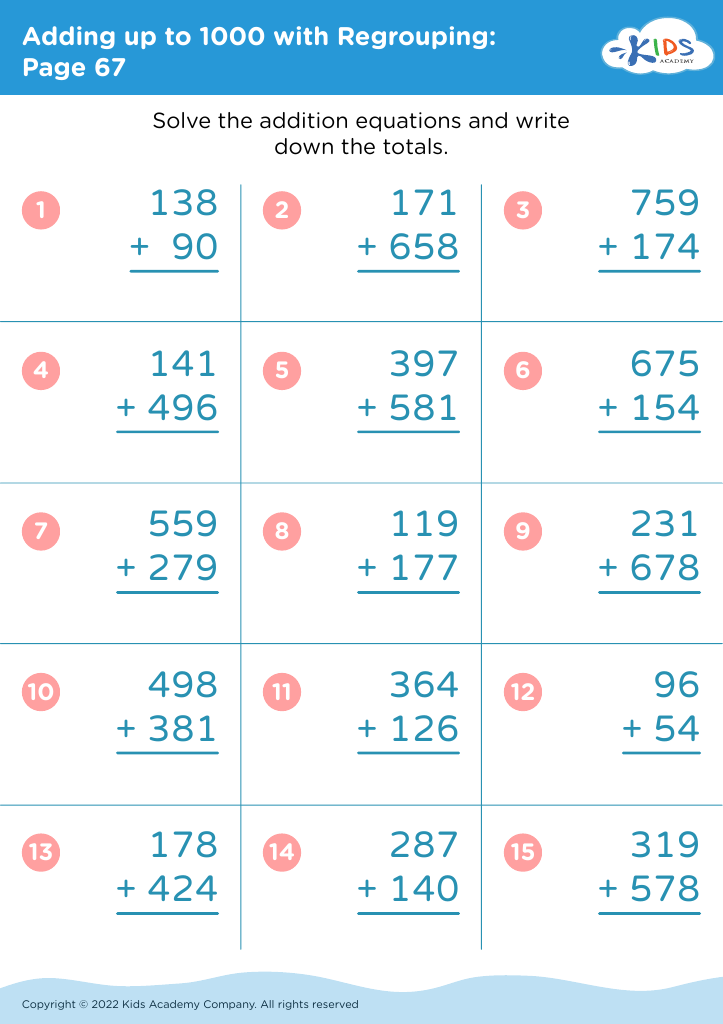
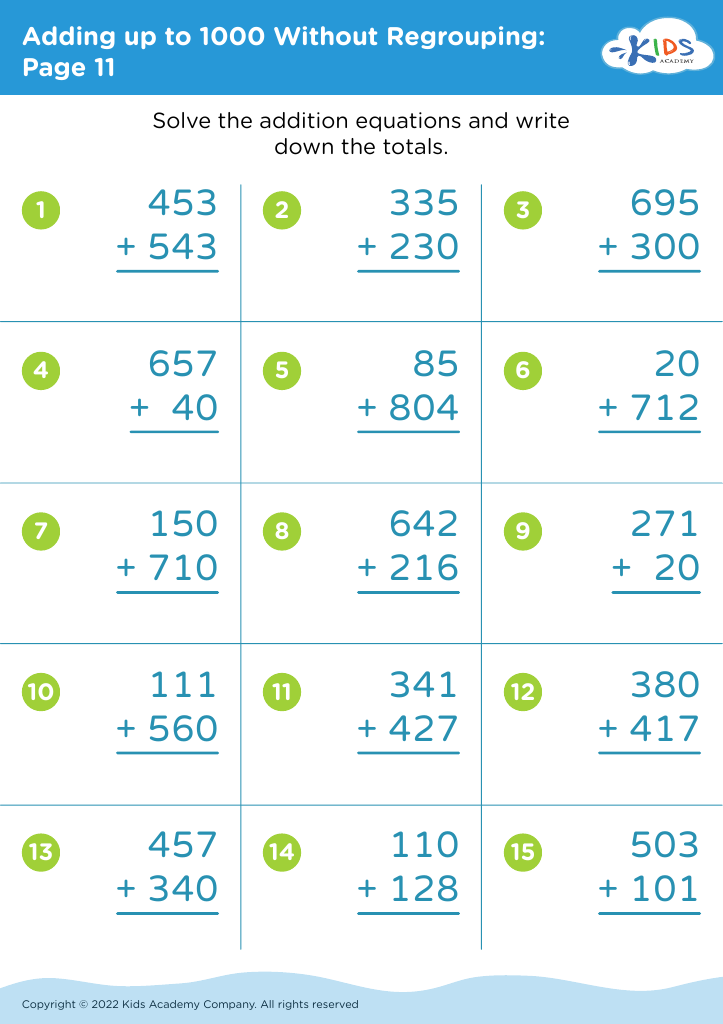
Explore our engaging Number Identification Addition and Subtraction Worksheets, specially designed for children aged 7-8. These interactive worksheets foster essential skills in recognizing numbers while reinforcing basic addition and subtraction concepts. Perfect for enhancing math proficiency, each activity encourages kids to identify, compare, and manipulate numbers through fun exercises and captivating illustrations. With our carefully crafted materials, young learners will gain confidence in their math abilities while enjoying the learning process. Whether in the classroom or at home, these worksheets provide valuable practice and support key mathematical foundations for future success. Start your child's math journey today!
Favorites
With answer key
Interactive
Join Kids Academy for Free
Who is primarily going to use this learning content?








Parents and teachers should prioritize number identification, addition, and subtraction skills for children aged 7-8 because these foundational math concepts are essential for academic success and everyday life. At this age, children begin to transition from basic counting to more complex problem-solving, which is crucial for their cognitive development.
Mastering number identification allows children to recognize and interpret numerical information, which is vital for tasks like reading prices, measuring ingredients for a recipe, or understanding time. Addition and subtraction are the building blocks of mathematics; when children grasp these concepts, they develop critical thinking skills and the ability to tackle more advanced topics, such as multiplication, division, and fractions, later on.
Furthermore, strong math skills boost confidence, leading to a more positive attitude towards learning. This age serves as a crucial period in developing a strong math identity and overcoming any fear of the subject. Teachers and parents can collaborate to create engaging activities and real-world examples that make math enjoyable, fostering a lifelong appreciation for learning. Investing in these skills now will empower children to become proficient problem solvers, with lasting benefits in their academic journeys and daily lives.








