Practice division Addition & Subtraction Worksheets for Ages 7-8
3 filtered results
-
From - To
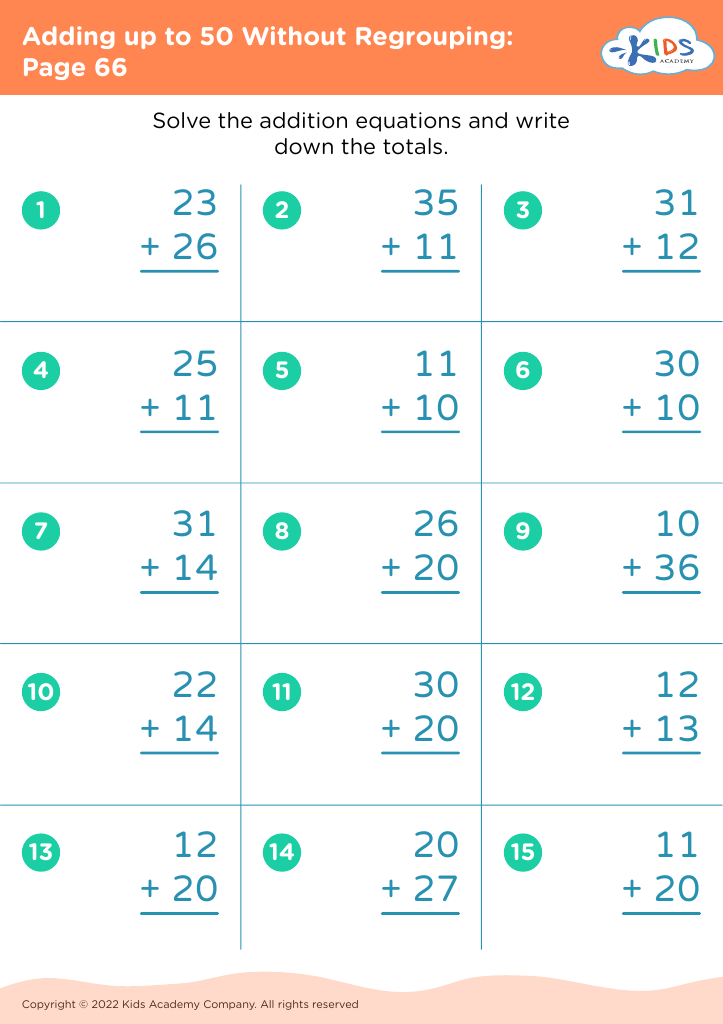
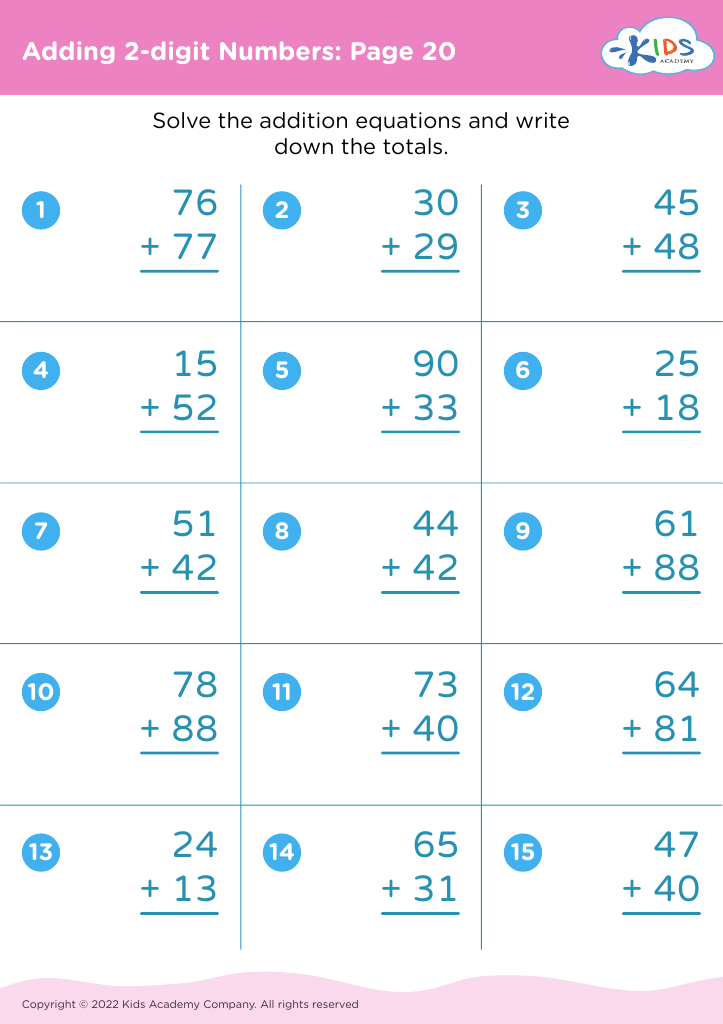
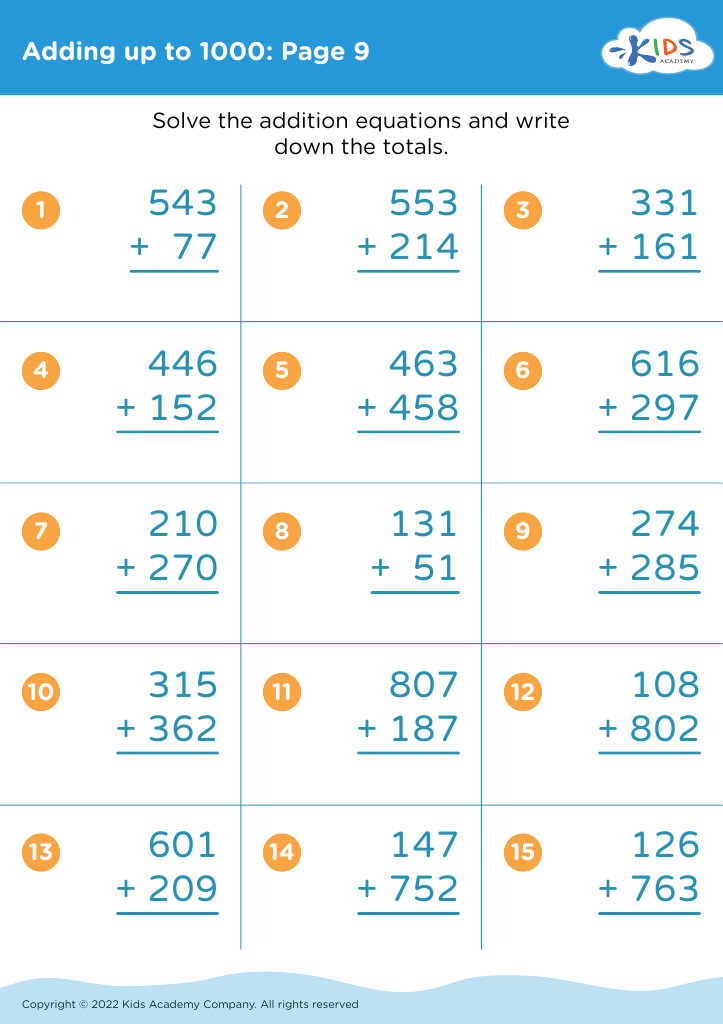
Enhance your child’s math skills with our engaging Practice Division, Addition, and Subtraction Worksheets designed specifically for ages 7-8. These printable worksheets help young learners master essential arithmetic concepts through easy-to-follow exercises. With a focus on building confidence in math, our worksheets incorporate colorful visuals and fun challenges, making learning enjoyable and effective. Children will practice their division, addition, and subtraction skills in a supportive environment while strengthening their problem-solving abilities. Perfect for homeschoolers and classroom activities, these resources aim to keep your child motivated and excited about numbers. Explore our collection today and watch your child's math proficiency soar!








Parents and teachers should prioritize practice in division, addition, and subtraction for children aged 7-8 because these foundational mathematical skills are critical for a child's overall academic development. Mastery of these operations not only enhances number fluency but also boosts confidence in mathematics, which is essential as children begin to tackle more complex concepts.
At this age, learners are more likely to encounter real-world applications of math, such as sharing items, budgeting allowance, or planning activities, which makes understanding these operations relevant and engaging. Moreover, basic arithmetic serves as a building block for higher-level math, including fractions, multiplication, and problem-solving skills that children will encounter later.
Frequent practice helps solidify these concepts in a child's memory, making them proficient and allowing for faster and more accurate calculations. This efficiency can lead to a more positive attitude towards math and a reduction of anxiety associated with complex computations in later grades. Ultimately, investing time in these basic skills can have lasting benefits, fostering a love for math and strengthening critical thinking abilities, laying the groundwork for success in all areas of learning.








