
Practicing multiplication Addition & Subtraction Worksheets for Ages 7-8
10 filtered results
Difficulty Level
Grade
Age
-
From - To
Subject
Activity
Standards
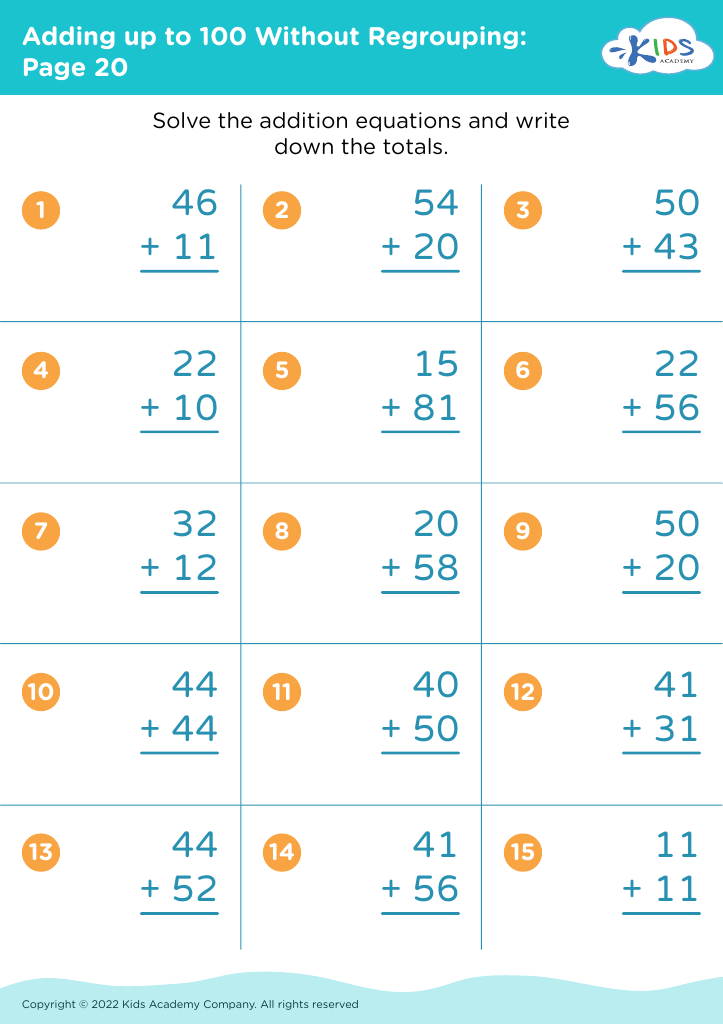
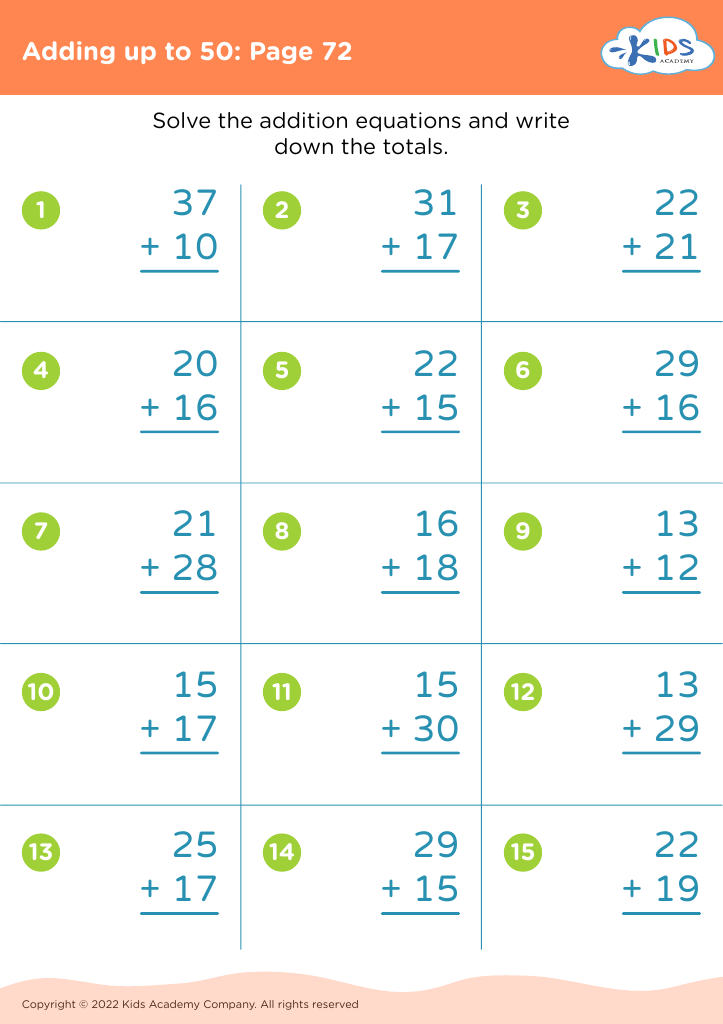
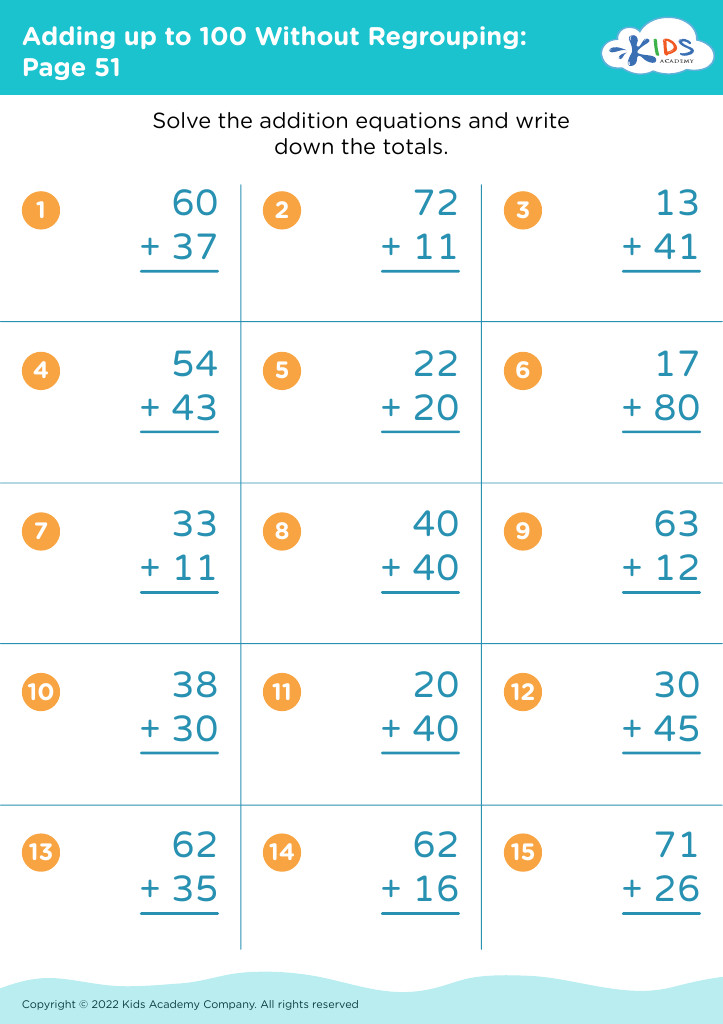
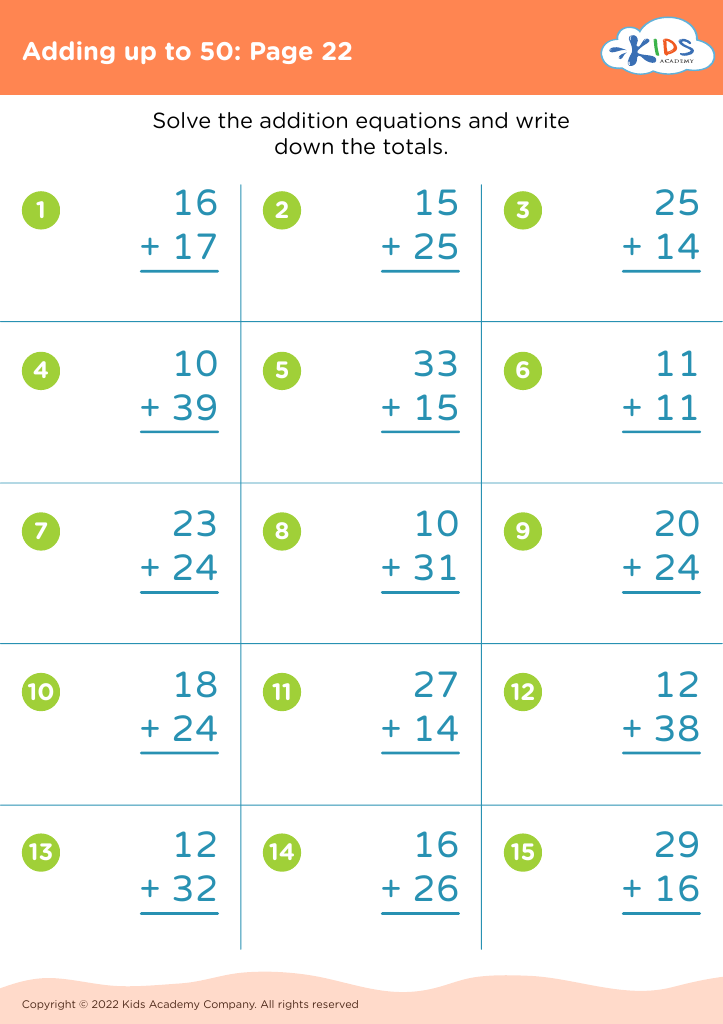
Enhance your child's math skills with our engaging practicing multiplication, addition, and subtraction worksheets designed specifically for ages 7-8. These printable worksheets offer a fun and interactive way for young learners to master essential arithmetic concepts. Each worksheet is crafted to build a strong mathematical foundation, featuring a variety of problems that encourage problem-solving and critical thinking. Perfect for classroom use or at-home learning, our resources ensure that children enjoy a comprehensive and enjoyable learning experience. Download our worksheets today and watch your child's confidence in math grow as they practice and excel in these fundamental skills!
Favorites
With answer key
Interactive
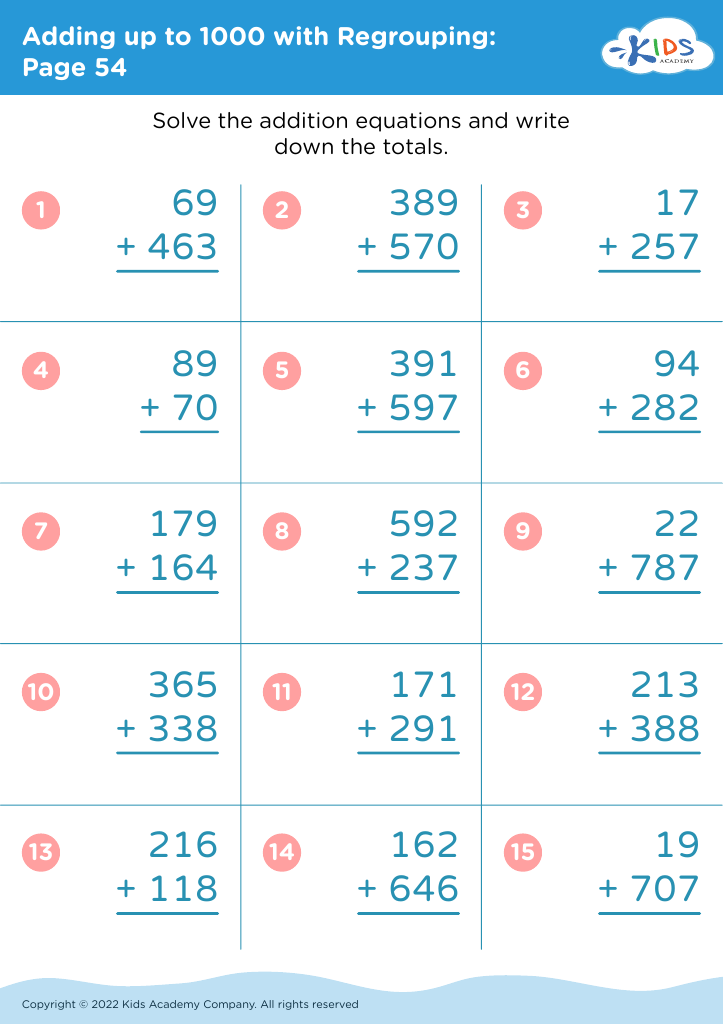
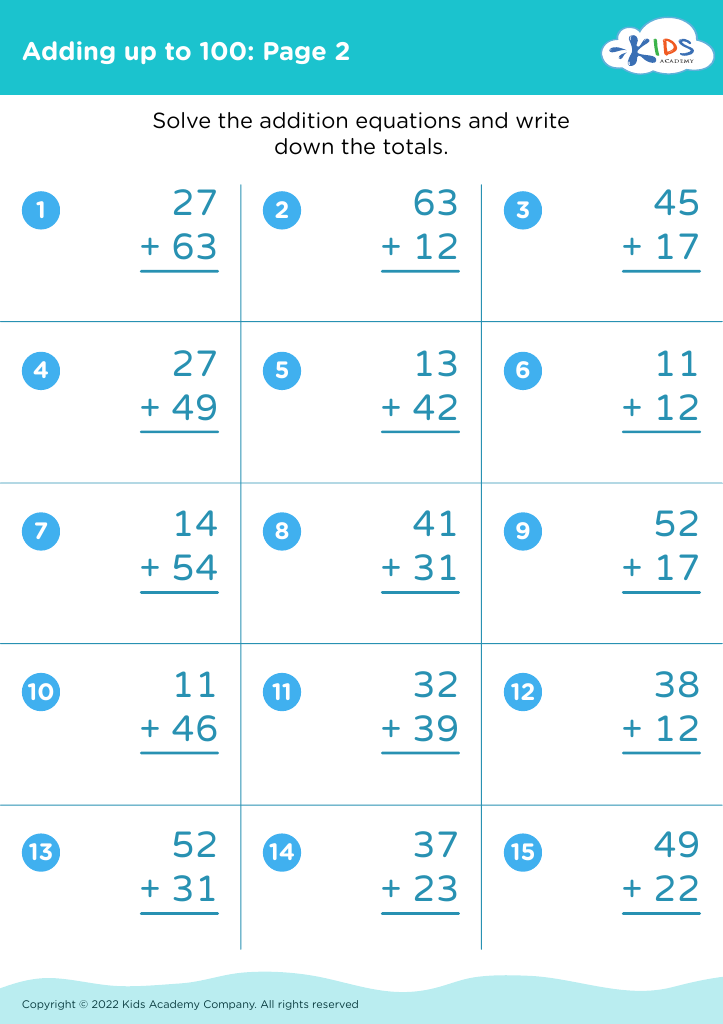
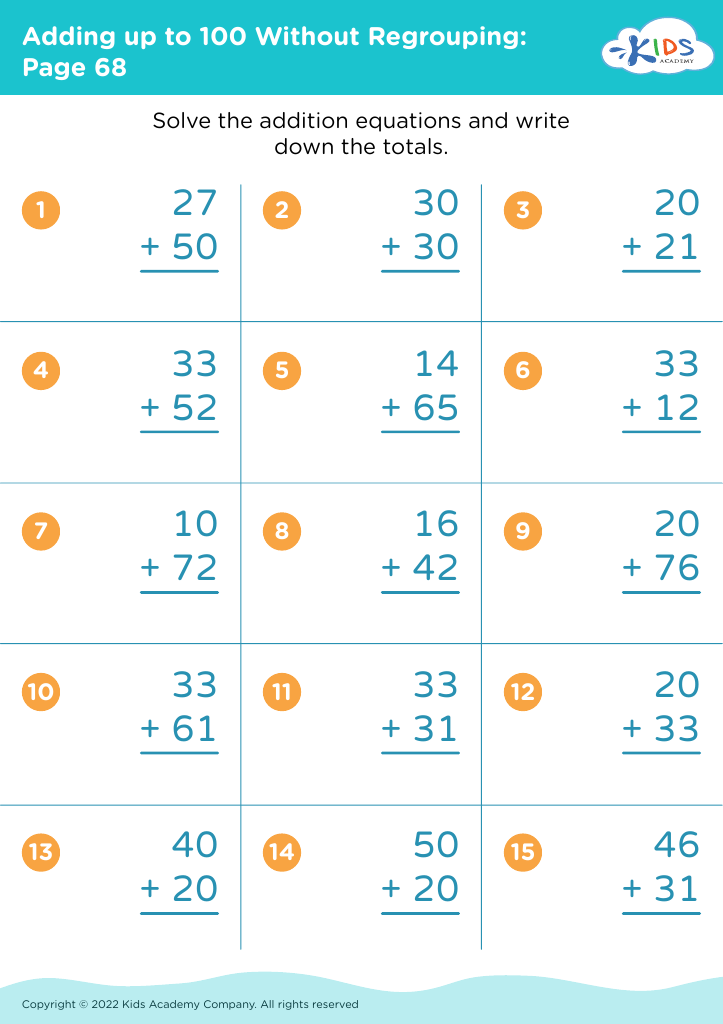
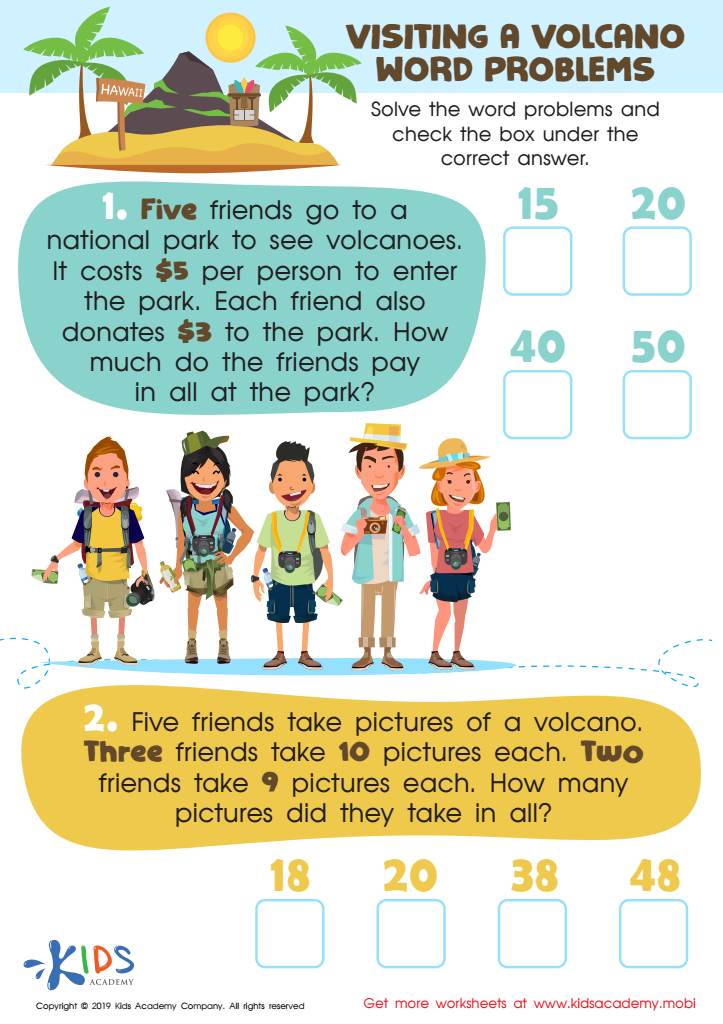
Visiting a Volcano Word Problems Worksheet
Read the word problems to your kids, note down the numbers and help them solve. Check the box under the correct answer. Word problems are sentences posed as math problems; just like regular number problems, first you must understand and interpret the sentence.
 Assign to My Students
Visiting a Volcano Word Problems Worksheet
Worksheet
Join Kids Academy for Free
Who is primarily going to use this learning content?








Practicing multiplication, addition, and subtraction for children aged 7-8 is crucial for several reasons. At this age, children transition from simple arithmetic to more complex problem-solving. Mastering these foundational skills not only enhances their mathematical fluency but also builds confidence in their ability to tackle increasingly challenging concepts. Consistent practice reinforces understanding and helps children recognize patterns, which is essential for advancing to advanced operations such as division and fractions.
Moreover, strong computation skills support overall academic success. Many subjects rely on an understanding of math, from science to economics. By mastering basic addition, subtraction, and multiplication, children can more easily engage with real-world applications, such as managing money or measuring ingredients for cooking.
For parents and teachers, promoting these skills in an engaging and supportive way encourages a positive attitude toward learning, making math feel less daunting. Collaborative activities, games, and interactive exercises can transform practice into an enjoyable experience, fostering a love of math. Ultimately, a strong mathematical foundation helps children build resilience and problem-solving skills that will serve them well throughout their academic journey and beyond. Thus, emphasizing these practices during ages 7-8 is vital for holistic development in young learners.








