Shape identification Addition & Subtraction Worksheets for Ages 7-8
13 filtered results
-
From - To
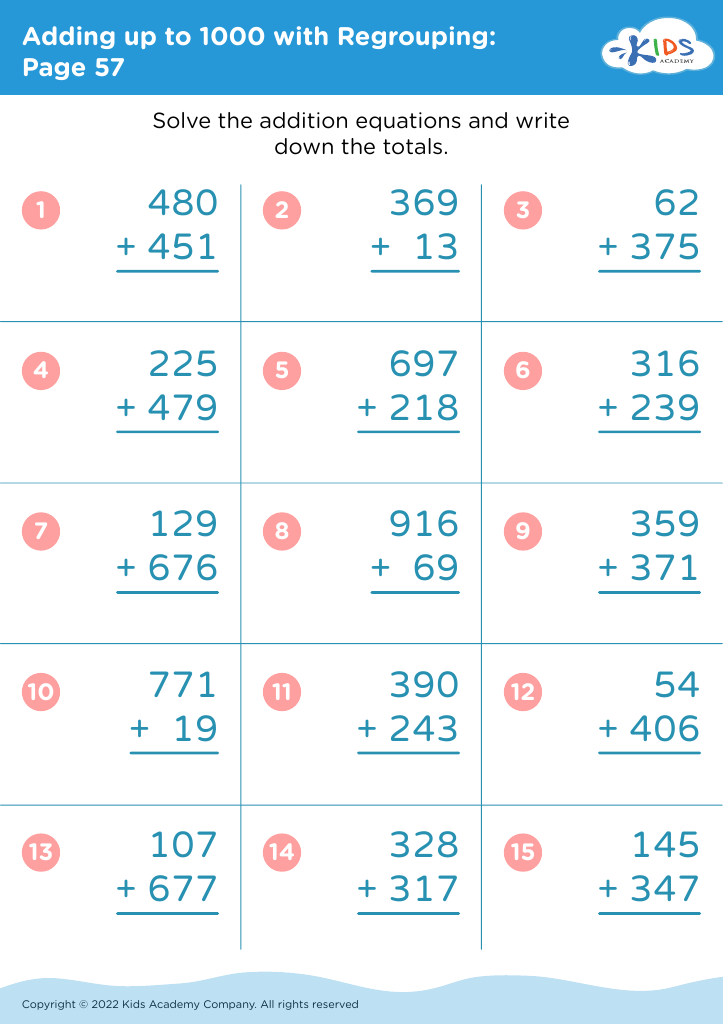
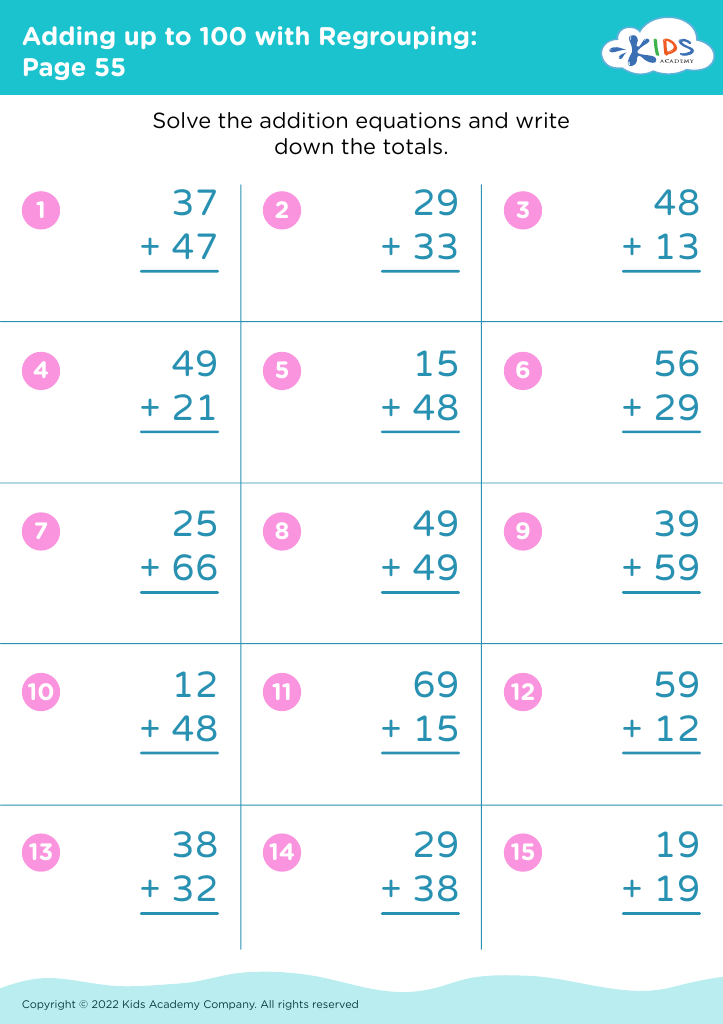
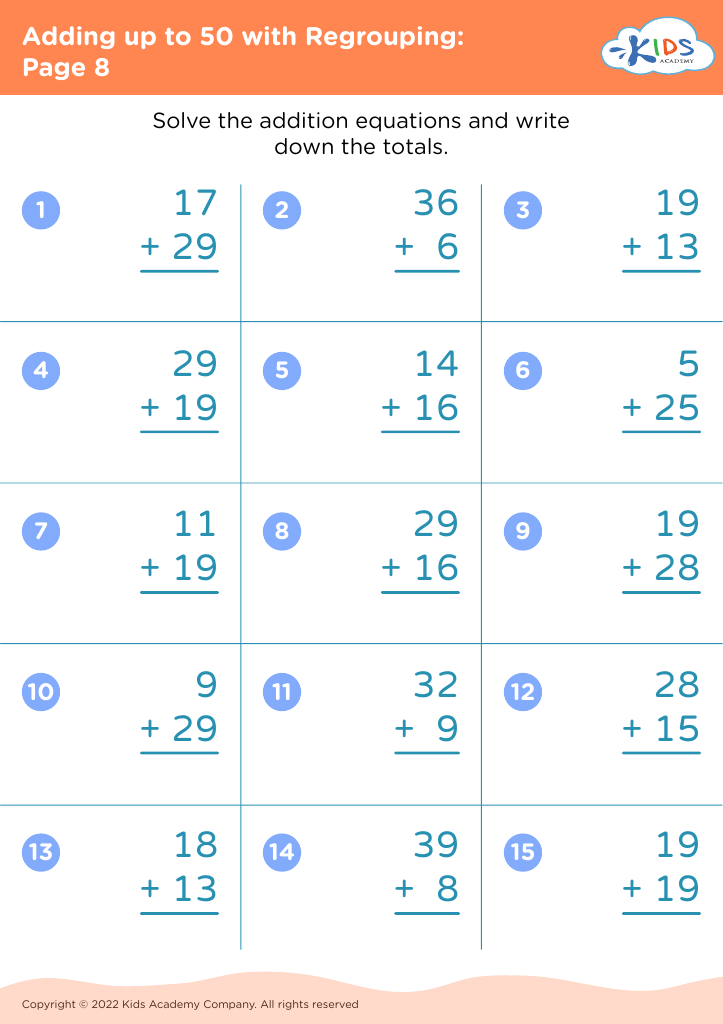
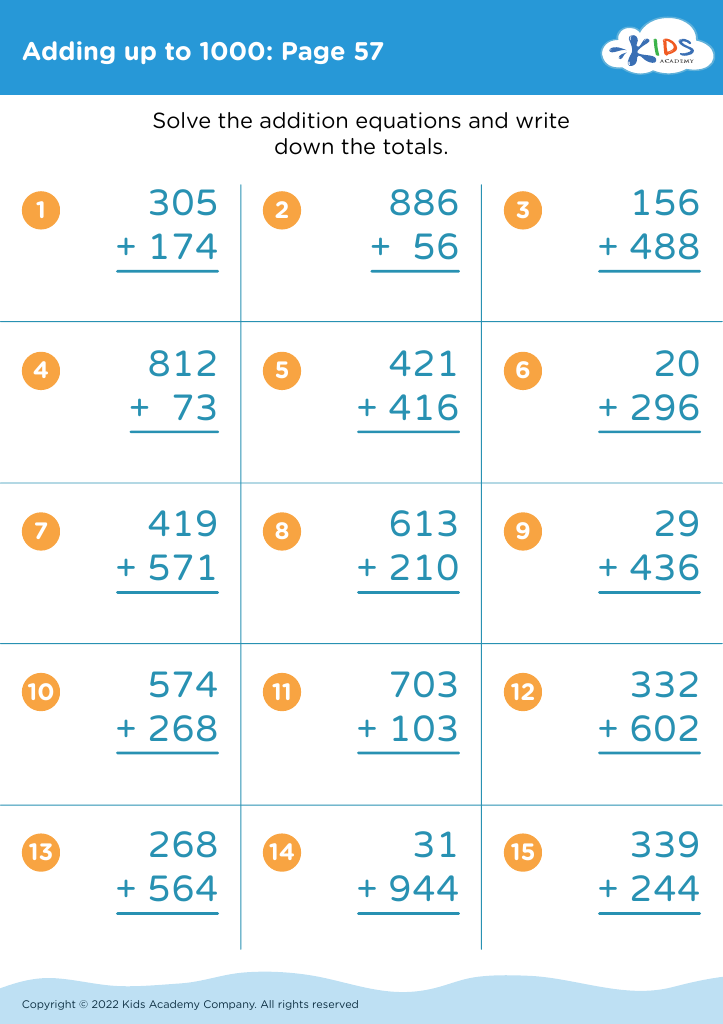
Enhance your child's learning experience with our engaging Shape Identification Addition & Subtraction Worksheets, designed specifically for ages 7-8. These printable worksheets seamlessly integrate shape recognition with foundational math skills, allowing young learners to explore the world of shapes while practicing addition and subtraction. Each activity encourages problem-solving and critical thinking, as children identify various shapes and apply their math skills to solve related exercises. Perfect for at-home learning or classroom use, our resources aim to boost confidence and proficiency in both geometry and basic arithmetic. Start exploring our fun and educational worksheets today to support your child’s academic growth!
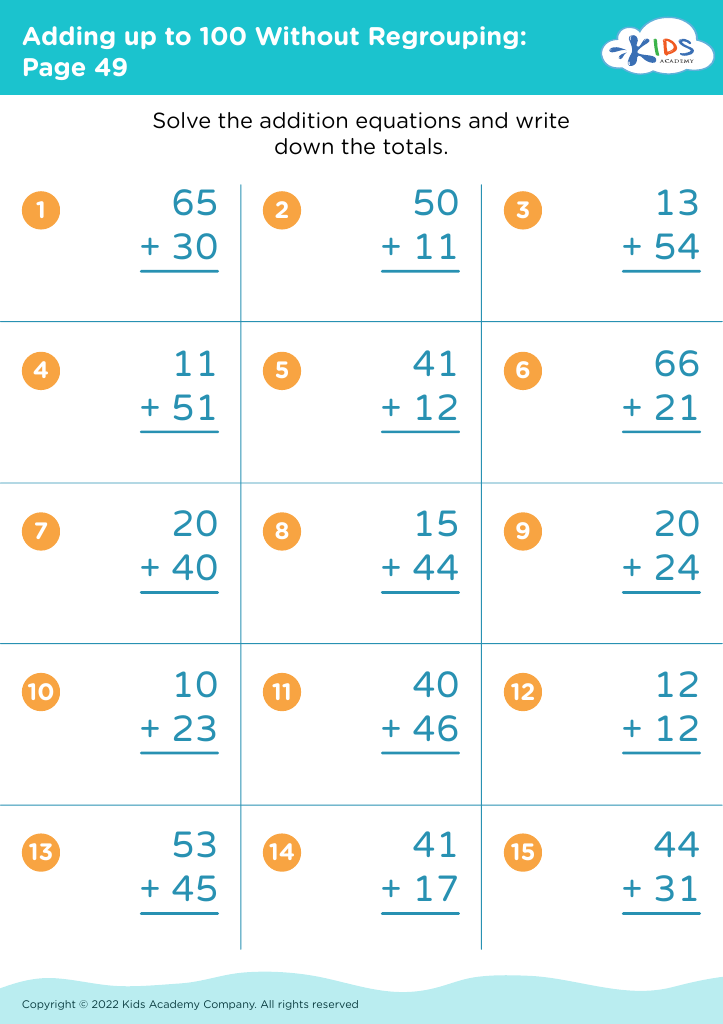
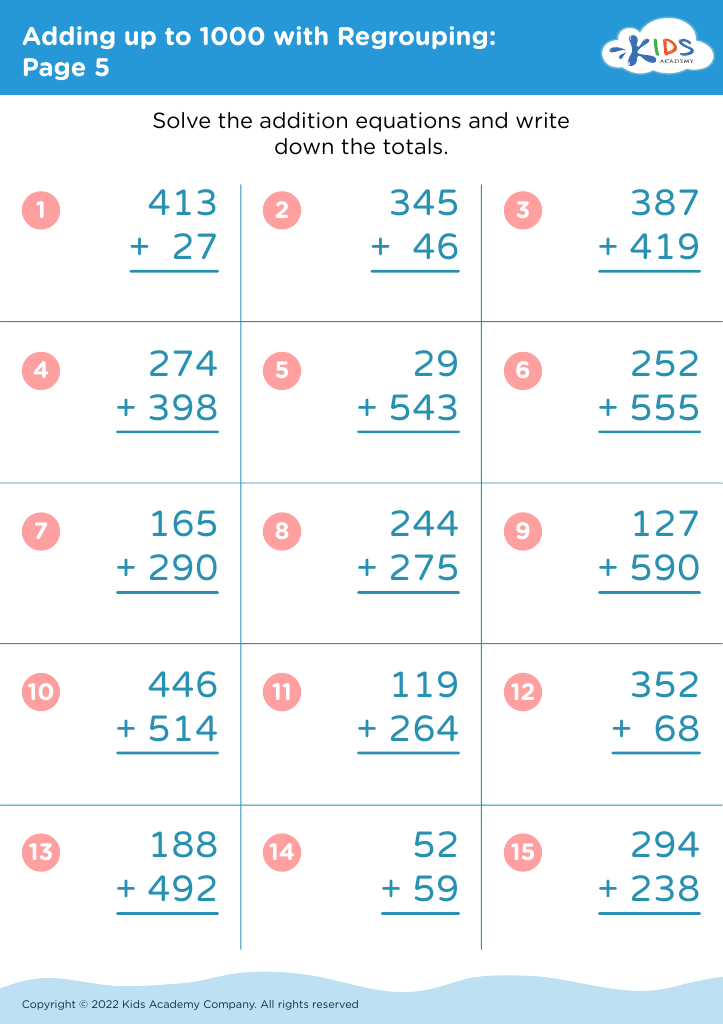
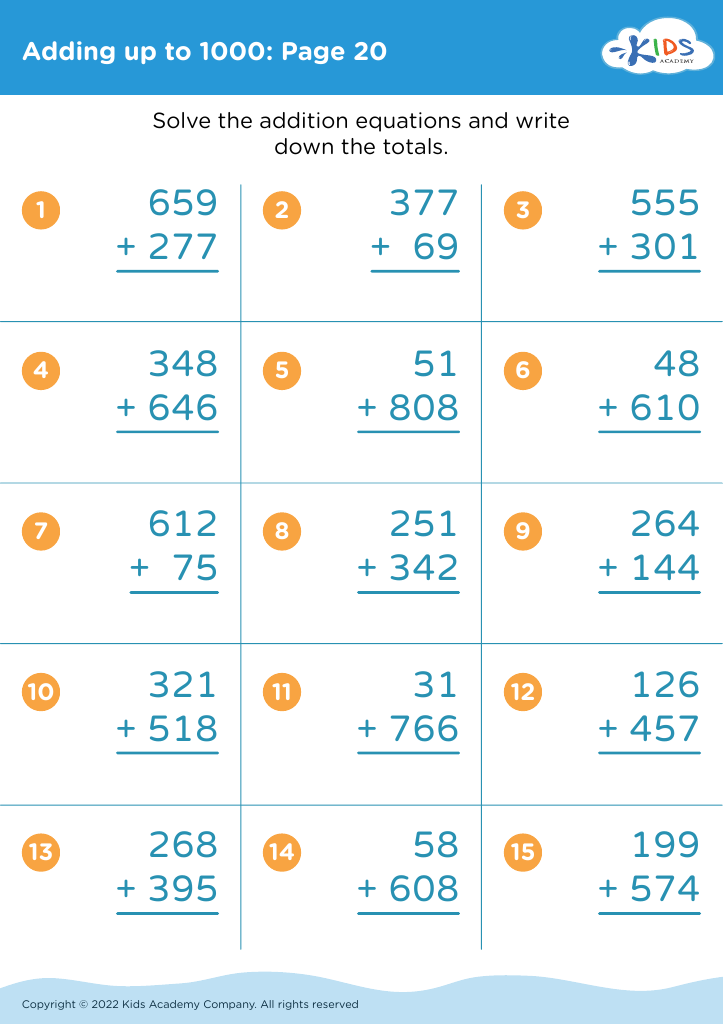
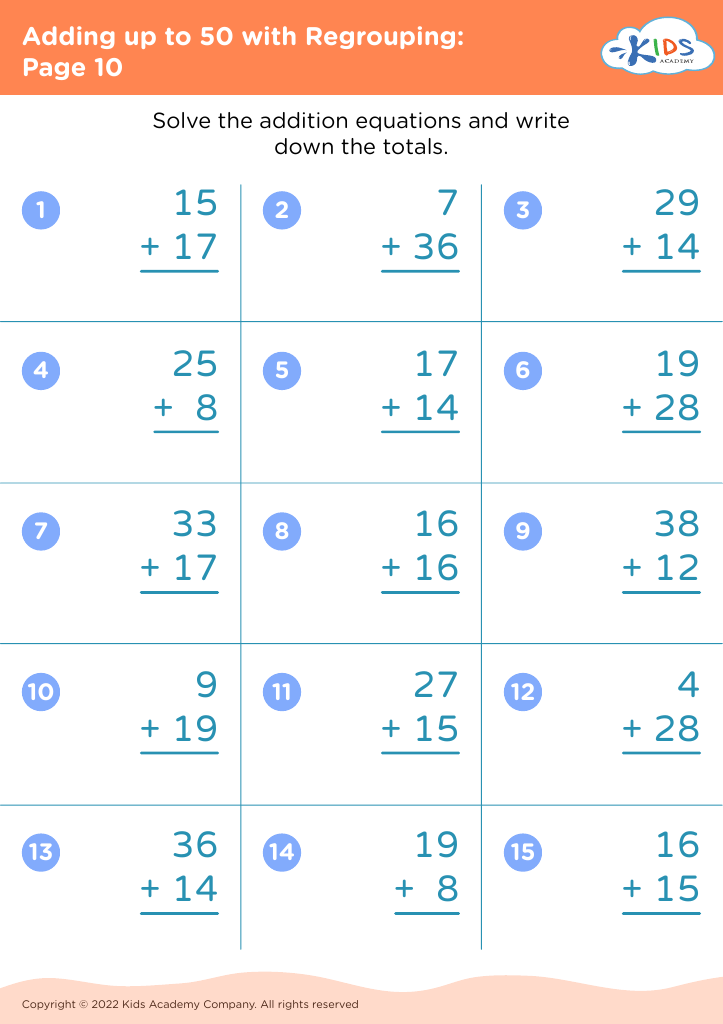
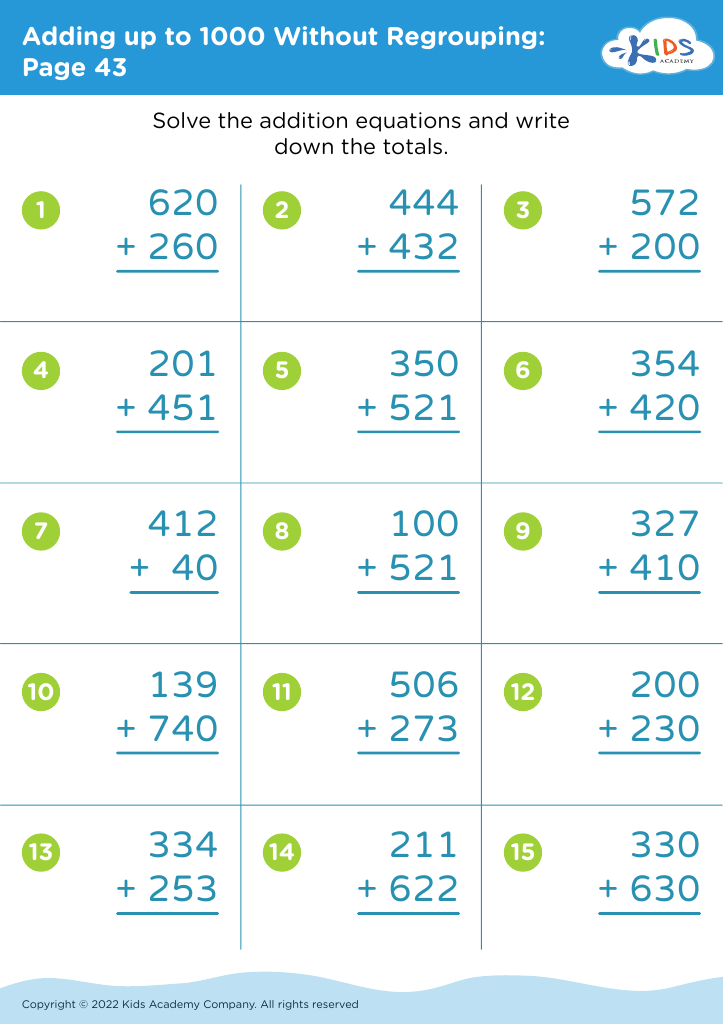








Shape identification, addition, and subtraction are crucial skills for children aged 7-8, laying the foundation for more complex mathematical understanding and spatial reasoning. At this age, students are typically transitioning from concrete to abstract thinking, making it essential for parents and teachers to support their learning in these areas.
Understanding shapes helps children develop geometry skills, which are fundamental in everyday life, from navigating environments to understanding architecture and design. Recognizing shapes also aids in the development of critical thinking and problem-solving abilities, as children learn to classify and compare different forms.
Additionally, mastering addition and subtraction not only builds a strong numerical foundation but also promotes analytical thinking. These basic arithmetic operations are used in more advanced math concepts, including multiplication and division.
For parents and teachers, nurturing these skills can enhance a child's confidence and enjoyment in learning. Engaging in playful activities related to shape identification and solving math problems fosters a positive learning atmosphere. Ultimately, investing time and resources in these fundamental areas ensures children are better prepared for future academic challenges, equipping them with essential skills they will utilize throughout their lives.








