Unlock the world of fractions with our Simplifying Fractions Addition & Subtraction Worksheets designed for ages 7-8! These engaging and interactive worksheets empower young learners to master the art of adding and subtracting fractions while simplifying them with ease. Through fun exercises and colorful visuals, children are introduced to essential concepts and gain confidence in their math skills. Our resources cater to different learning styles, ensuring every kid can grasp the foundational principles of fractions. Perfect for home or classroom use, these worksheets are a fantastic way to reinforce math skills and promote a love for learning. Start simplifying fractions today!
Check out this FREE Trial Lesson on Addition & Subtraction for age 7-8!

H

Favorites
With answer key
Interactive
  • 7-8
  • Simplifying Fractions
  • Addition & Subtraction
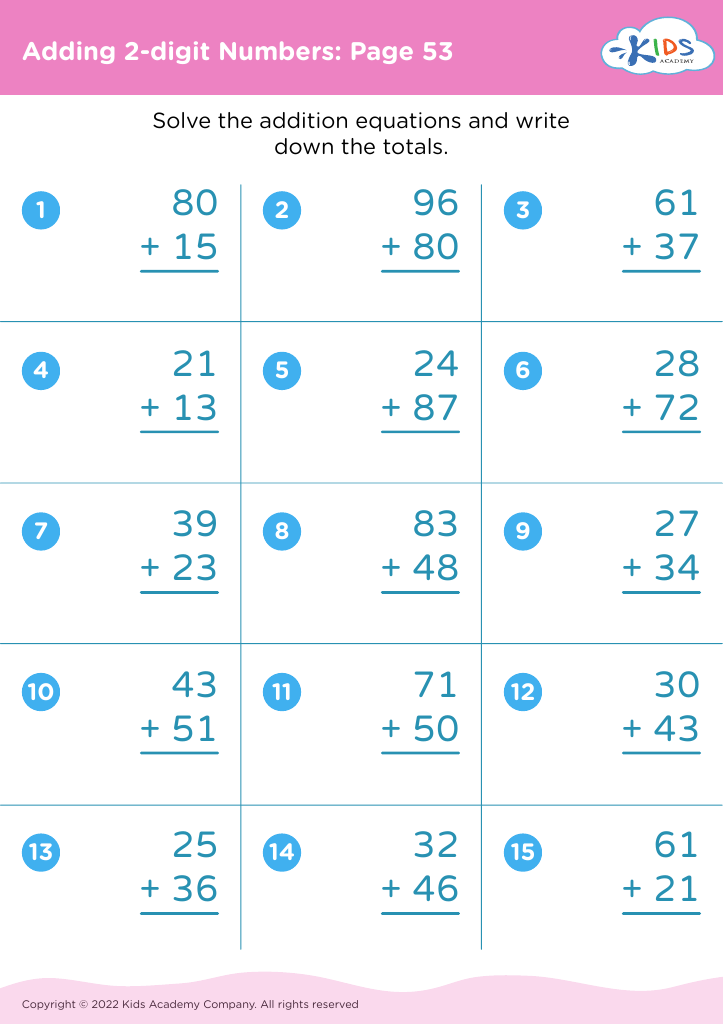
Adding 2-digit Numbers: Page 53

Adding 2-digit Numbers: Page 53

Adding 2-digit Numbers: Page 53
Worksheet
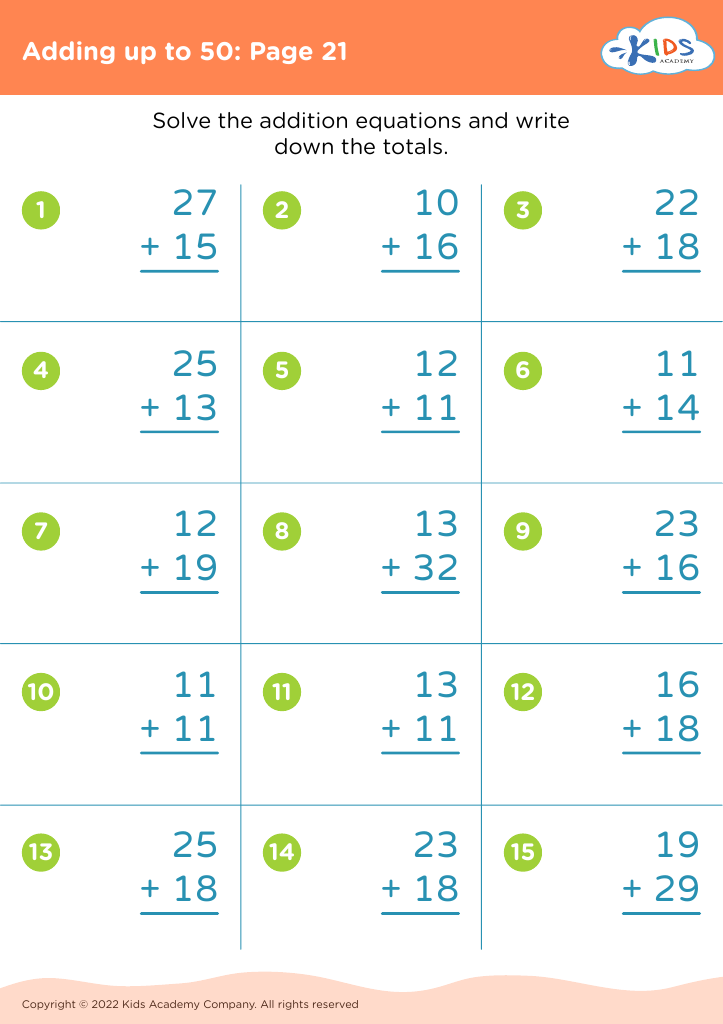
Adding up to 50: Page 21

Adding up to 50: Page 21

Adding up to 50: Page 21
Worksheet
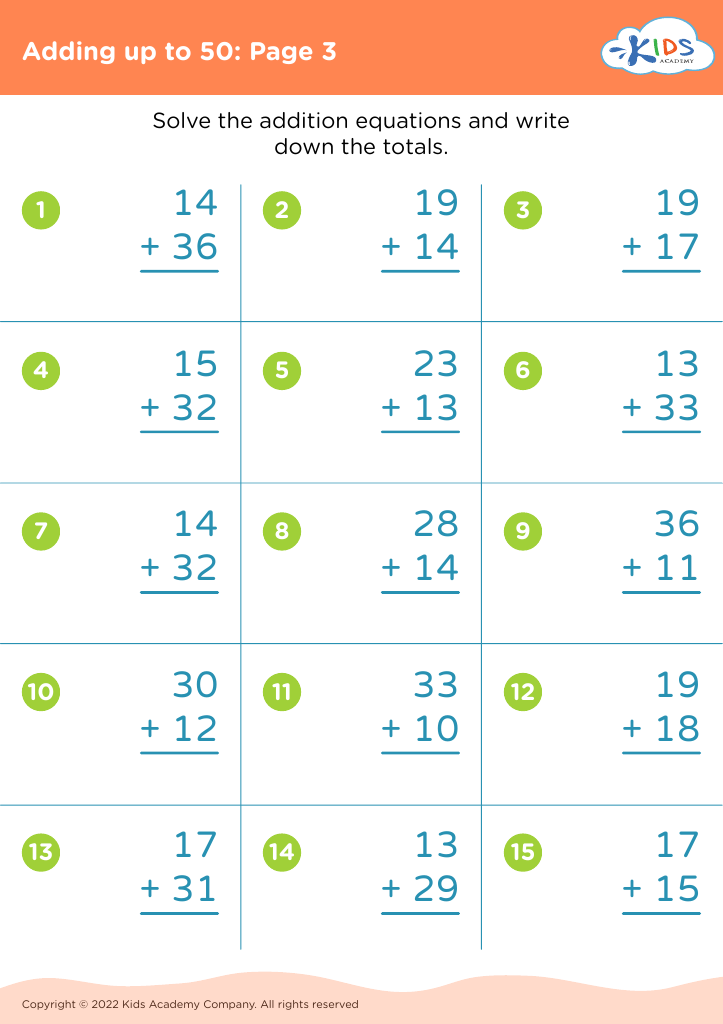
Adding up to 50: Page 3

Adding up to 50: Page 3

Adding up to 50: Page 3
Worksheet
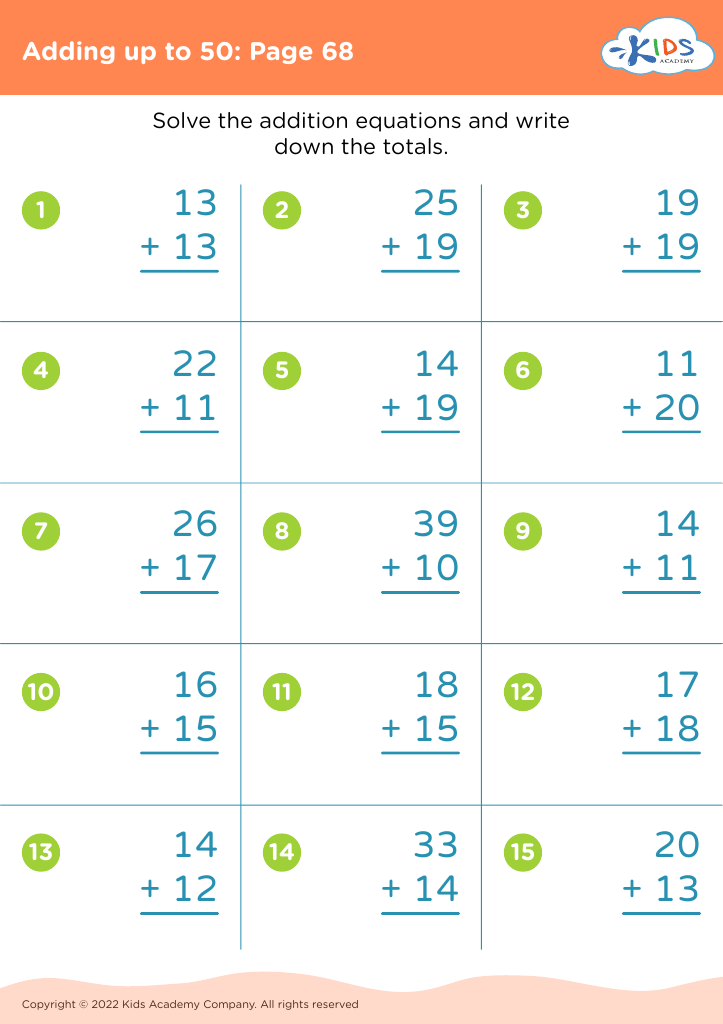
Adding up to 50: Page 68

Adding up to 50: Page 68

Adding up to 50: Page 68
Worksheet
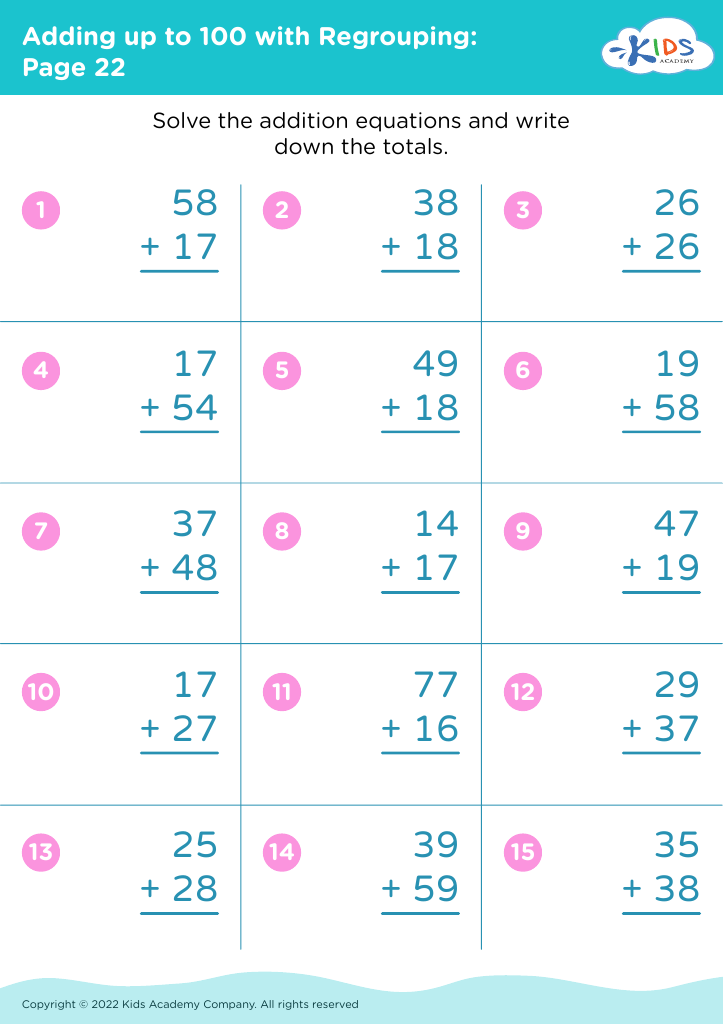
Adding up to 100 with Regrouping: Page 22
Worksheet
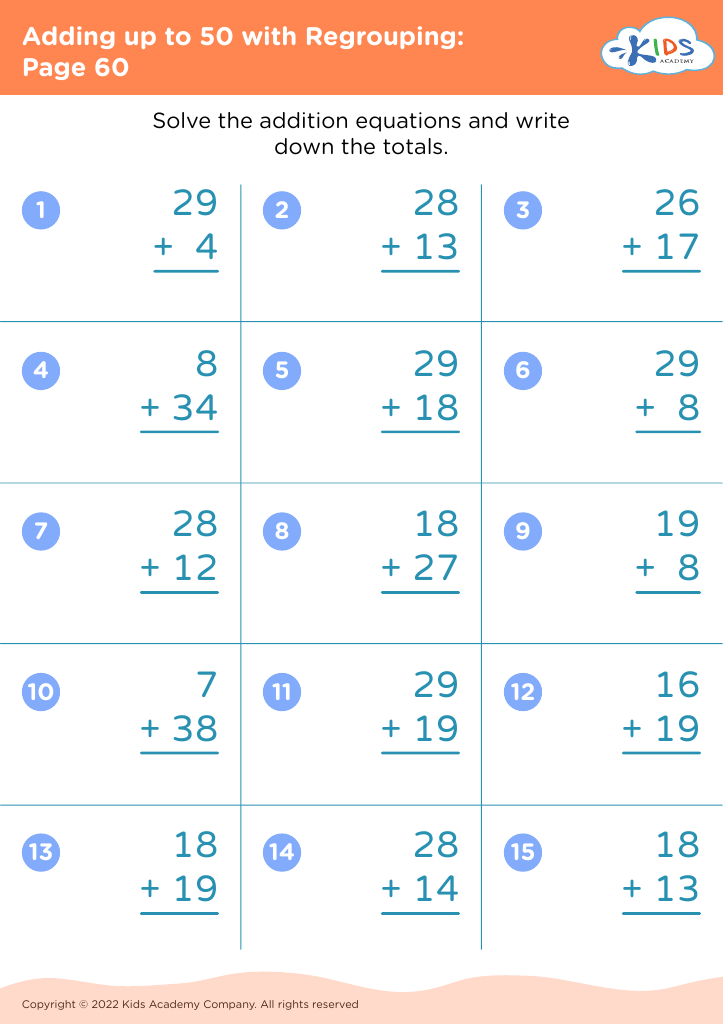
Adding up to 50 with Regrouping: Page 60
Worksheet
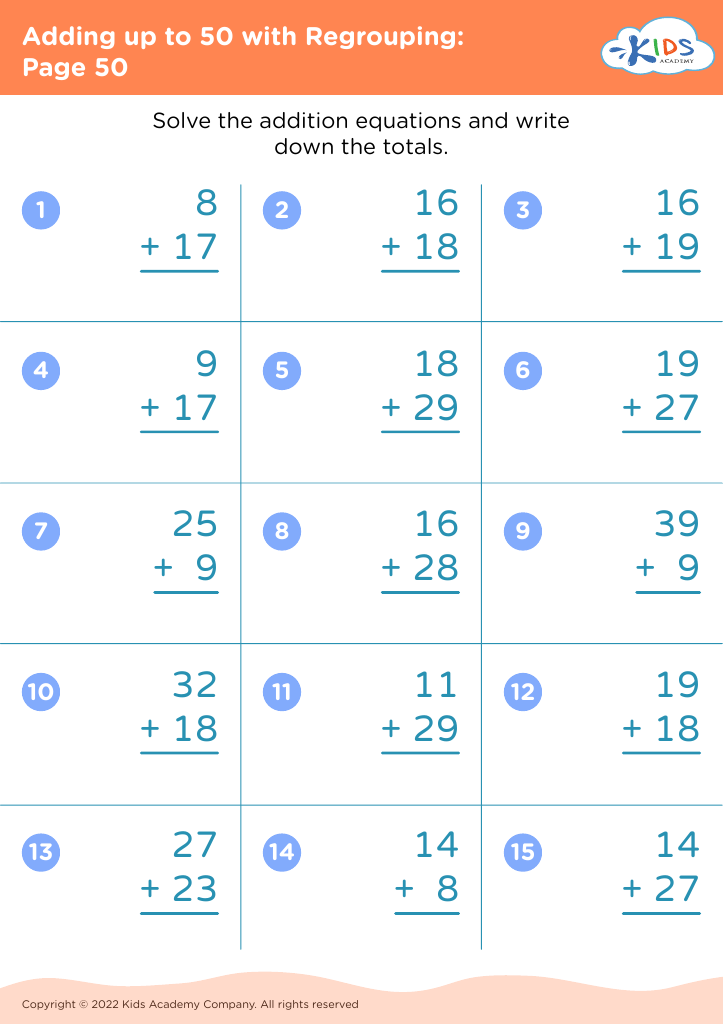
Adding up to 50 with Regrouping: Page 50
Worksheet
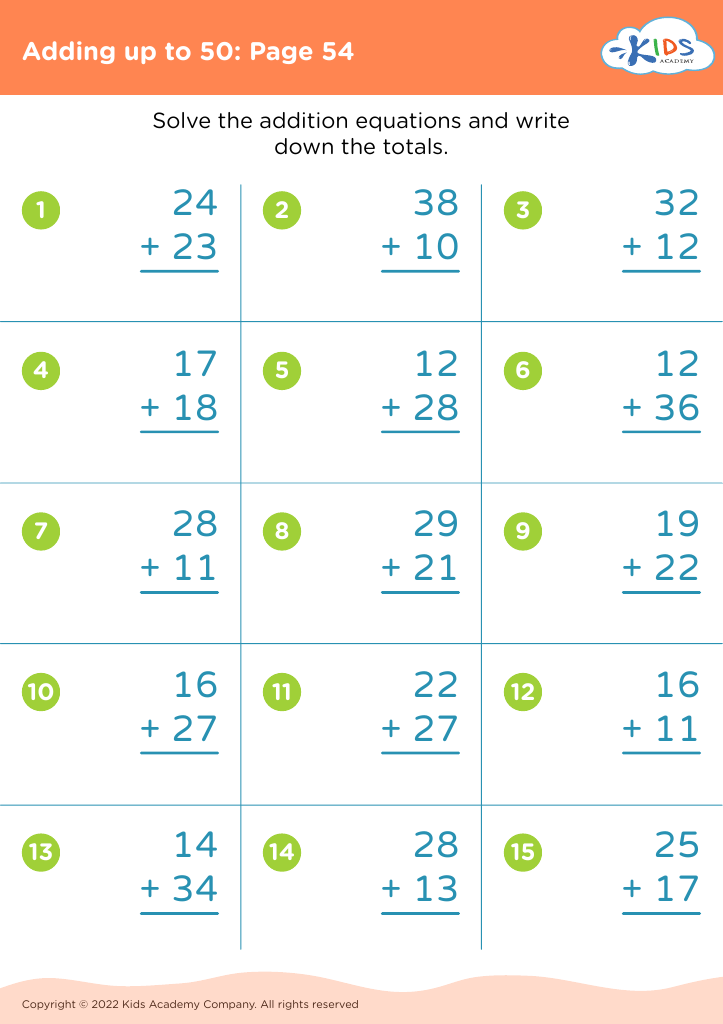
Adding up to 50: Page 54

Adding up to 50: Page 54

Adding up to 50: Page 54
Worksheet
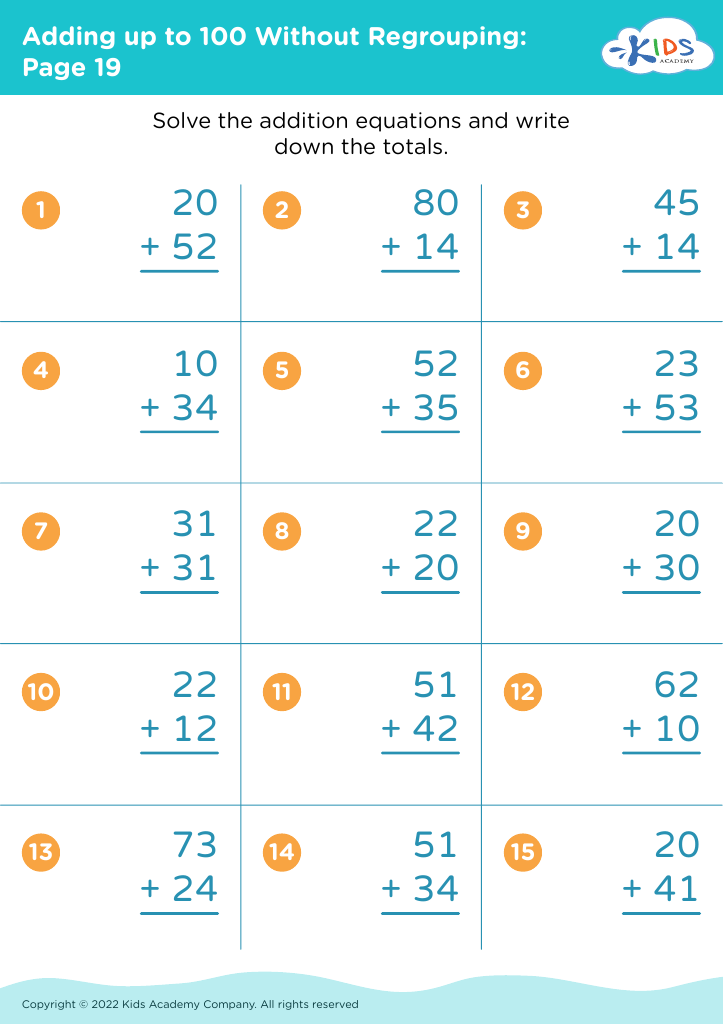
Adding up to 100 Without Regrouping: Page 19
Worksheet
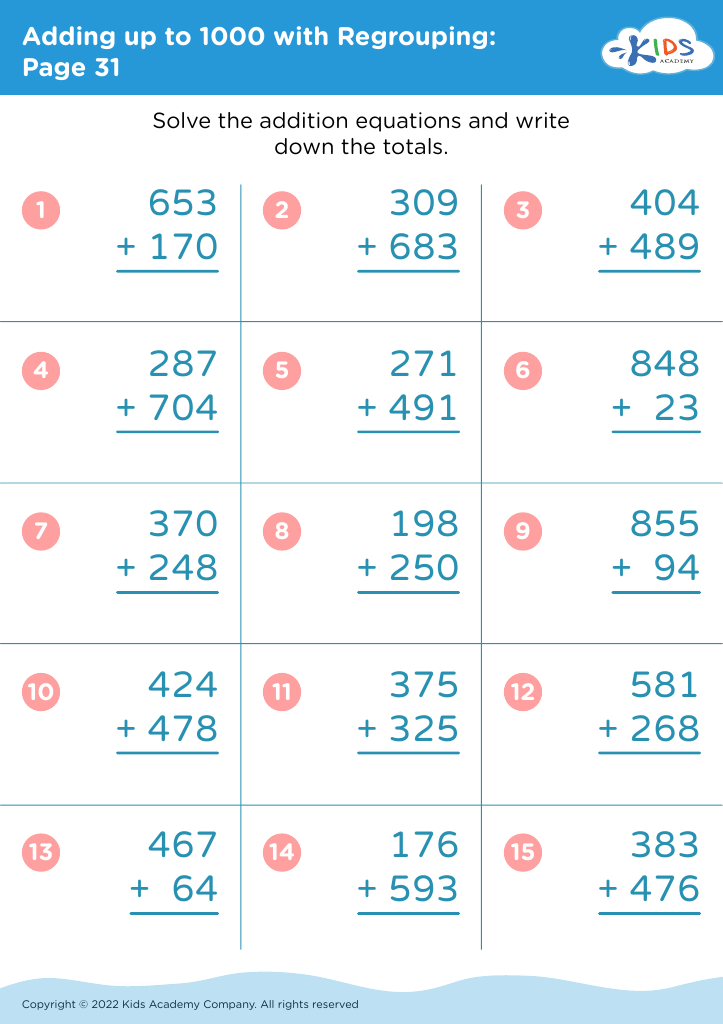
Adding up to 1000 with Regrouping: Page 31
Worksheet
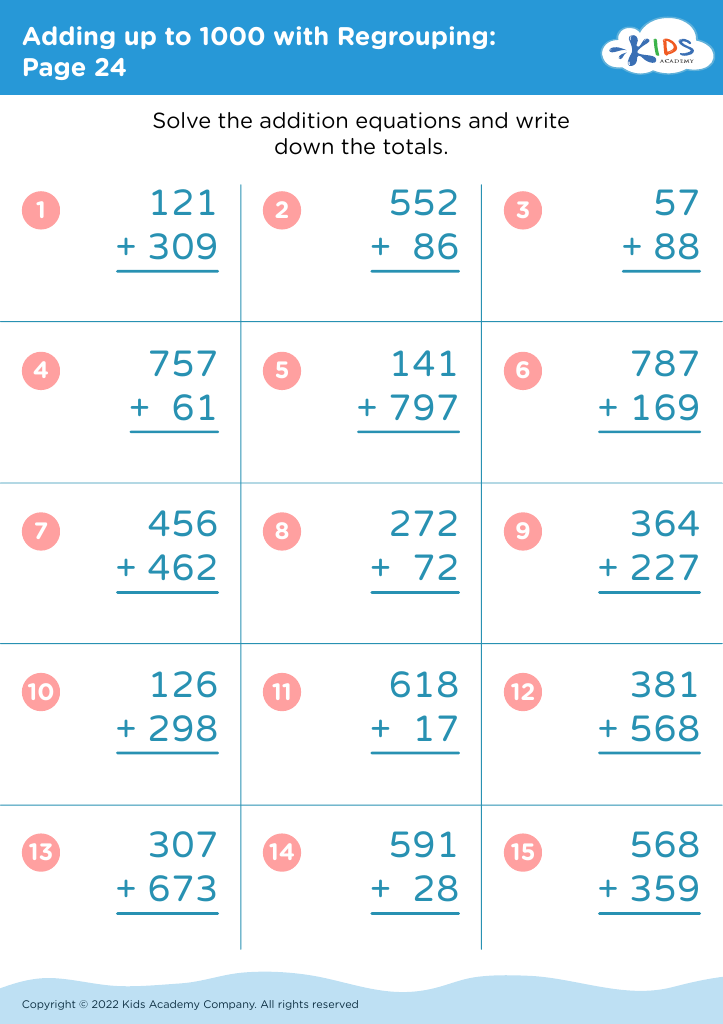
Adding up to 1000 with Regrouping: Page 24
Worksheet
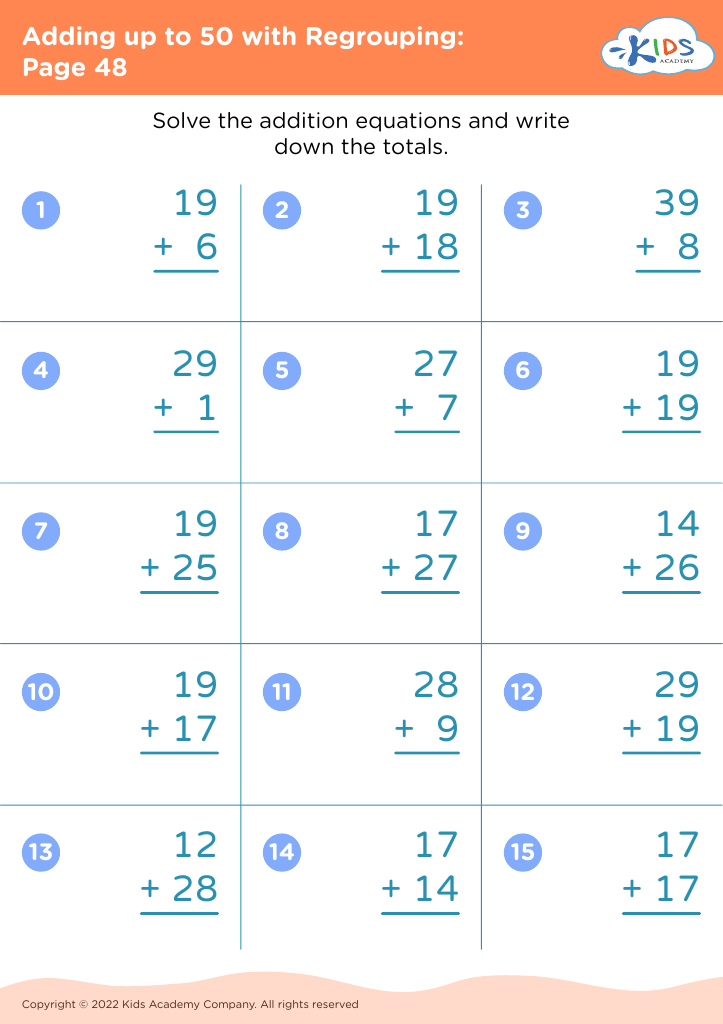
Adding up to 50 with Regrouping: Page 48
Worksheet
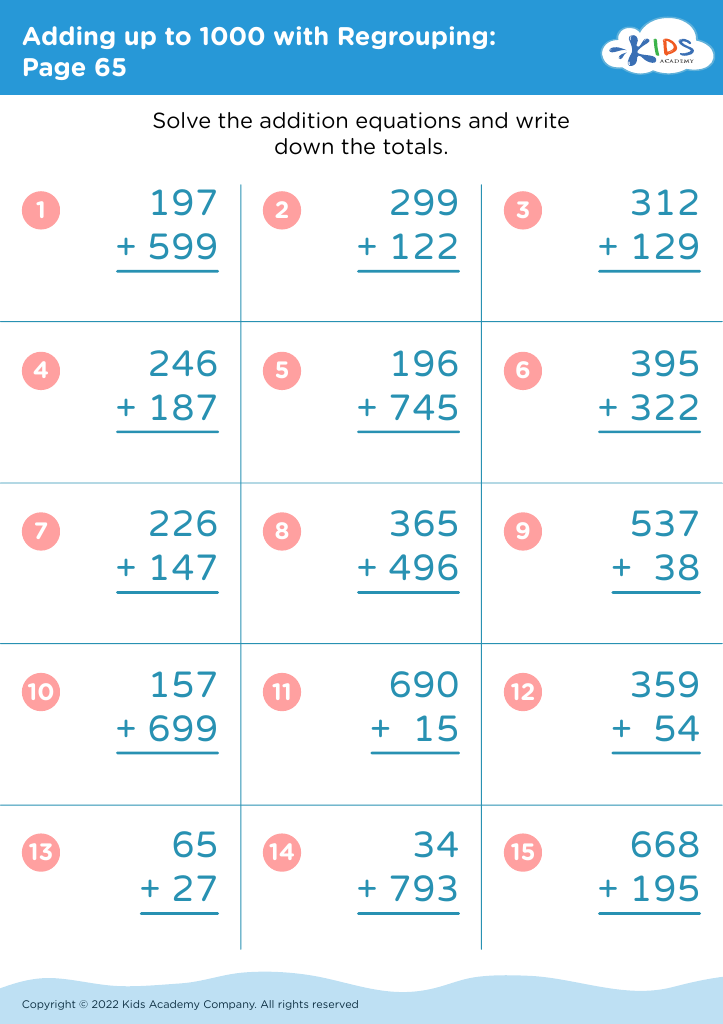
Adding up to 1000 with Regrouping: Page 65
Worksheet
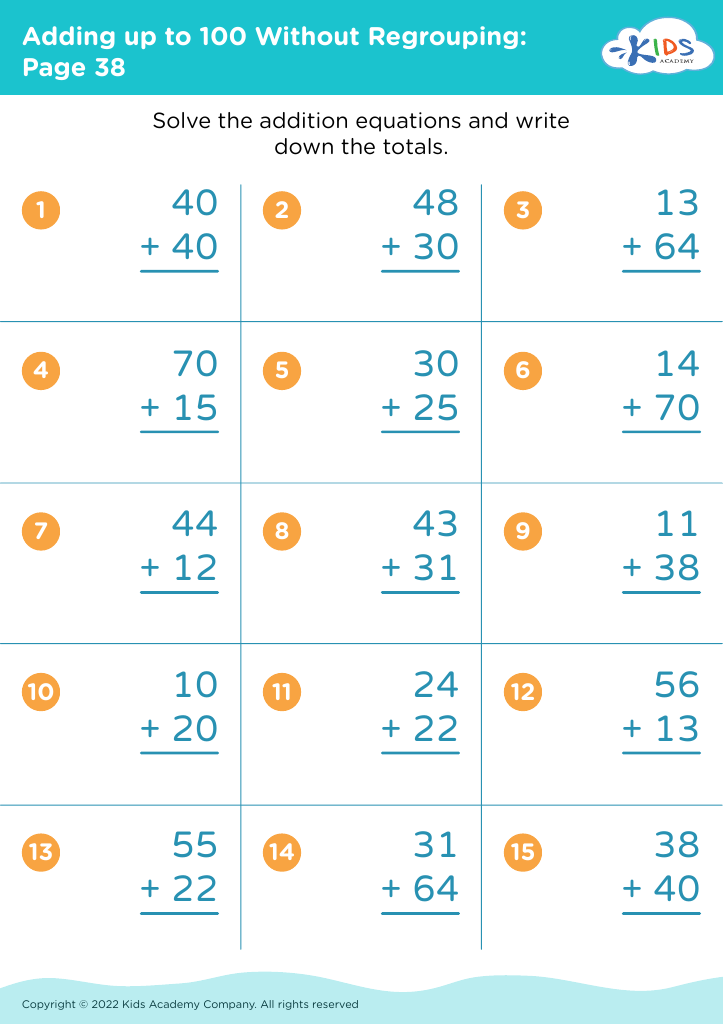
Adding up to 100 Without Regrouping: Page 38
Worksheet
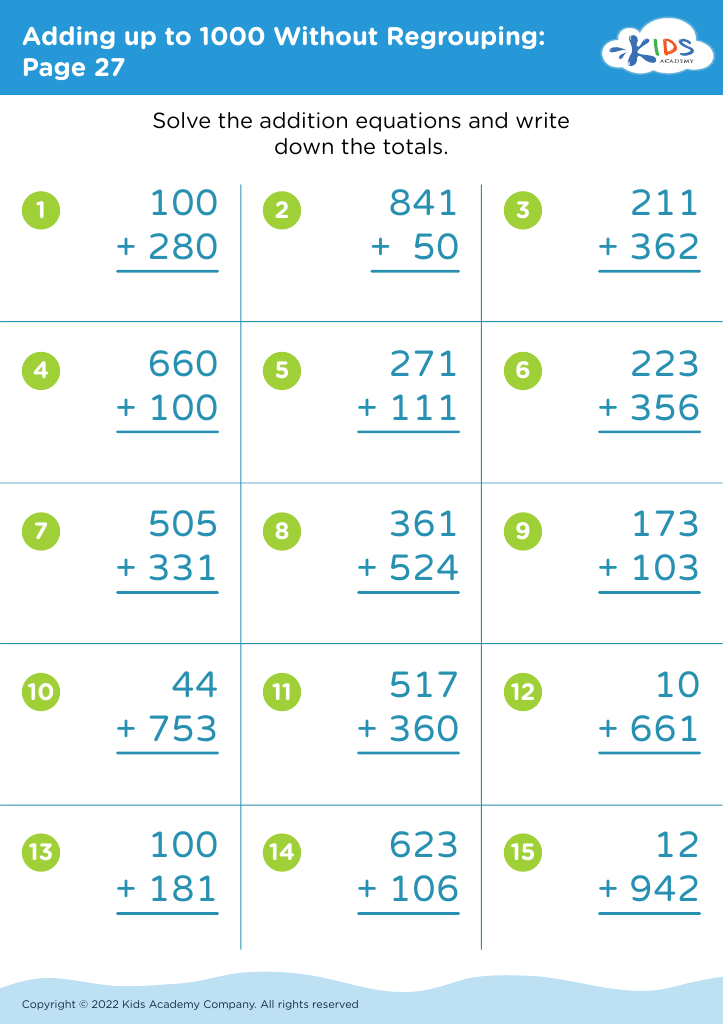
Adding up to 1000 Without Regrouping: Page 27
Worksheet
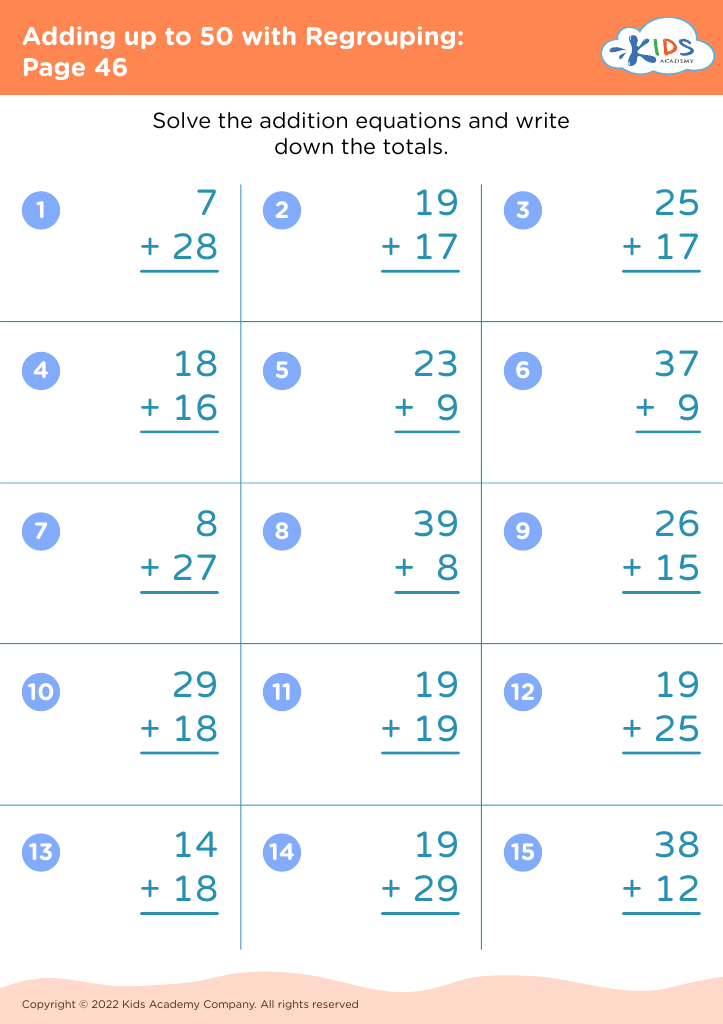
Adding up to 50 with Regrouping: Page 46
Worksheet
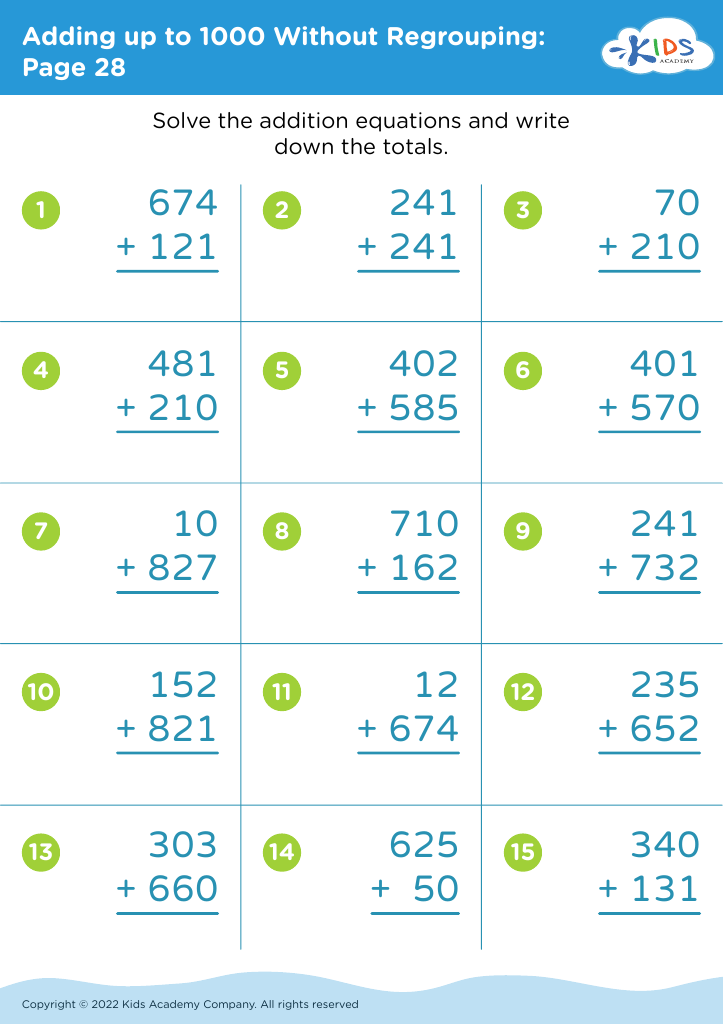
Adding up to 1000 Without Regrouping: Page 28
Worksheet
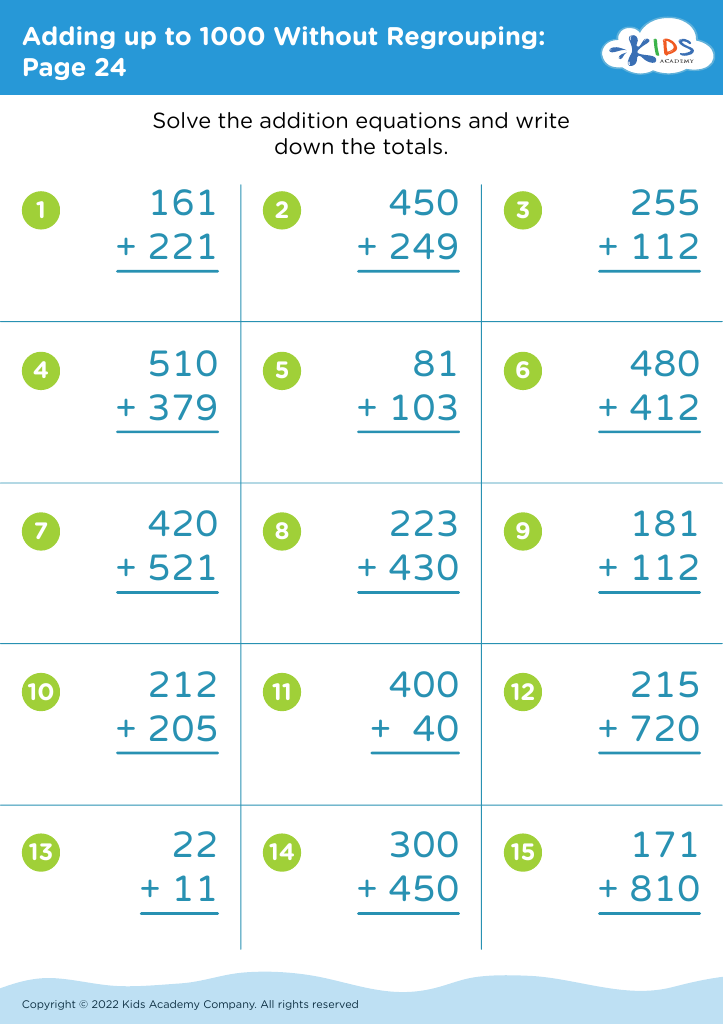
Adding up to 1000 Without Regrouping: Page 24
Worksheet


Simplifying fractions addition and subtraction is an essential skill for children aged 7-8, nurturing their mathematical foundation and critical thinking abilities. At this age, children are beginning to grasp more complex mathematical concepts, and mastering fractions sets the stage for future learning in subjects like algebra and geometry.

Understanding how to simplify fractions encourages basic problem-solving strategies and helps students develop a deeper comprehension of numerical relationships. It instills confidence, allowing them to tackle more challenging problems as they progress through their education. When parents and teachers prioritize this skill, they enable kids to see the value and application of math in their daily lives, making learning more relevant and enjoyable.

Additionally, teaching the simplification process fosters a growth mindset, illustrating that mistakes are a part of the learning journey. Simplified calculations also reduce frustration and increase accuracy, leading to a more positive academic experience.

Moreover, strong parental and teacher involvement can greatly enhance a child’s learning. When adults manifest enthusiasm for math, they inspire children to engage positively with the subject, leading to better retention and application of important concepts like fraction addition and subtraction.