
Time conversion skills Addition & Subtraction Worksheets for Ages 7-8
3 filtered results
Difficulty Level
Grade
Age
-
From - To
Subject
Activity
Standards
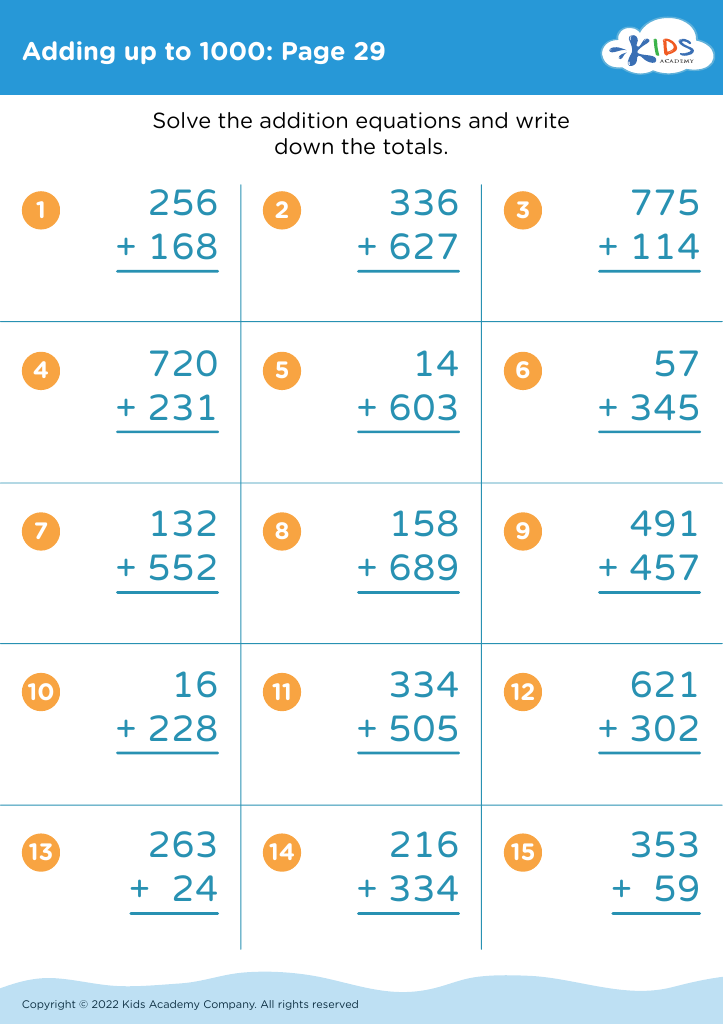
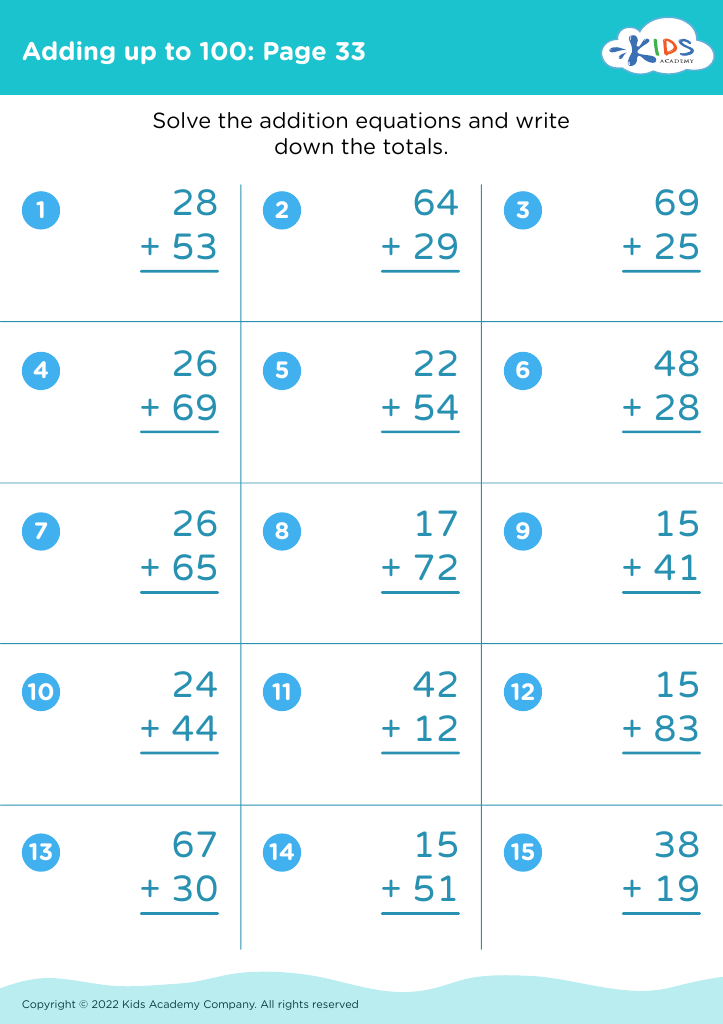
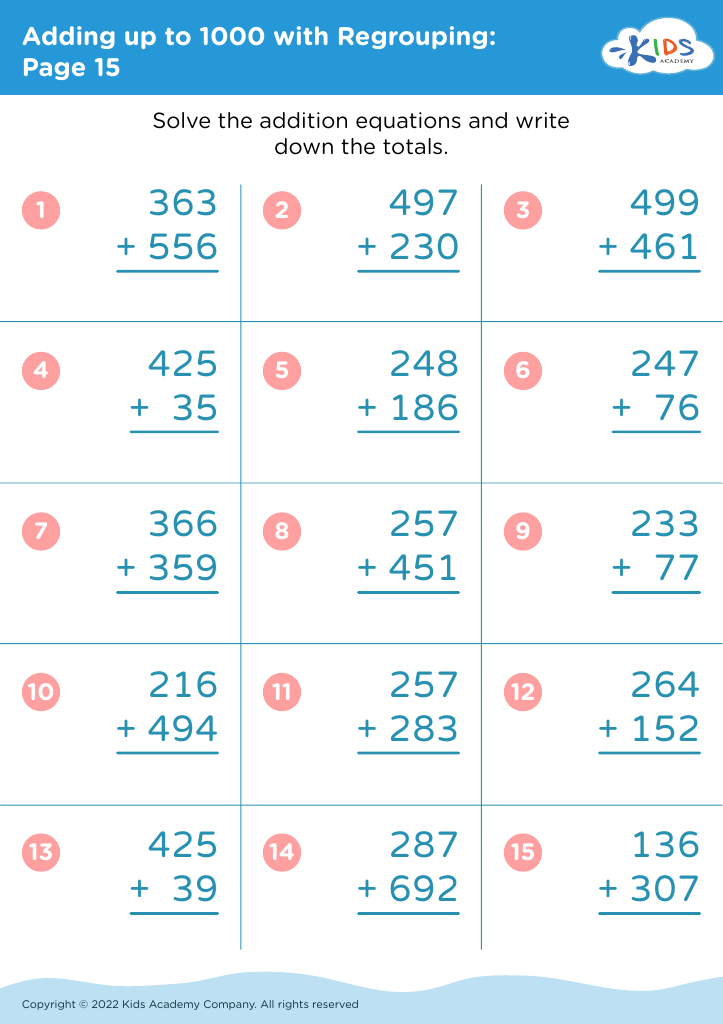
Enhance your child's math proficiency with our engaging Time Conversion Skills Addition & Subtraction Worksheets, specifically designed for ages 7-8. These worksheets help young learners seamlessly convert between hours, minutes, and seconds while enhancing their addition and subtraction skills. Our expertly crafted activities combine fun and learning, ensuring students grasp essential concepts of time management and arithmetic. Suitable for both classroom and home use, these worksheets provide the perfect educational supplement for your child. Discover a world where math becomes enjoyable and accessible today on Kids Academy!
Favorites
With answer key
Interactive
Join Kids Academy for Free
Who is primarily going to use this learning content?








Parents and teachers should prioritize time conversion skills, as well as addition and subtraction, for children ages 7-8 because these foundational mathematical concepts are crucial for their overall cognitive development. First, understanding how to tell and manipulate time fosters a sense of responsibility and helps children manage their daily routines, making them more punctual and organized. Moreover, mastering time conversions, such as knowing the difference between hours and minutes, strengthens their problem-solving abilities and enhances their mental arithmetic skills.
Addition and subtraction are not just mathematical operations; they are key components of logical thinking and problem solving. These skills allow children to engage in more complex math topics later in life and even improve their performance in subjects that require logical structuring. For instance, science experiments, reading schedules, or even understanding durations for school projects depend on a child's ability to add and subtract time accurately.
Additionally, proficiency in these skills enhances a child's self-confidence and contributes to their academic empowerment, motivating them to tackle more challenging tasks both inside and outside the classroom. Parents and teachers nurturing these abilities ensure that children have a solid preparatory groundwork for future academic endeavors, life skills, and continuous intellectual growth.








