Addition of fractions Addition Worksheets for Ages 7-8
3 filtered results
-
From - To
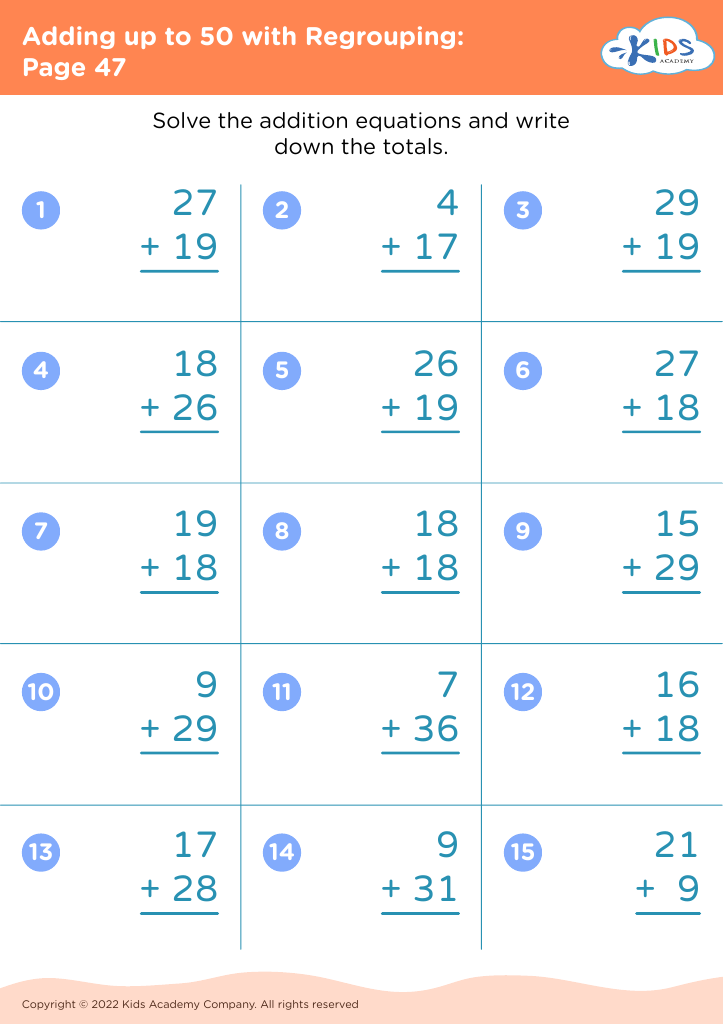
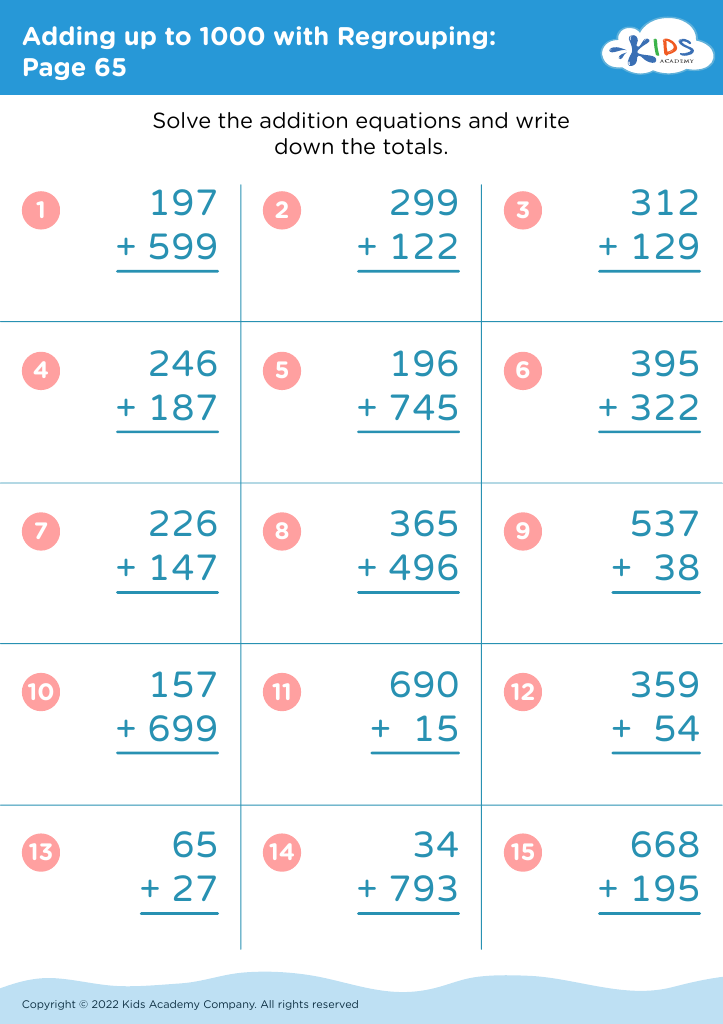
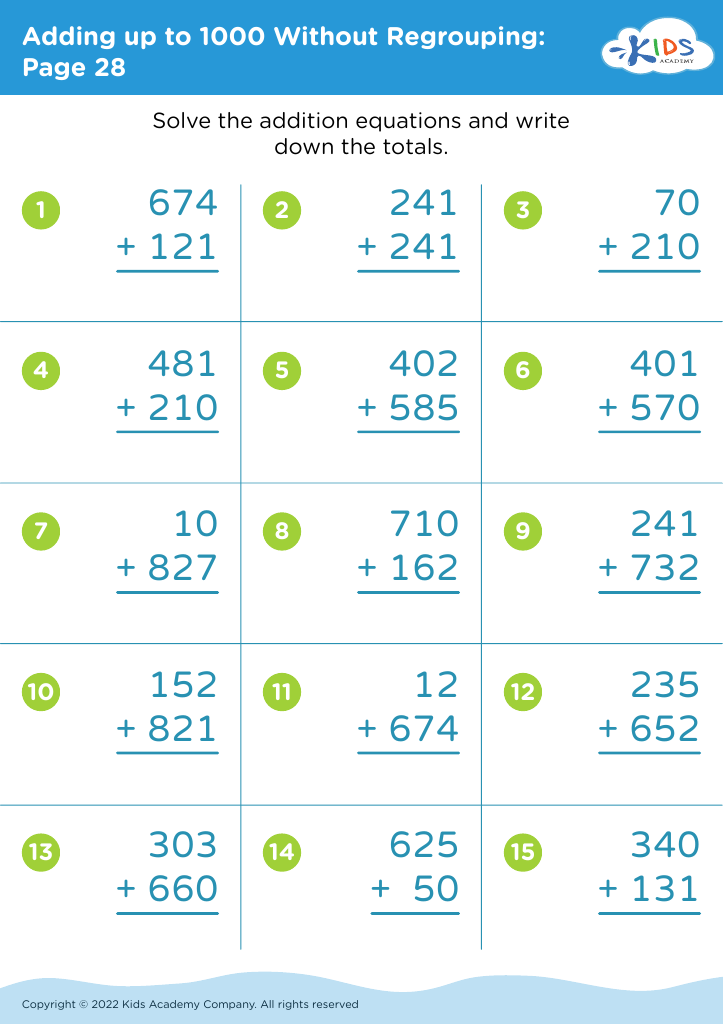
Looking to strengthen fraction addition skills for your 7-8 year olds? Our curated addition of fractions worksheets are tailored just for budding mathematicians! These engaging, age-appropriate worksheets simplify the concept of adding fractions, offering hands-on practice that boosts understanding and confidence. With vibrant visuals and step-by-step instructions, your child will learn to navigate like denominators seamlessly, paving the way for future math success. From introductory lessons to practice problems, our resources make learning both effective and fun. Ideal for classroom use or extra practice at home—start your child on the path to fractions mastery today!








For children ages 7-8, learning to add fractions marks a fundamental step in building their math skills and establishing numerical literacy. Understanding the addition of fractions enhances problem-solving abilities, sharpens critical thinking, and lays the groundwork for more complex math concepts they will encounter in subsequent grades.
One key reason for parents and teachers to focus on this skill is its practical application. Fractions are used in daily activities such as cooking, dividing resources, and managing time. For example, knowing how to add 1/4 of a cup of flour to 3/4 of a cup to make a full cup is a valuable real-world skill.
From a developmental perspective, incorporating fractions into math lessons at this stage helps children grasp the concept of parts of a whole in a tangible way. This becomes a foundation for geometry, measurement, and algebra.
Additionally, mastering fractions signals a student's readiness for academic challenges ahead, boosting their confidence and fostering a positive attitude toward math. As a lifelong skill, being comfortable with fractions ultimately contributes to academic success in science, technology, engineering, and mathematics (STEM) fields, broadening future career prospects.
In short, paying attention to the addition of fractions at ages 7-8 equips children with essential life skills and positions them for a bright academic future.








