Filters

56 filtered results

Clear all filters
Favorites
With answer key
Interactive

56 filtered results

Difficulty Level

Grade


Check out this FREE Trial Lesson on Addition for age 7-8!

Match Exactly the Same

Favorites
With answer key
Interactive
  • 7-8
  • Fraction simplification
  • Addition
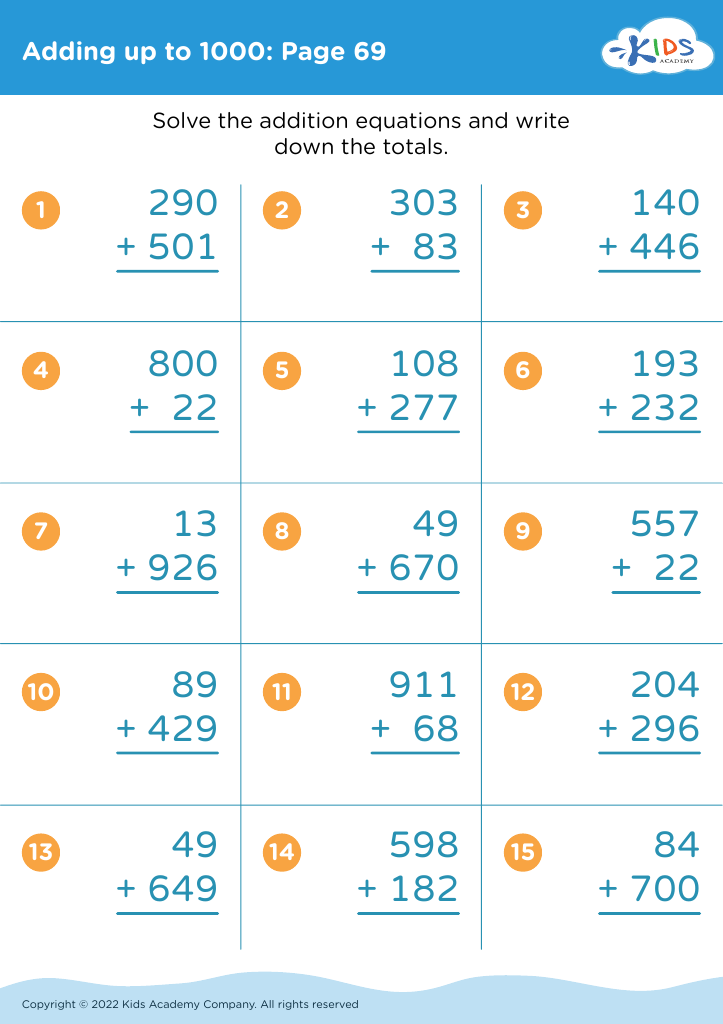
Adding up to 1000: Page 69

Adding up to 1000: Page 69

Adding up to 1000: Page 69
Worksheet
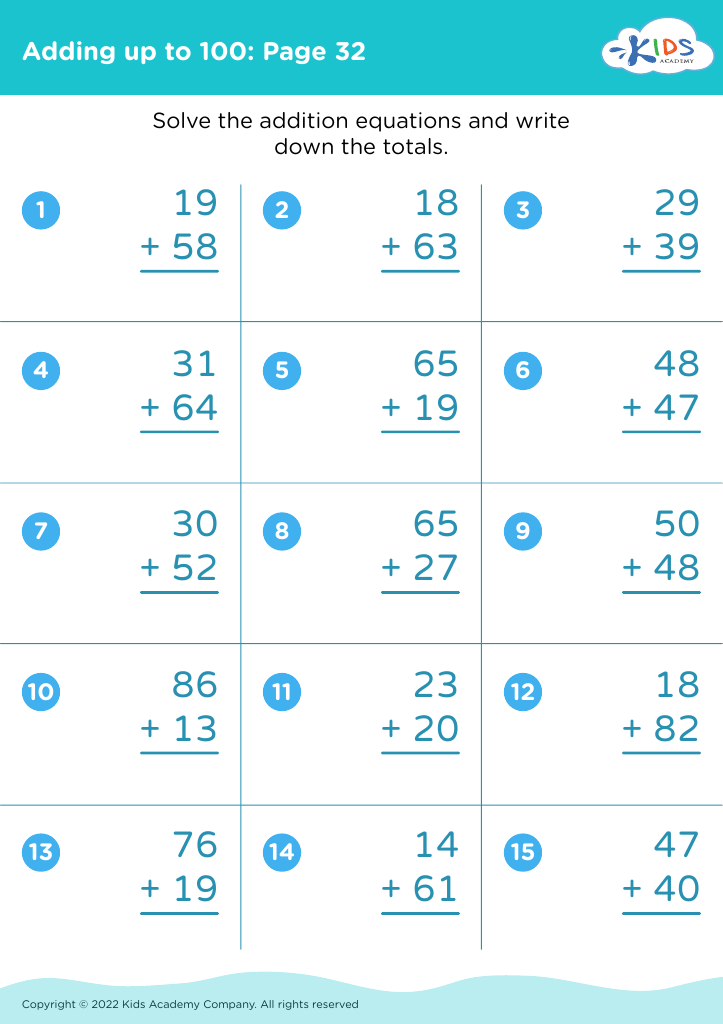
Adding up to 100: Page 32

Adding up to 100: Page 32

Adding up to 100: Page 32
Worksheet
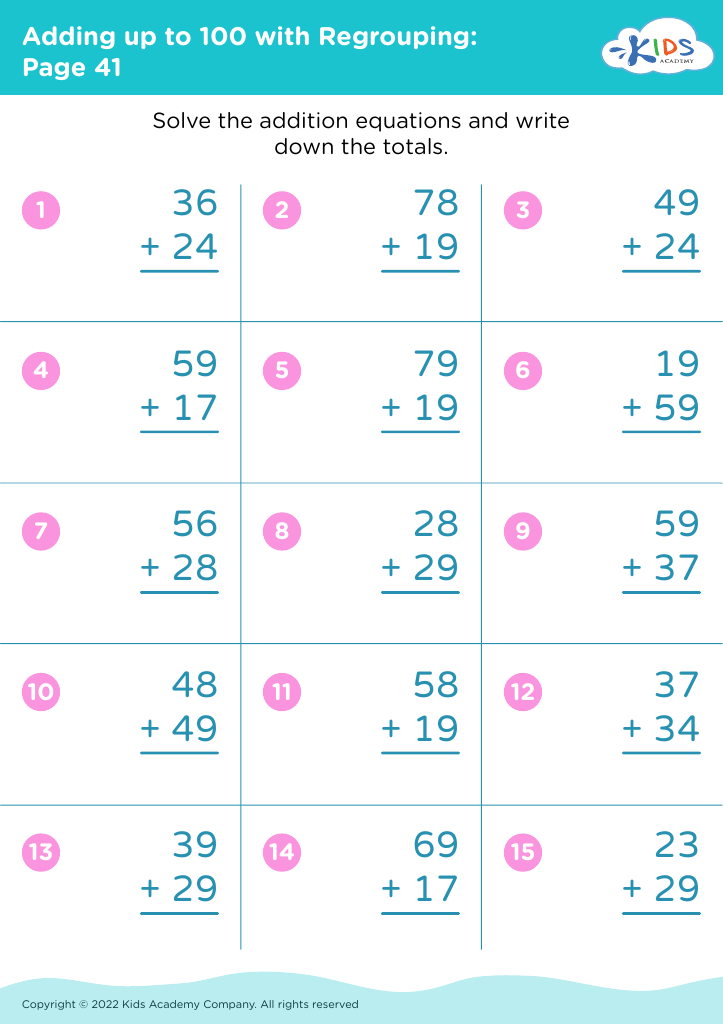
Adding up to 100 with Regrouping: Page 41
Worksheet
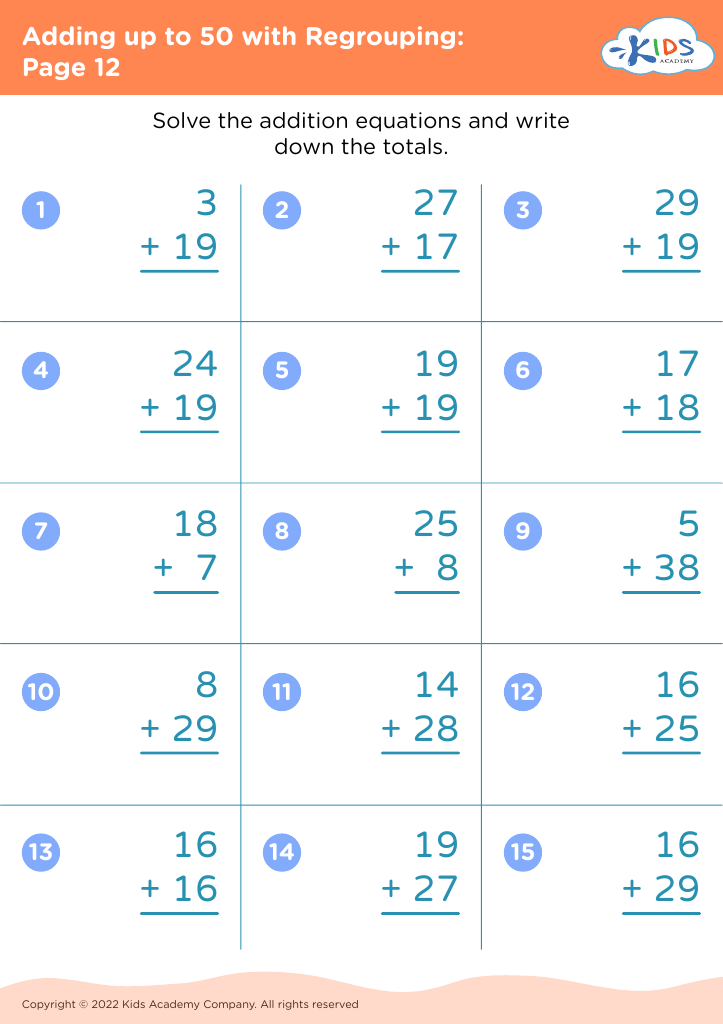
Adding up to 50 with Regrouping: Page 12
Worksheet
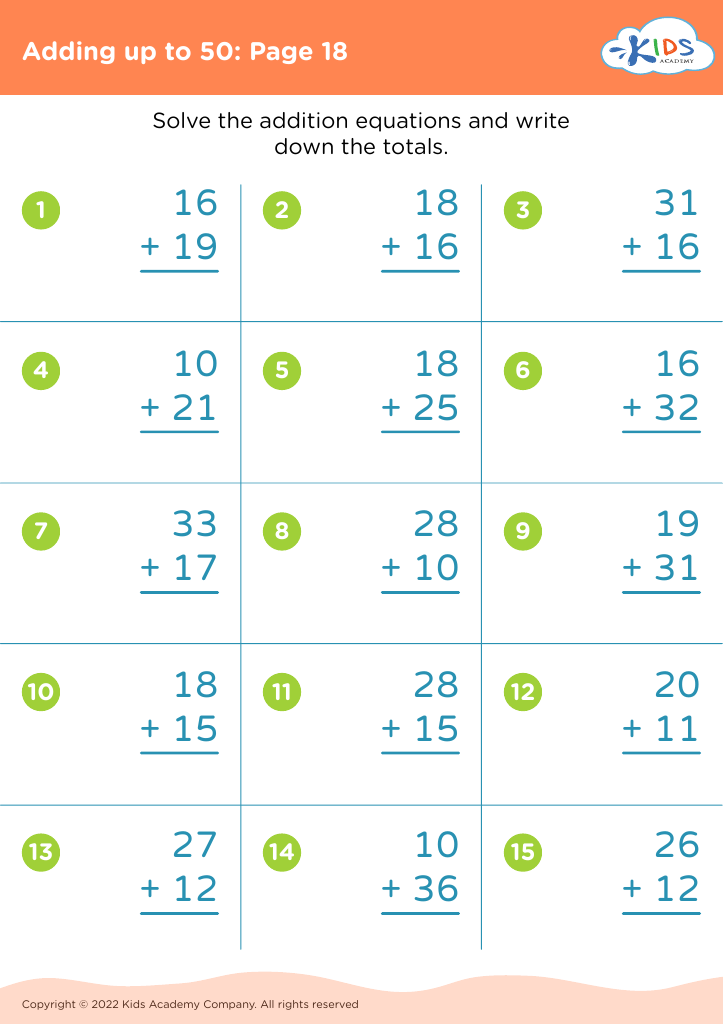
Adding up to 50: Page 18

Adding up to 50: Page 18

Adding up to 50: Page 18
Worksheet
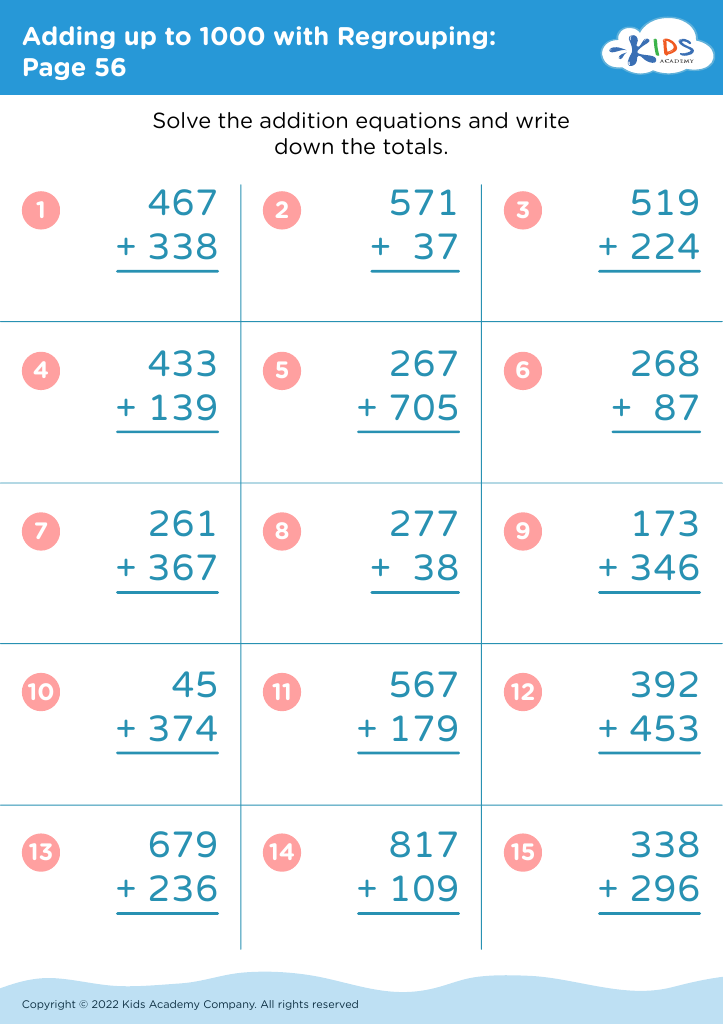
Adding up to 1000 with Regrouping: Page 56
Worksheet
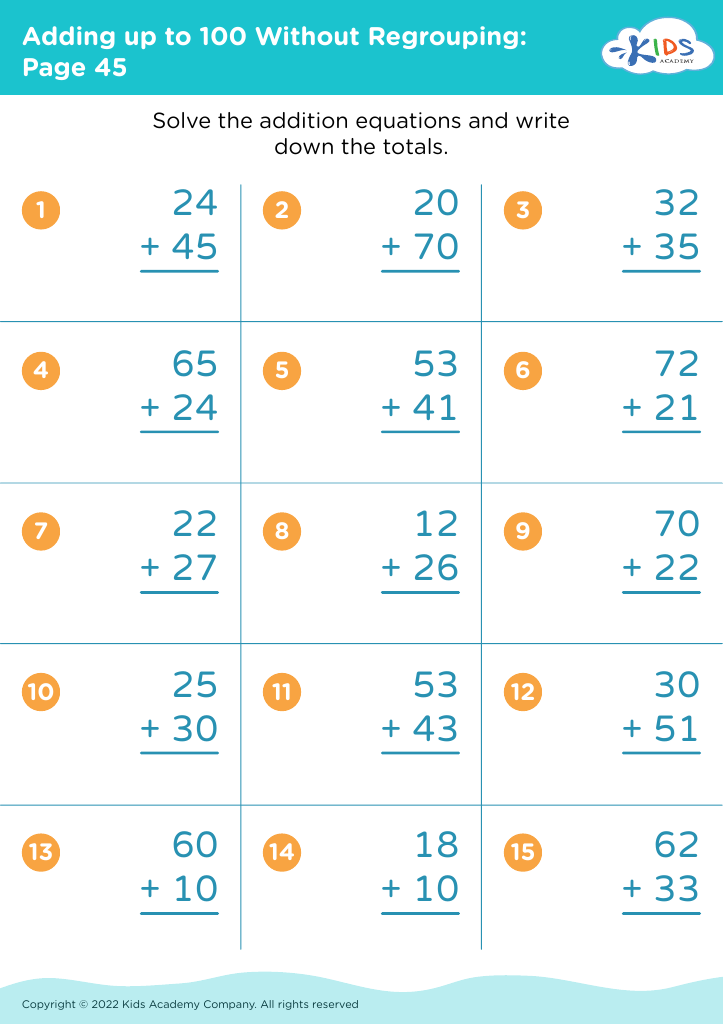
Adding up to 100 Without Regrouping: Page 45
Worksheet
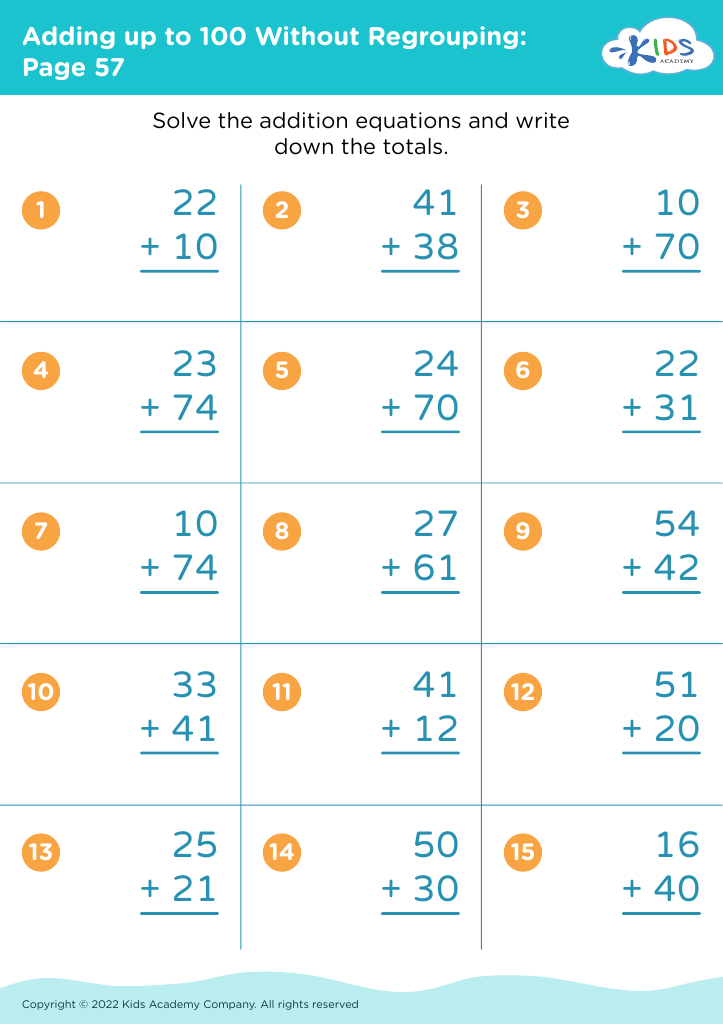
Adding up to 100 Without Regrouping: Page 57
Worksheet
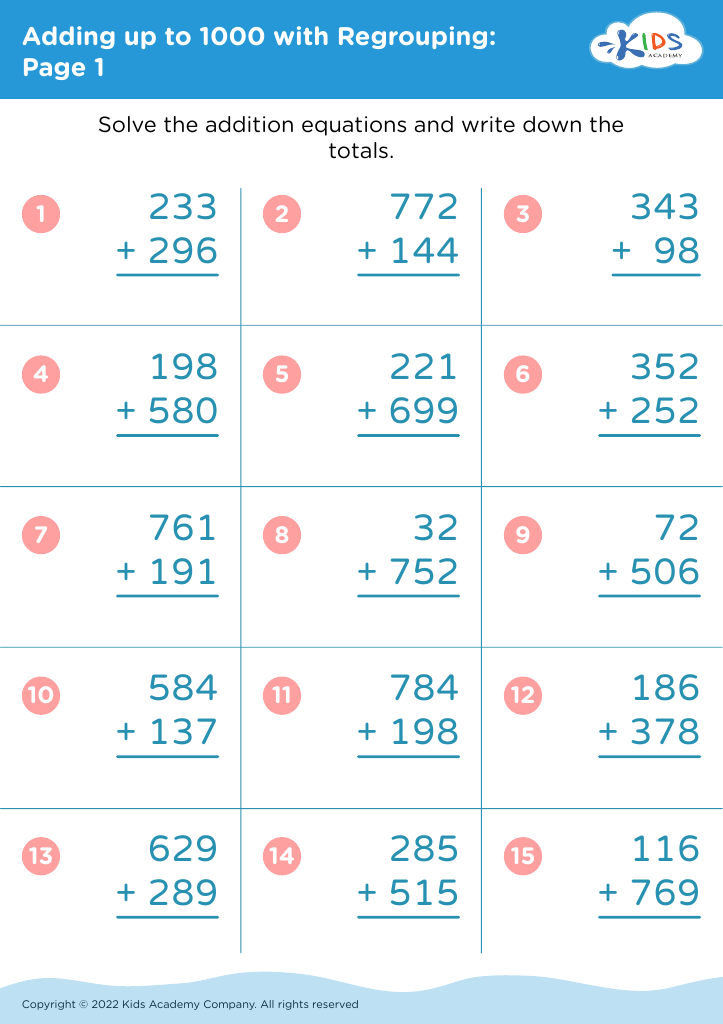
Adding up to 1000 with Regrouping: Page 1
Worksheet
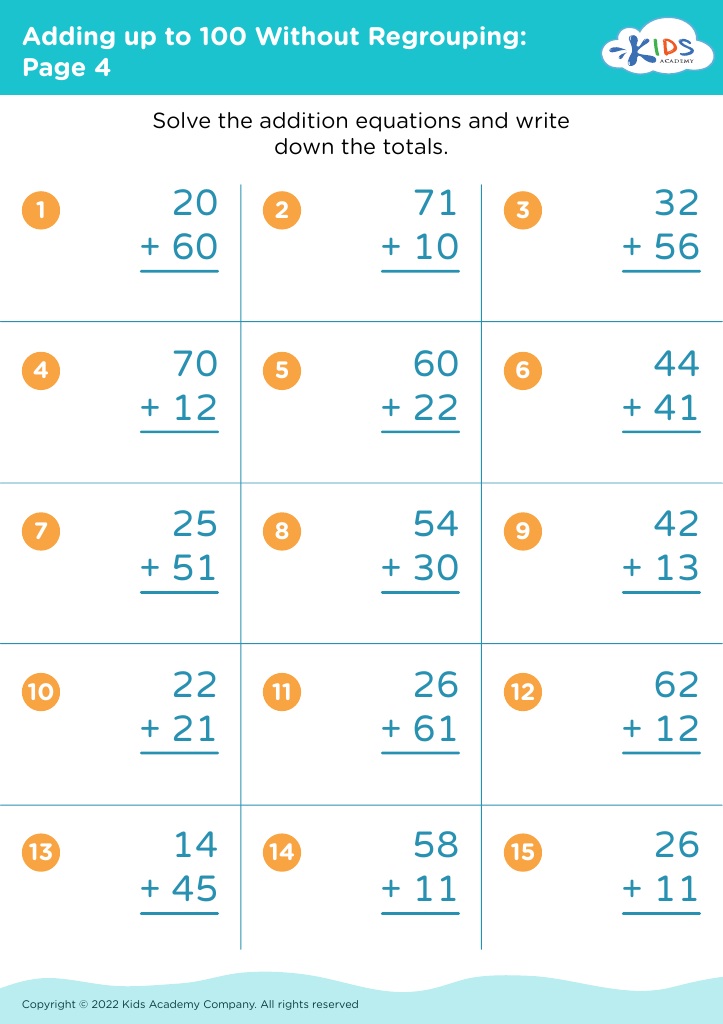
Adding up to 100 Without Regrouping: Page 4
Worksheet
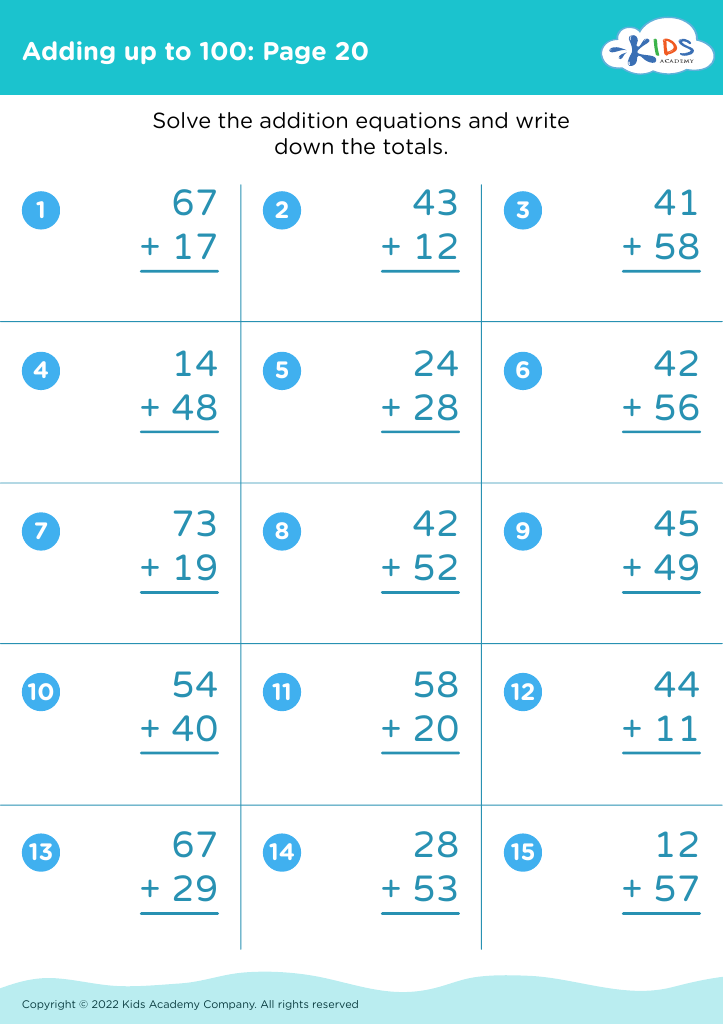
Adding up to 100: Page 20

Adding up to 100: Page 20

Adding up to 100: Page 20
Worksheet
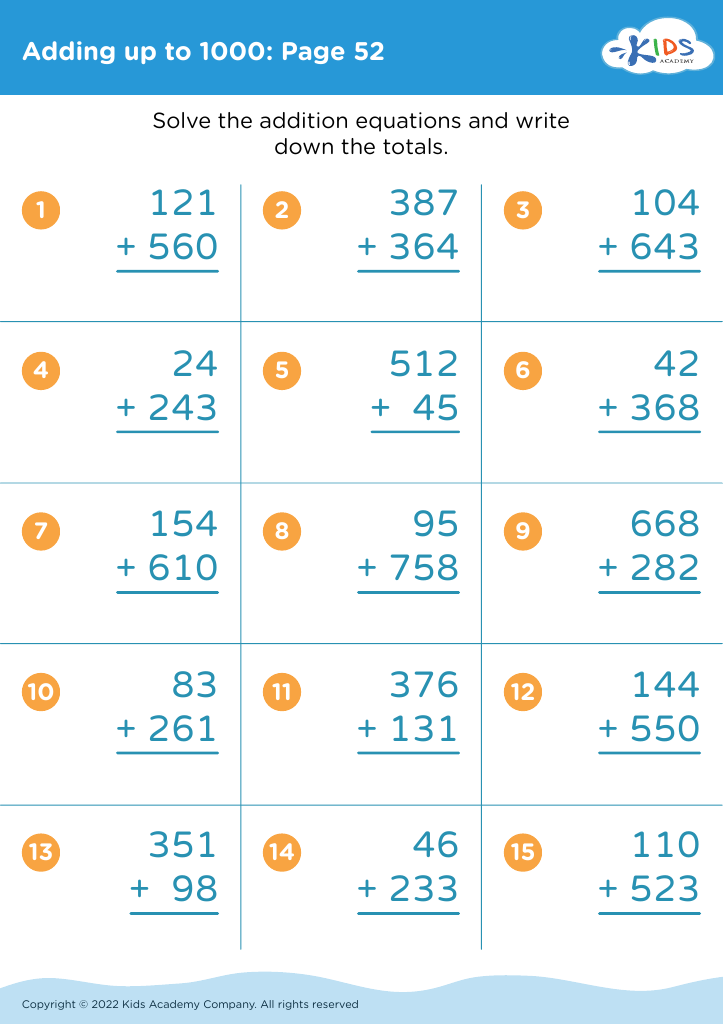
Adding up to 1000: Page 52

Adding up to 1000: Page 52

Adding up to 1000: Page 52
Worksheet
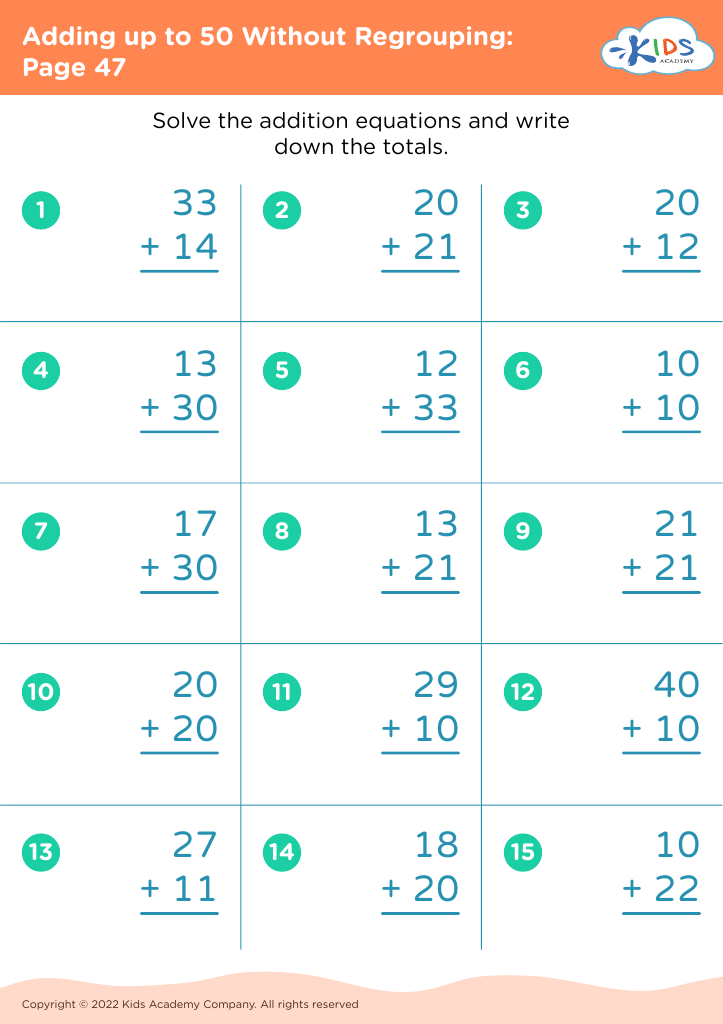
Adding up to 50 Without Regrouping: Page 47
Worksheet
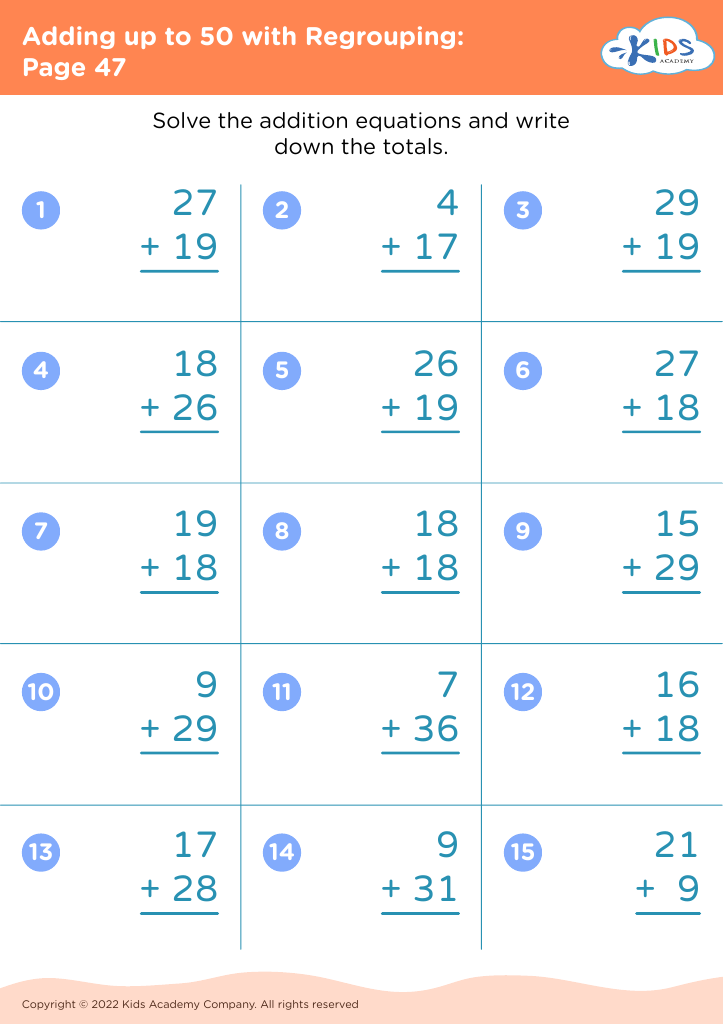
Adding up to 50 with Regrouping: Page 47
Worksheet
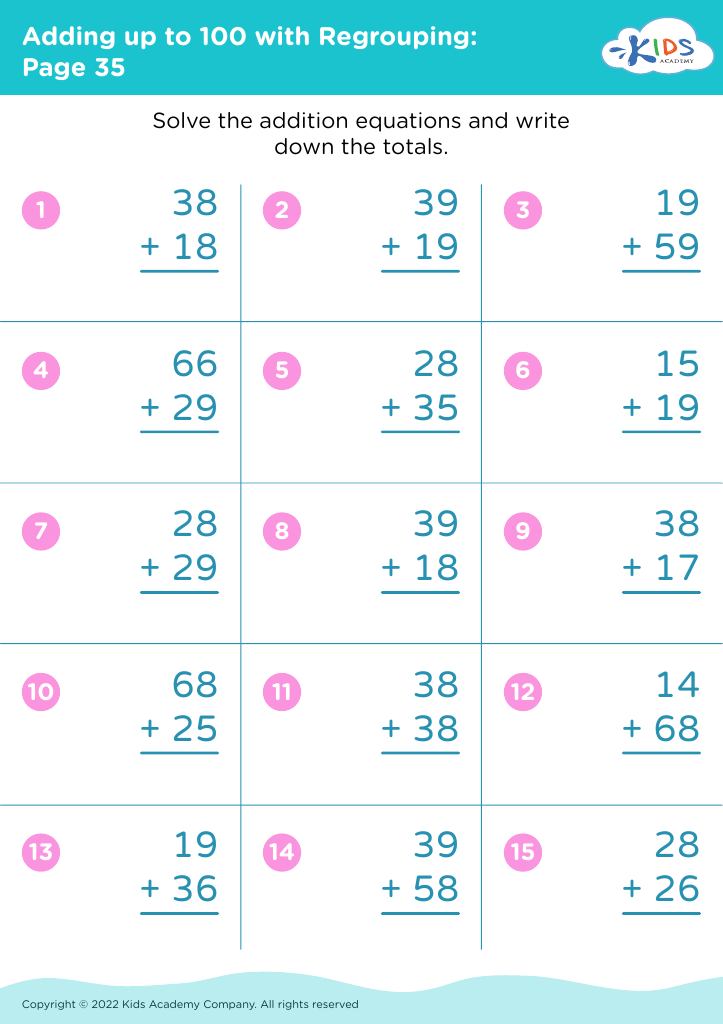
Adding up to 100 with Regrouping: Page 35
Worksheet
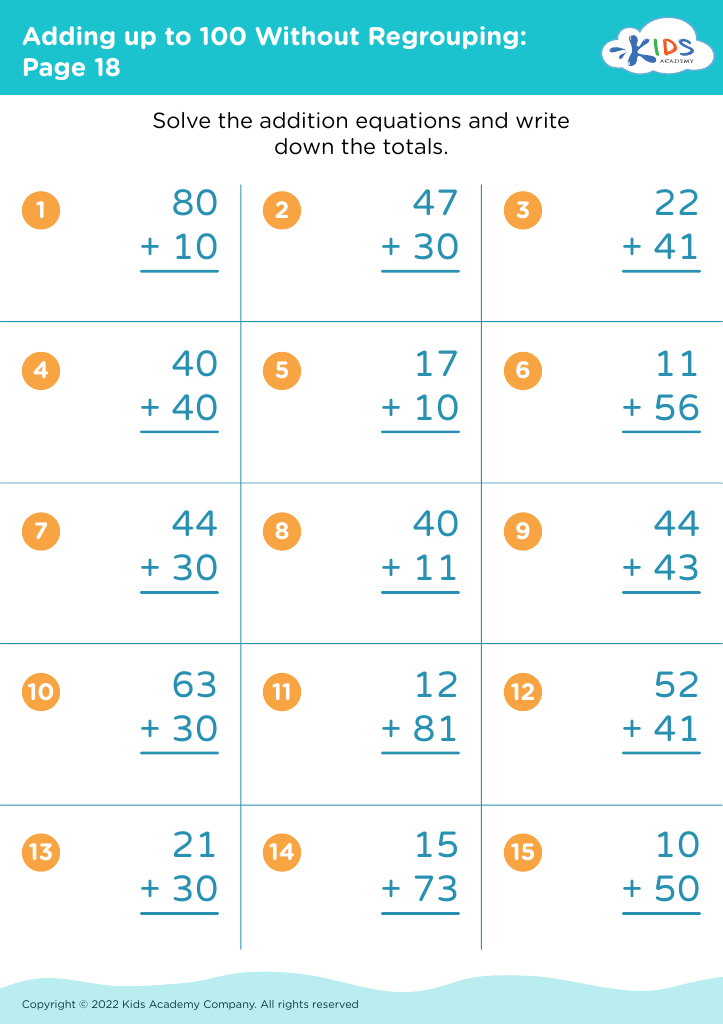
Adding up to 100 Without Regrouping: Page 18
Worksheet
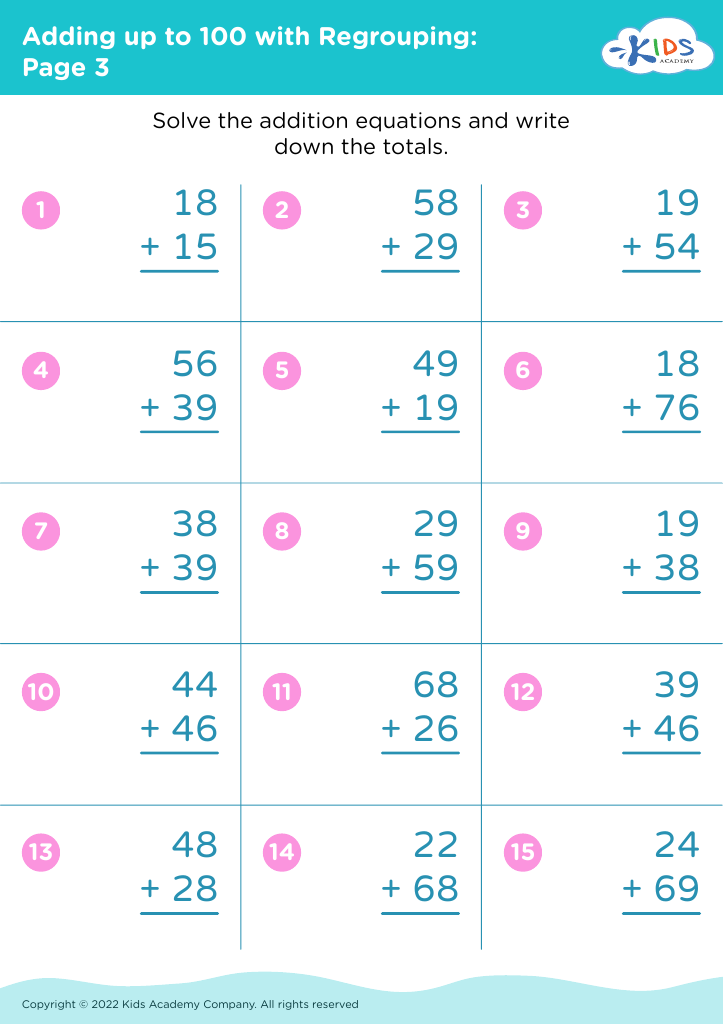
Adding up to 100 with Regrouping: Page 3
Worksheet
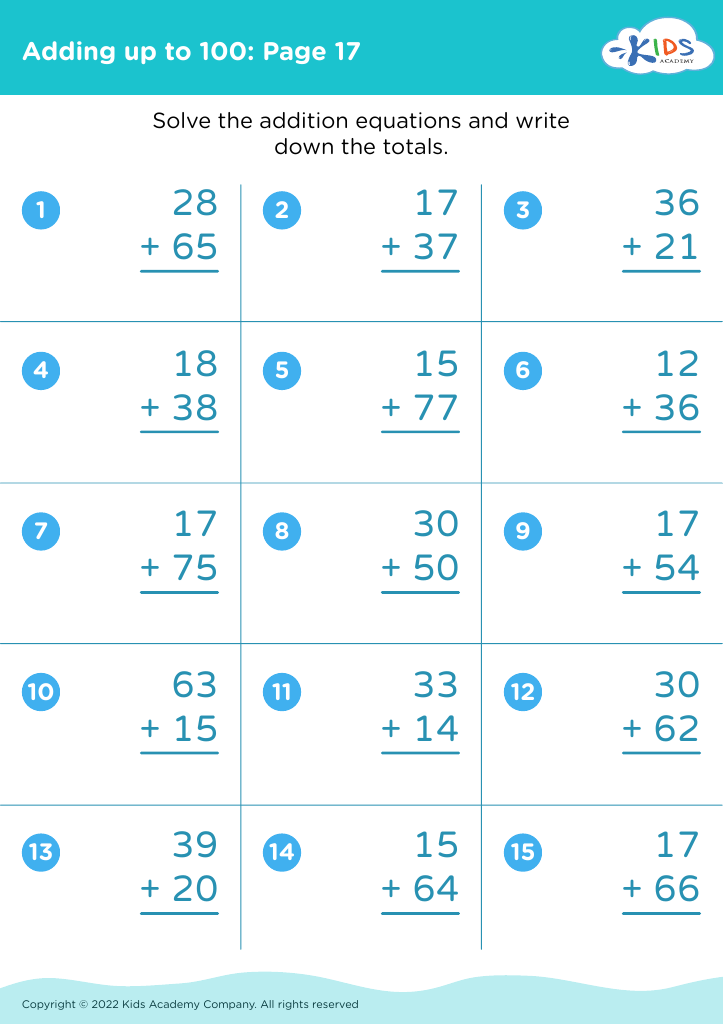
Adding up to 100: Page 17

Adding up to 100: Page 17

Adding up to 100: Page 17
Worksheet
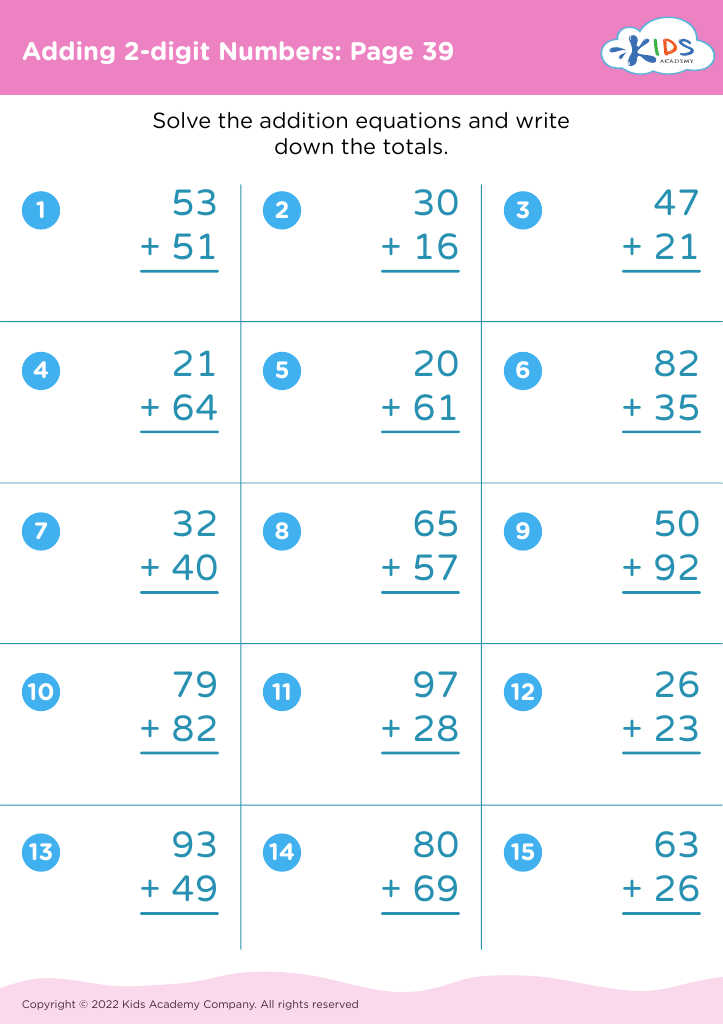
Adding 2-digit Numbers: Page 39

Adding 2-digit Numbers: Page 39

Adding 2-digit Numbers: Page 39
Worksheet
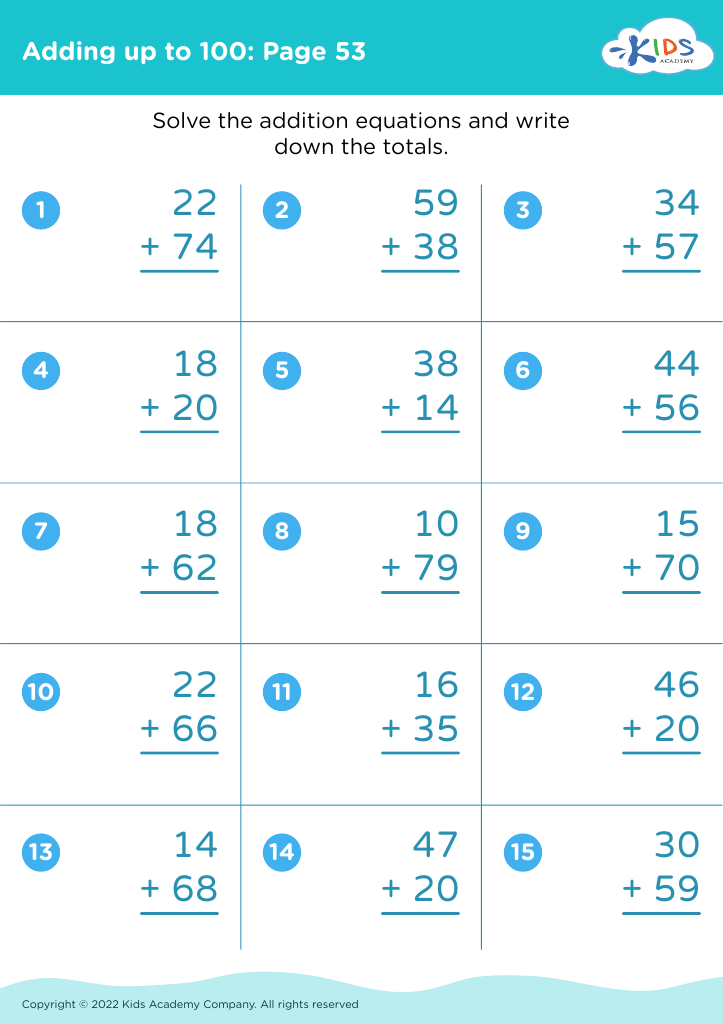
Adding up to 100: Page 53

Adding up to 100: Page 53

Adding up to 100: Page 53
Worksheet
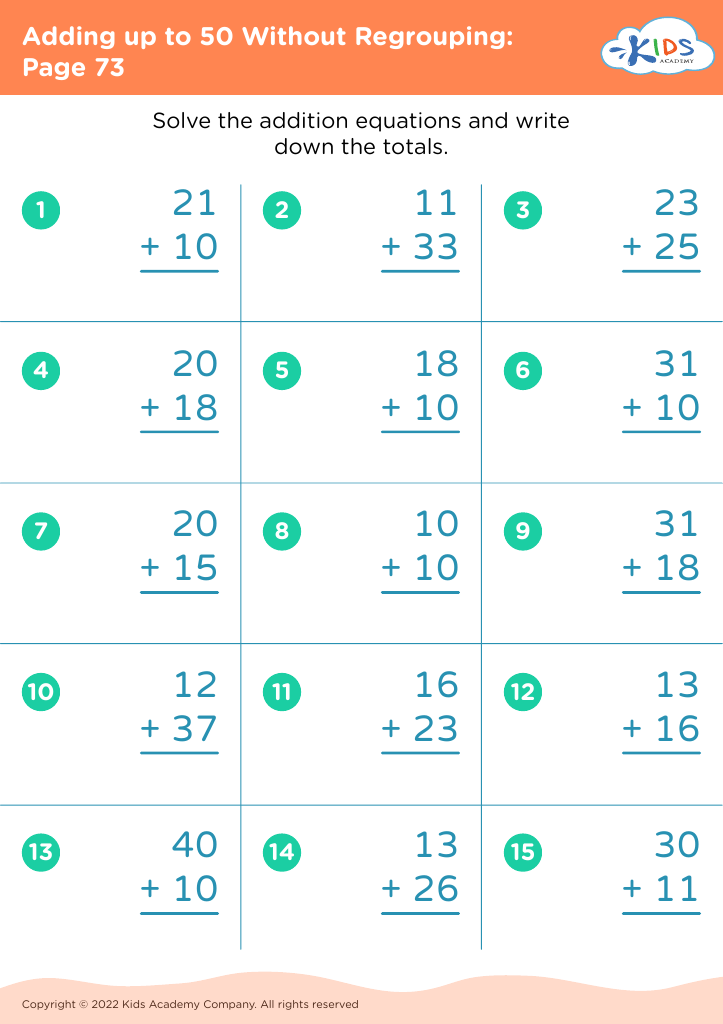
Adding up to 50 Without Regrouping: Page 73
Worksheet
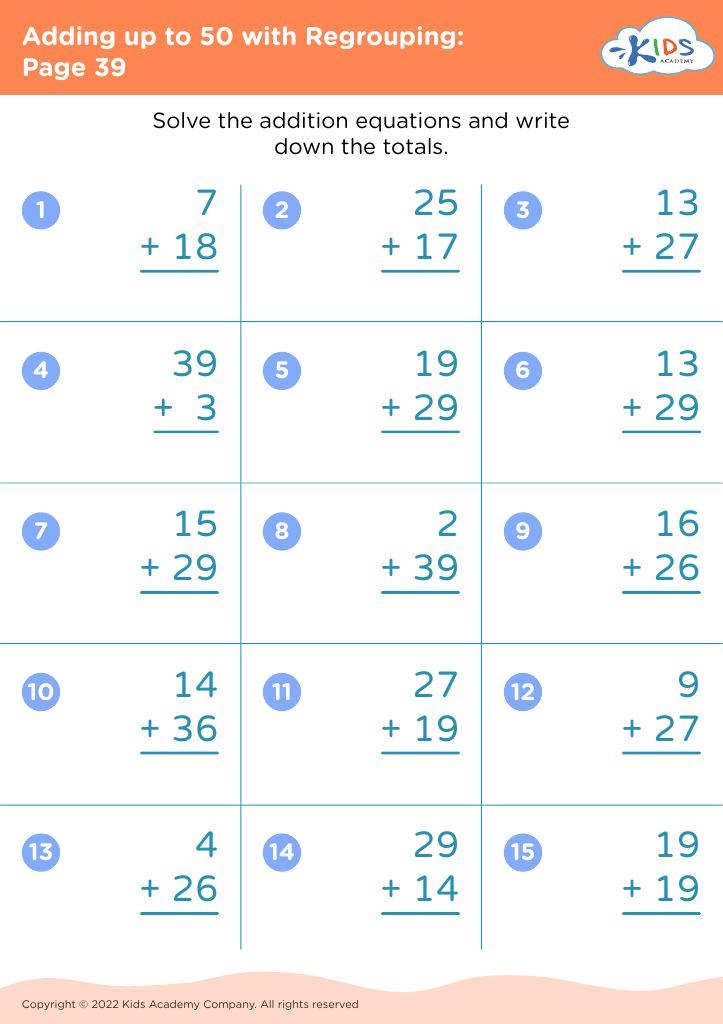
Adding up to 50 with Regrouping: Page 39
Worksheet
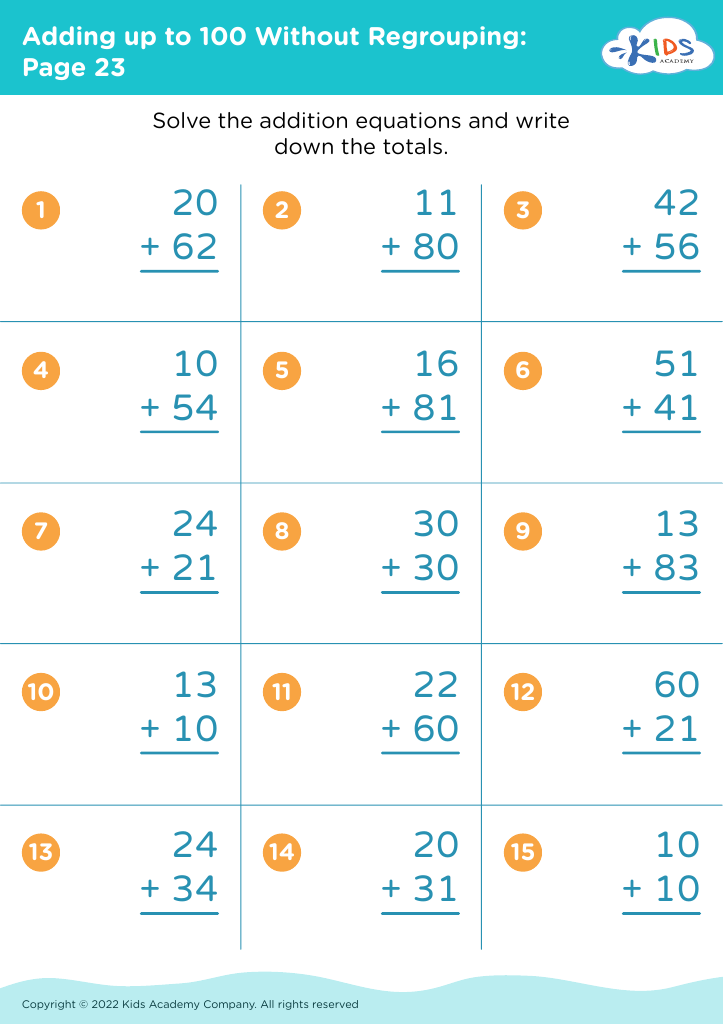
Adding up to 100 Without Regrouping: Page 23
Worksheet
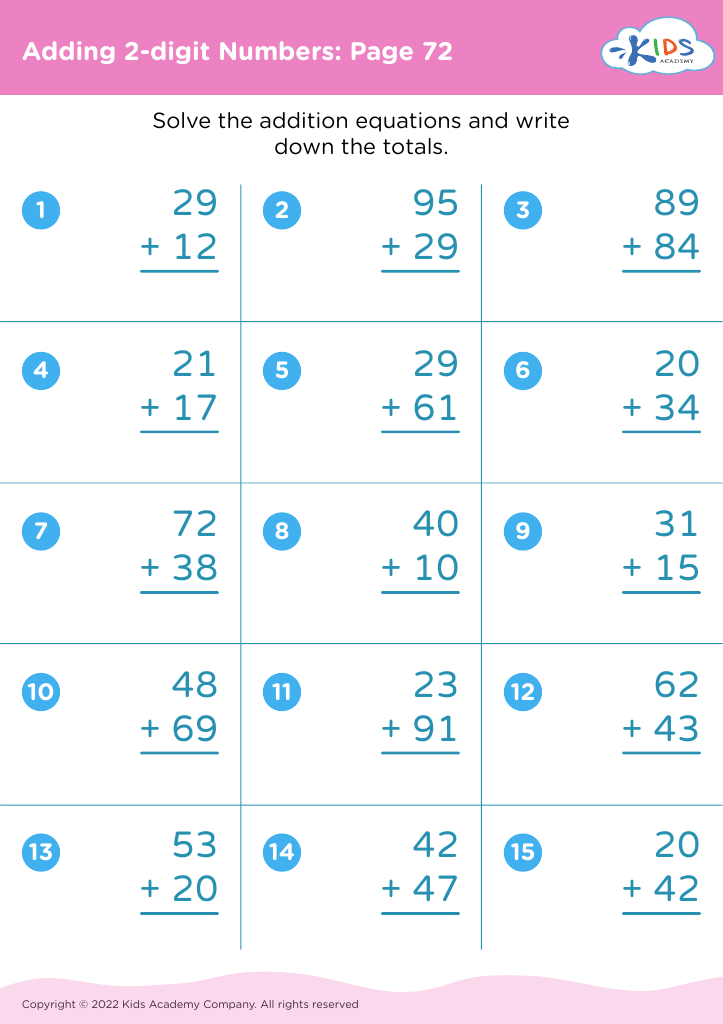
Adding 2-digit Numbers: Page 72

Adding 2-digit Numbers: Page 72

Adding 2-digit Numbers: Page 72
Worksheet


Understanding fraction simplification and addition, even at ages 7-8, is fundamental for several reasons. At this stage, children's cognitive abilities enable them to comprehend basic mathematical concepts, key among them being fractions. Teaching young learners to simplify fractions ensures they grasp early that math doesn't have to be complicated. It contributes to a more profound understanding of numbers and relationships between them, laying a foundation for more complex operations they'll encounter in later grades.

Moreover, fraction addition is essential because it helps children develop strong problem-solving skills. Learning to find common denominators and add fractions step-by-step teaches adherence to a systematic method. This mastery is transferable to a wide range of subjects and daily activities, such as following recipes, measuring, or even dividing time.

Engaging young students with fractions also peaks their interest and boosts confidence in math, especially if they achieve success early. This prevents math anxiety and fosters a positive relationship with the subject. Additionally, it aligns with common core standards, ensuring they meet grade-level expectations. Both parents and teachers play a critical role in this, as guidance at home and in the classroom reinforces these crucial numeracy skills, promising a strong academic foundation.