Logical thinking development Addition Worksheets for Ages 7-8
8 filtered results
-
From - To
Enhance your child's logical thinking and math skills with our engaging Addition Worksheets designed specifically for ages 7-8. These worksheets promote problem-solving abilities and critical thinking through fun and interactive exercises. Young learners will explore various addition strategies, work through challenging puzzles, and tackle real-world math scenarios that sharpen their reasoning skills. Our thoughtfully crafted materials support key educational standards and are ideal for both classroom and home use. Perfect for reinforcing concepts and developing a strong foundation in mathematics, these worksheets will inspire your child to think critically while enjoying the learning process. Start their logical thinking journey today!
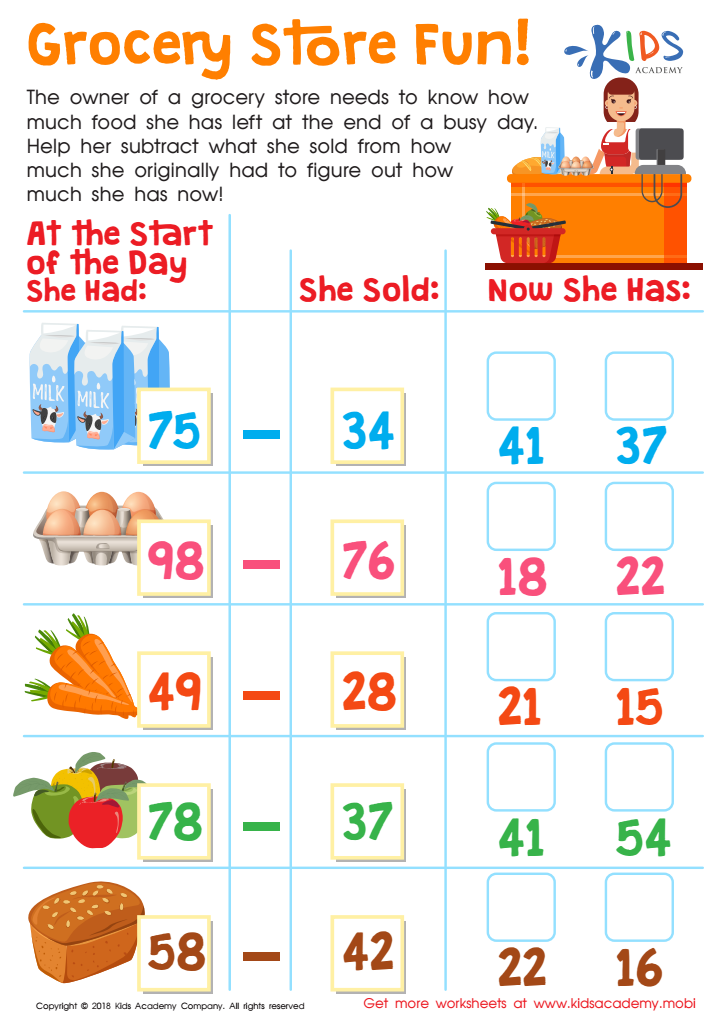
Grocery Store Fun! Worksheet
 Assign to My Students
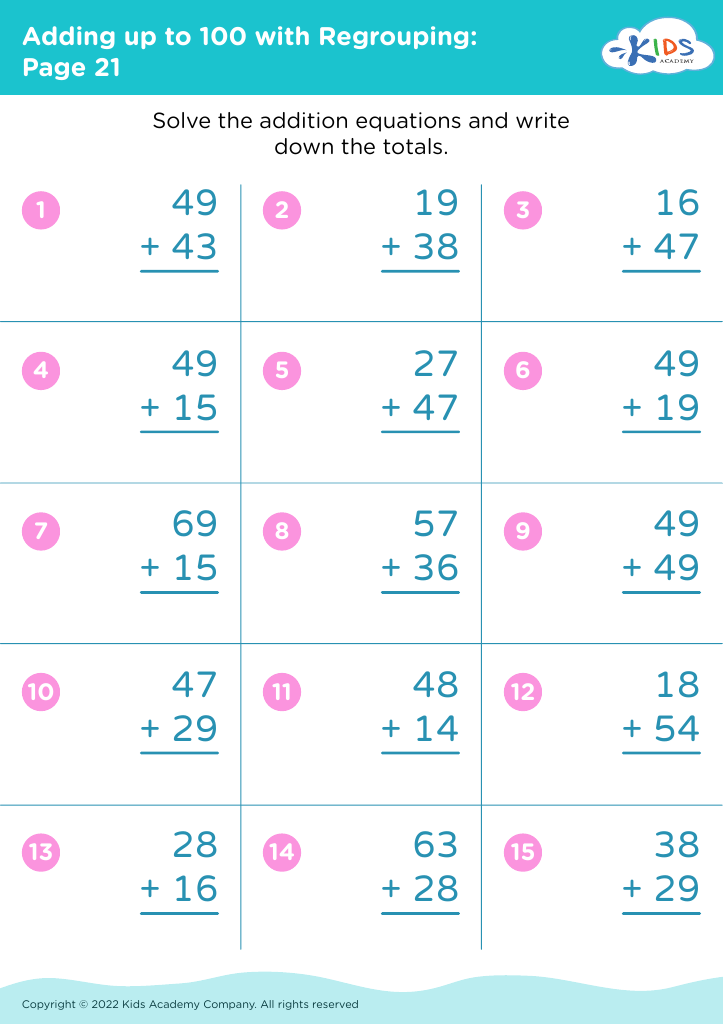
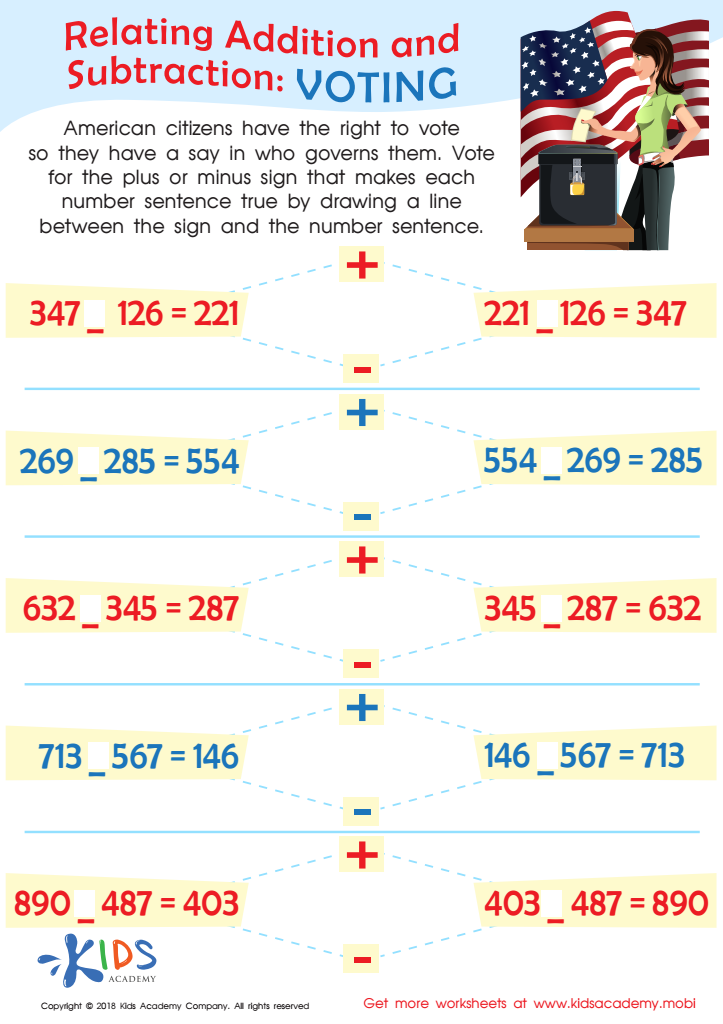
Voting Worksheet
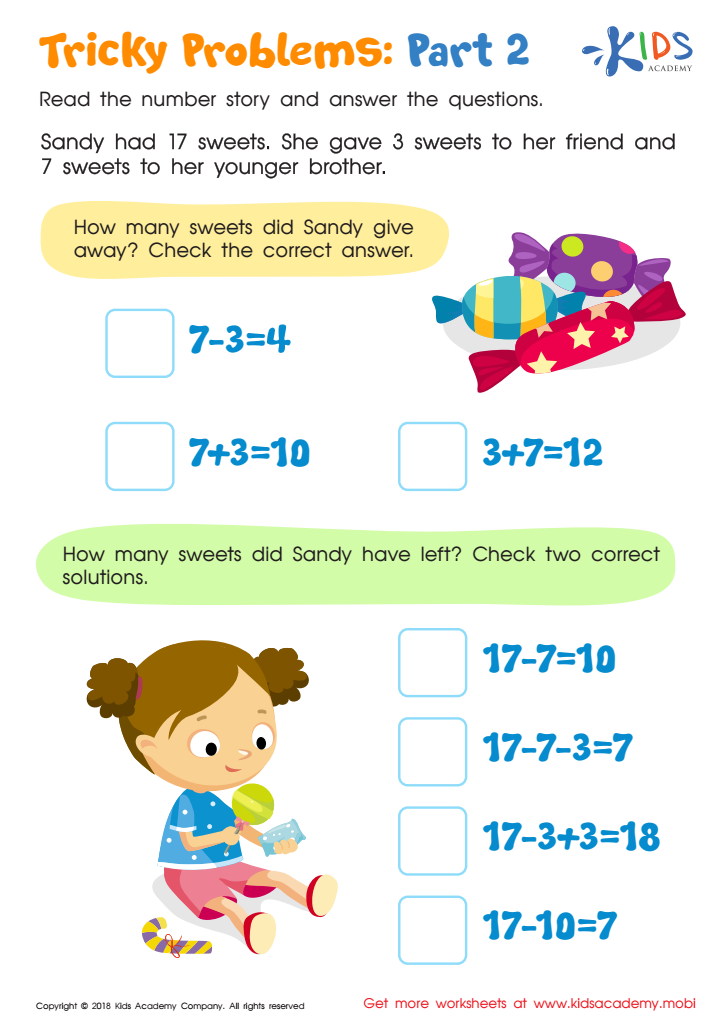
Tricky Problems Worksheet: Part 2
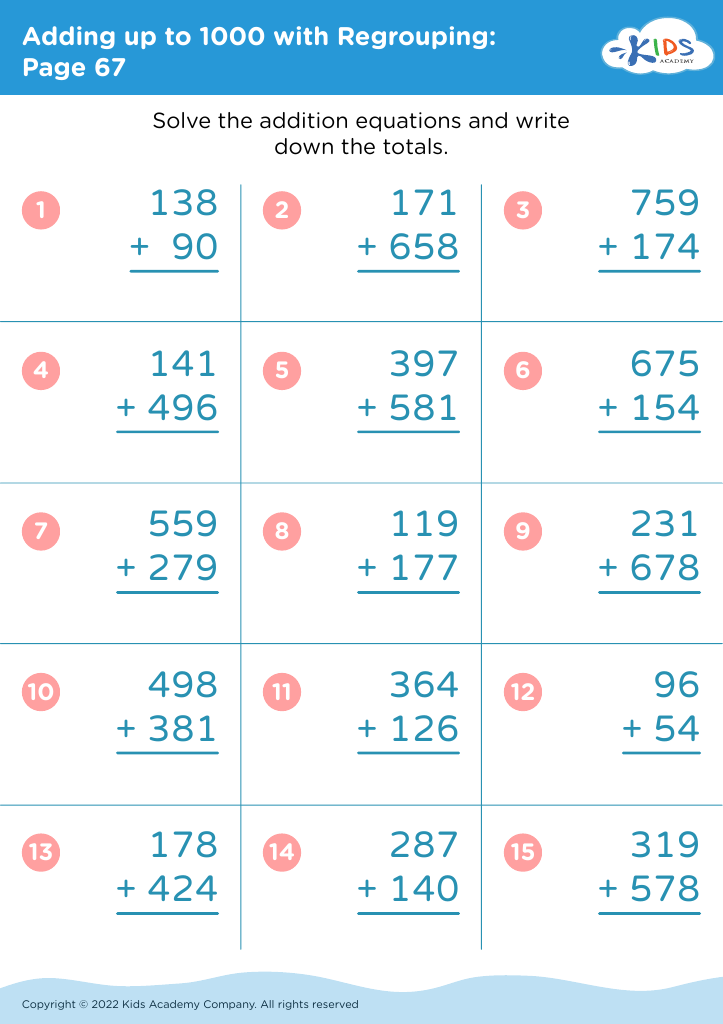
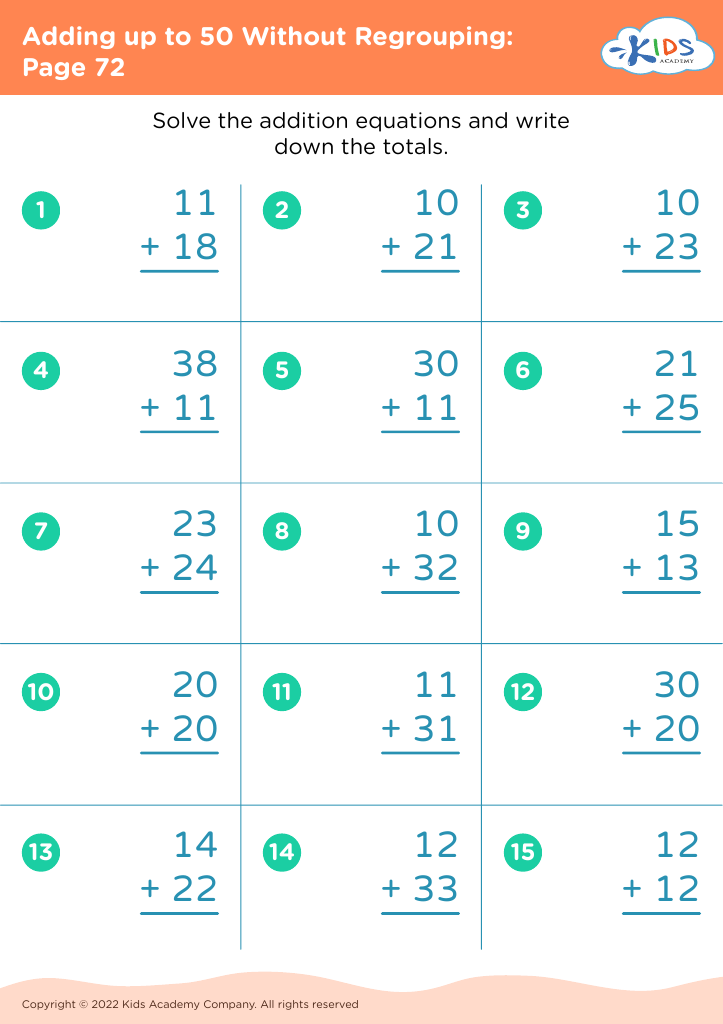
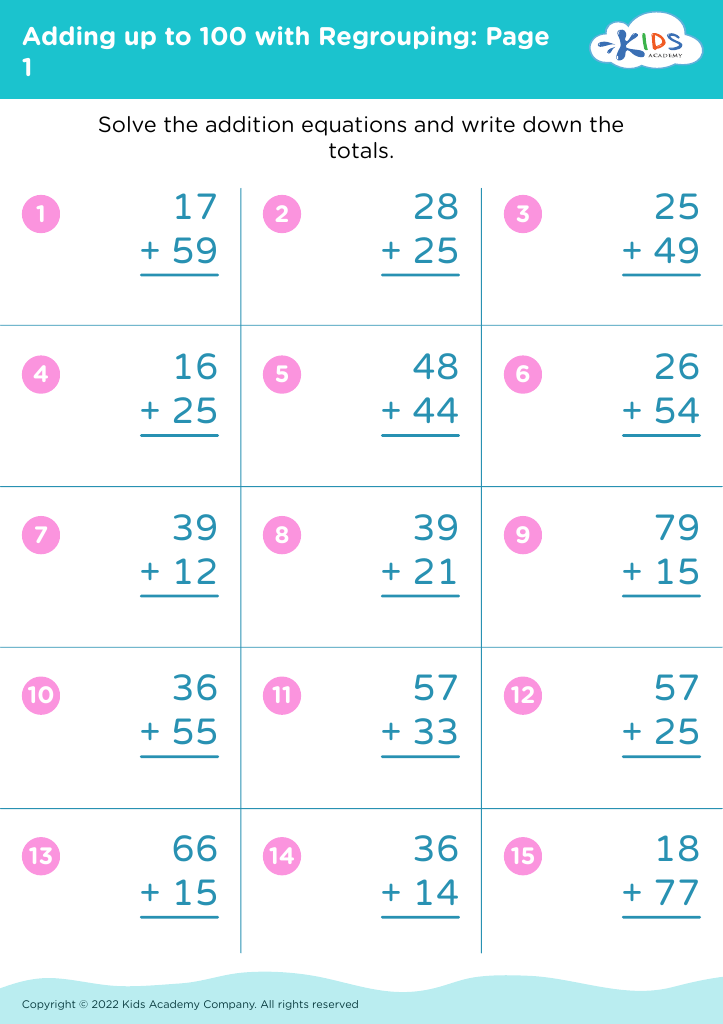
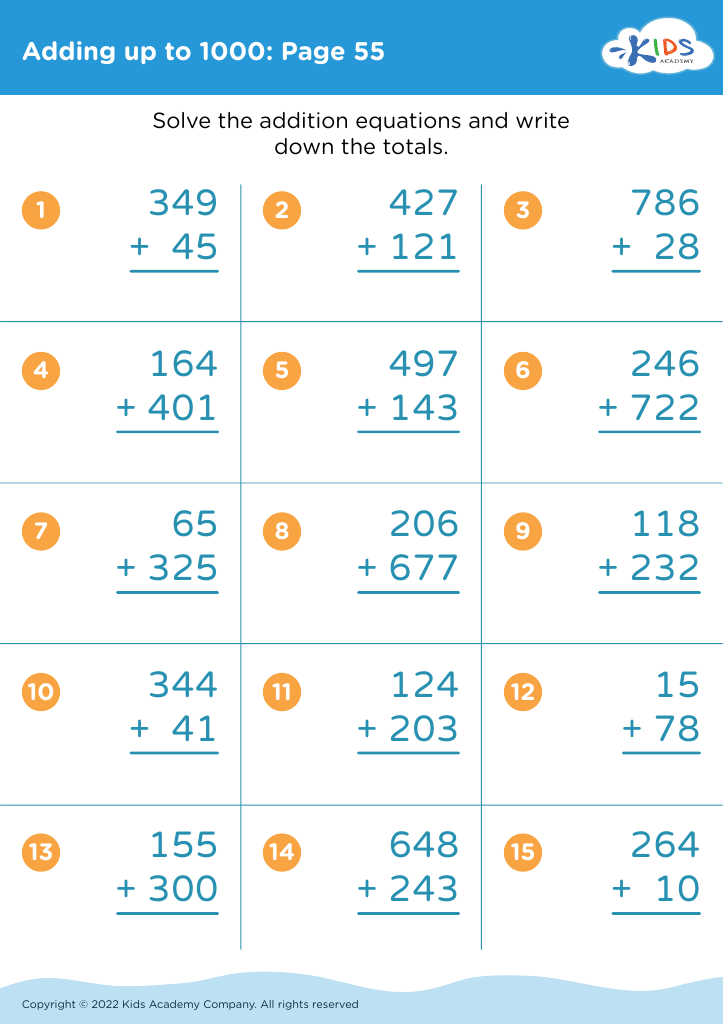








Logical thinking is a fundamental skill that supports a child’s overall cognitive development, especially during the ages of 7 to 8 when their reasoning abilities expand significantly. By focusing on logical thinking during addition, parents and teachers help children tackle mathematical concepts more effectively and understand relationships between numbers.
At this age, children are transitioning from concrete to more abstract thinking and begin engaging with more complex addition problems. Encouraging logical thinking gives them tools to break down problems, identify patterns, and develop strategies, such as regrouping or using number lines. This not only enhances their addition skills but also strengthens their analytical abilities, promoting problem-solving in various subjects.
Furthermore, fostering logical thinking through addition can build confidence in students. As they master these skills, they realize that challenging problems can be solved with the right approach, which boosts their resilience and enthusiasm for learning. Equipped with logical thinking skills, children are better prepared for future mathematical tasks and real-life challenges, setting a solid foundation for advanced concepts and critical thinking. Hence, engaging in logical thinking development during addition is pivotal for parents and teachers aiming to support children's academic success and cognitive development.








