
Visual discrimination Addition Worksheets for Ages 7-8
4 filtered results
Difficulty Level
Grade
Age
-
From - To
Subject
Activity
Standards
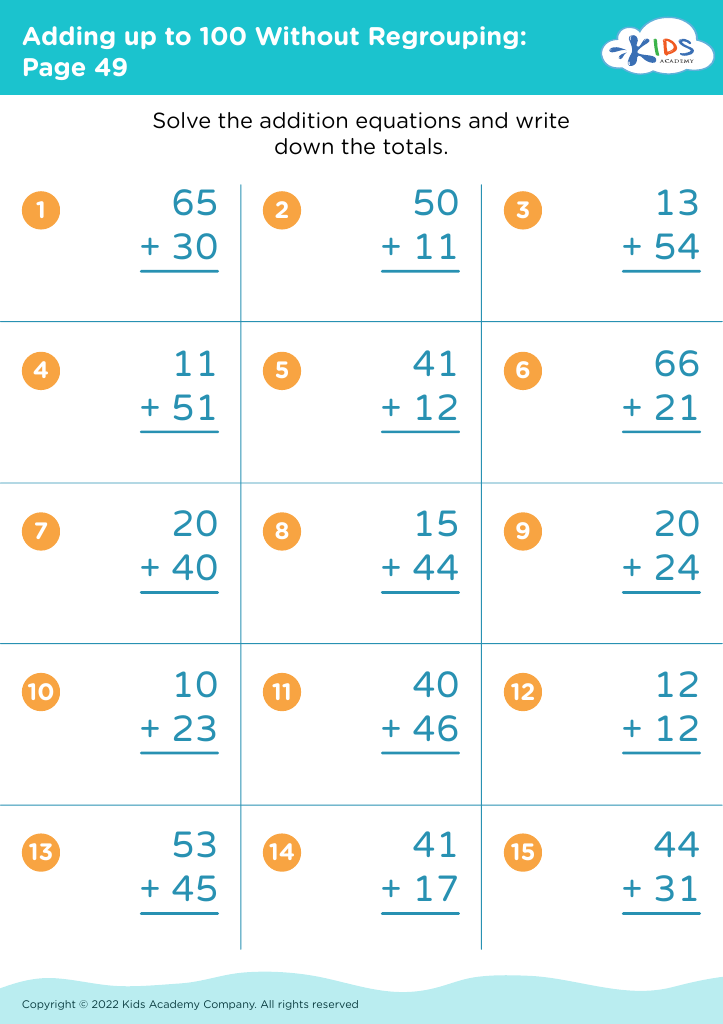
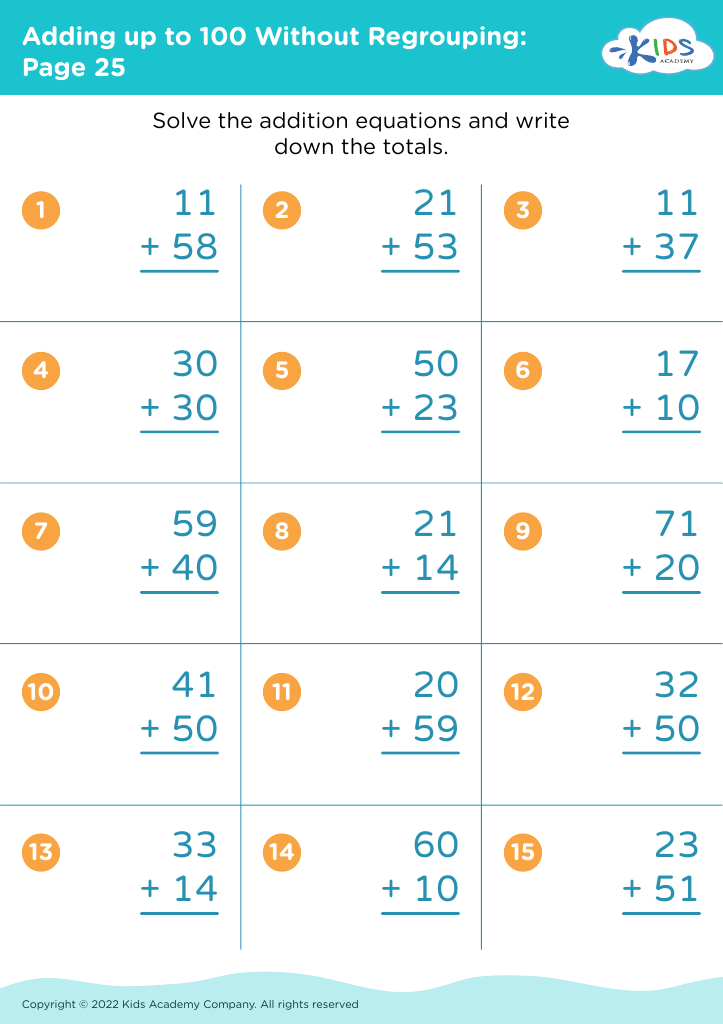
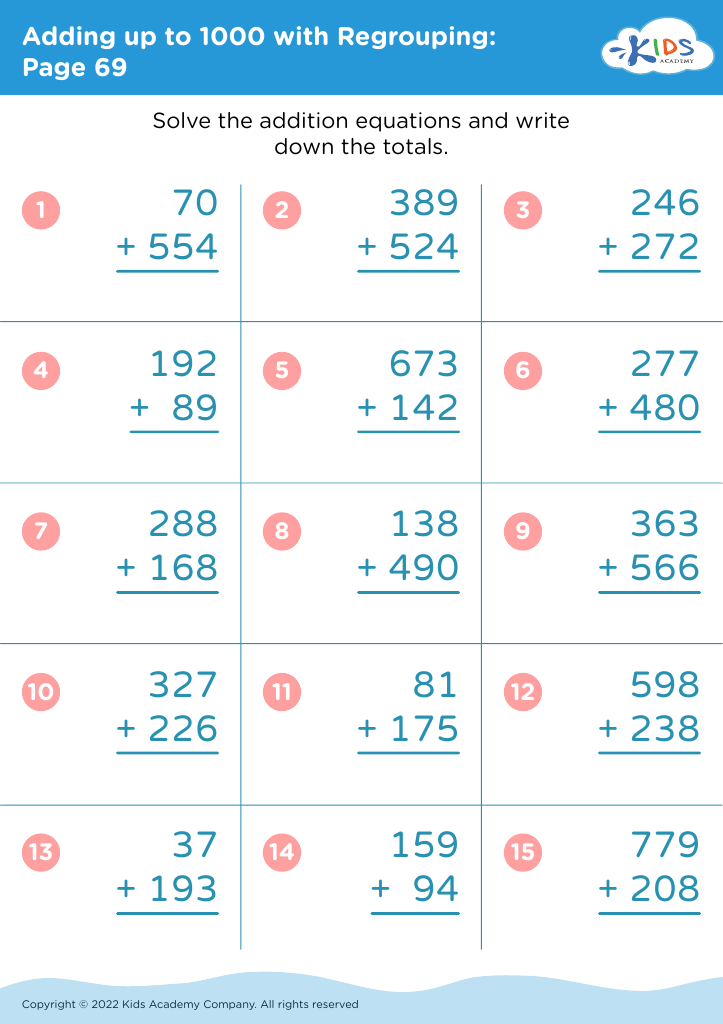
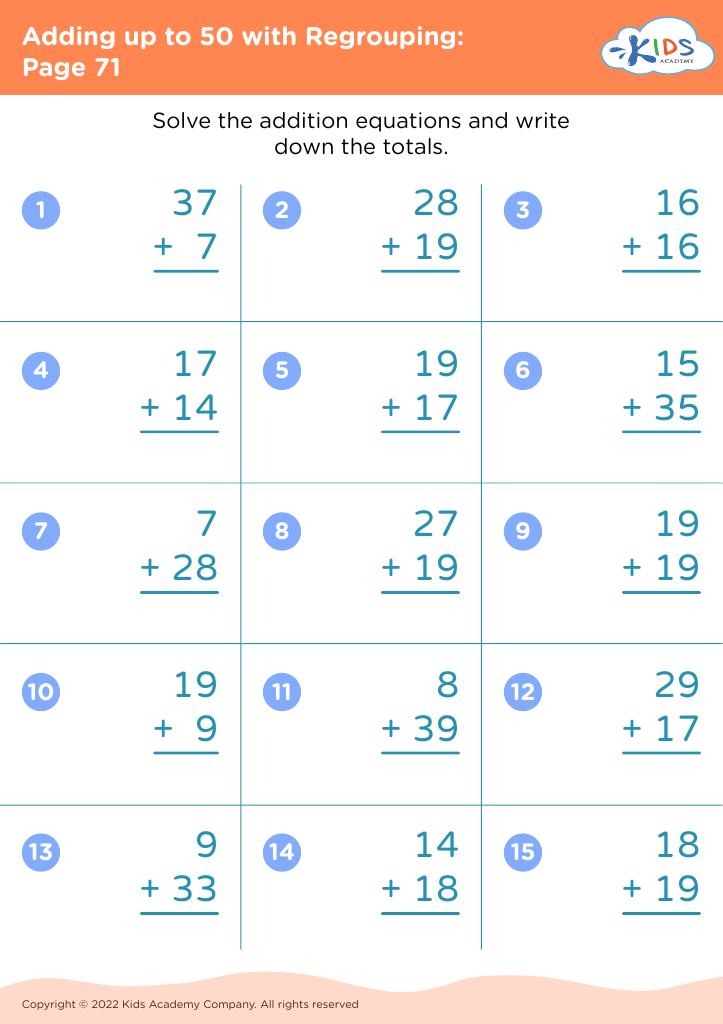
Enhance your child's math journey with our Visual Discrimination Addition Worksheets designed specifically for ages 7-8. These engaging resources aid in developing crucial visual skills while reinforcing addition concepts. Children will practice distinguishing between similar numbers and quantities, boosting their attention to detail and math accuracy. Our expertly crafted worksheets combine fun visuals with effective practices, ensuring learning remains enjoyable and impactful. Perfect for classroom use or home reinforcement, these worksheets support young learners in building a strong foundation in mathematics while engaging their visual processing abilities. Download today and watch your child's confidence soar in mastering addition!
Favorites
With answer key
Interactive
Join Kids Academy for Free
Who is primarily going to use this learning content?



.jpg)




Visual discrimination is a crucial skill for children aged 7-8, especially in the context of learning addition. This ability allows children to distinguish between different shapes, symbols, and numbers, which is essential in mastering mathematical concepts. Parents and teachers should care about visual discrimination as it directly impacts a child's proficiency in addition, an essential building block for future mathematical skills.
When children can accurately identify and differentiate visually similar numbers, they are less likely to make errors when performing addition. This skill encompasses not just recognizing numbers but also understanding their quantity and relationship, which fosters better problem-solving abilities. Furthermore, strong visual discrimination contributes to improved reading and comprehension skills, as it enhances a child's ability to spot differences in letters and words.
Promoting visual discrimination at this age can lead to greater confidence in young learners. Engaging in activities that sharpen these skills, such as puzzles and games, not only makes learning fun but also reinforces their mathematical foundation. Ultimately, prioritizing visual discrimination aligns with cognitive development goals, ensuring that children are well-equipped for more complex mathematical concepts as they progress in their education. Thus, a focus on visual discrimination will support parents and teachers in nurturing well-rounded, capable learners.








