
Word Recognition Addition Worksheets for Ages 7-8
4 filtered results
Difficulty Level
Grade
Age
-
From - To
Subject
Activity
Standards
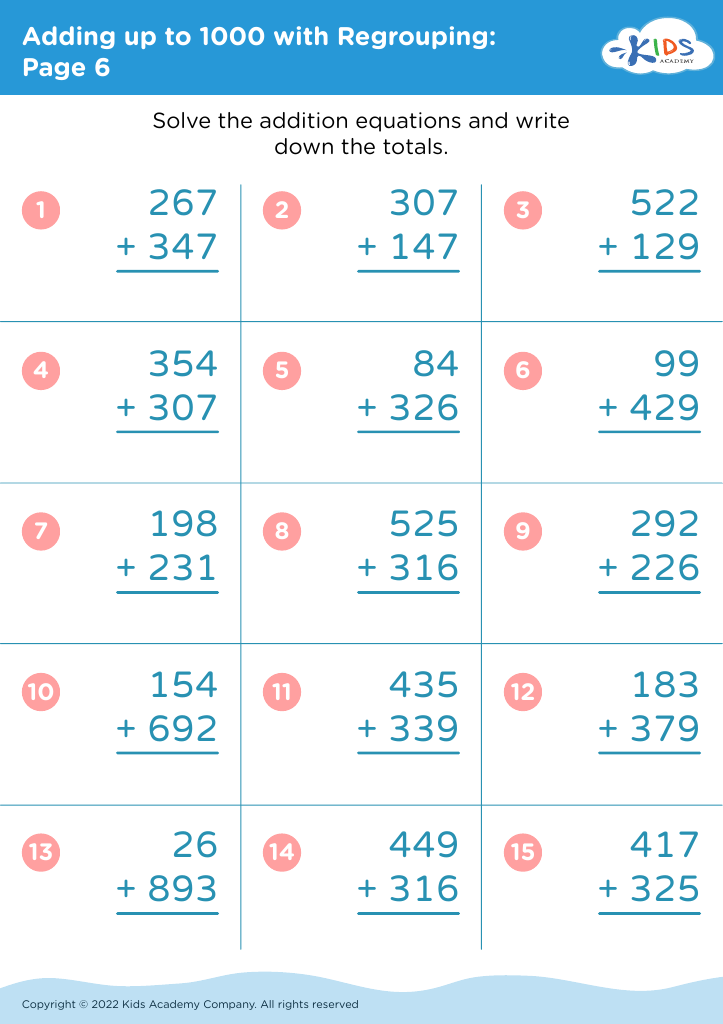
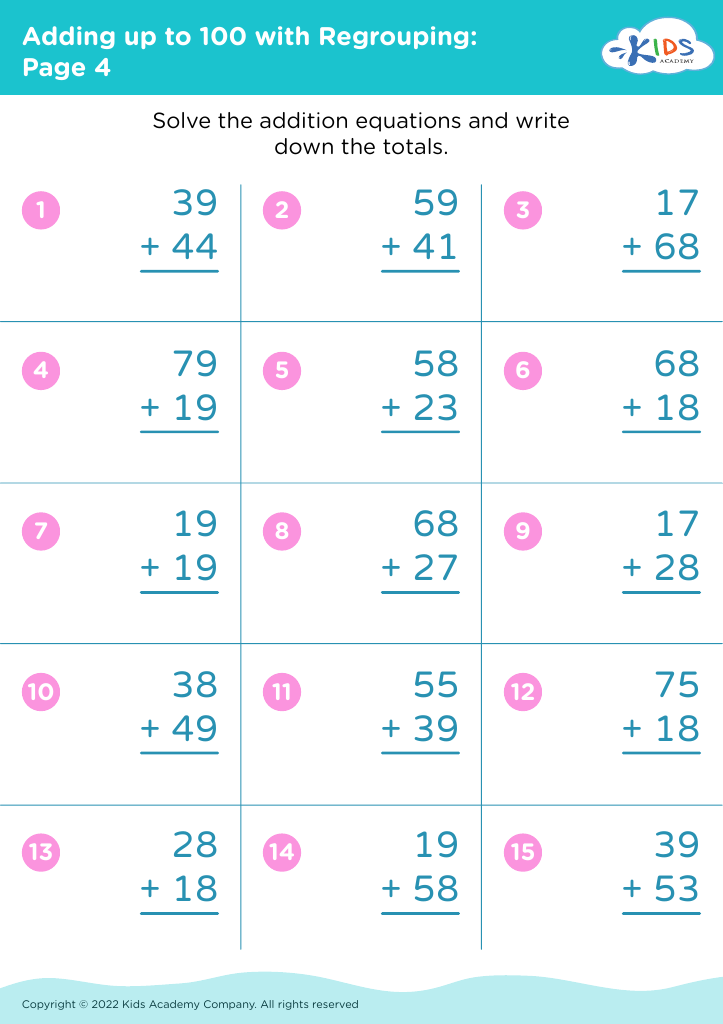
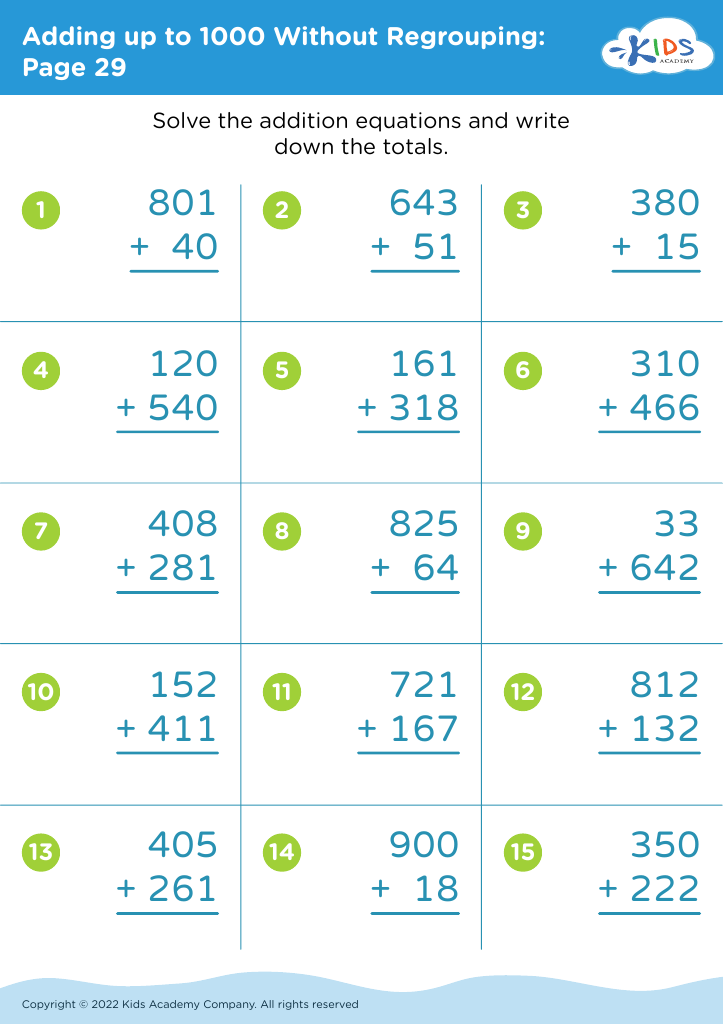
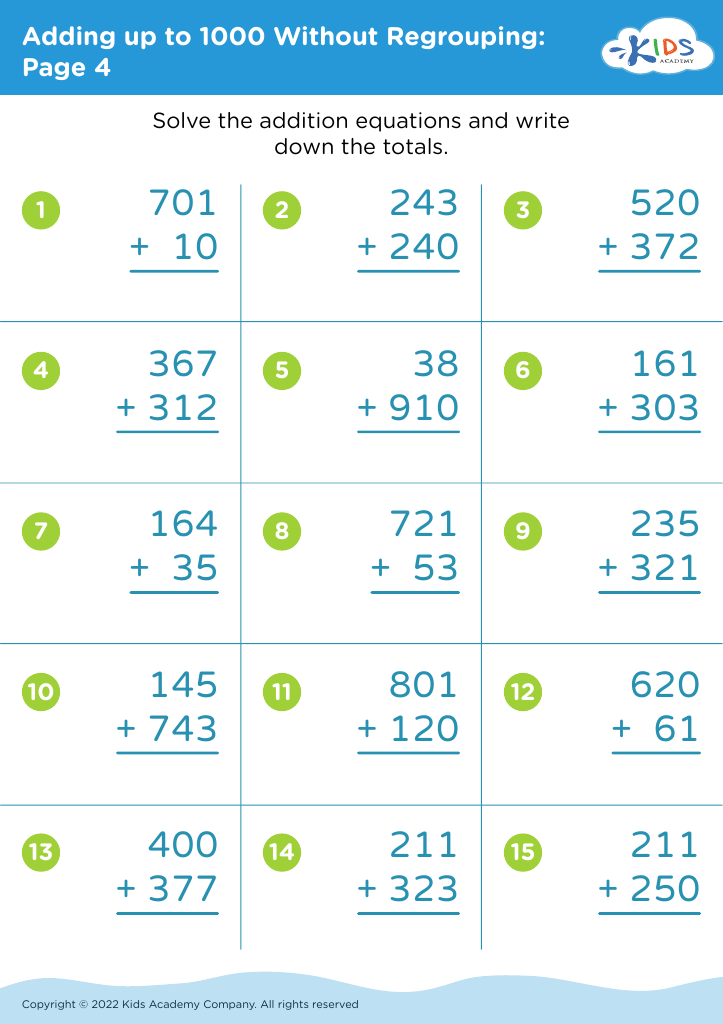
Enhance your child's math skills with our engaging Word Recognition Addition Worksheets for ages 7-8! Designed to foster both literacy and numeracy, these worksheets integrate word problems that challenge young learners to decipher and solve addition tasks. By dealing with real-life scenarios, children develop critical thinking and comprehension skills while mastering basic arithmetic. Each worksheet promotes a fun and interactive learning experience, ensuring your child builds confidence and proficiency in math. Perfect for home or classroom use, our worksheets provide a seamless way to differentiate instruction and support diverse learning needs. Unlock your child's potential today with our dynamic addition resources!
Favorites
With answer key
Interactive
Join Kids Academy for Free
Who is primarily going to use this learning content?






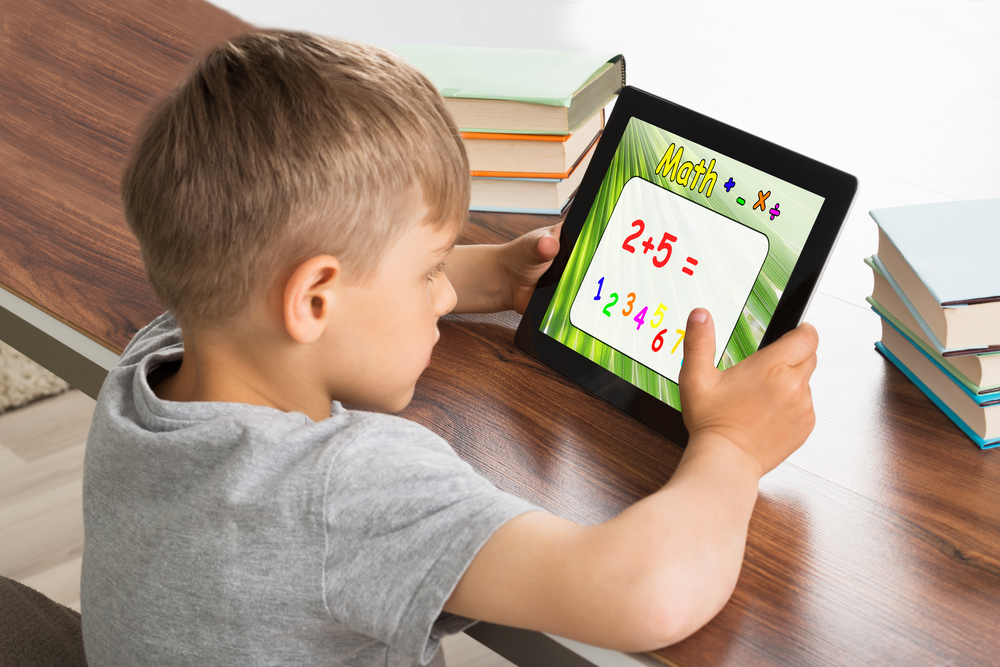

Word recognition is a fundamental skill crucial for children aged 7-8 as they transition from learning to read to reading to learn. At this stage, students enhance their ability to recognize and understand words quickly, which is essential for comprehension and fluency. When children can easily identify words, they can focus their cognitive resources on understanding the text rather than decoding it, leading to deeper engagement with the material.
Parents and teachers should prioritize word recognition because it is directly linked to academic success across subjects—not just reading. Enhanced word recognition skills can improve a child's performance in writing, spelling, and even math, where word problems frequently require readers to decipher questions accurately. Furthermore, reading proficiency gained through strong word recognition abilities fosters a love for reading, which can have lasting effects on educational attainment and social skills.
By supporting interventions or activities that bolster word recognition, parents and teachers foster confidence in students, helping them develop a strong foundation for lifelong learning. Engaging in fun activities, such as word games or reading together, can motivate children, making learning enjoyable and effective. Ultimately, investing attention and resources in word recognition supports not only literacy but also holistic child development.








