Problem-Solving Skills Comparing Numbers Worksheets for Ages 7-8
5 filtered results
-
From - To
Enhance your child's problem-solving skills with our engaging Comparing Numbers Worksheets, designed specifically for ages 7-8. These worksheets provide a fun and interactive way for young learners to practice comparing numbers through various activities. By engaging with topics such as greater than, less than, and equal to, children will develop critical thinking and analytical abilities essential for their math mastery. Each worksheet fosters cognitive growth while promoting a love for learning. Perfect for classroom or home use, these resources are versatile and accessible. Empower your child to tackle challenges confidently and build a strong foundation in mathematics with our specially crafted materials!
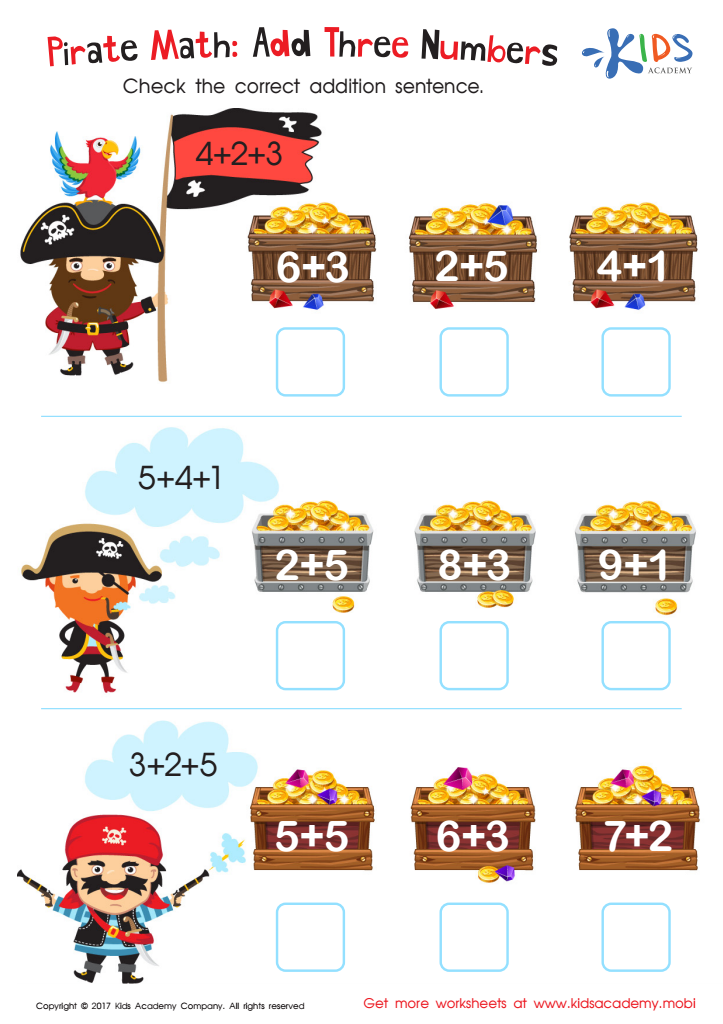
Pirate Math Printable
 Assign to My Students
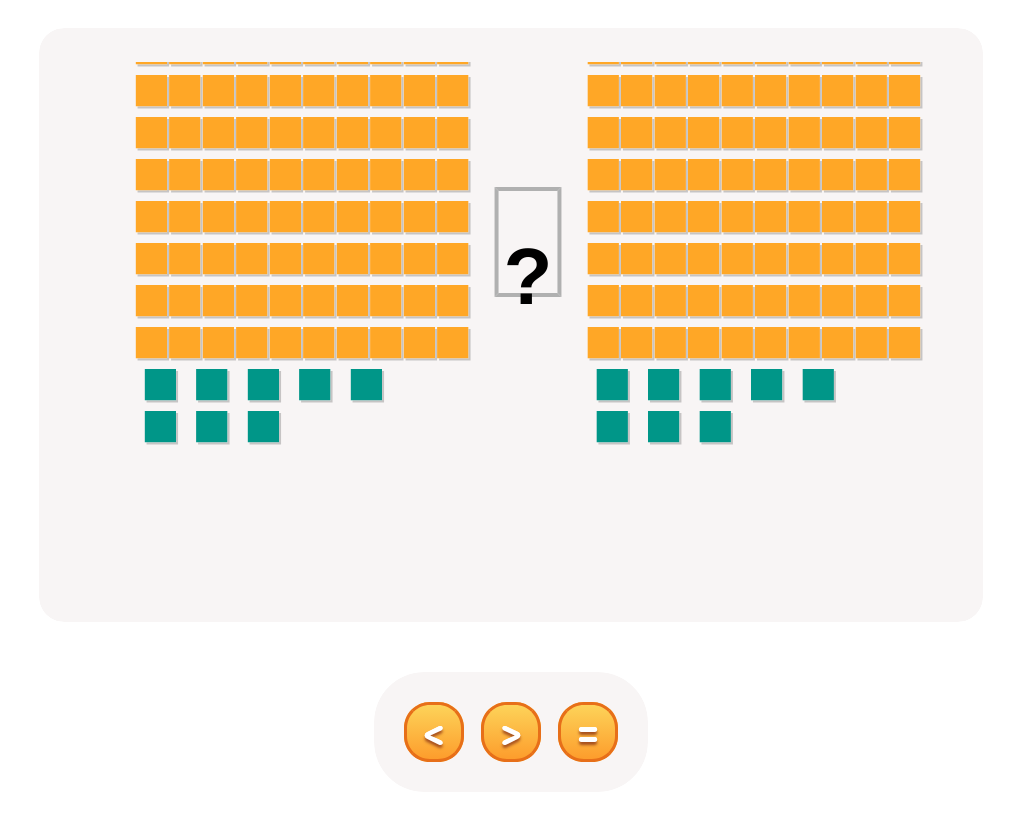

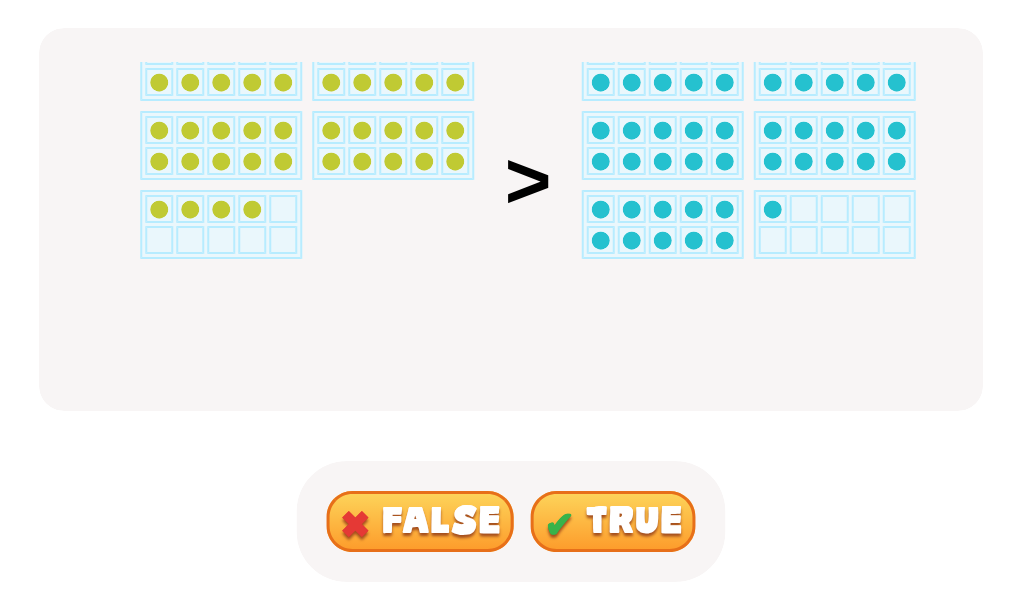
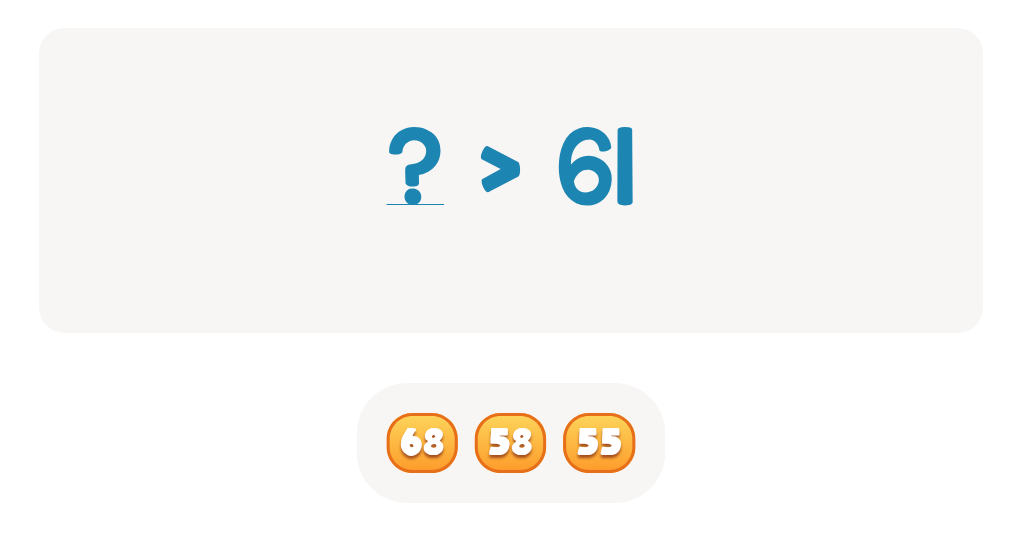
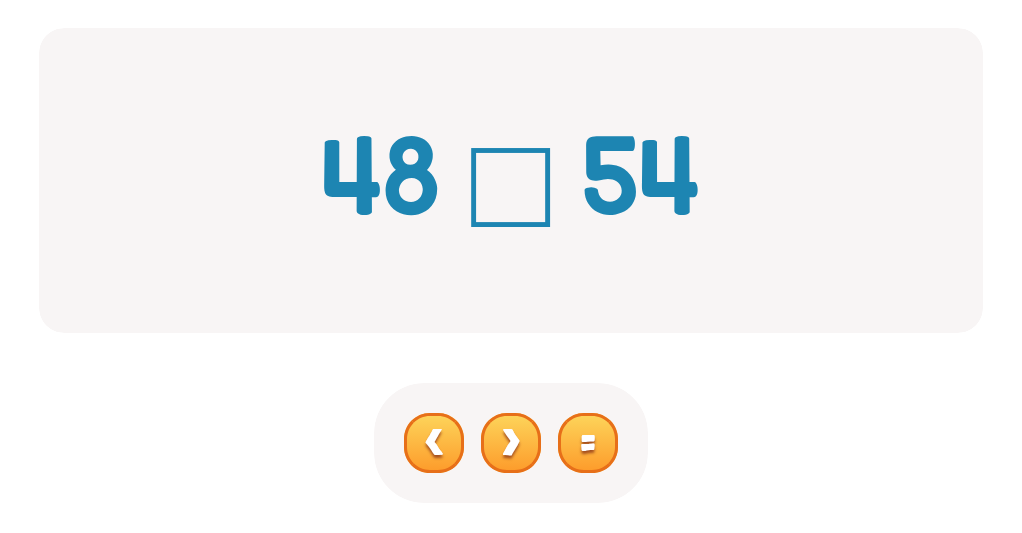
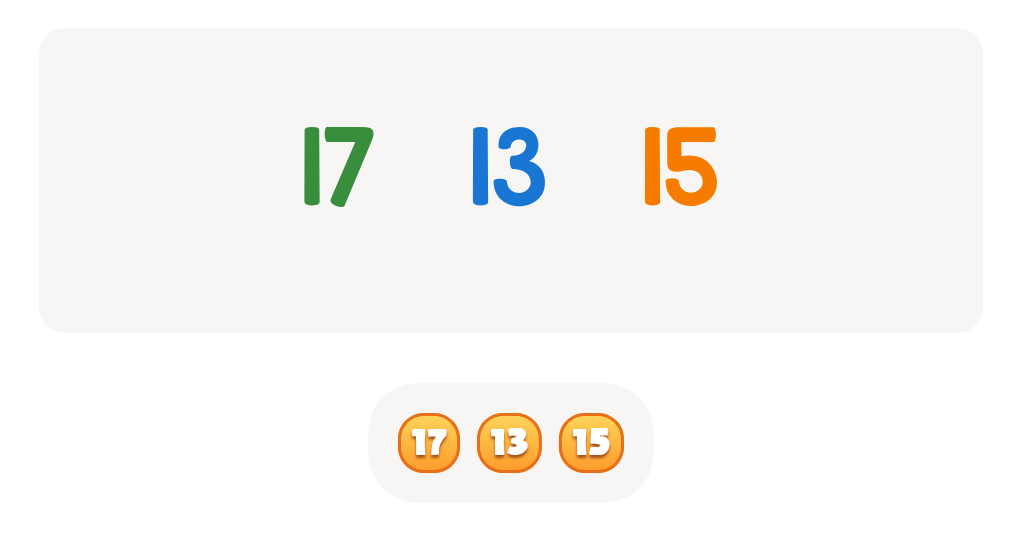
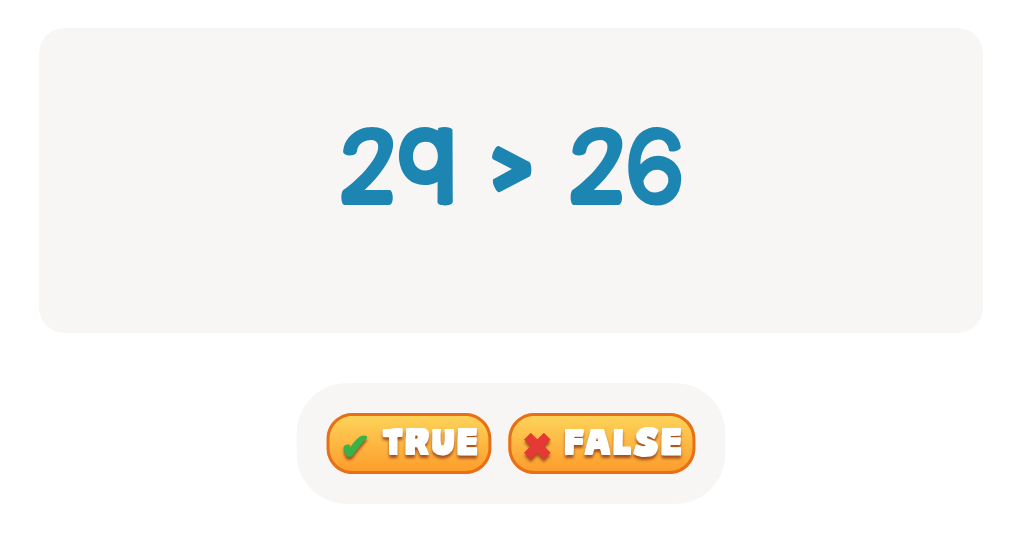
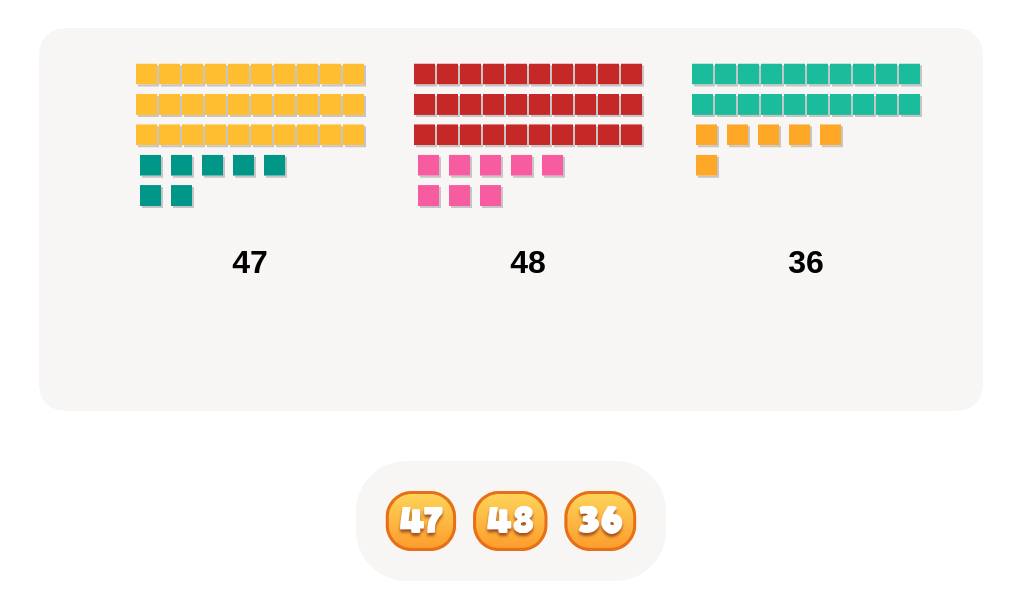
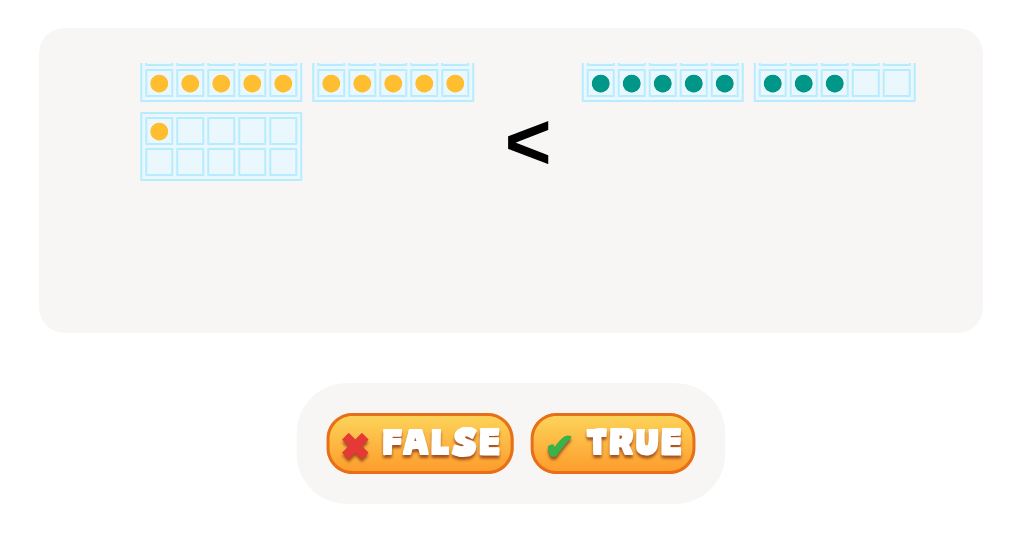
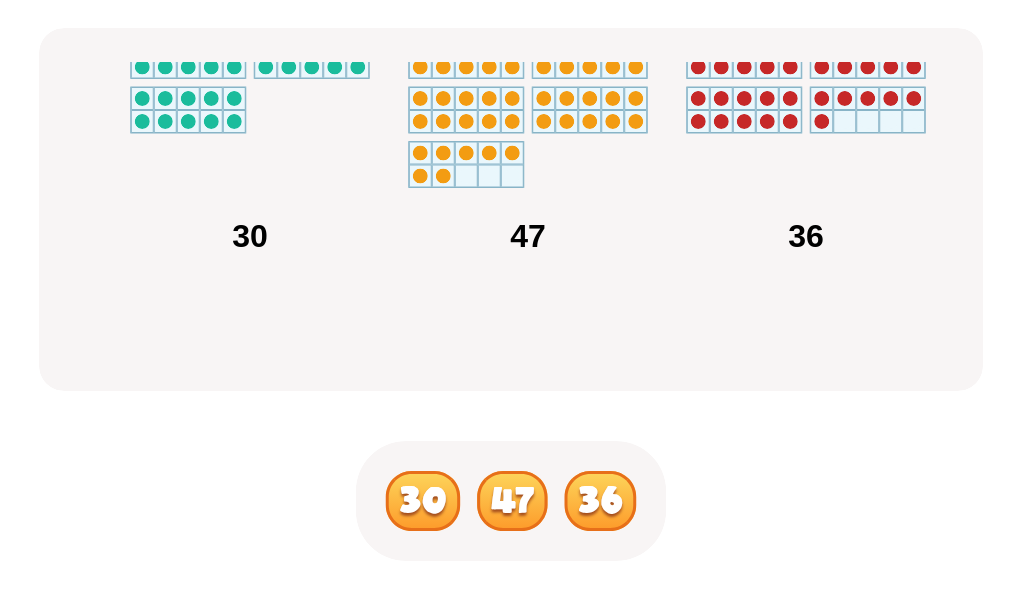
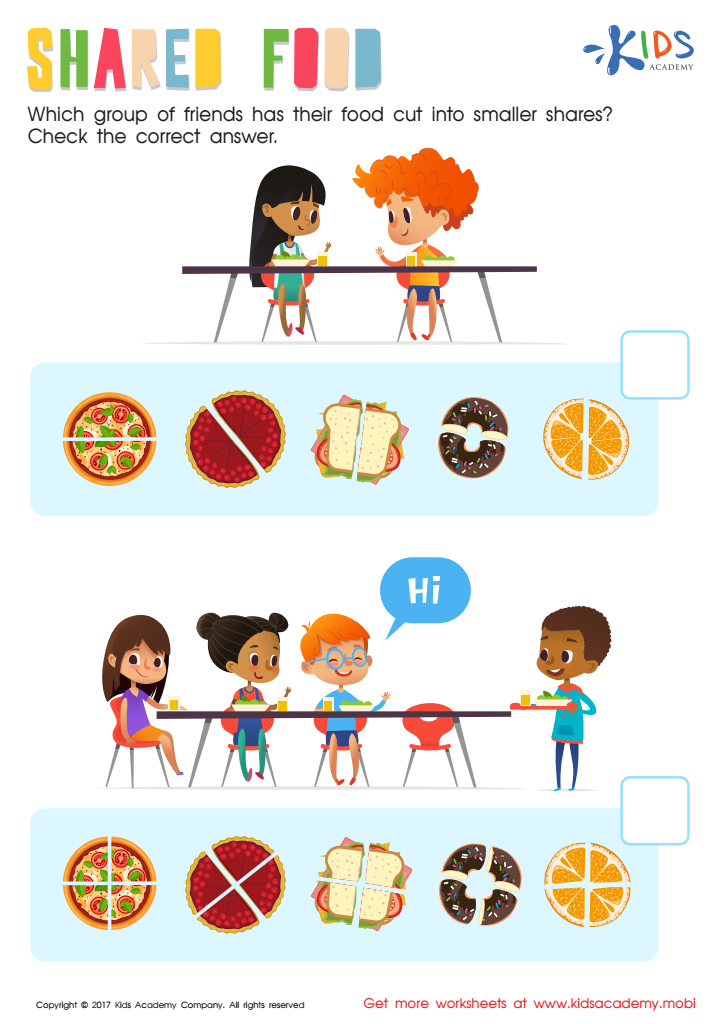
Shared Food Worksheet
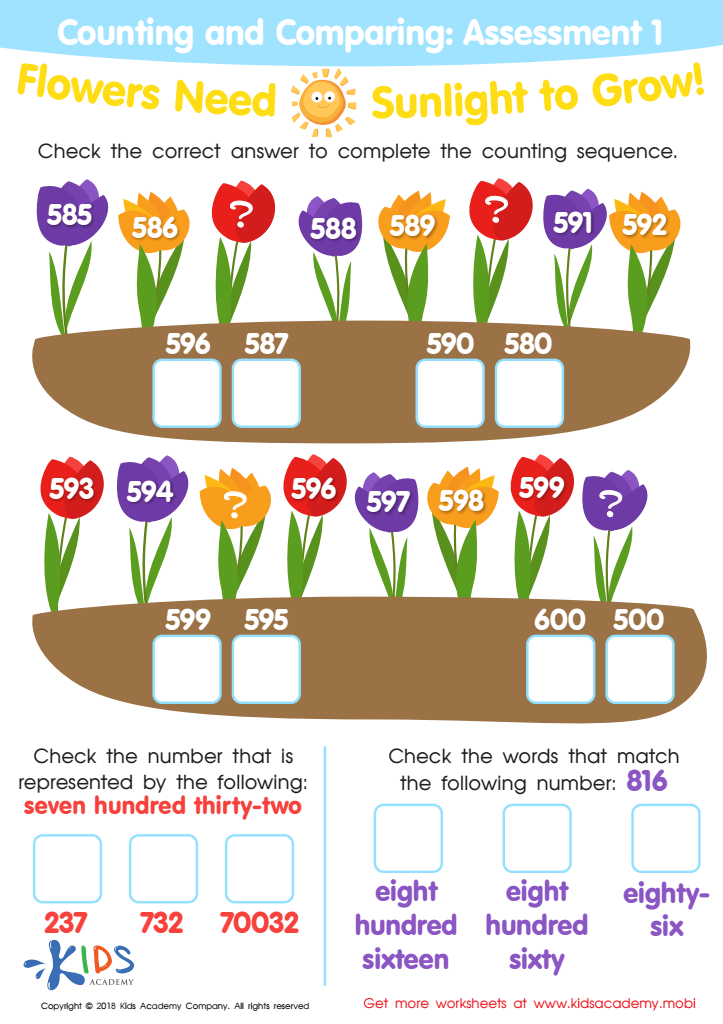
Counting and Comparing: Assessment 1 Worksheet
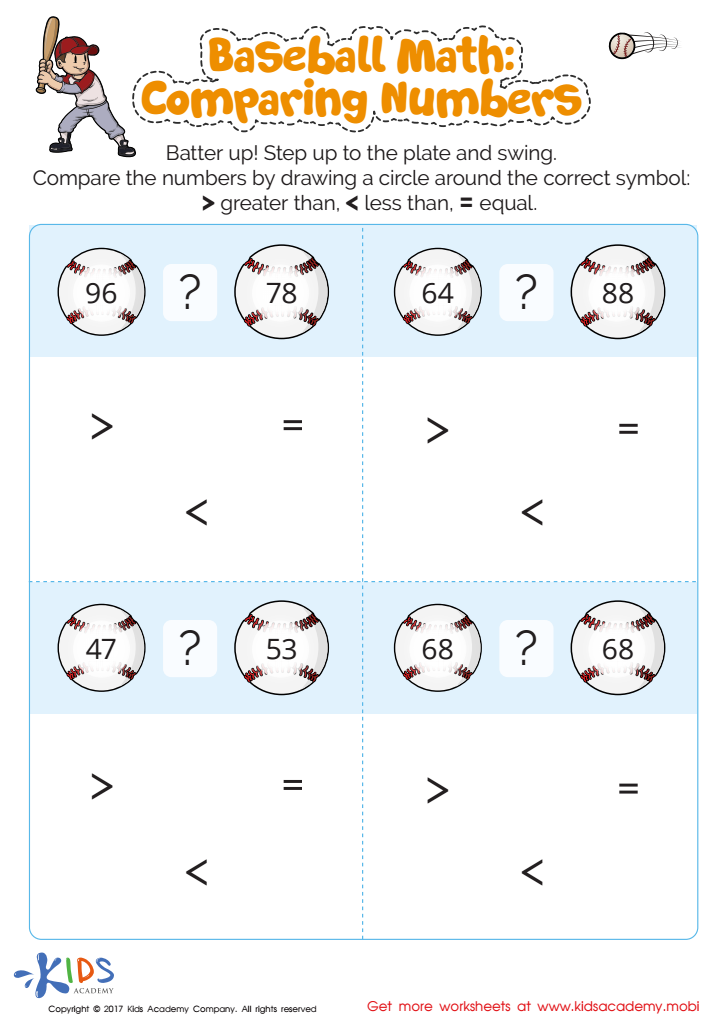
Compare Numbers Printable
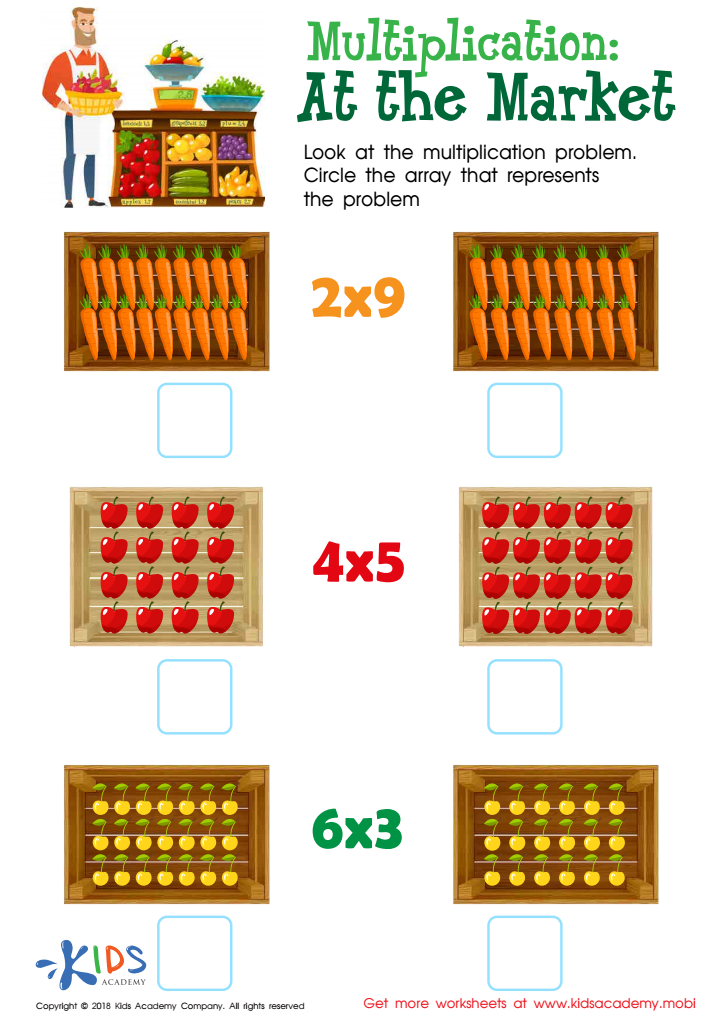
At the Market Worksheet








Teaching problem-solving skills in comparing numbers for children aged 7-8 is crucial for several reasons. At this developmental stage, children are enhancing their mathematical understanding, and proficiency in comparing numbers lays the groundwork for future concepts in math, such as addition, subtraction, and even more complex operations.
Engaging children in problem-solving activities strengthens their critical thinking and decision-making abilities. When they encounter tasks involving different numerical values, they learn to analyze, evaluate, and choose appropriate strategies to find solutions. This not only boosts their confidence in math but also cultivates resilience and perseverance when faced with challenges.
Furthermore, these skills extend beyond the classroom. Comparing numbers teaches kids to make rational decisions in everyday situations, from managing money to evaluating quantities during shopping. It also fosters effective communication as children discuss their reasoning and thought processes with peers and adults.
Ultimately, investing time in developing problem-solving skills for comparing numbers helps children build a solid mathematical foundation, fuels their curiosity, and prepares them for diverse challenges in and out of school. Parents and teachers play a pivotal role in this journey, making it essential to prioritize these skills in their educational approaches.








