Mathematical reasoning Counting Worksheets for Ages 7-8
3 filtered results
-
From - To
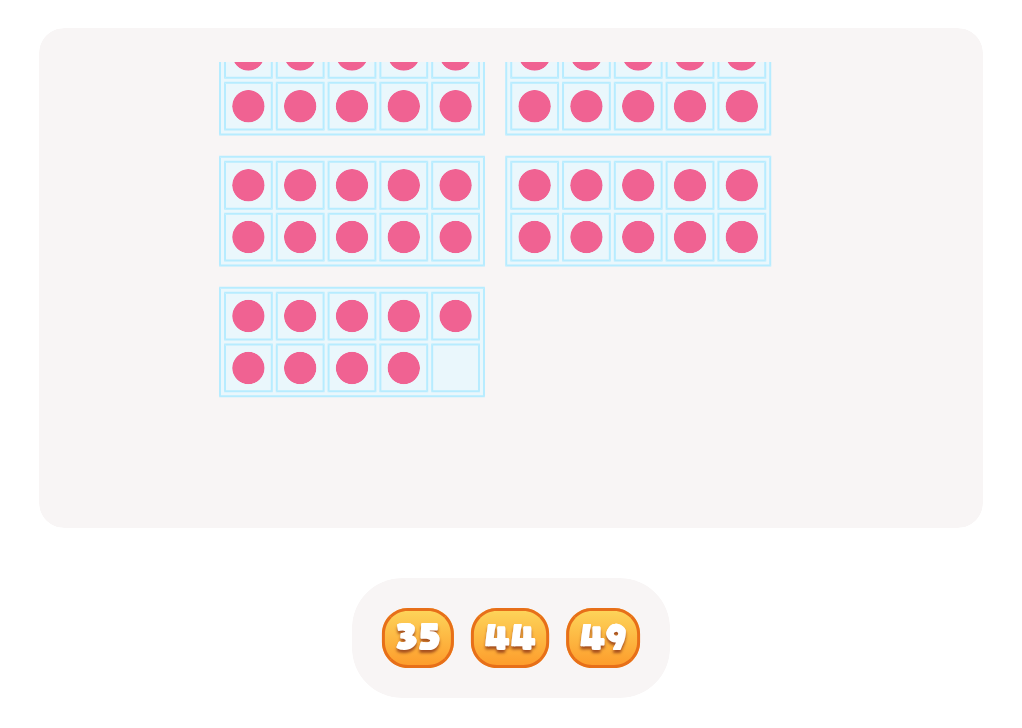
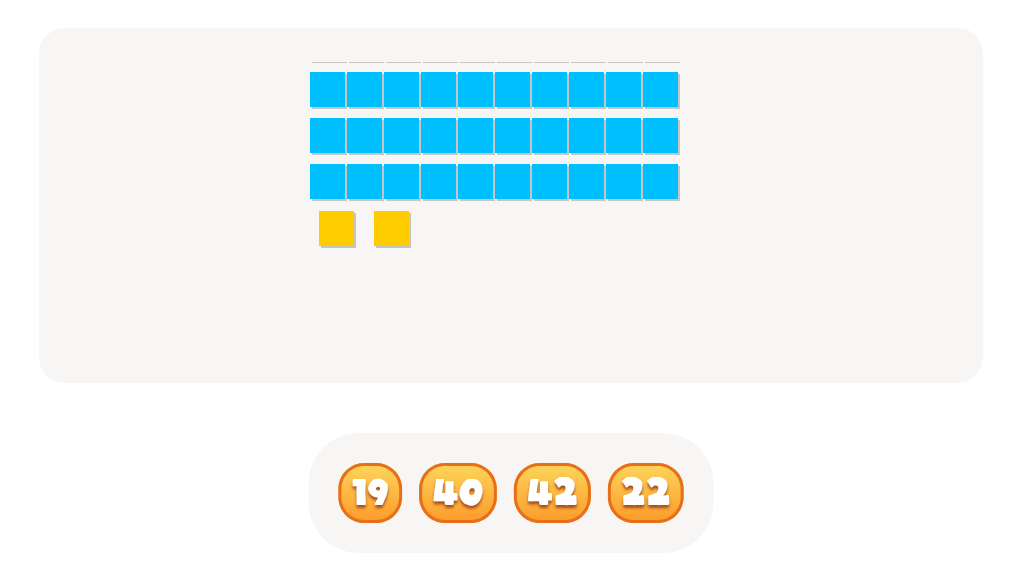
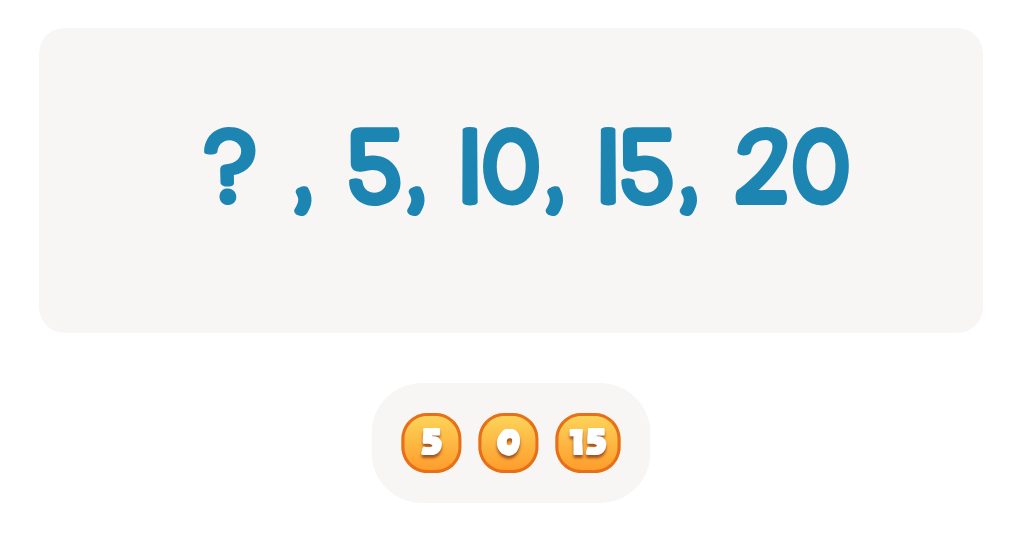
Enhance your child's numerical skills with our comprehensive Mathematical Reasoning Counting Worksheets designed for ages 7-8. Tailored to blend fun and learning, these worksheets focus on improving mathematical reasoning through engaging counting exercises. Watch your child master vital concepts such as skip counting, recognizing patterns, and understanding number sequences. Each worksheet is crafted by educational experts to boost confidence and problem-solving abilities. Perfect for home or classroom use, these resources pave the way for a solid foundation in math. Help your child excel with our enjoyable and educational counting worksheets today!
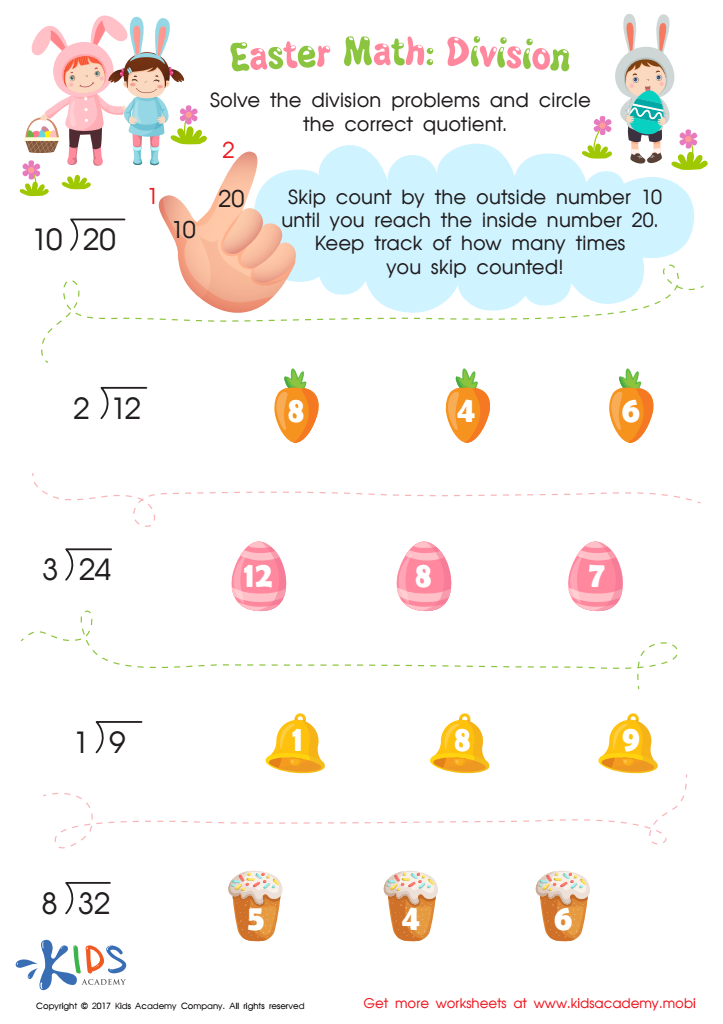
Division Worksheet
 Assign to My Students



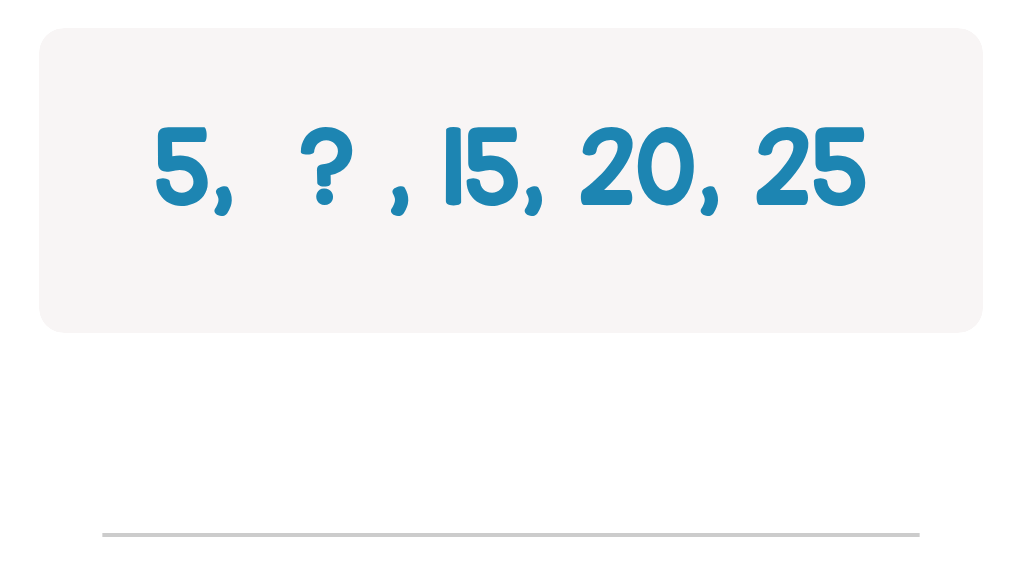
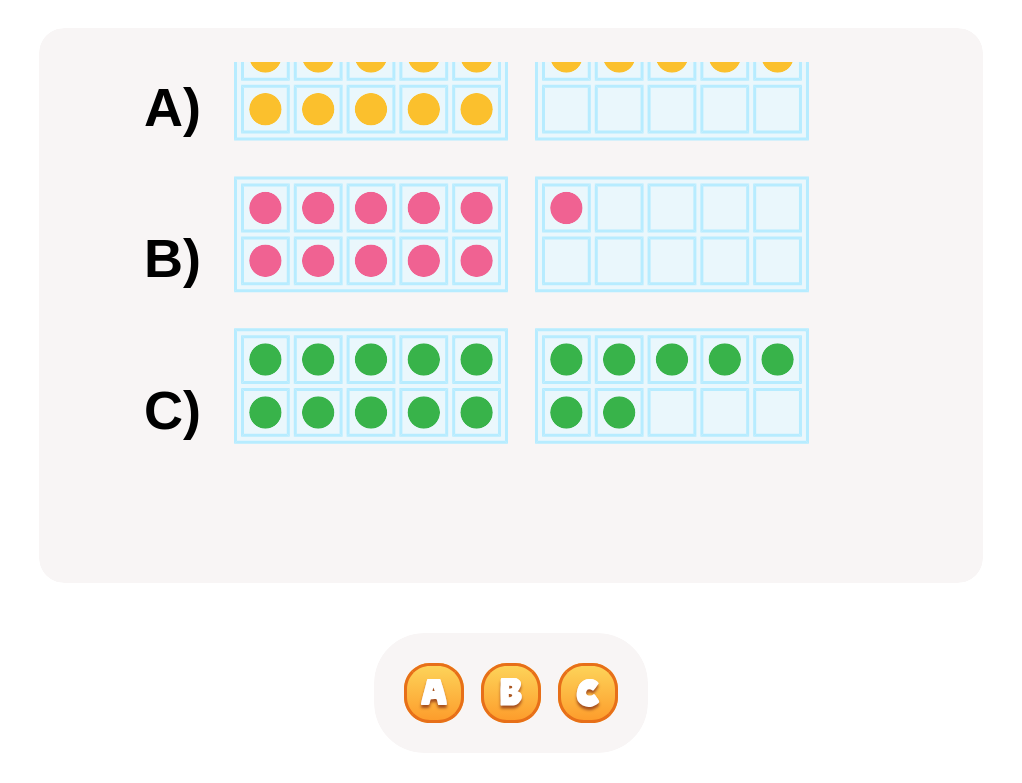

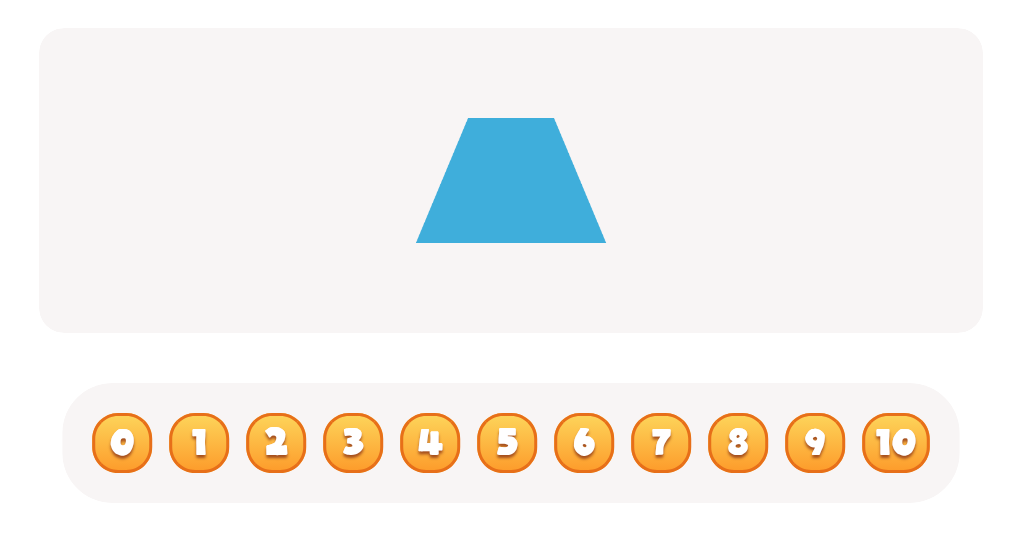
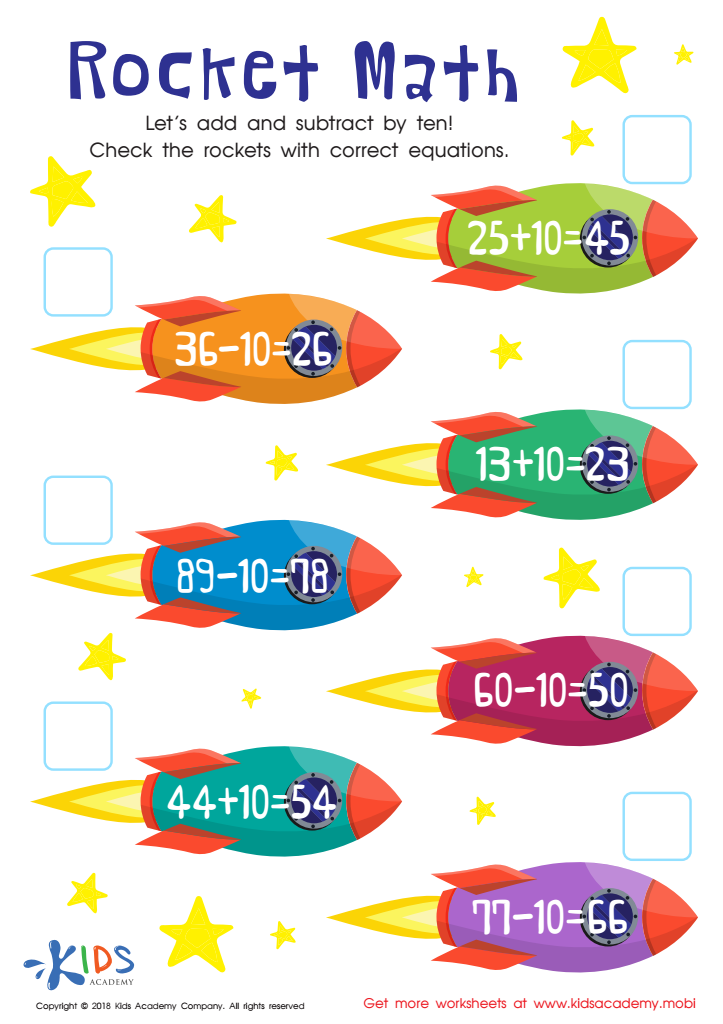
Rocket Math Worksheet
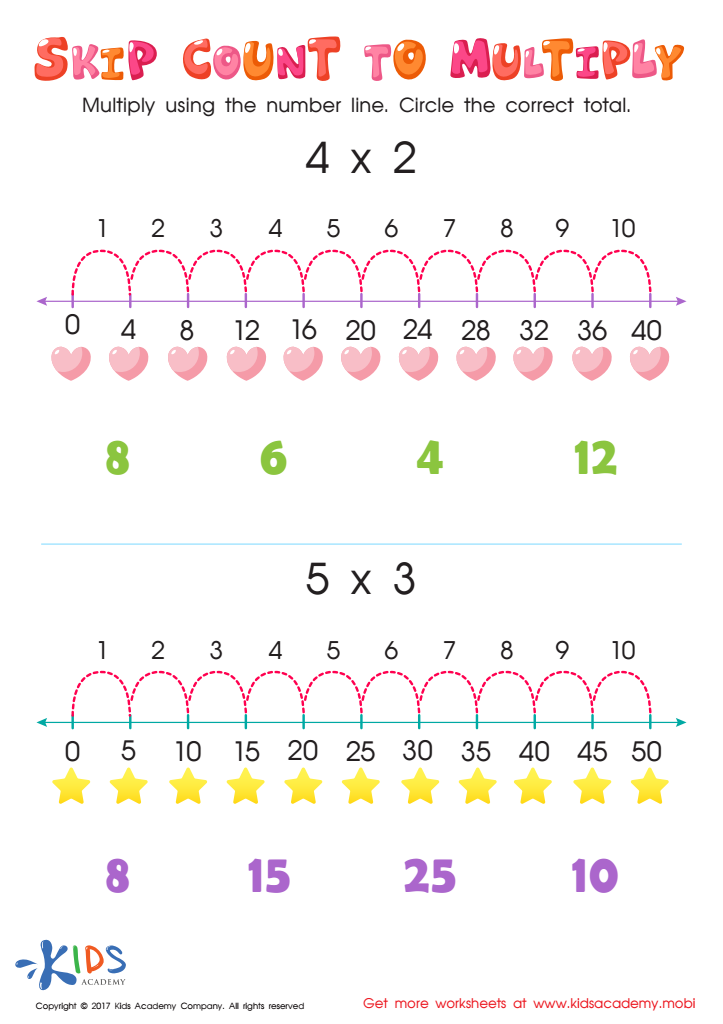
Skip Count Multiplication Worksheet








Mathematical reasoning and counting skills are critical for ages 7-8 because they lay the foundation for future success in mathematics and everyday problem-solving. At this age, children transition from simple counting to understanding more complex mathematical concepts, such as addition, subtraction, and the basics of multiplication and division. Developing strong mathematical reasoning helps them grasp these concepts more easily.
Countless everyday activities require a strong understanding of math—such as making change, telling time, or even deciding how to divide a pizza equally. By fostering these skills early, parents and teachers are not just teaching math; they are nurturing critical thinking, logical reasoning, and the ability to approach and solve problems methodically.
Incorporating mathematical reasoning and counting into everyday activities can make learning engaging and relevant. Activities like counting objects, playing number-based games, or incorporating math stories can turn abstract concepts into tangible experiences. Exciting and interactive lessons also promote a positive attitude toward math, reducing math anxiety and building confidence.
By prioritizing mathematical reasoning and counting for 7-8-year-olds, parents and teachers are ensuring that children have the critical thinking tools and confidence they need for academic success and everyday life. This early investment pays off, as math skills are integral to many areas of study and career paths in later years.








