Basic arithmetic practice Numbers Worksheets for Ages 7-8
4 filtered results
-
From - To
Our Basic Arithmetic Practice Numbers Worksheets for Ages 7-8 are thoughtfully designed to support young learners in mastering their foundational math skills. Each worksheet provides engaging and interactive activities that focus on addition, subtraction, and basic arithmetic concepts. With fun graphics and age-appropriate exercises, children are encouraged to practice and build confidence in their numerical abilities. Perfect for home or classroom use, these printable worksheets foster a love for math while reinforcing essential skills, ensuring a robust understanding of arithmetic that sets the stage for future success in mathematics.
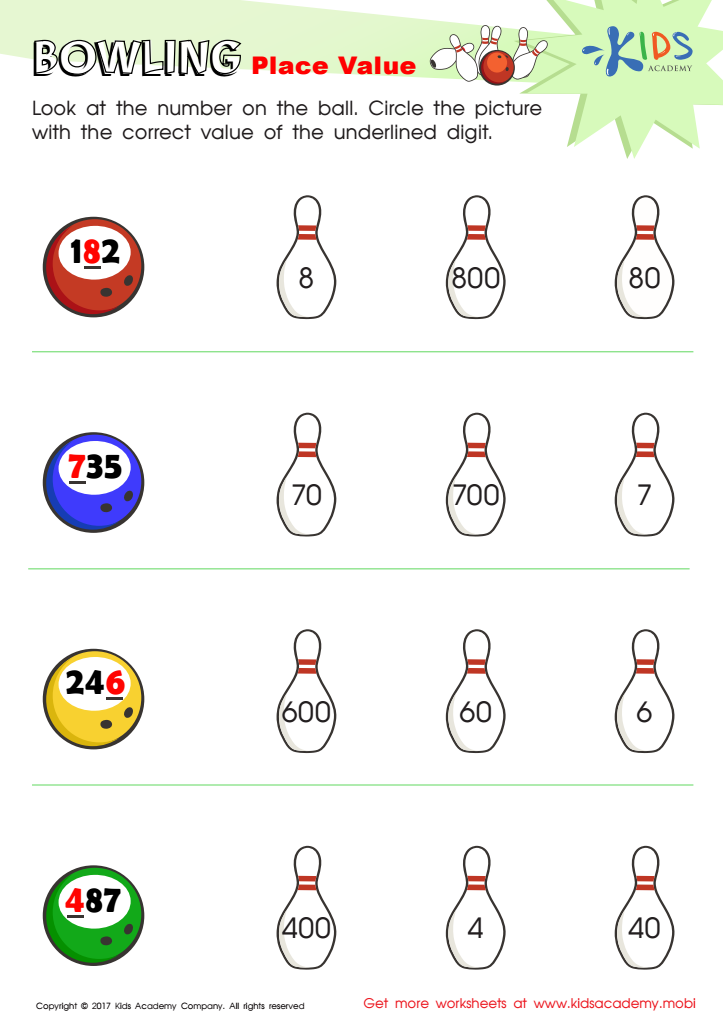
Place Value Worksheet
 Assign to My Students
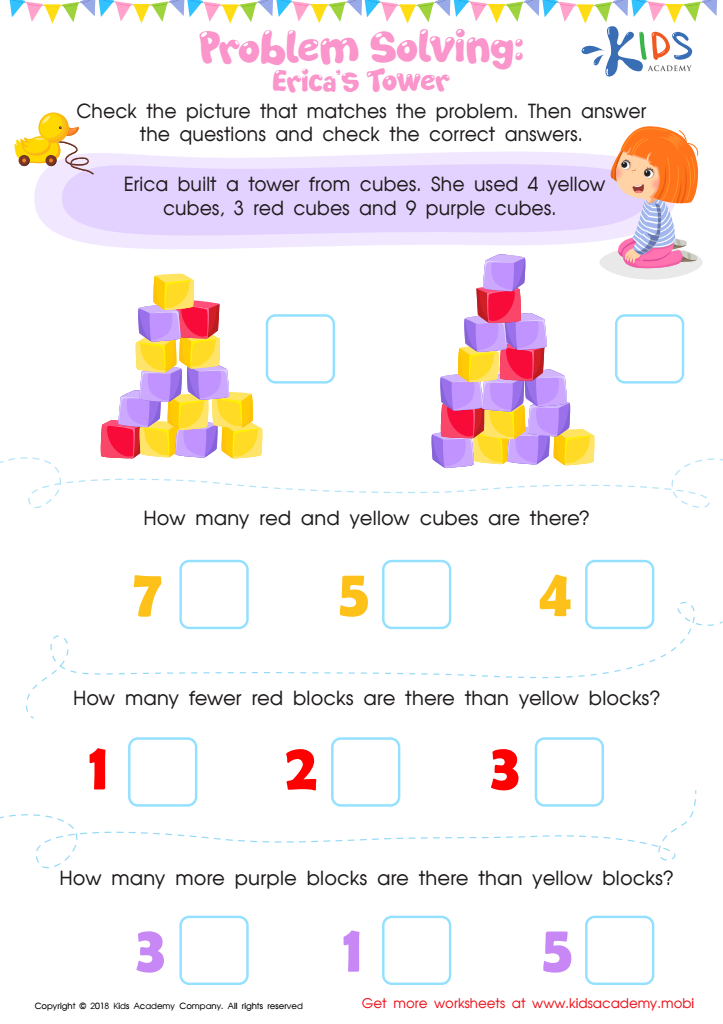
Problem Solving: Erica's Tower Worksheet
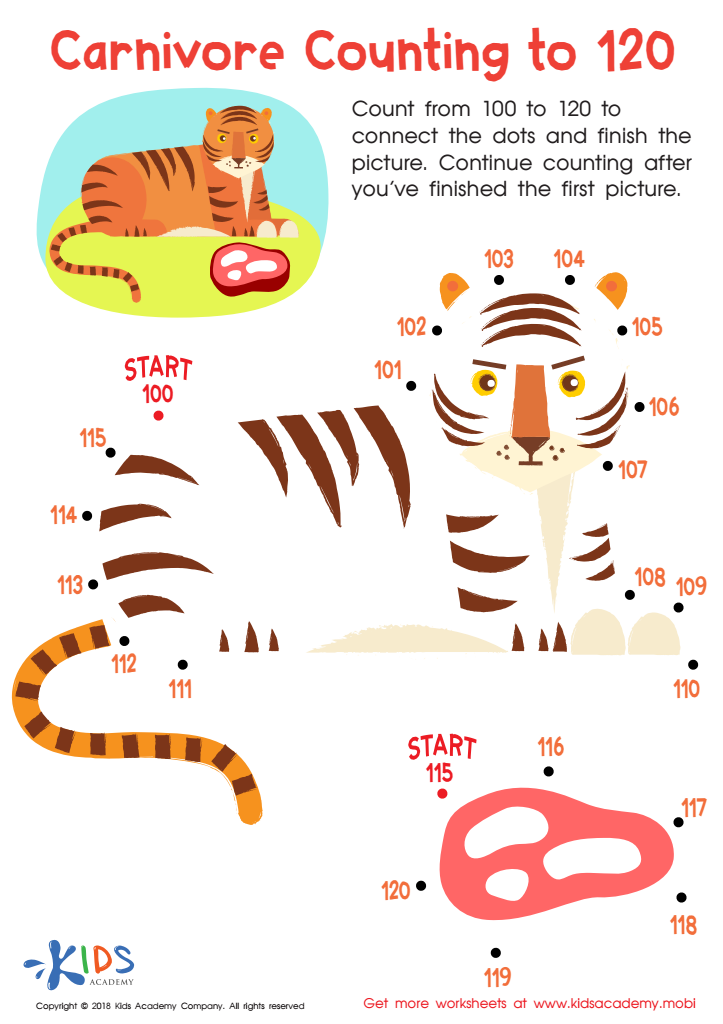
Carnivore Counting to 120 Worksheet
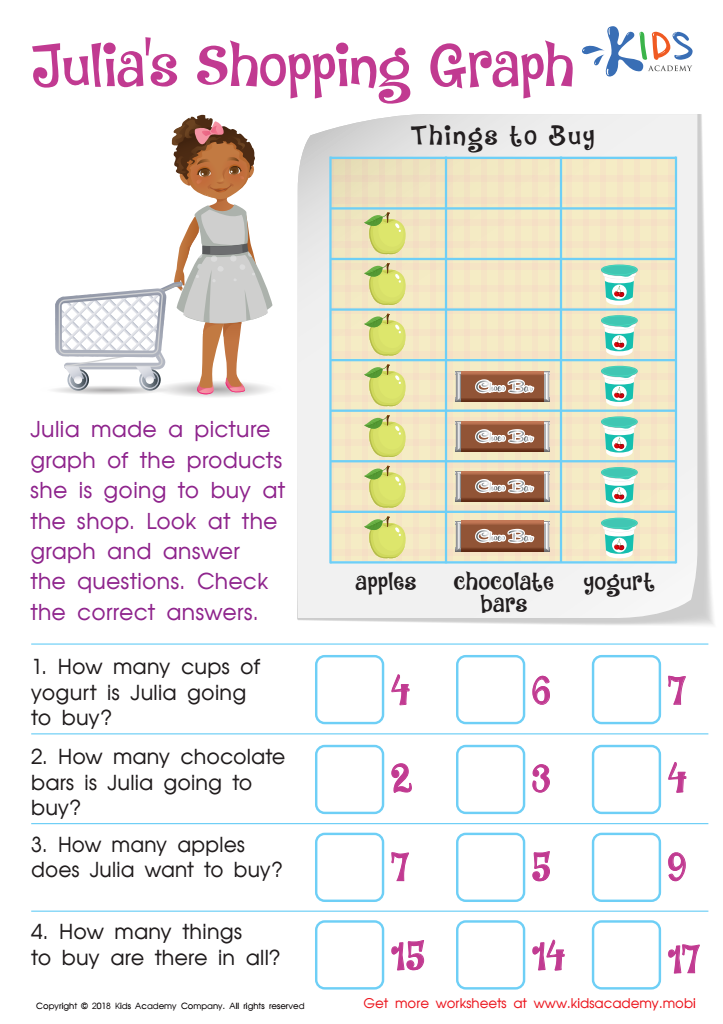
Julia's Shopping Graph Worksheet








Basic arithmetic skills in children aged 7-8 are foundational for their future learning in mathematics and overall cognitive development. At this critical stage, children transition from simple counting to more complex operations like addition, subtraction, and the basics of multiplication and division. Mastering these skills early serves multiple purposes.
First, confidence and independence grow. Proficiency in basic arithmetic fosters a sense of accomplishment and promotes positive attitudes towards learning. When children grasp these concepts early, they are less likely to struggle with more advanced topics later, thereby maintaining confidence and interest in mathematics.
Second, arithmetic skills have practical applications. Everyday tasks—such as measuring ingredients for a recipe, handling money, or planning time—require basic math. Developing these skills early helps children apply math in real-life situations, promoting practical thinking.
Third, problem-solving and analytical skills are strengthened. Practicing basic arithmetic encourages logical thinking and the ability to approach problems methodically. This skill extends beyond mathematics, aiding in decision-making and critical thinking in various aspects of life.
Lastly, early math proficiency is a strong predictor of future academic success. Studies show children who excel in early math are more likely to perform well in other subjects, including science and literacy. Therefore, prioritizing arithmetic practice for young learners equips them with the tools needed for overall academic growth and lifelong learning.








