Developing math skills Numbers Worksheets for Ages 7-8
6 filtered results
-
From - To
Enhance your child's math skills with our engaging "Developing Math Skills Numbers Worksheets" designed for ages 7-8. These worksheets focus on essential numerical concepts, helping young learners grasp foundational math principles. Featuring a variety of fun, interactive activities, children will practice recognition of numbers, addition, subtraction, and more, ensuring they build confidence in their abilities. Our developmentally appropriate exercises cater to different learning styles, making math enjoyable and accessible. Whether used at home or in the classroom, these worksheets will support your child's journey toward math mastery. Discover the joy of learning numbers today and help your child excel in mathematics!
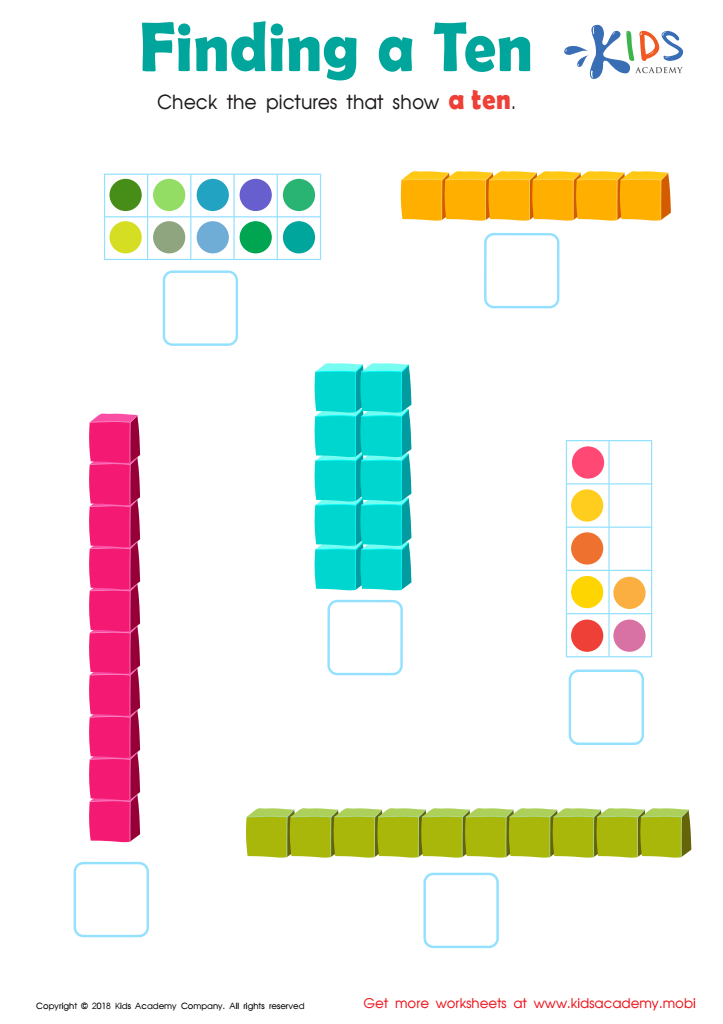
Finding a Ten Worksheet
 Assign to My Students
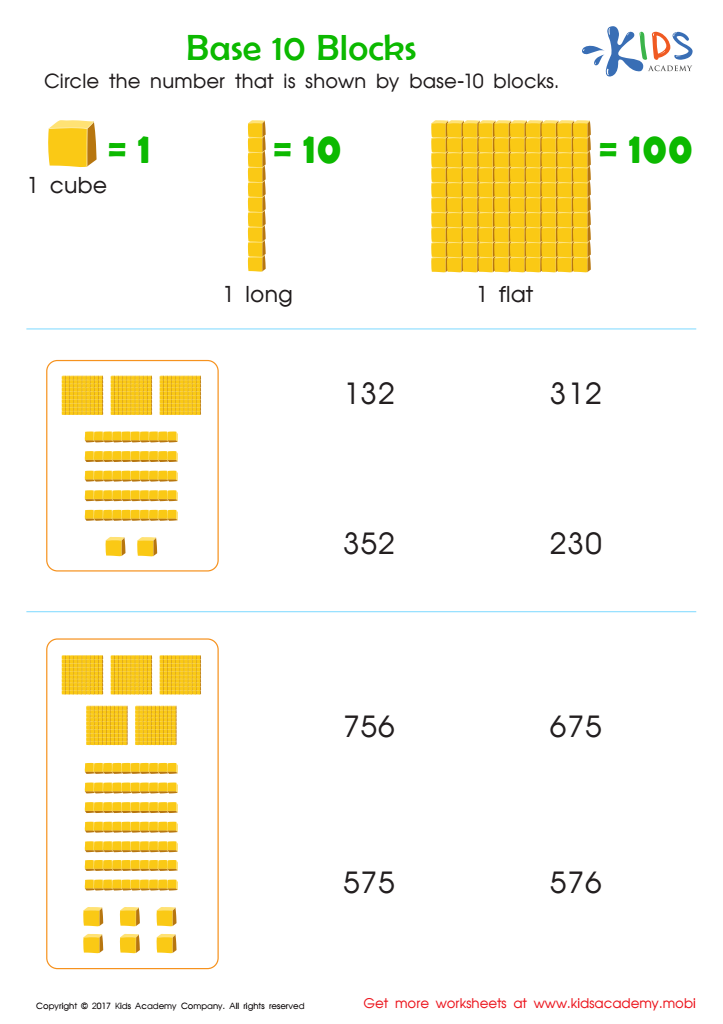
Base Ten Blocks Worksheet
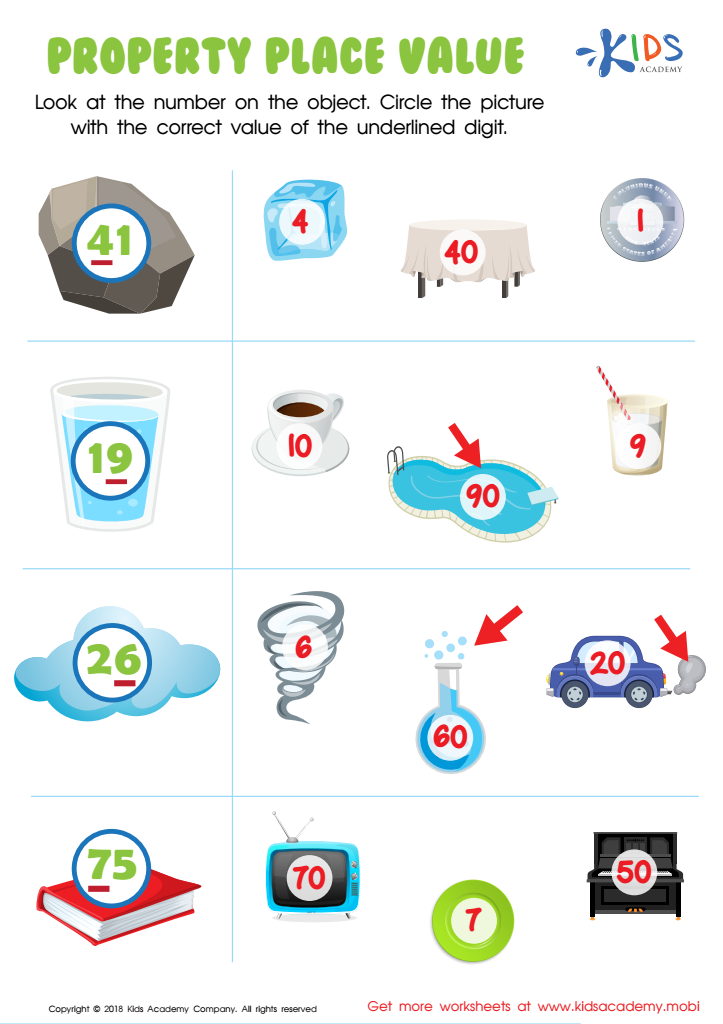
Property Place Value Worksheet
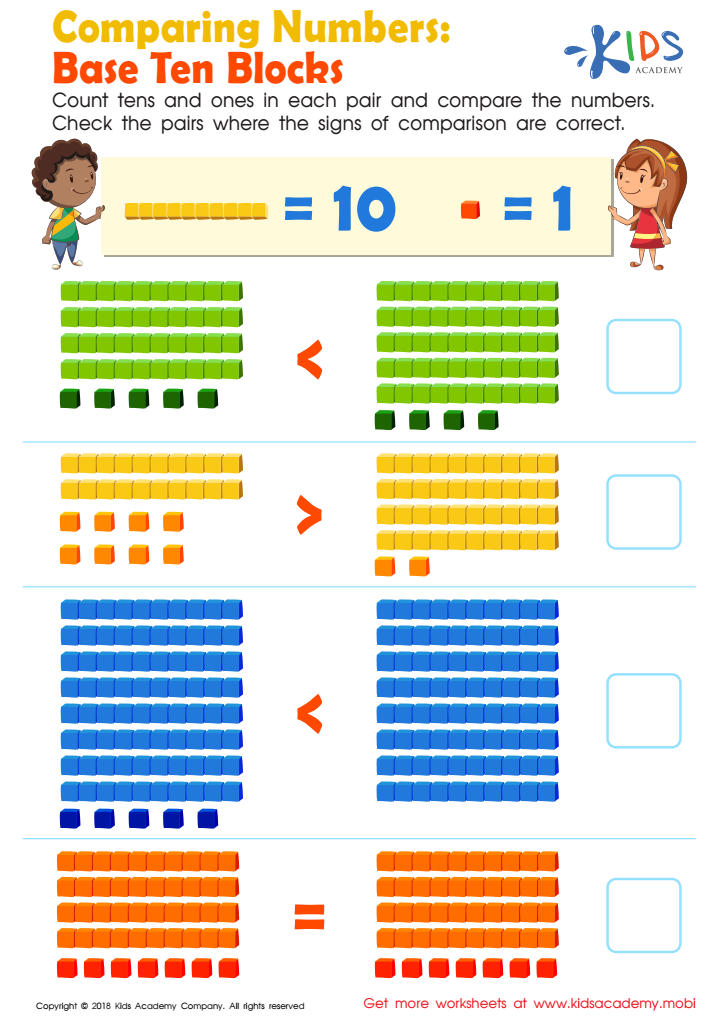
Comparing Numbers: Base Ten Blocks Worksheet
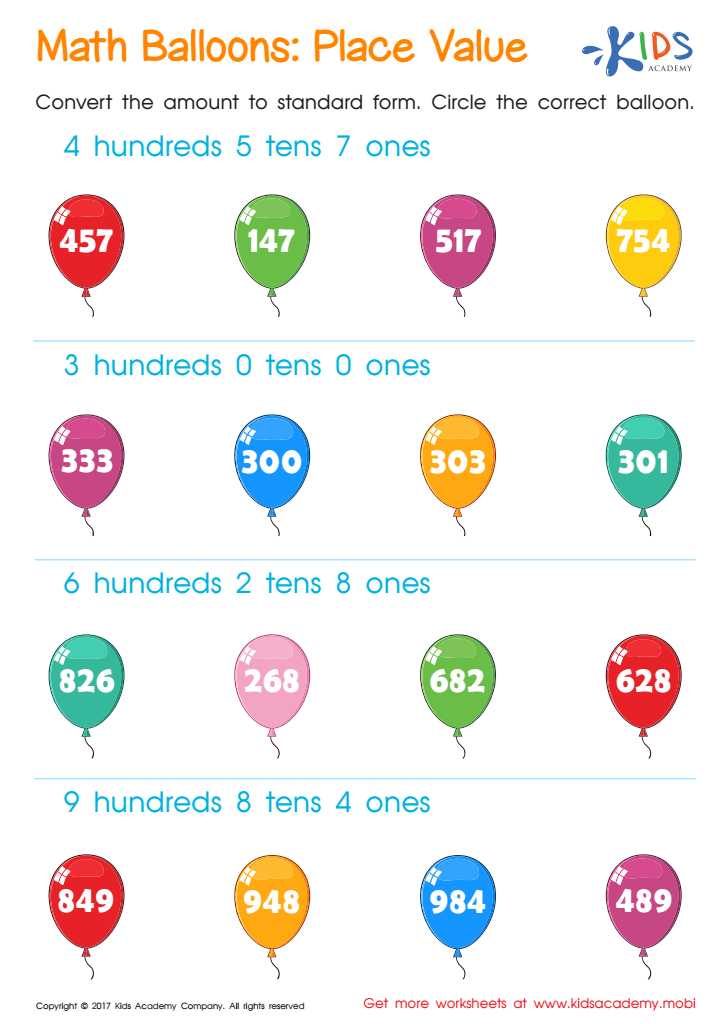
Place Value Printable Worksheet
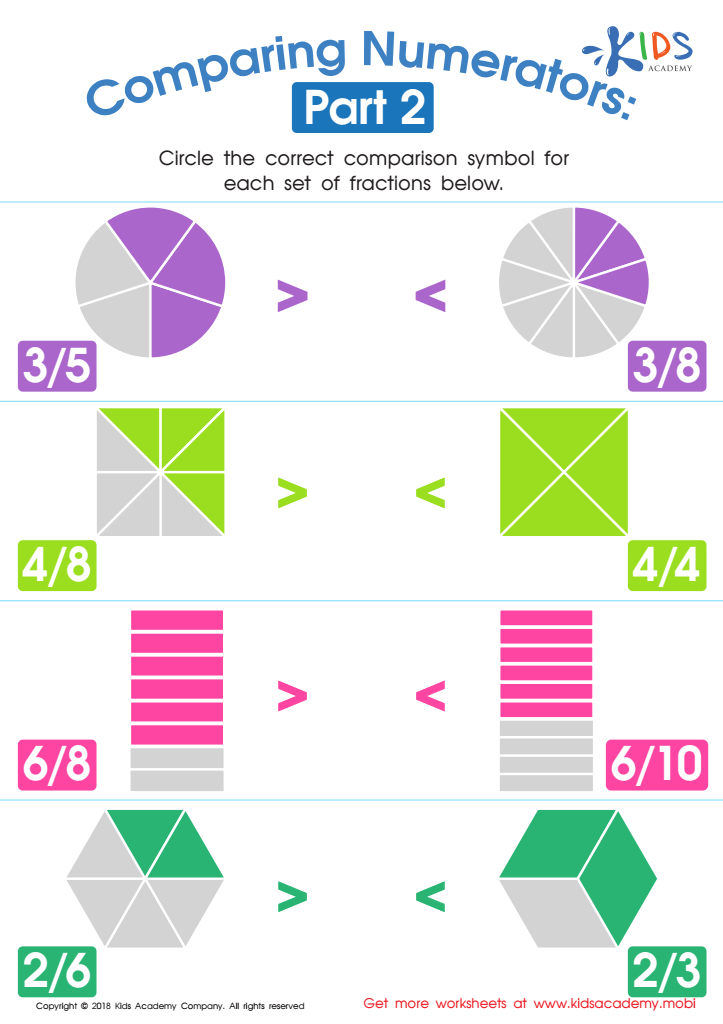
Comparing Numerators Part 2 Worksheet





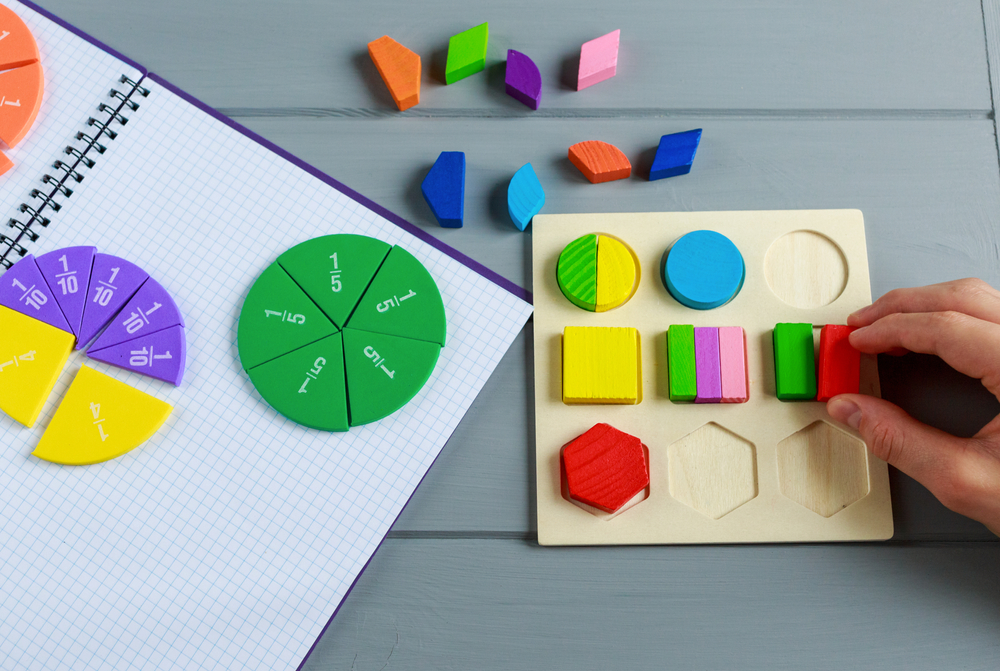


Developing math skills in children aged 7-8 is crucial as this stage lays the foundation for future learning. At this age, students begin to shift from concrete understanding to more abstract concepts. Mastering numbers, including addition, subtraction, and the beginnings of multiplication, supports critical thinking and problem-solving skills. These foundational math abilities are essential not just in academics but also in everyday life.
Understanding numbers enhances cognitive development; children learn to categorize information, recognize patterns, and make logical connections. Furthermore, strong math skills can boost confidence in school, as children are more likely to engage in classroom activities and discussions.
Parents and teachers should care because early intervention can prevent future math anxiety or learning difficulties. By fostering a positive attitude towards math, educators and caregivers can inspire a lifelong appreciation for the subject. Engaging children in fun, hands-on activities related to numbers, games, and real-world applications can make learning enjoyable and relatable.
Investing in strong math skills now will not only benefit children academically but also equip them with essential life skills, setting them up for personal and professional success in the future.








