Understanding patterns Numbers Worksheets for Ages 7-8
5 filtered results
-
From - To
Explore our "Understanding Patterns Numbers Worksheets" designed specifically for kids aged 7-8! These engaging, printable worksheets help young learners recognize and create patterns using numbers, fostering essential math skills in a fun and interactive way. With a variety of activities, including sequencing and completing number patterns, children will boost their problem-solving abilities and strengthen their understanding of numerical relationships. Perfect for classroom use or at-home practice, these worksheets promote critical thinking and cognitive development. Encourage your child’s love for math as they enjoy the rewarding challenge of identifying and completing patterns! Start their journey to mastery today!
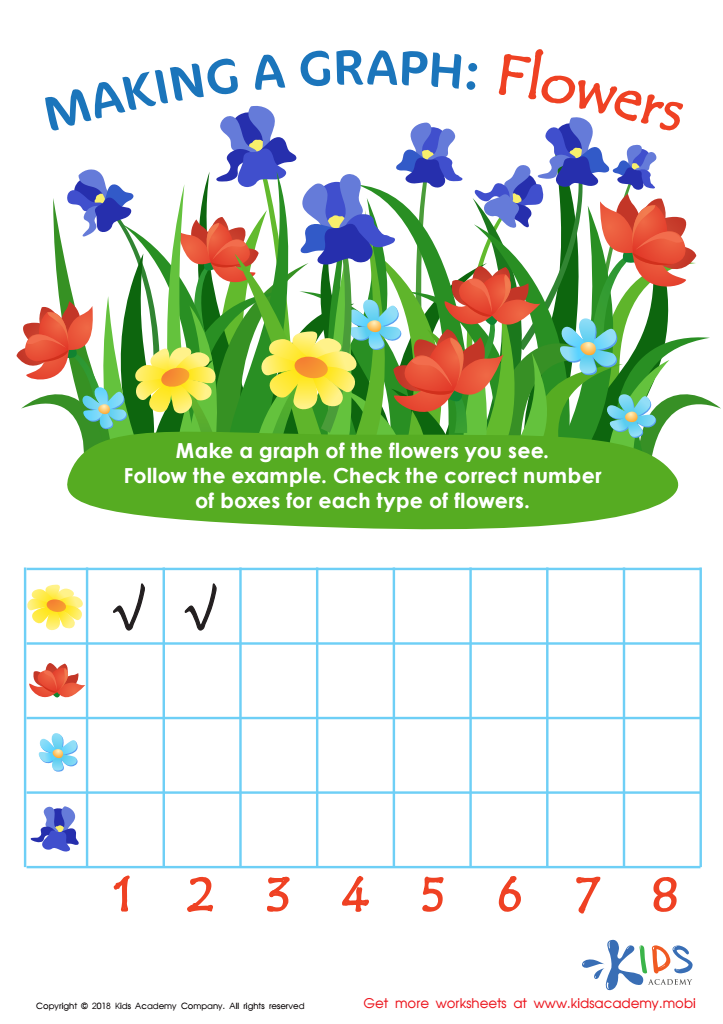
Making a Graph: Flowers Worksheet
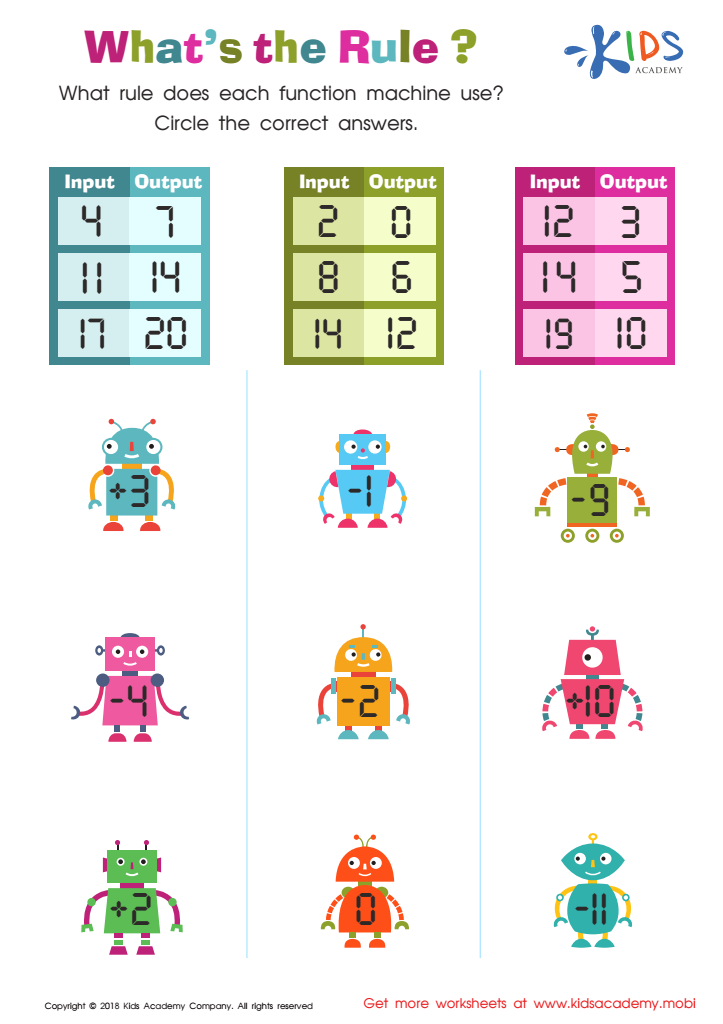
What's the Rule Worksheet
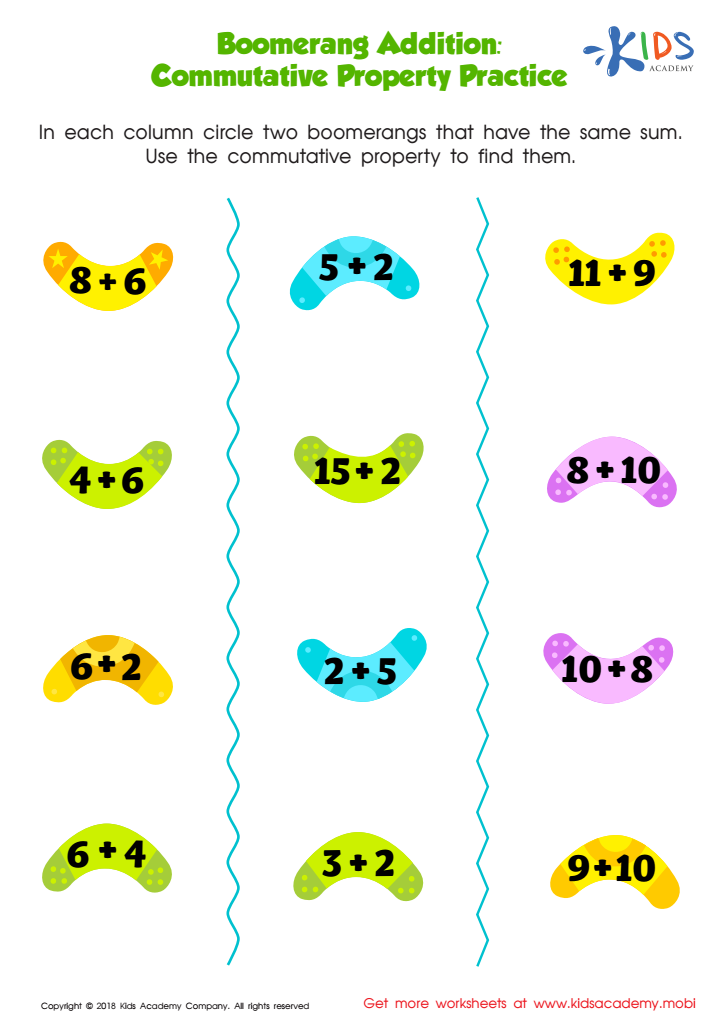
Boomerang Addition Worksheet
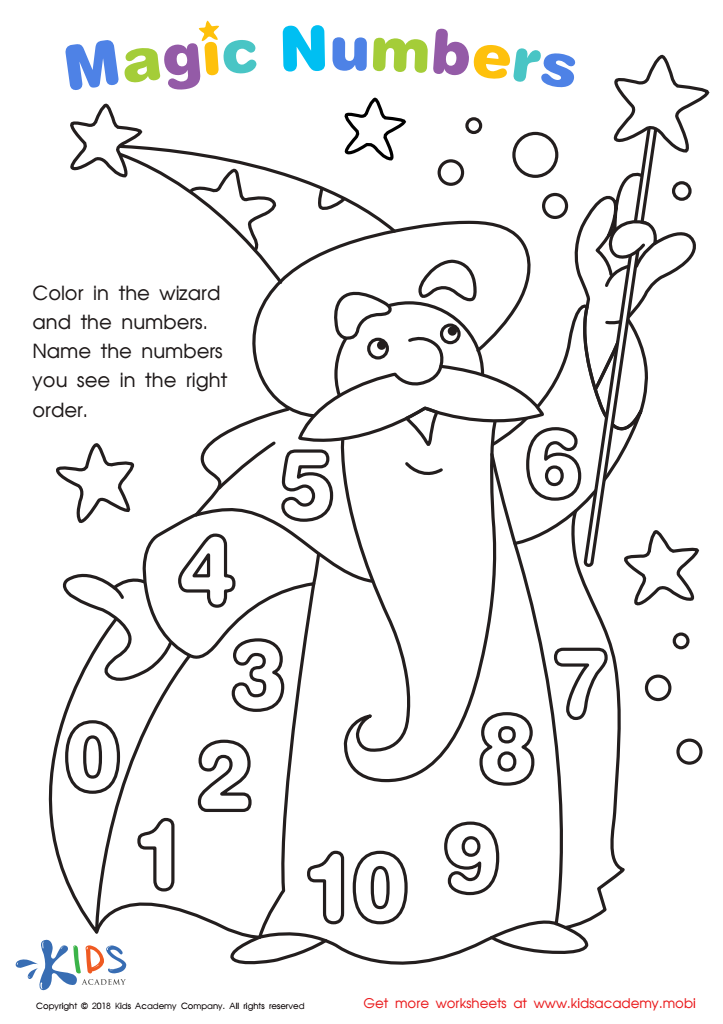
Magic Numbers Worksheet
 Assign to My Students
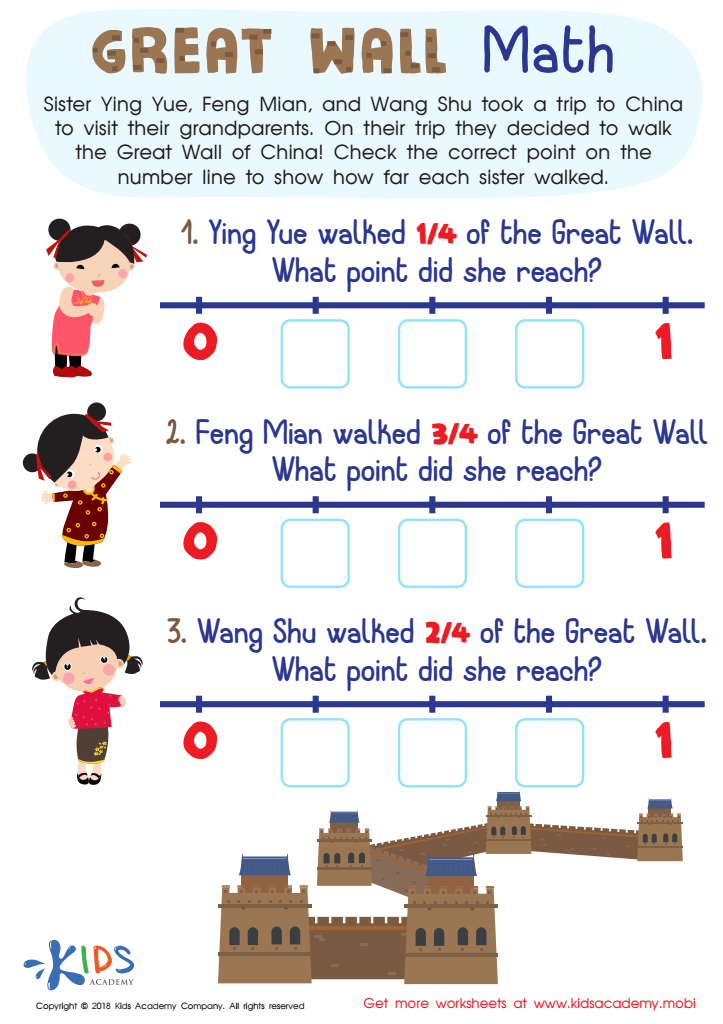
Great Wall Math Worksheet







Understanding number patterns is crucial for children aged 7-8 as it lays the foundation for more advanced mathematical concepts. At this stage, children are transitioning from concrete to abstract thinking, and recognizing patterns fosters critical thinking skills. When parents and teachers emphasize the importance of patterns, children learn to make connections between numbers, which enhances their problem-solving abilities.
Patterns help children predict outcomes and continue sequences, which is essential not just in math, but in everyday situations. For example, recognizing patterns in nature or music aids in cognitive development and creativity. Additionally, these skills are linked to future complexities in mathematics, such as algebra, where identifying relationships is paramount.
By engaging children in activities that involve patterns—be it through games, visual aids, or practical applications—adults support their analytical skills and confidence in tackling challenging problems. Furthermore, understanding patterns is not merely about numbers; it fosters logical reasoning, an essential life skill. When children see the relevance of patterns in their world, it enhances their learning experience, making math more enjoyable and applicable beyond the classroom. Therefore, parents and teachers play a pivotal role in nurturing these foundational numeracy skills.








