
Comparative analysis Math Worksheets for Ages 7-8
5 filtered results
Difficulty Level
Grade
Age
-
From - To
Subject
Activity
Standards
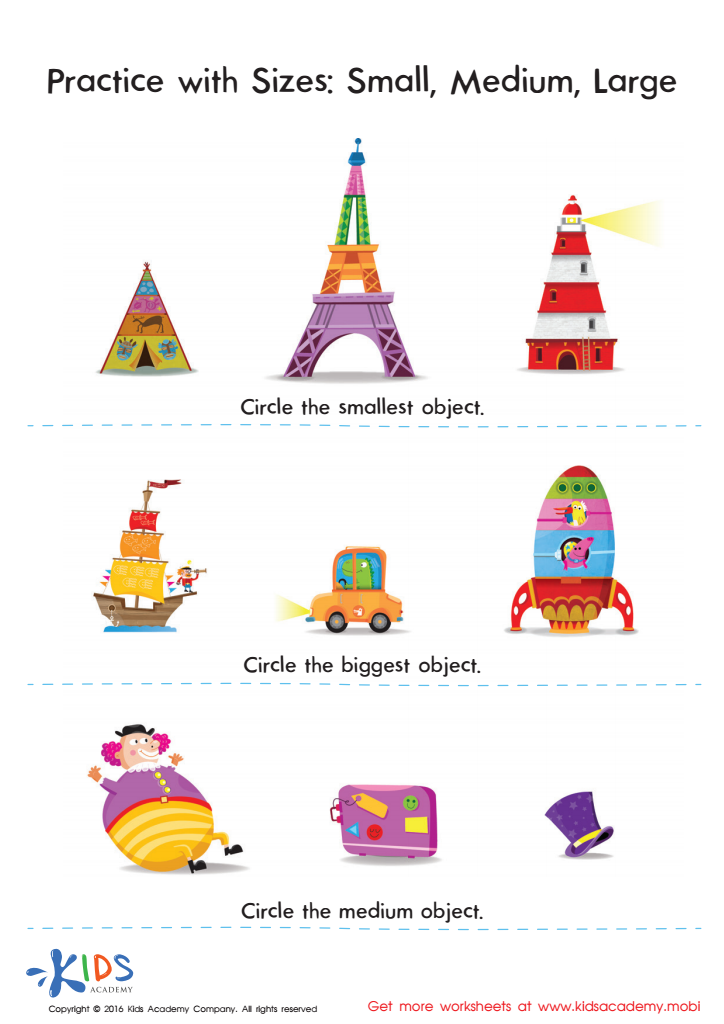
Explore our engaging Comparative Analysis Math Worksheets designed specifically for children ages 7-8. These worksheets focus on enhancing students' understanding of comparison through varied exercises that encourage critical thinking and analytical skills. With activities tailored to identify similarities and differences, students will learn to compare numbers, shapes, and quantities effectively. Our user-friendly format ensures that learning is both fun and educational. Perfect for classroom use or home study, these worksheets provide invaluable practice that aligns with educational standards. Access our extensive collection and help ignite a love for learning in mathematics today!
Favorites
With answer key
Interactive
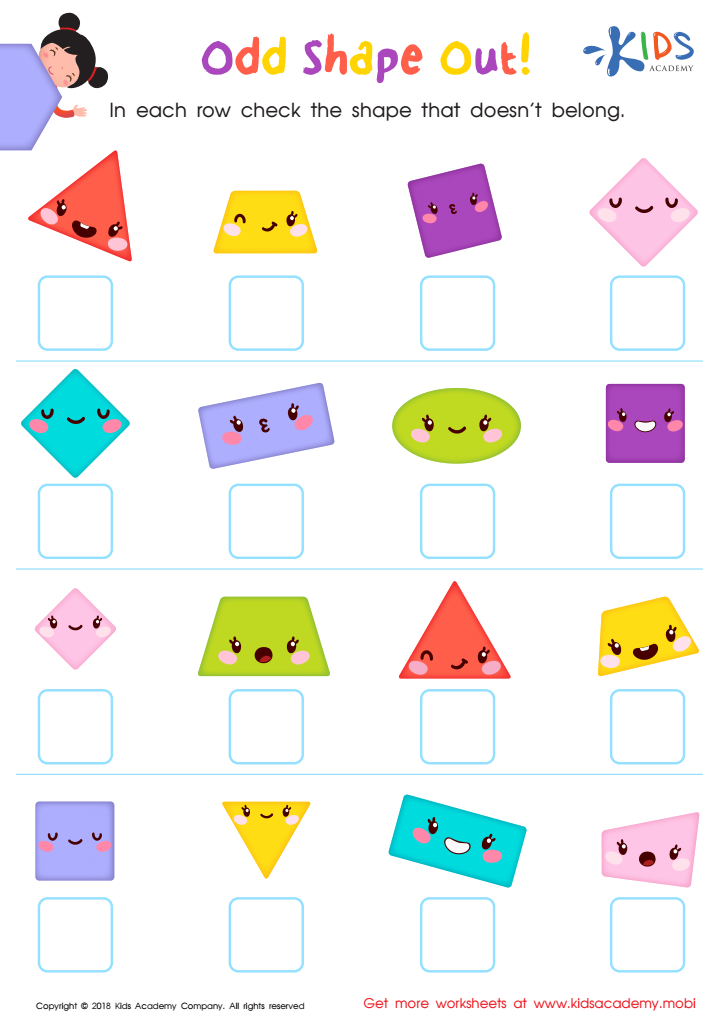
Odd Shape Out Worksheet for Grade 3
Time to test your child's shape knowledge! With this worksheet, help them find the odd shape out in each row and check the box under it. Print out the pdf and look through it with them – each row has four brightly colored shapes. See if they can spot any differences among them and then check the box below the shape that does not belong.
 Assign to My Students
Odd Shape Out Worksheet for Grade 3
Worksheet
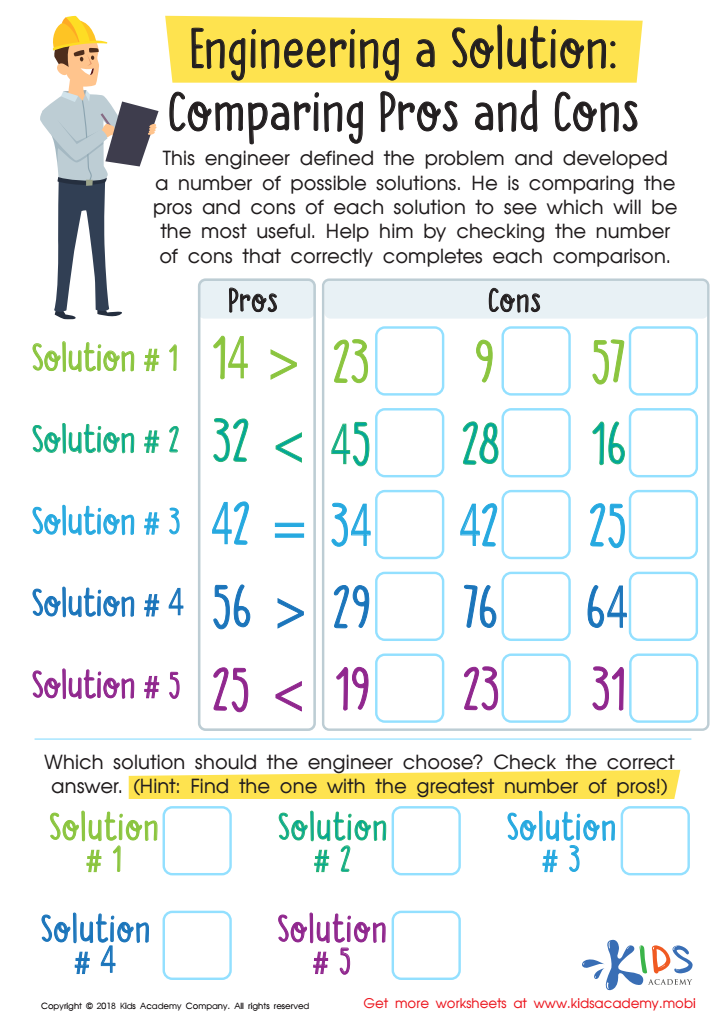
Engineering a Solution: Comparing Pros and Cons Worksheet
Help our little engineers assist the engineer in making a decision! They will solve the equations using greater than, less than, and equal to, and then decide the best solution for the problem using the pros and cons of each.
Engineering a Solution: Comparing Pros and Cons Worksheet
Worksheet
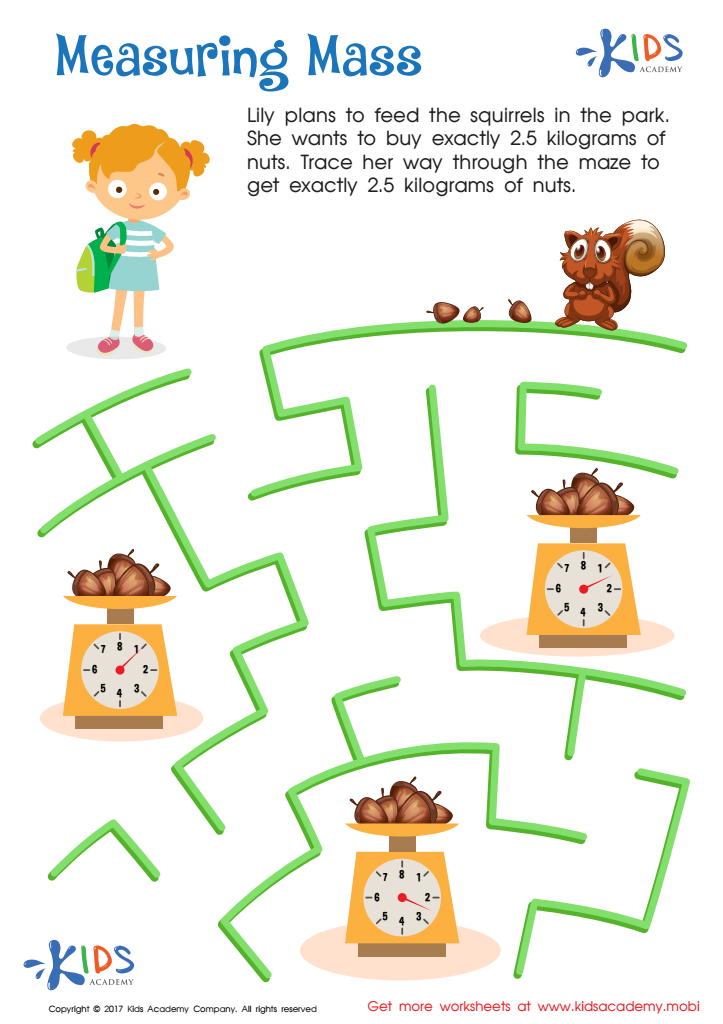
Measuring Mass Worksheet
Lily needs your child's help to find the right number of nuts to feed the squirrels. Ideal for 3rd grade!
Measuring Mass Worksheet
Worksheet
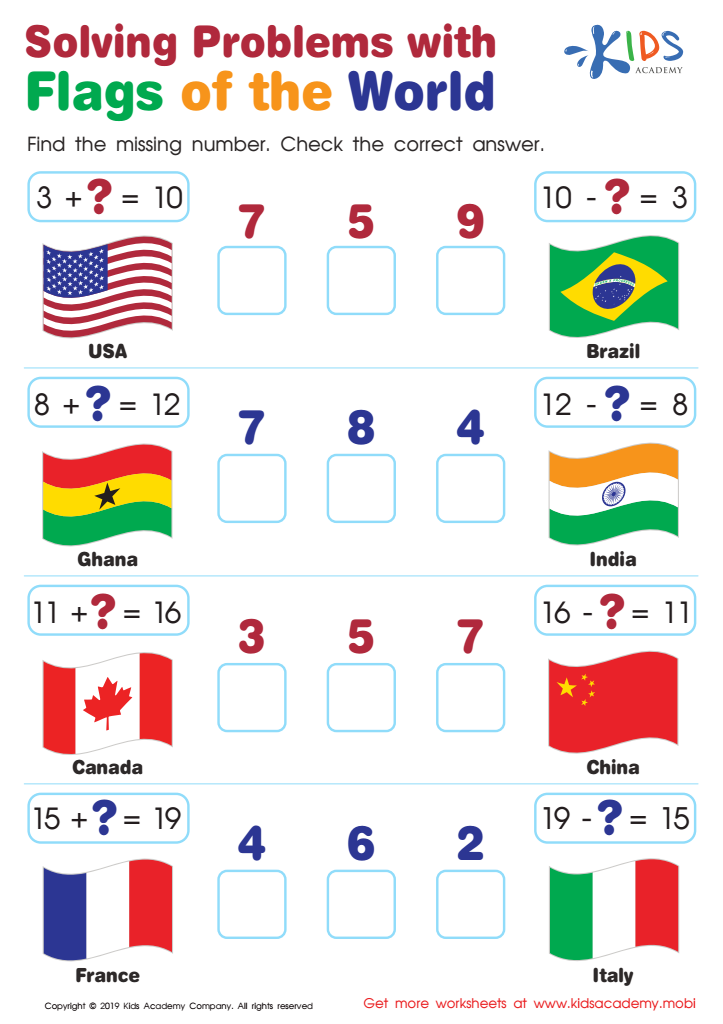
Solving Problems with Flags of the World Worksheet
Name some countries you know with your kids, then introduce their flags with this worksheet. Help them find the missing number in each addition problem, and then check the answer. It's a fun way to learn about different countries near and far.
Solving Problems with Flags of the World Worksheet
Worksheet
Join Kids Academy for Free
Who is primarily going to use this learning content?



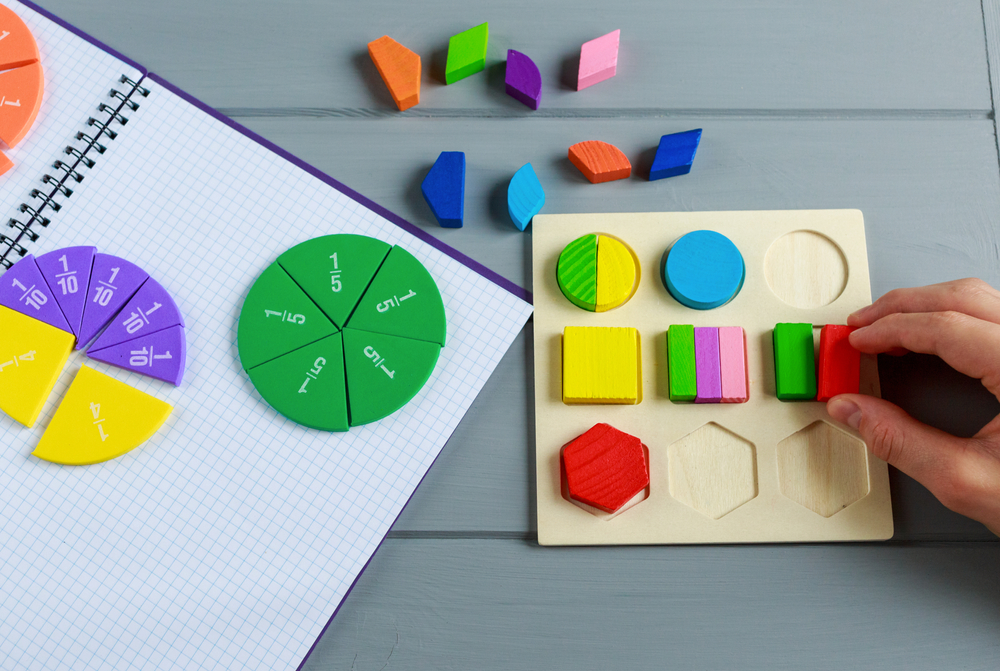




Comparative analysis in math for children ages 7-8 is crucial for fostering critical thinking and problem-solving skills. At this developmental stage, students begin to grasp more complex mathematical concepts, and comparative analysis allows them to explore relationships between numbers, patterns, and quantities. By comparing different sets of data or problems, children learn to make connections, identify similarities and differences, and evaluate outcomes.
This method encourages active engagement with mathematical concepts, promoting deeper understanding rather than rote memorization. It supports the development of analytical skills, as students learn to analyze various scenarios, reason about numerical relationships, and draw conclusions based on evidence.
For parents and teachers, prioritizing comparative analysis helps create a more meaningful learning environment. Students become more confident in their mathematical abilities and are better prepared to tackle real-world problems. Furthermore, fostering these skills early lays a strong foundation for future learning in mathematics and related fields. Encouraging children to think critically about math problems ultimately contributes to their overall academic success and instills a lifelong love for learning. Therefore, investing time and resources into comparative analysis during these formative years is essential for holistic academic growth.








