Check out this FREE Trial Lesson on Math for age 7-8!

Short and Long Vowel Sort

Favorites
With answer key
Interactive
  • 7-8
  • Comparing Fractions
  • Math
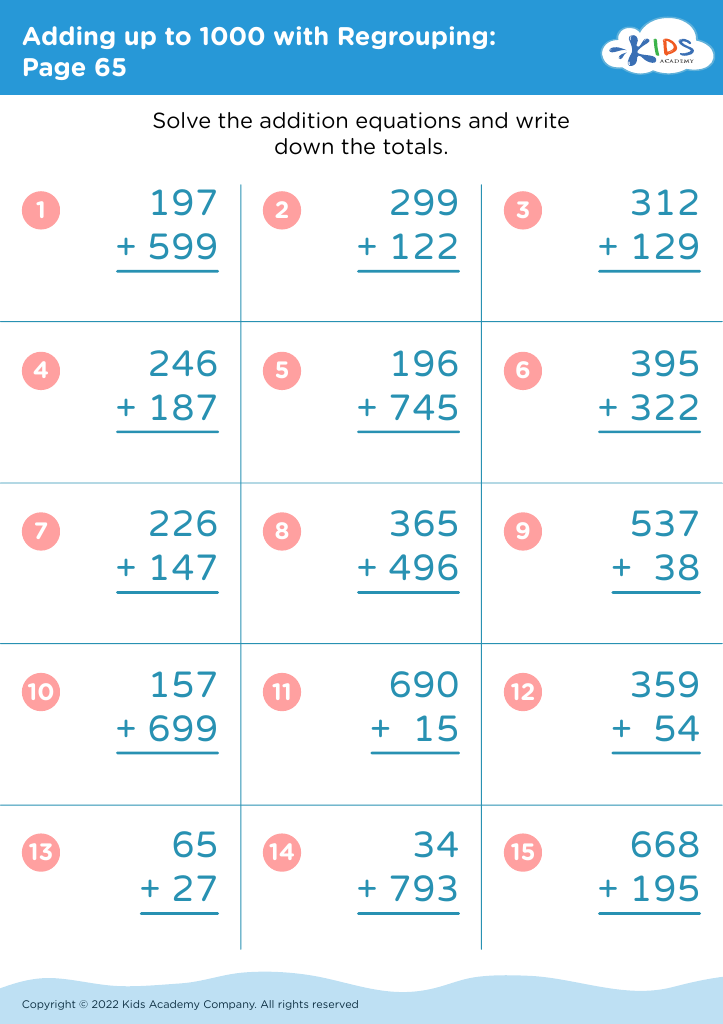
Adding up to 1000 with Regrouping: Page 65
Worksheet
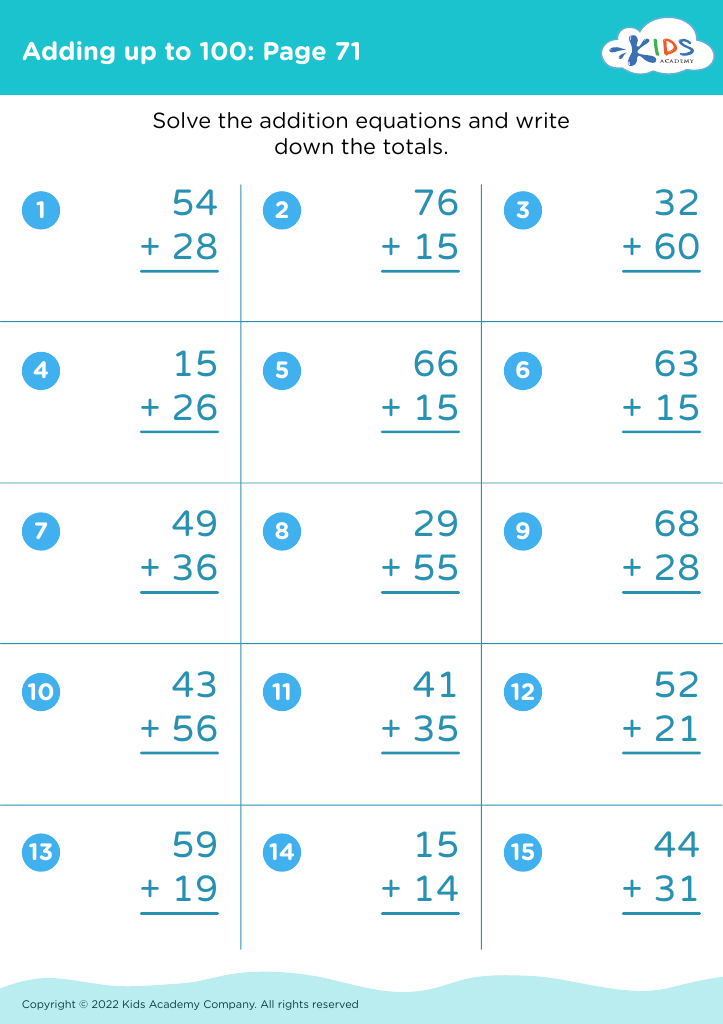
Adding up to 100: Page 71

Adding up to 100: Page 71

Adding up to 100: Page 71
Worksheet
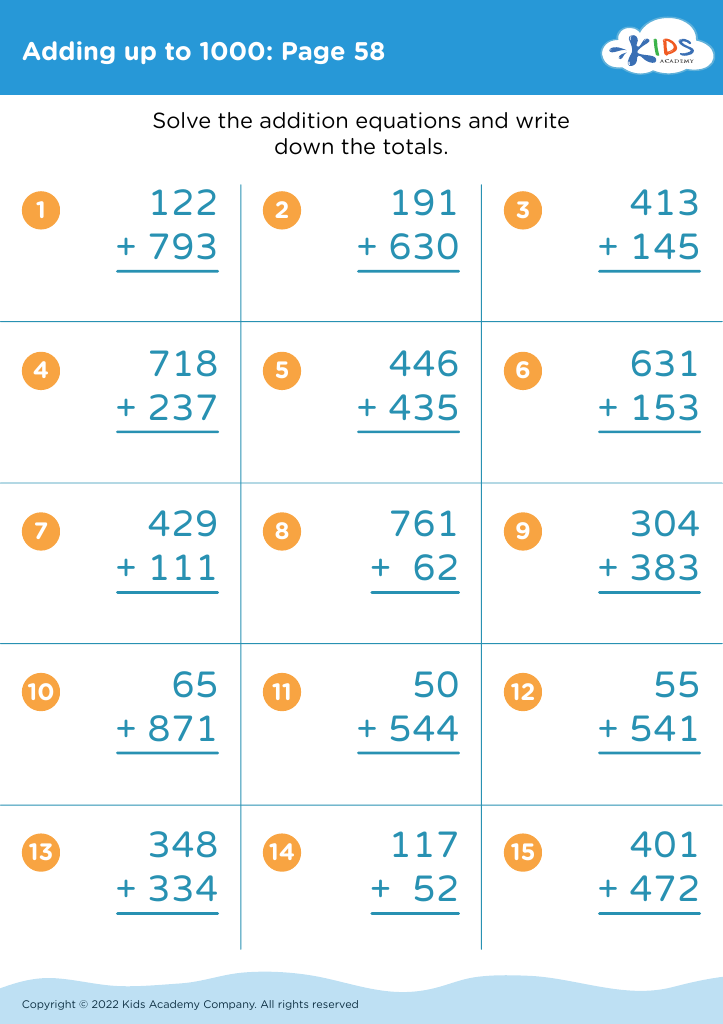
Adding up to 1000: Page 58

Adding up to 1000: Page 58

Adding up to 1000: Page 58
Worksheet
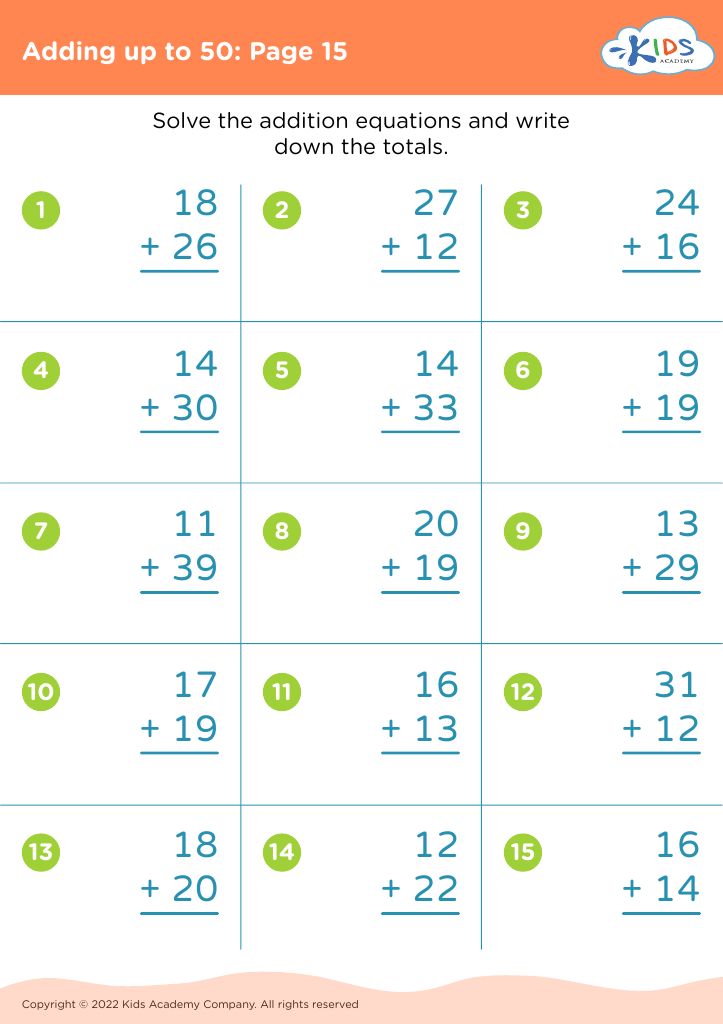
Adding up to 50: Page 15

Adding up to 50: Page 15

Adding up to 50: Page 15
Worksheet
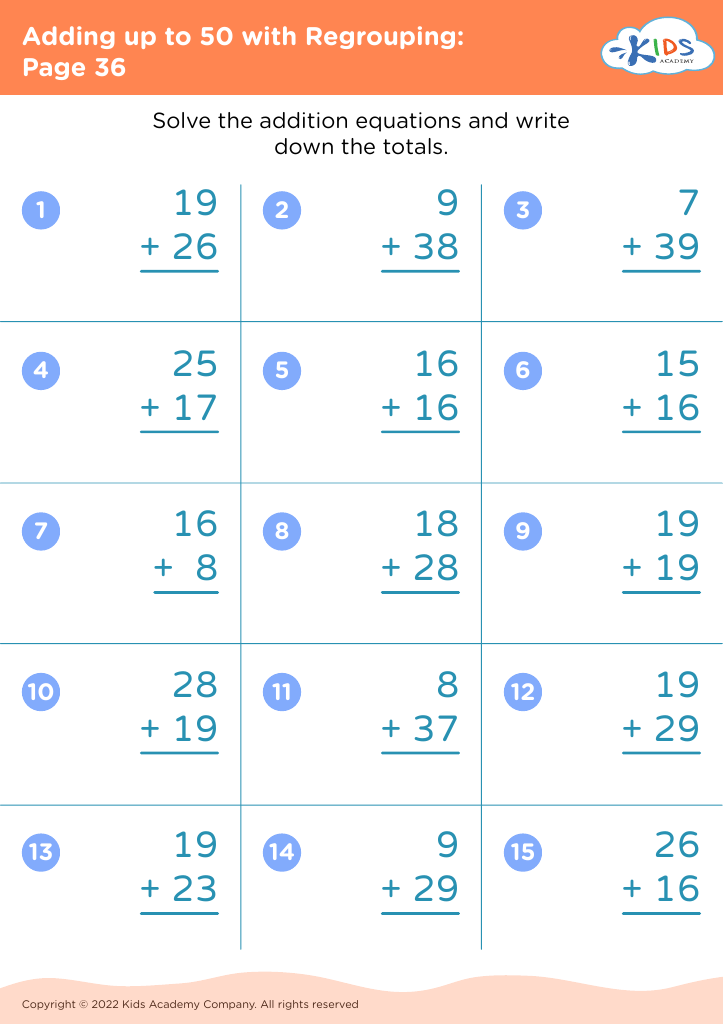
Adding up to 50 with Regrouping: Page 36
Worksheet
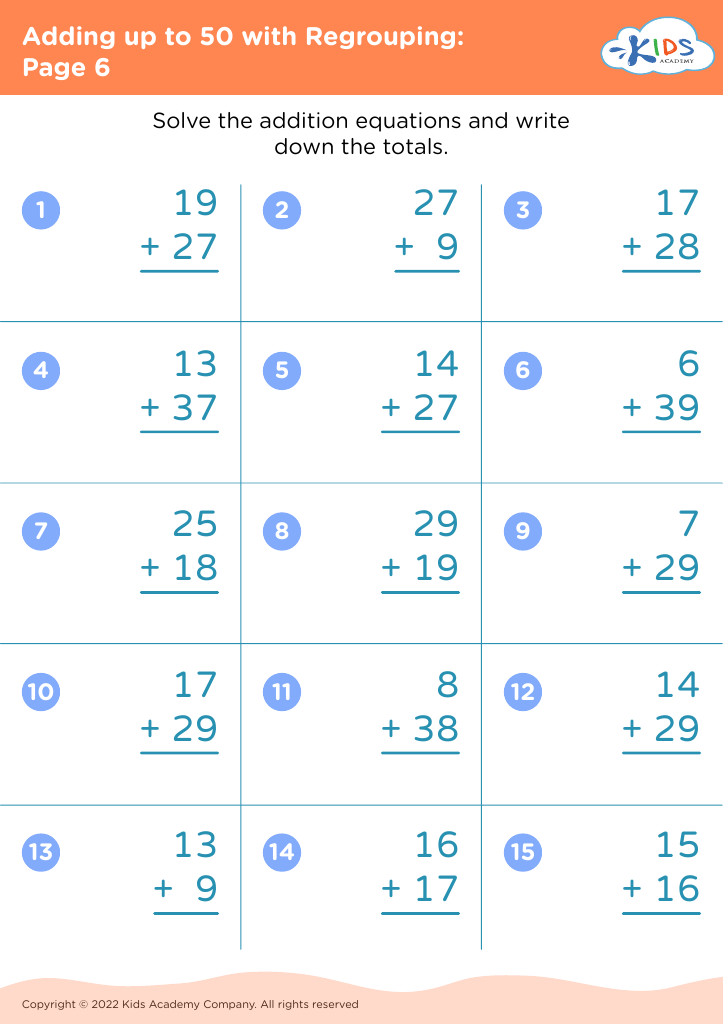
Adding up to 50 with Regrouping: Page 6
Worksheet
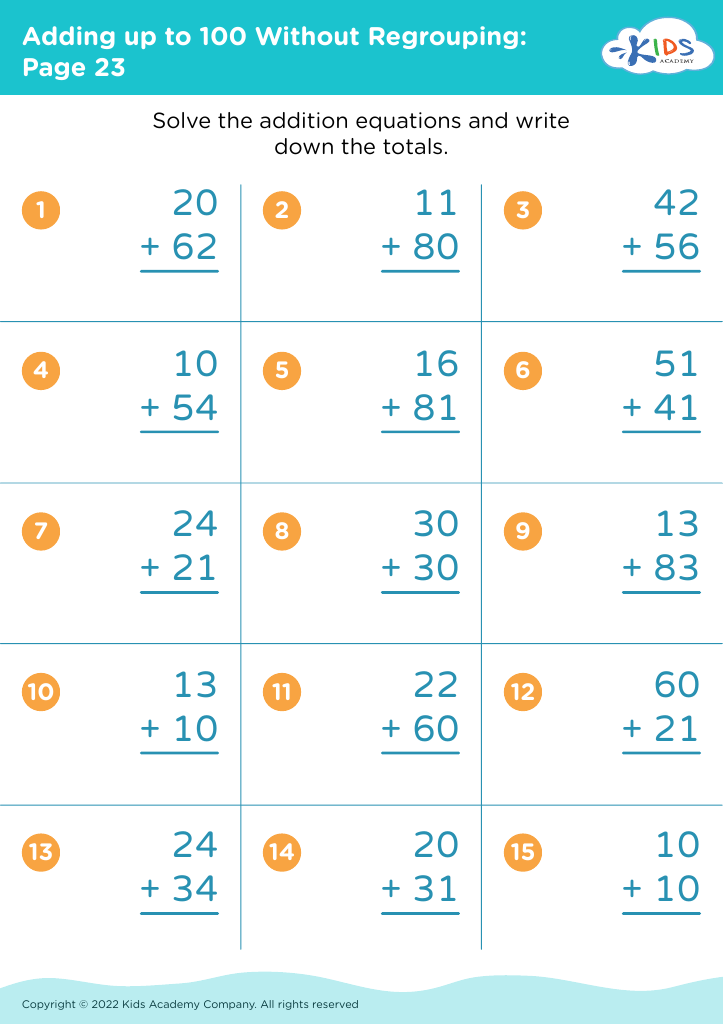
Adding up to 100 Without Regrouping: Page 23
Worksheet
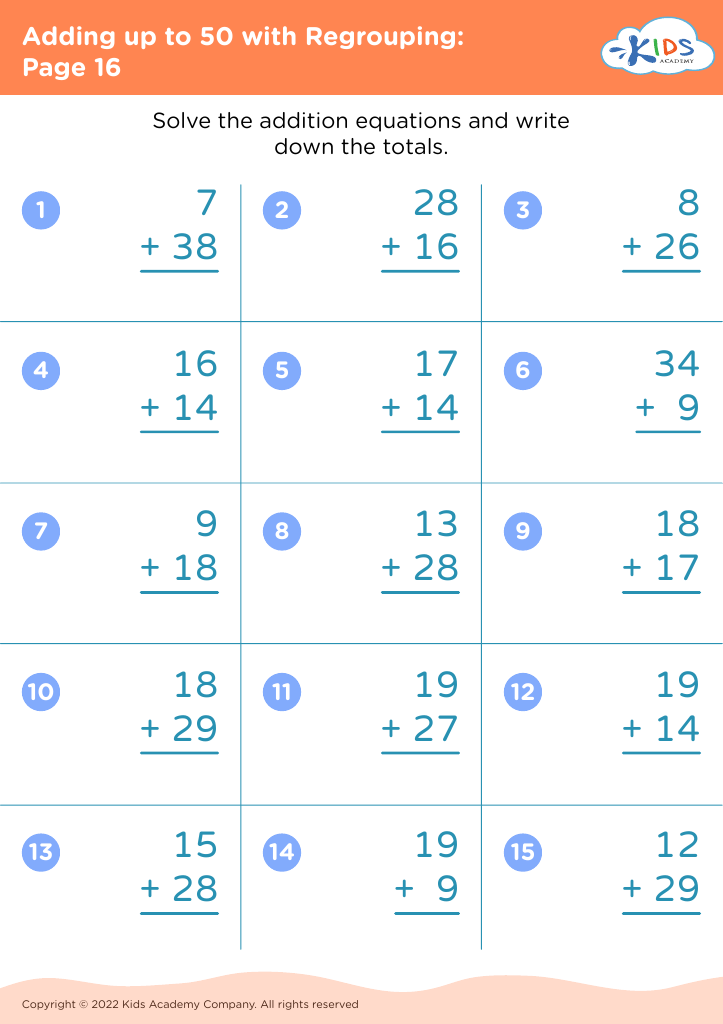
Adding up to 50 with Regrouping: Page 16
Worksheet
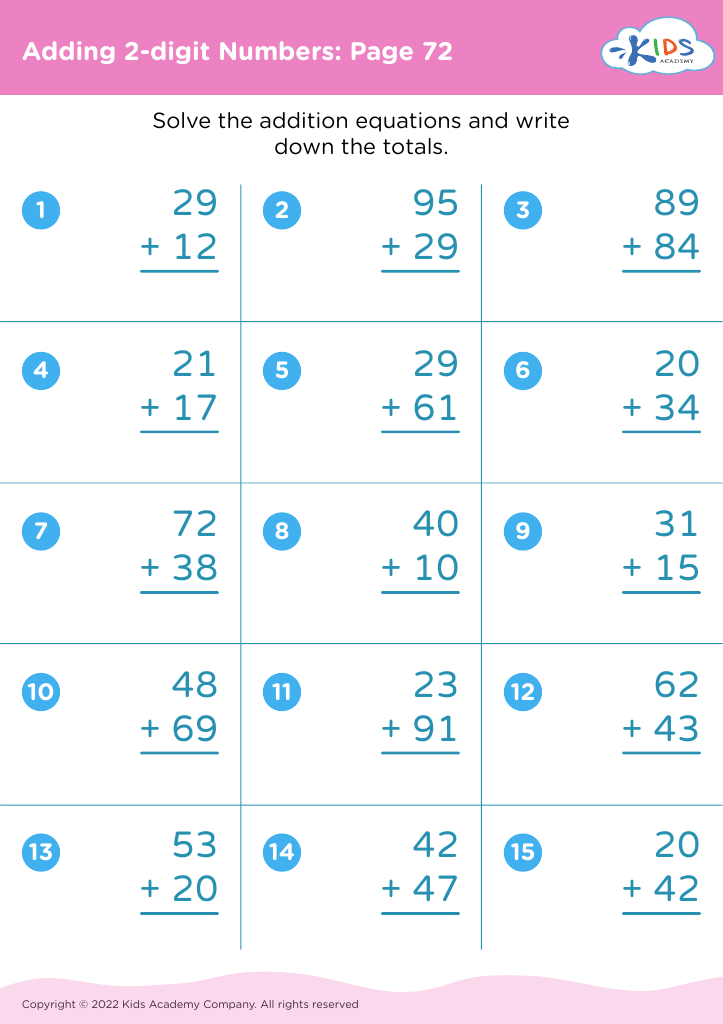
Adding 2-digit Numbers: Page 72

Adding 2-digit Numbers: Page 72

Adding 2-digit Numbers: Page 72
Worksheet
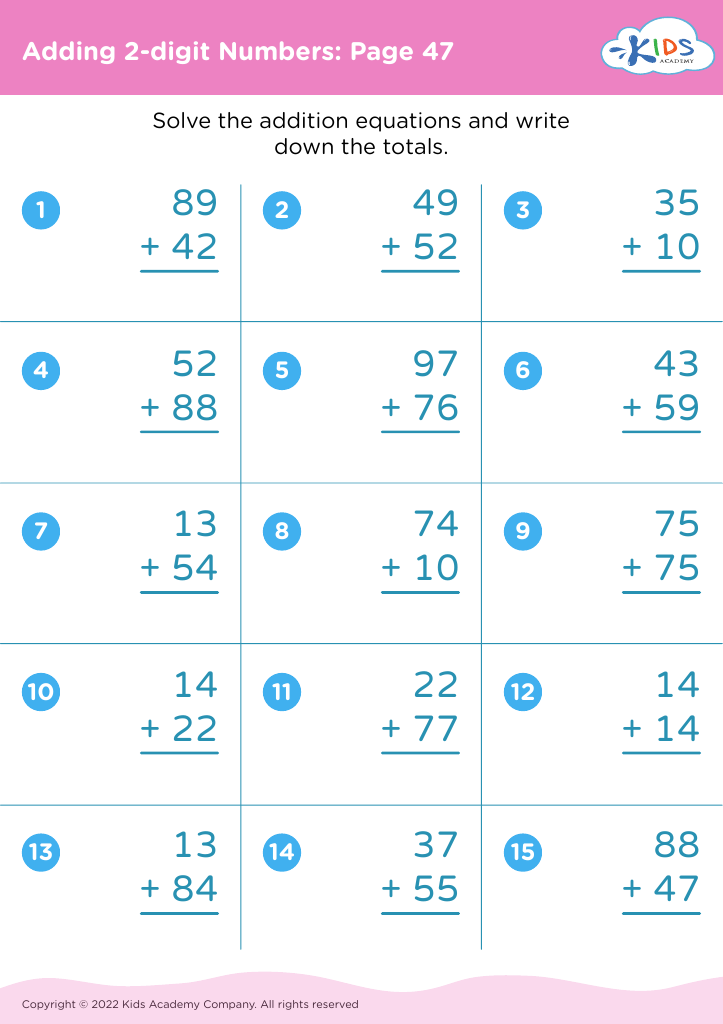
Adding 2-digit Numbers: Page 47

Adding 2-digit Numbers: Page 47

Adding 2-digit Numbers: Page 47
Worksheet
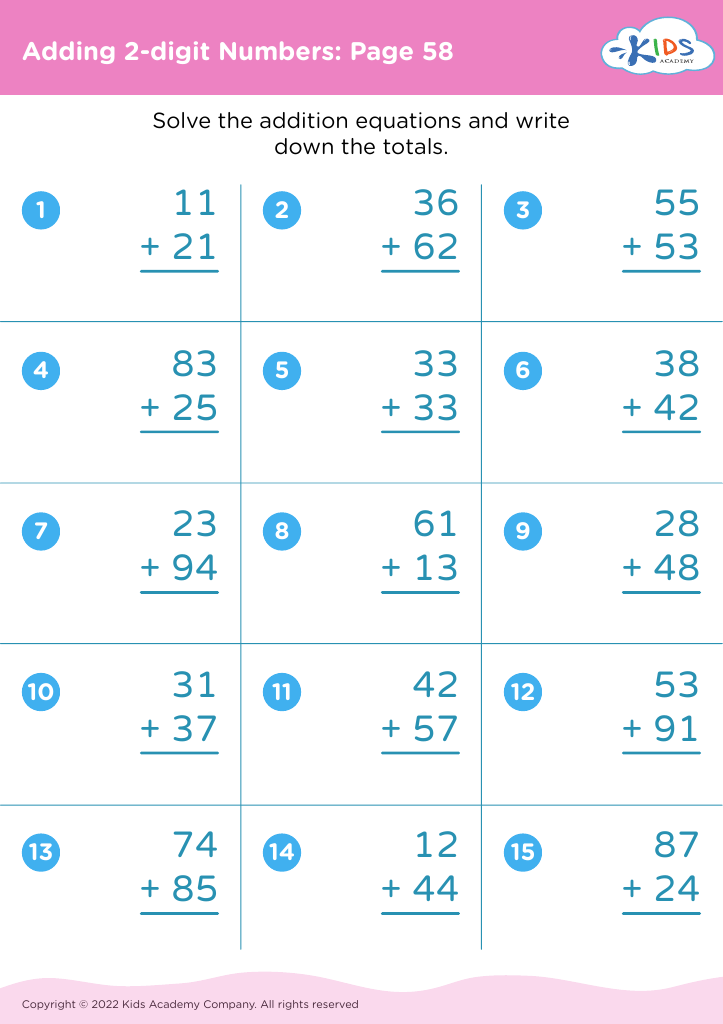
Adding 2-digit Numbers: Page 58

Adding 2-digit Numbers: Page 58

Adding 2-digit Numbers: Page 58
Worksheet
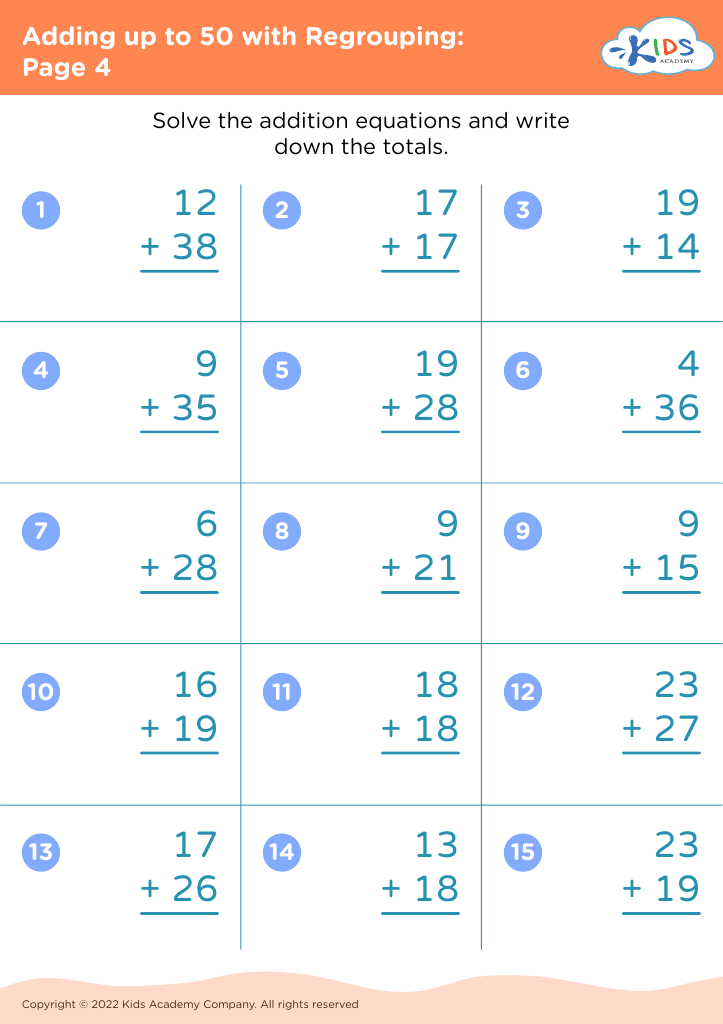
Adding up to 50 with Regrouping: Page 4
Worksheet
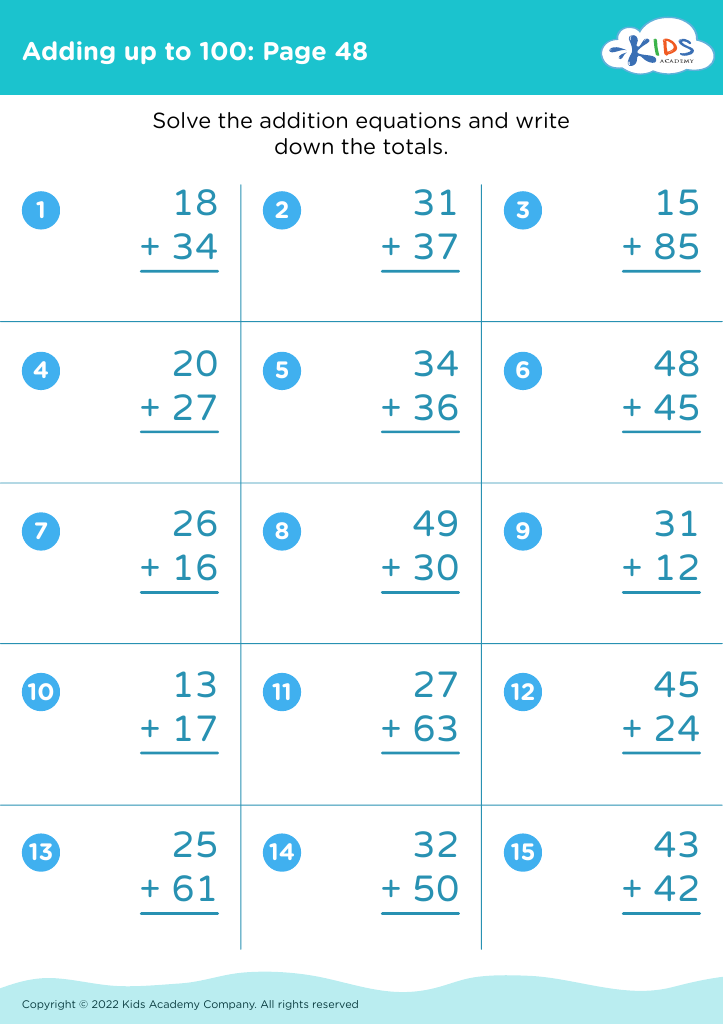
Adding up to 100: Page 48

Adding up to 100: Page 48

Adding up to 100: Page 48
Worksheet
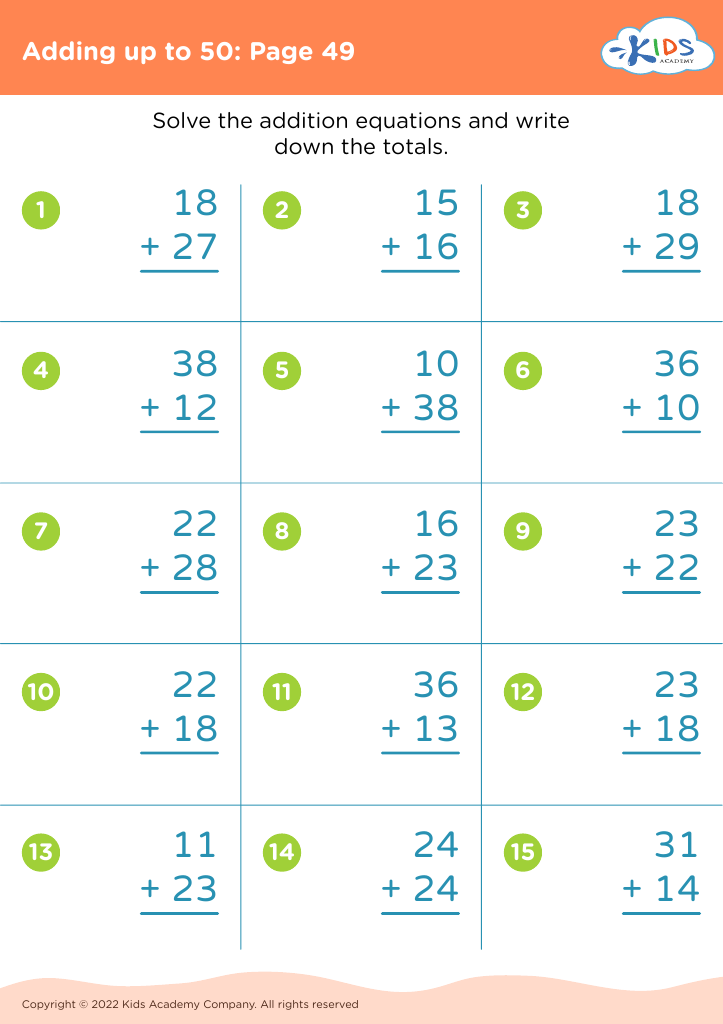
Adding up to 50: Page 49

Adding up to 50: Page 49

Adding up to 50: Page 49
Worksheet
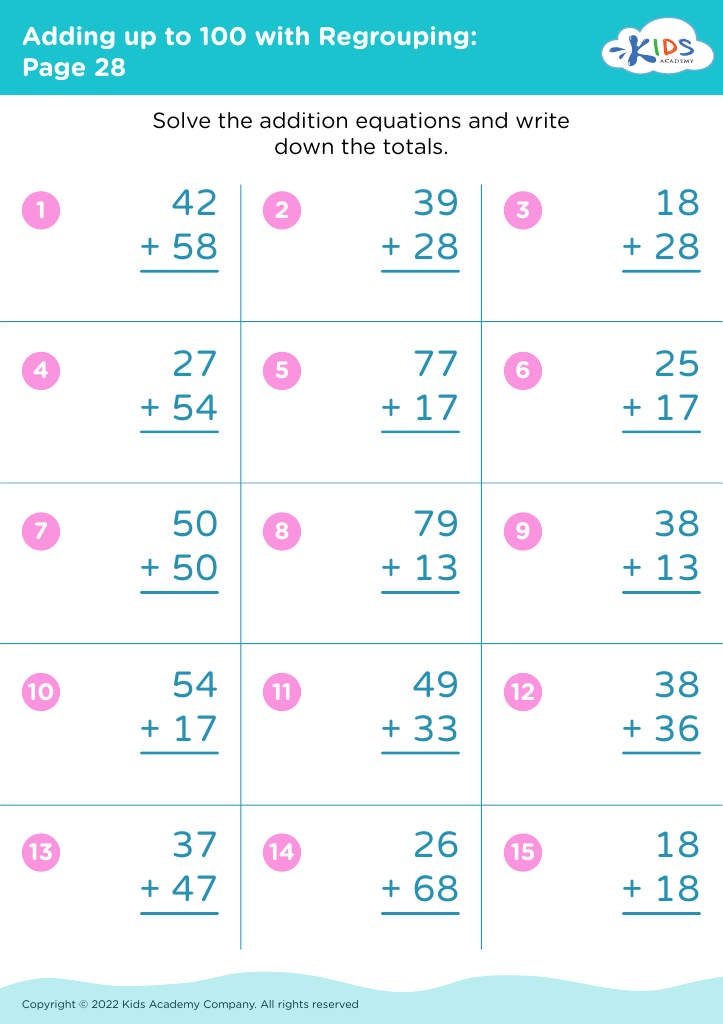
Adding up to 100 with Regrouping: Page 28
Worksheet
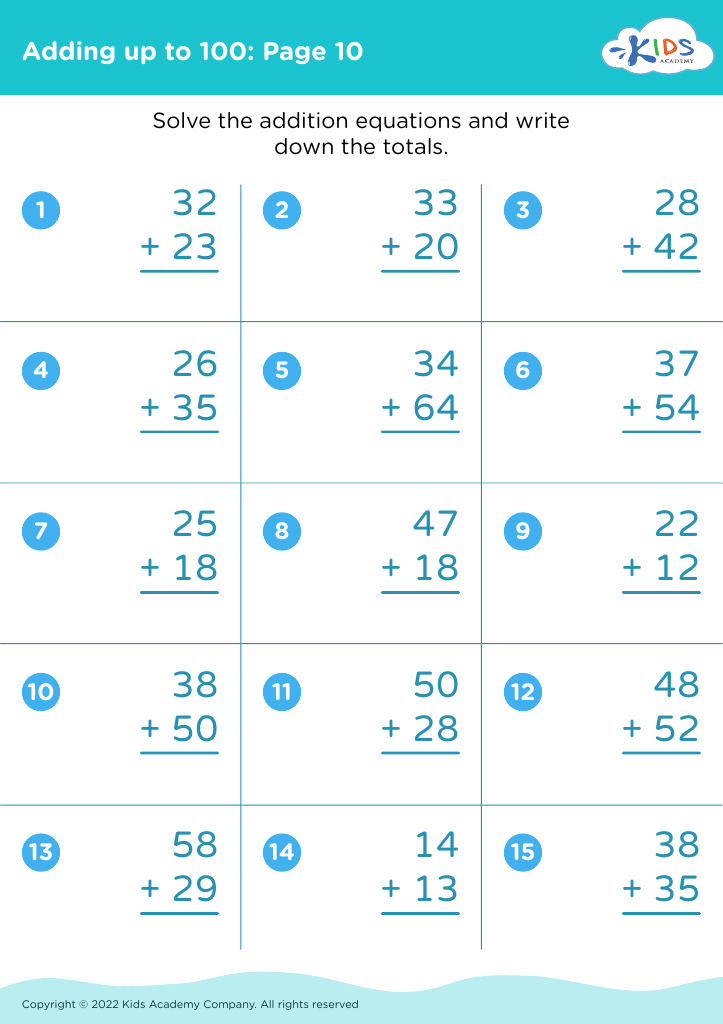
Adding up to 100: Page 10

Adding up to 100: Page 10

Adding up to 100: Page 10
Worksheet
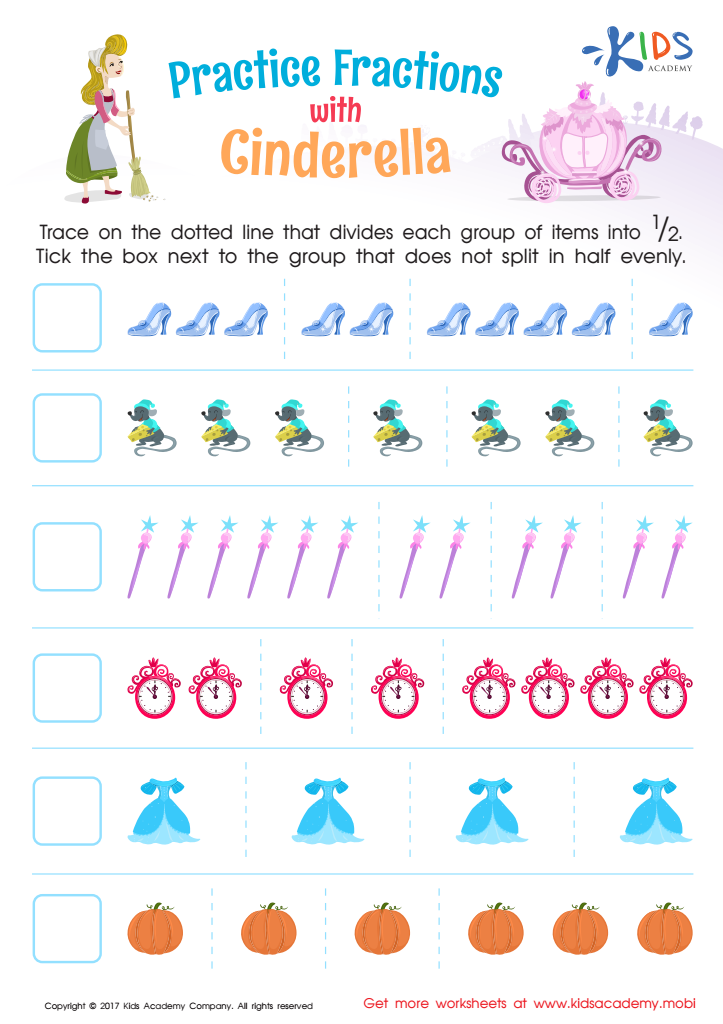
Cinderella Fraction Practice

Fractions: Cinderella Printable

Cinderella and ½ are the perfect pair to excite your child about learning fractions.
Fractions: Cinderella Printable
Worksheet
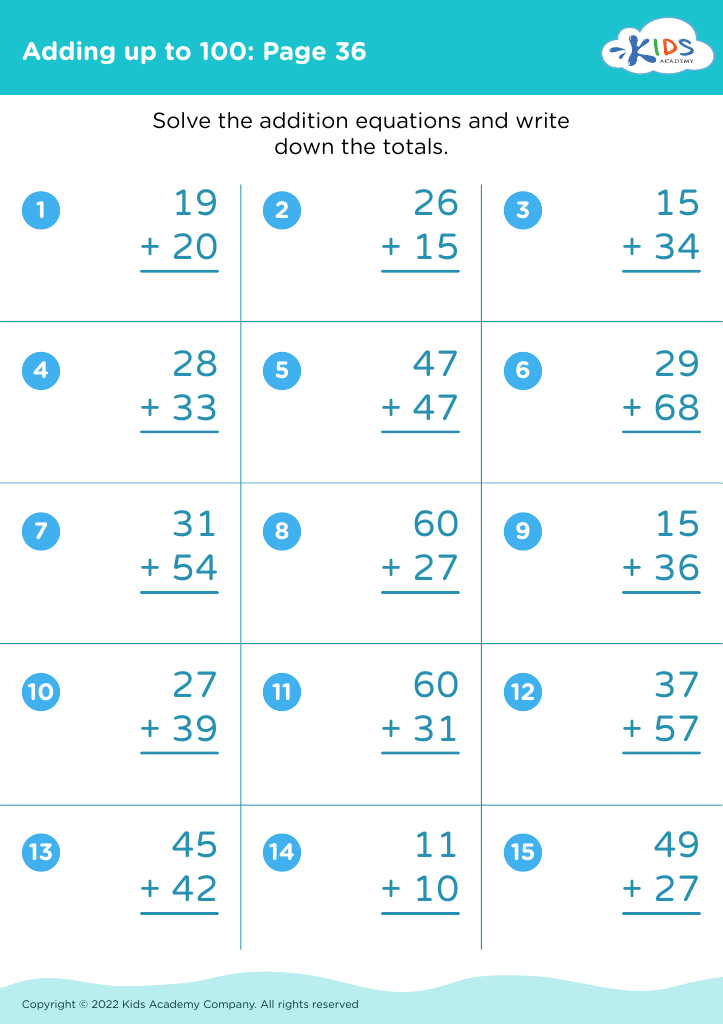
Adding up to 100: Page 36

Adding up to 100: Page 36

Adding up to 100: Page 36
Worksheet
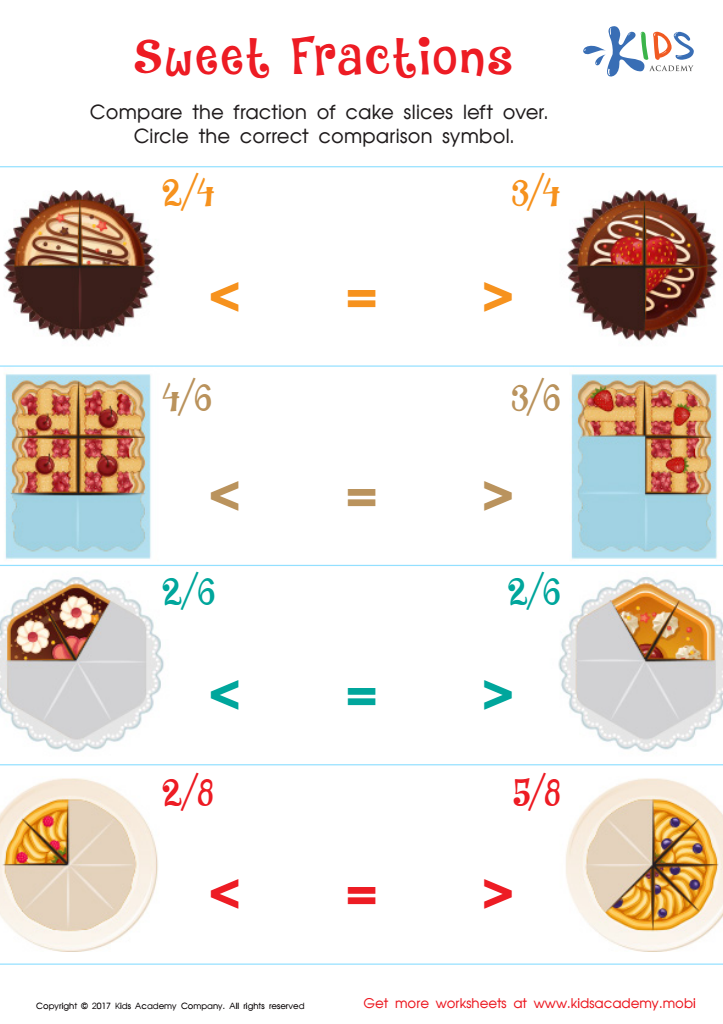
Сompare fractions worksheet for 3rd grade

Compare Fractions Worksheet

This compare fractions worksheet is great for 3rd graders to learn and understand fractions in a fun way. Let them explore fractions visually with the help of sweet treats!
Compare Fractions Worksheet

Worksheet
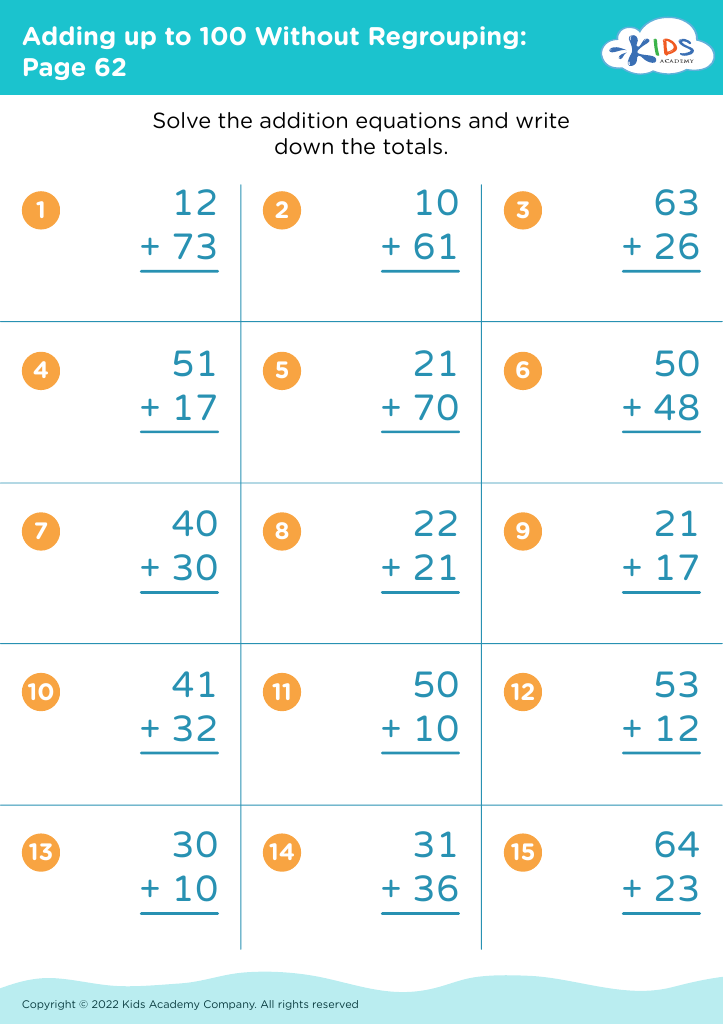
Adding up to 100 Without Regrouping: Page 62
Worksheet
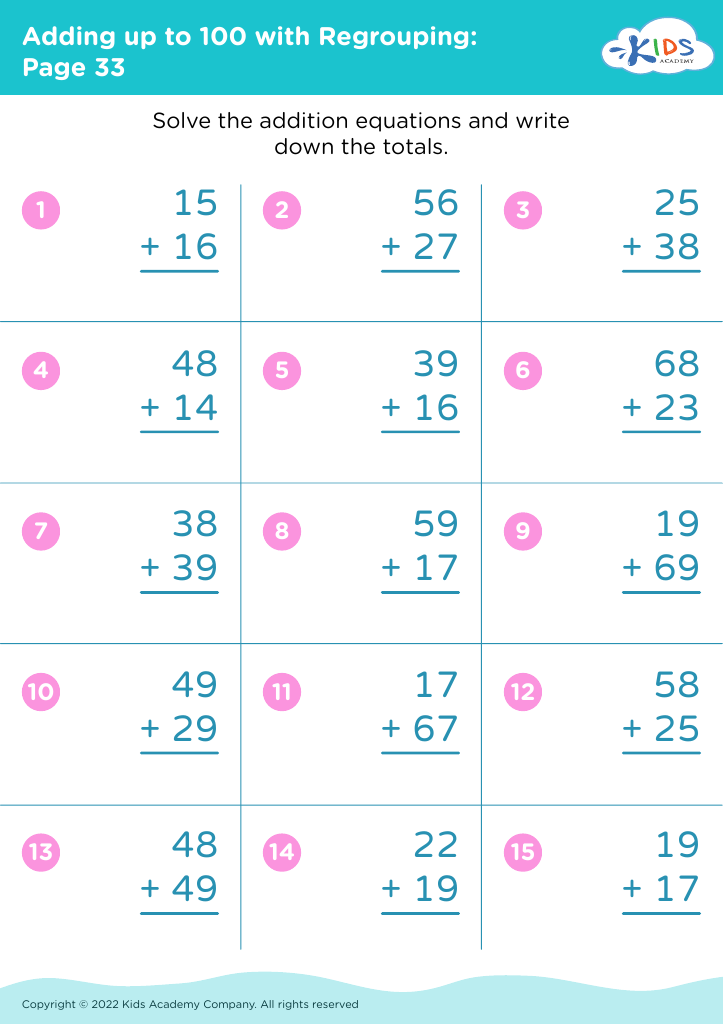
Adding up to 100 with Regrouping: Page 33
Worksheet
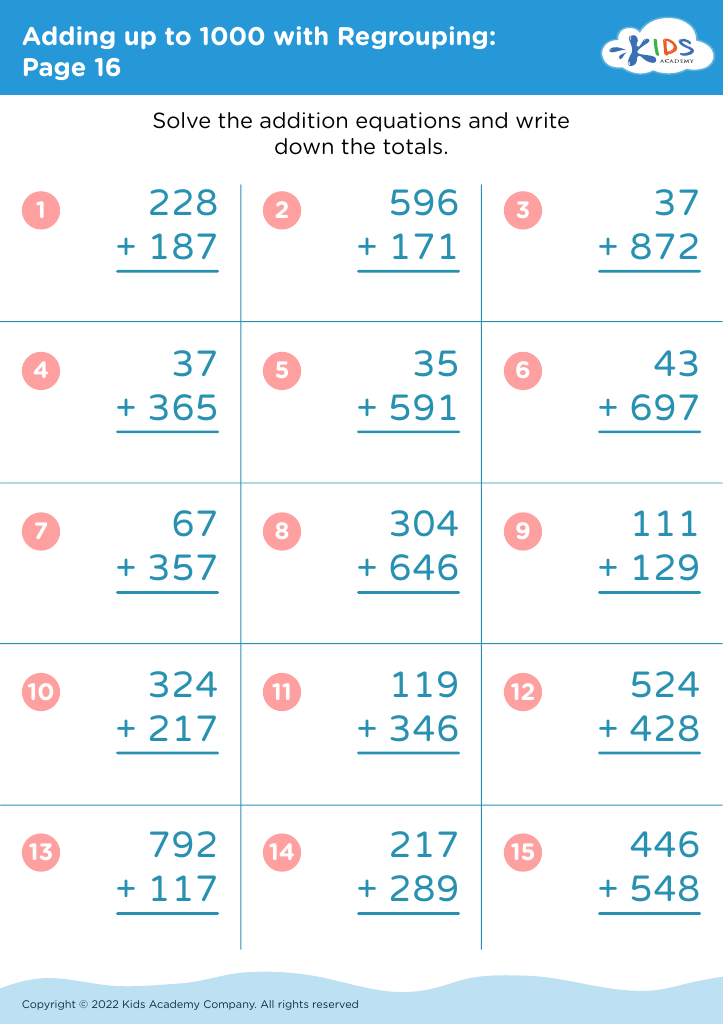
Adding up to 1000 with Regrouping: Page 16
Worksheet
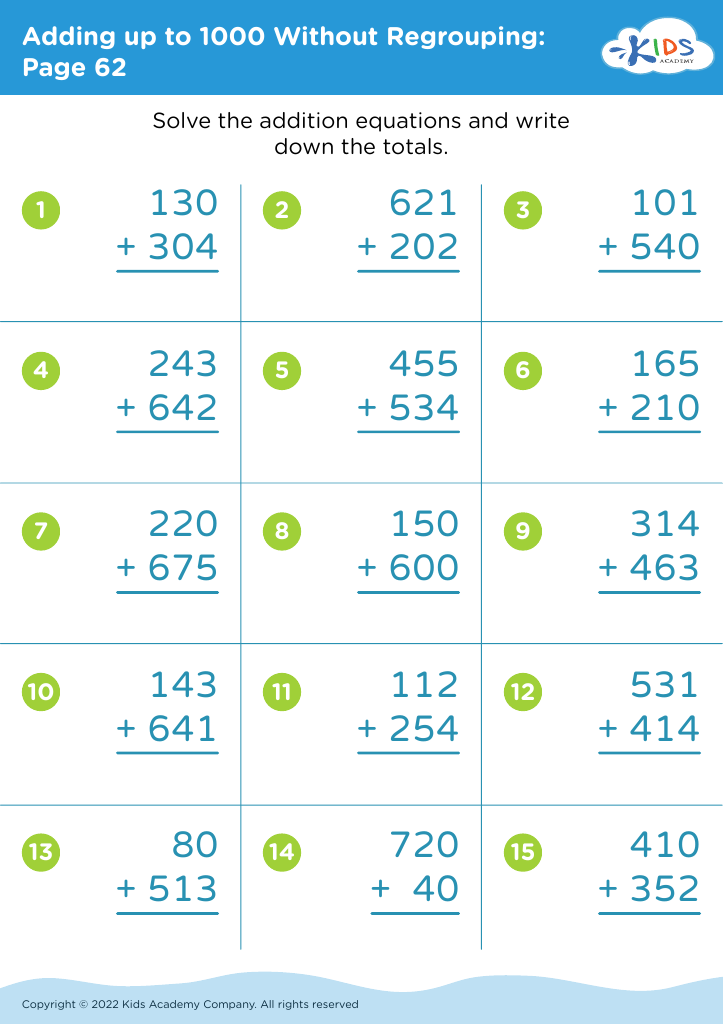
Adding up to 1000 Without Regrouping: Page 62
Worksheet


... 3 4

Comparing fractions is a fundamental math skill for children ages 7-8, and it holds significant value for parents and teachers alike. Understanding fractions is essential for developing a strong mathematical foundation that supports higher-level math concepts in the future. Comparing fractions helps students enhance their critical thinking skills, as they learn to analyze and interpret relationships between numbers.

At this age, children are also begin to engage with practical aspects of fractions through everyday experiences, such as cooking or measuring. Being able to compare fractions empowers them to make informed decisions in real-life situations—like serving sizes or dividing resources fairly. Additionally, mastering this concept contributes to improving their problem-solving abilities, as they learn to employ various strategies, such as finding common denominators or visualizing fractions through models and number lines.

Moreover, fostering fraction comparison skills can boost students' confidence in math. As children gain proficiency, they are more likely to enjoy math and develop a positive attitude towards it, which is crucial for lifelong learning. Ultimately, investing time and resources into helping children understand how to compare fractions sets the stage for their success in math and, by extension, countless other disciplines.