Counting practice Math Worksheets for Ages 7-8 - Page 4
92 filtered results
-
From - To
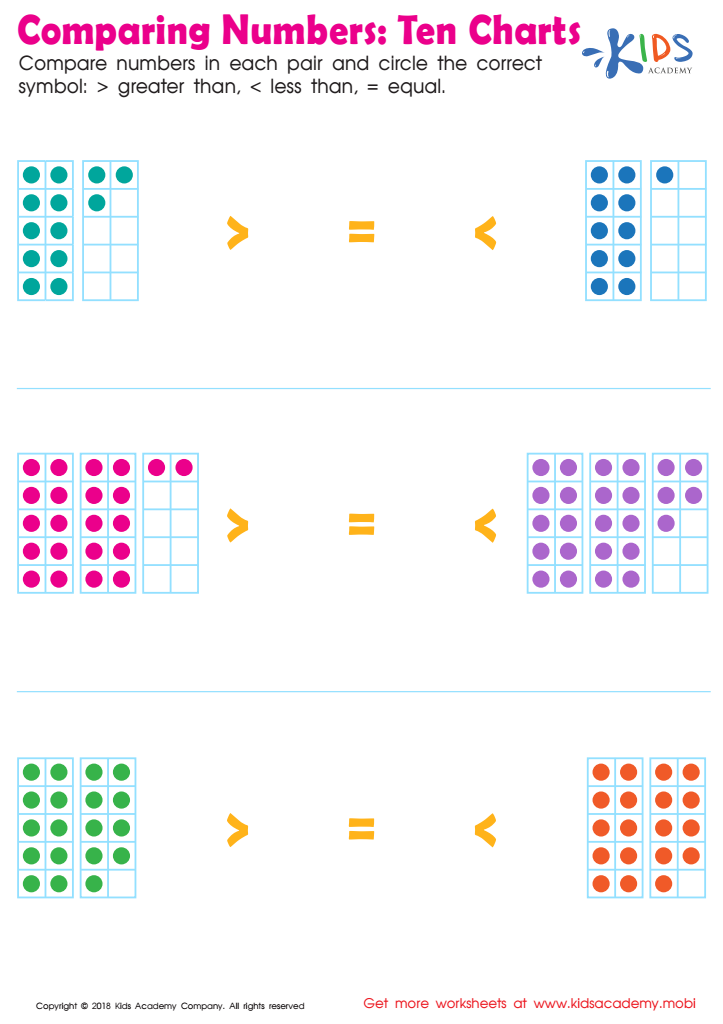
Ten Charts Worksheet
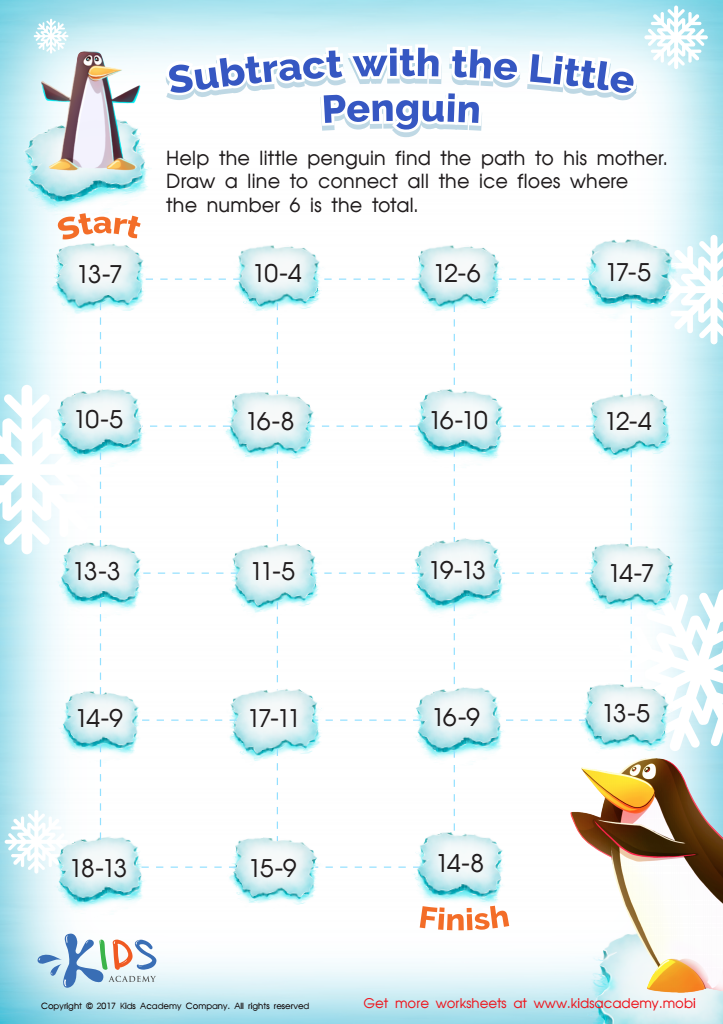
Subtract With The Little Penguin Substraction Worksheet
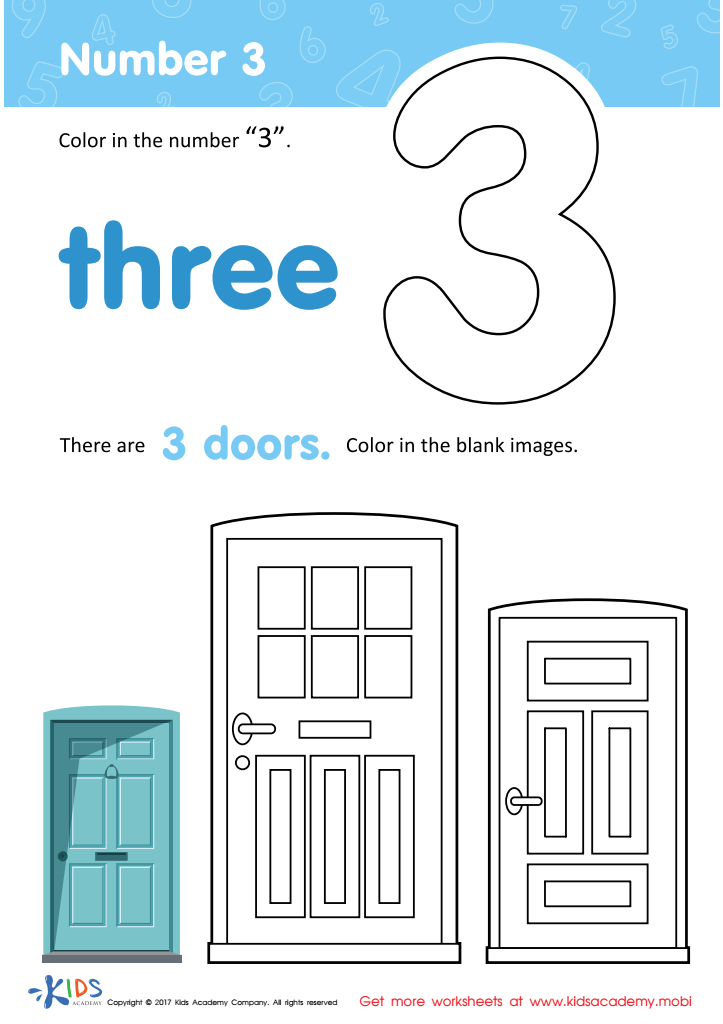
Number 3 Worksheet
 Assign to My Students
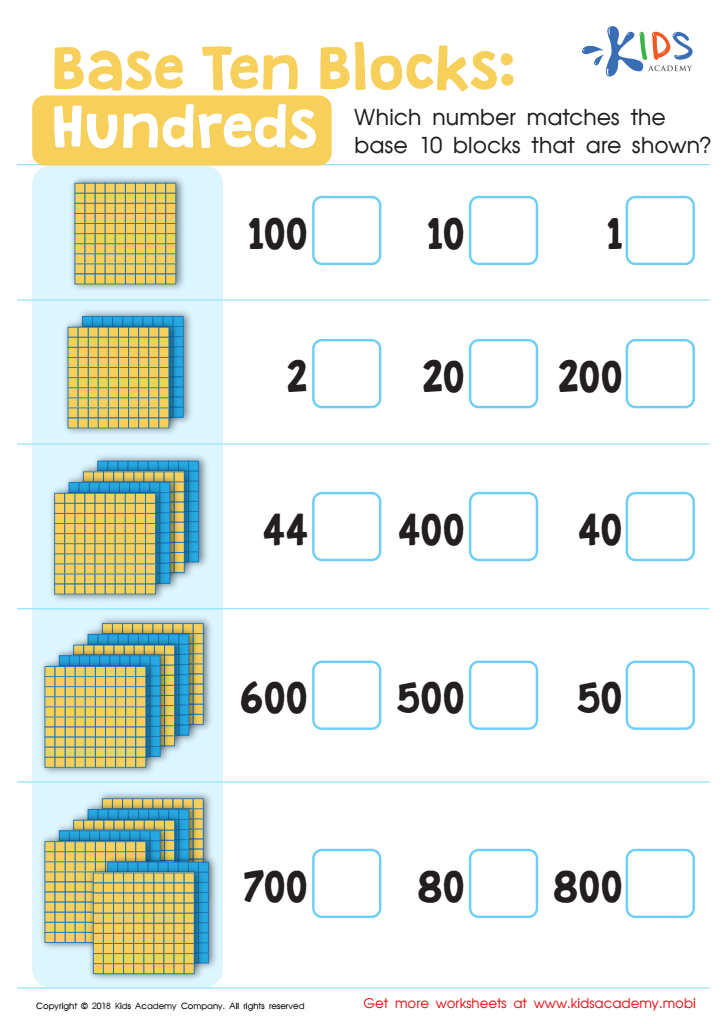
Base Ten Blocks: Hundreds Worksheet
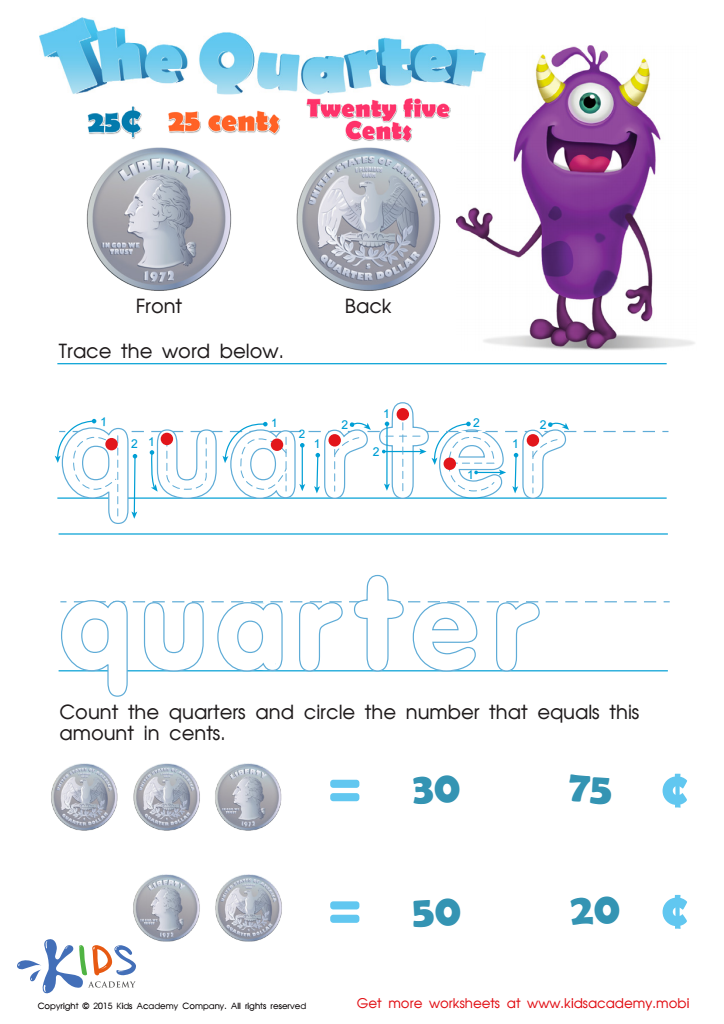
Twenty Five Cents or the Quarter Money Worksheet
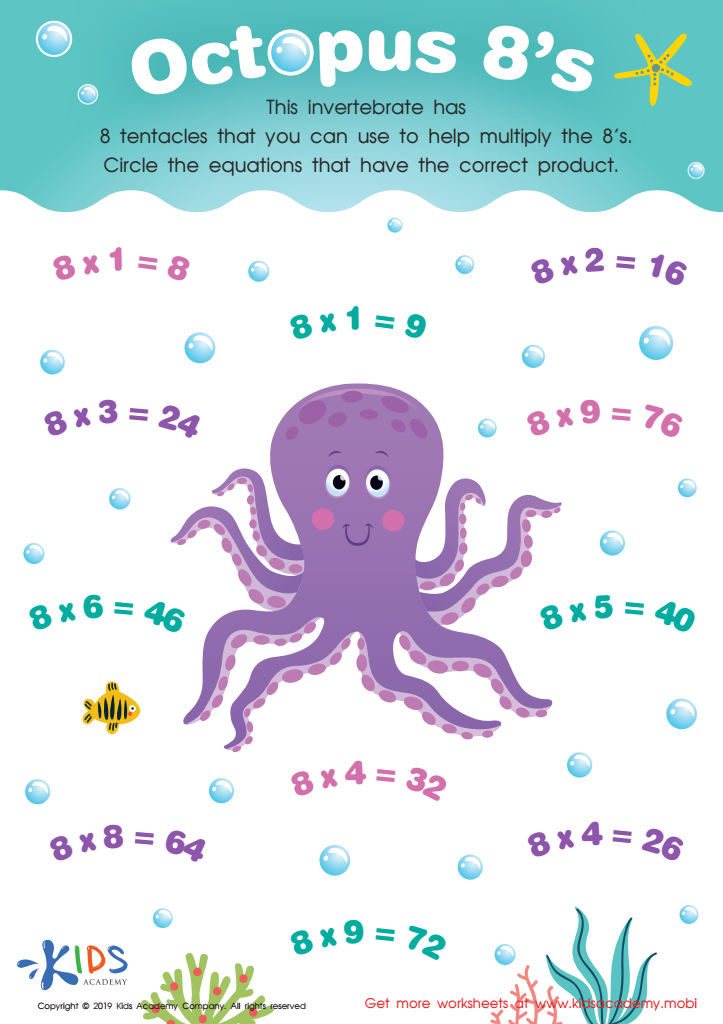
Octopus 8’s Worksheet
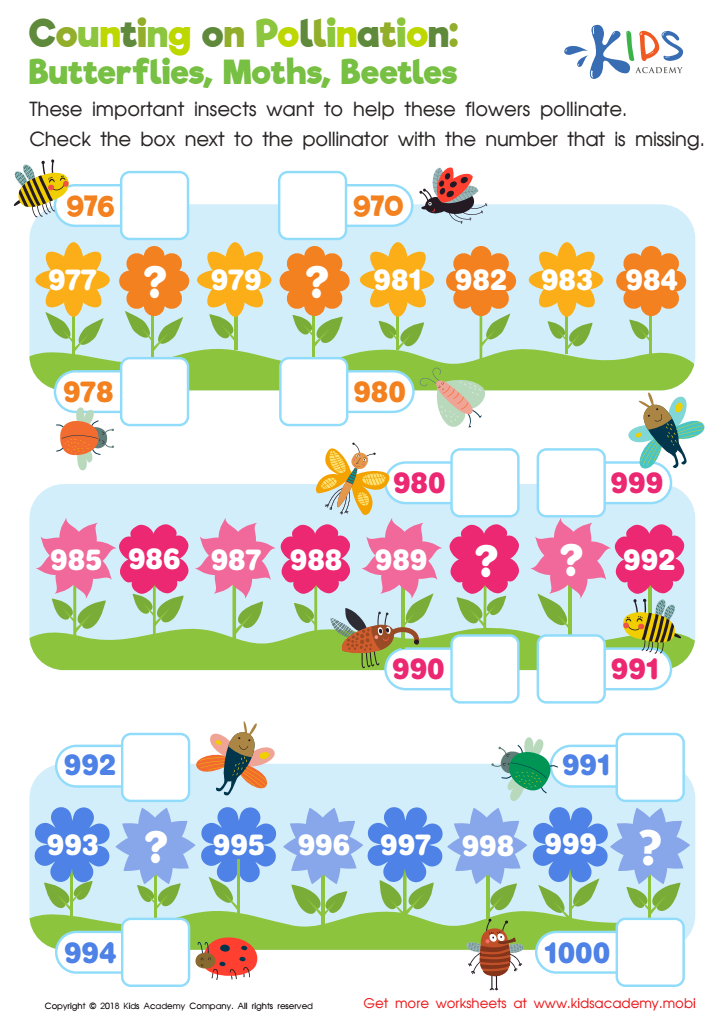
Counting on Pollination: Butterflies, Moths, Beetles Worksheet
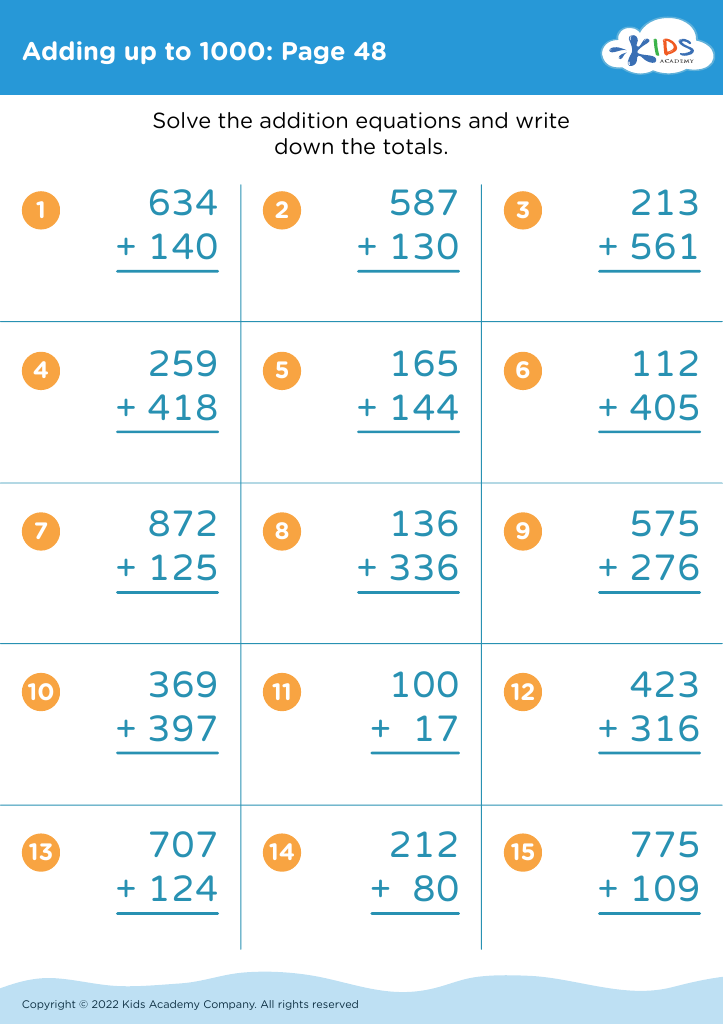
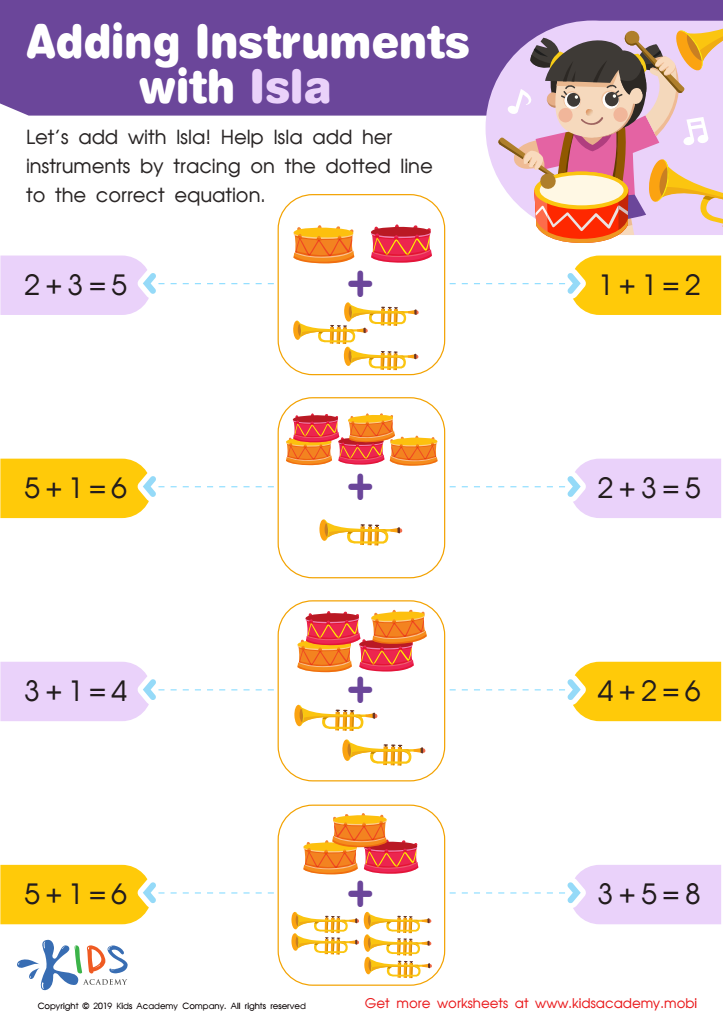
Adding Instruments with Isla Worksheet

Counting on the City Skyline: Dot-to-Dot Worksheet
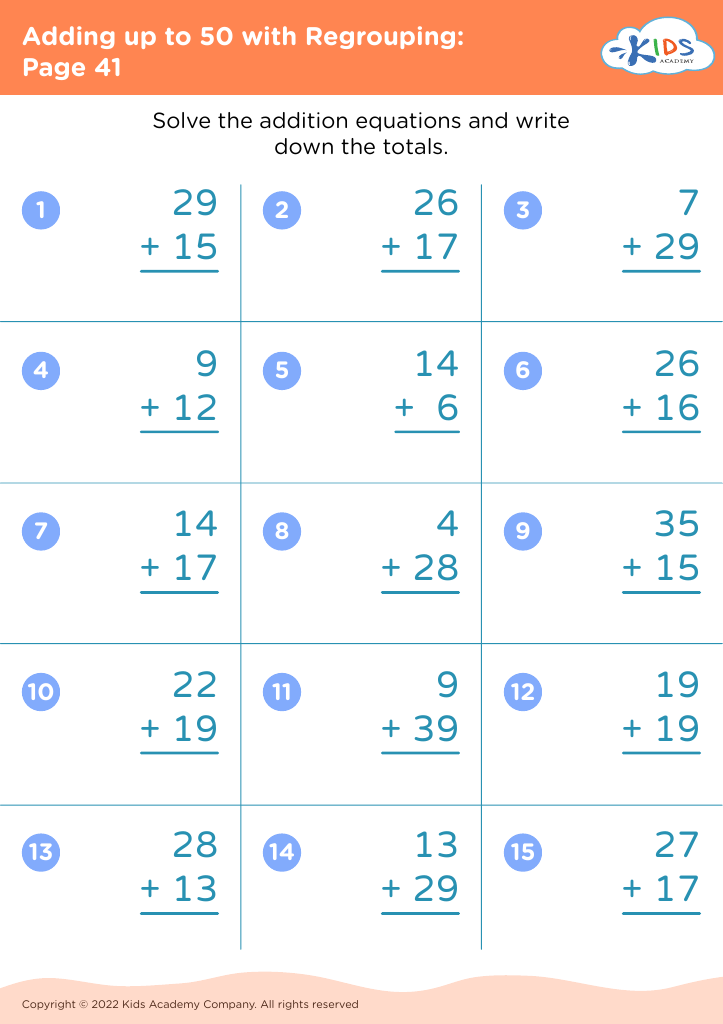
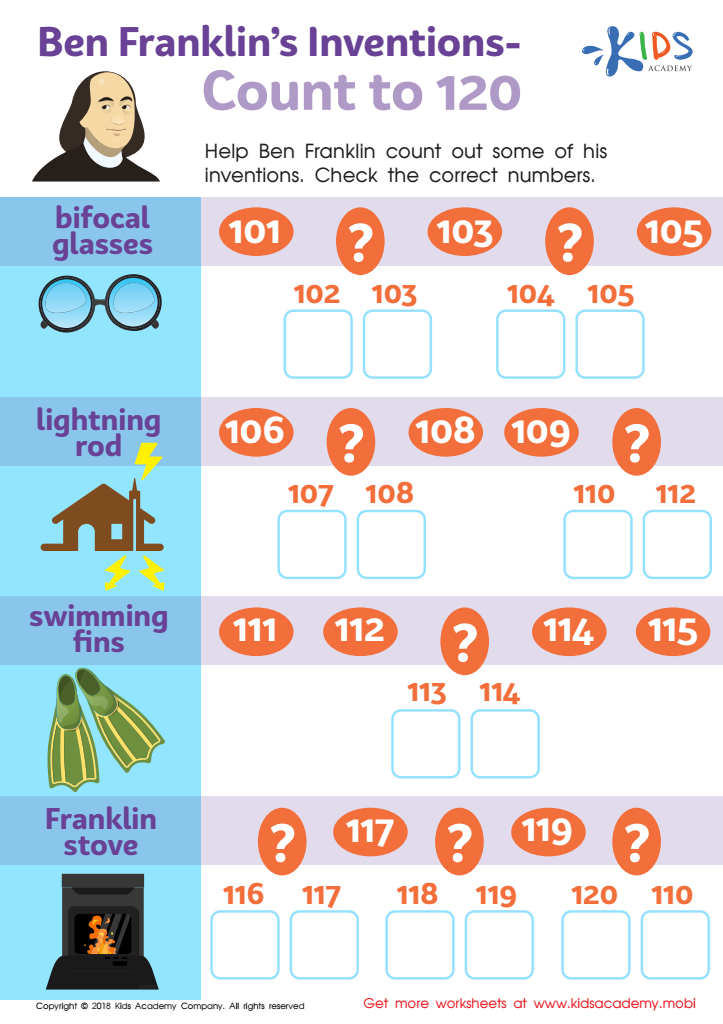
Ben Franklin’s Inventions – Count to 120 Worksheet
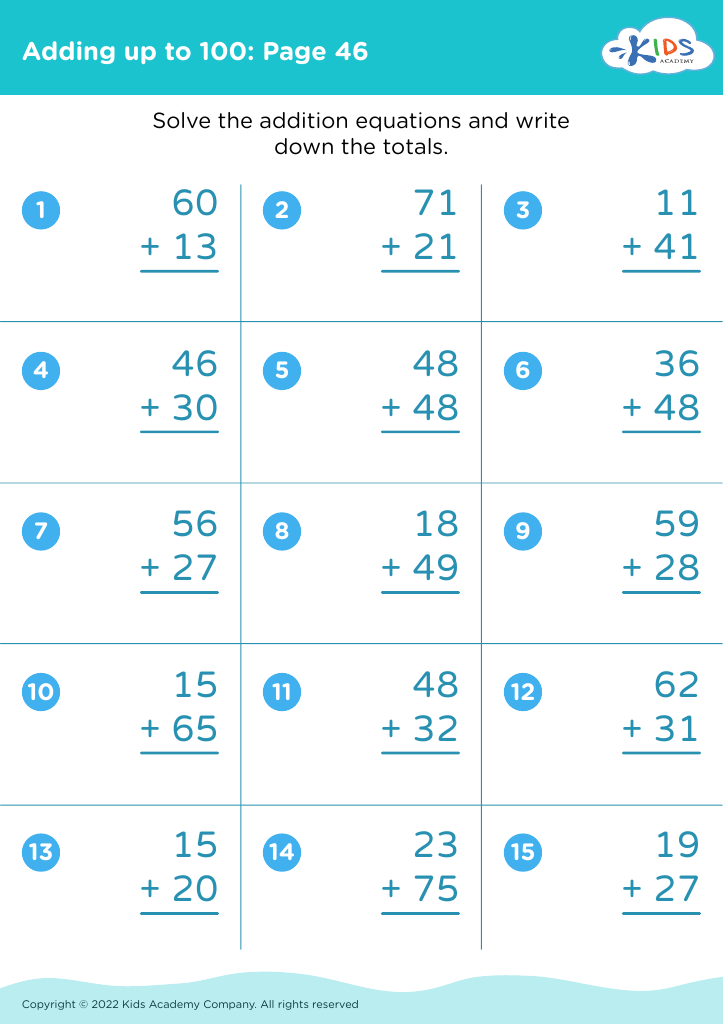
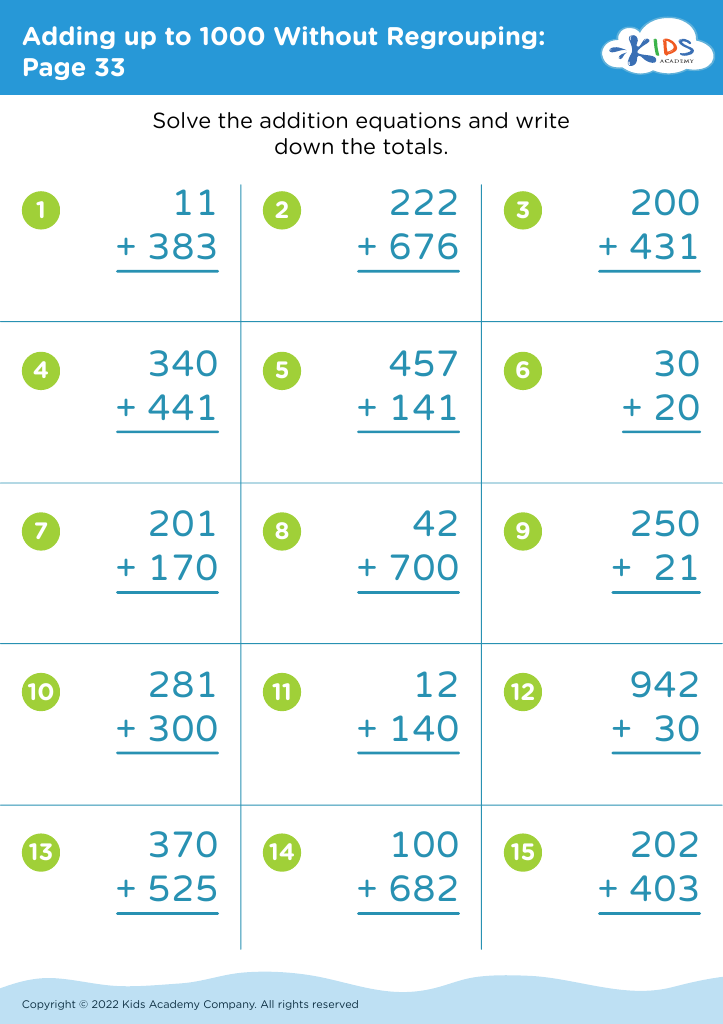


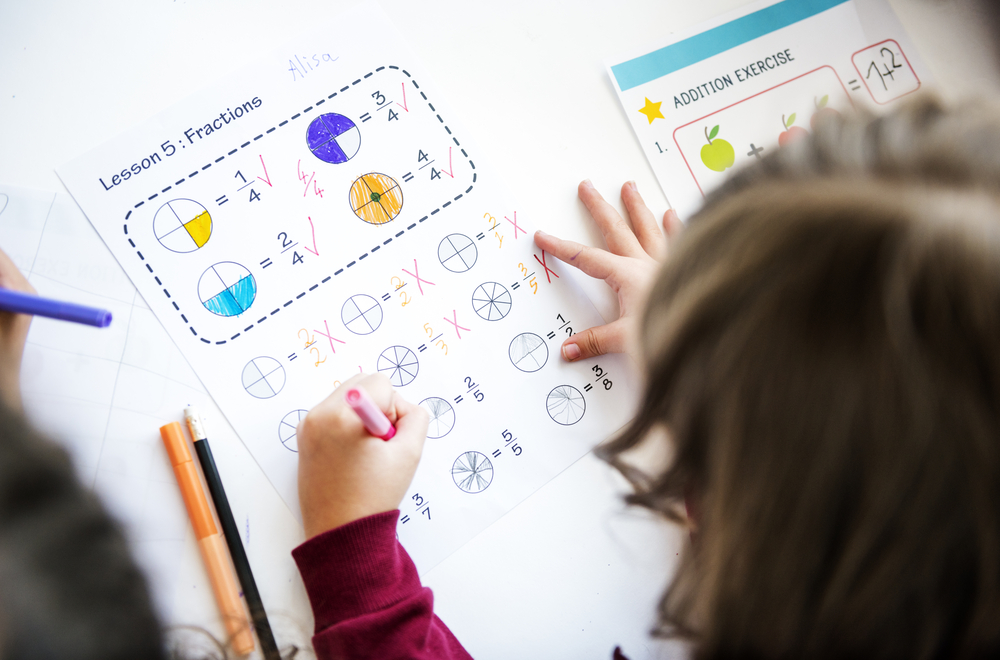





Counting practice is crucial for children aged 7-8, as it lays the foundation for their mathematical understanding and overall cognitive development. During these formative years, students transition from basic counting to more complex mathematical concepts such as addition, subtraction, and even early multiplication and division. By regularly engaging in counting exercises, children enhance their number sense, which is vital for tackling more advanced math in the future.
Parents and teachers should care about counting practice because it fosters critical thinking and problem-solving skills. Through counting, children learn to recognize patterns, understand relationships between numbers, and develop strategies for solving mathematical problems. These skills are transferrable beyond math, supporting reasoning in subjects like science and technology.
Additionally, counting practice can boost a child's confidence, providing a sense of accomplishment as they master new skills. It also promotes persistence and resilience when faced with challenging problems.
Incorporating counting activities into daily routines can make learning enjoyable and relatable, further motivating children to explore mathematics. Ultimately, the emphasis on counting practice empowers young learners to become proficient, confident, and enthusiastic about math, setting the stage for their future academic success.








