Counting skills improvement Math Worksheets for Ages 7-8
3 filtered results
-
From - To
Enhance your child's counting skills with our engaging Math Worksheets designed for ages 7-8! These worksheets focus on improving numerical understanding through a variety of fun activities, ensuring your child learns while having fun. From counting objects to recognizing patterns, our printable resources cater to different learning styles. Tailored to reinforce essential math concepts, these worksheets help develop confidence and mastery in counting. Perfect for classroom use or at-home practice, our comprehensive collection supports your child's educational journey. Explore our selection and give your child the boost they need to excel in math!
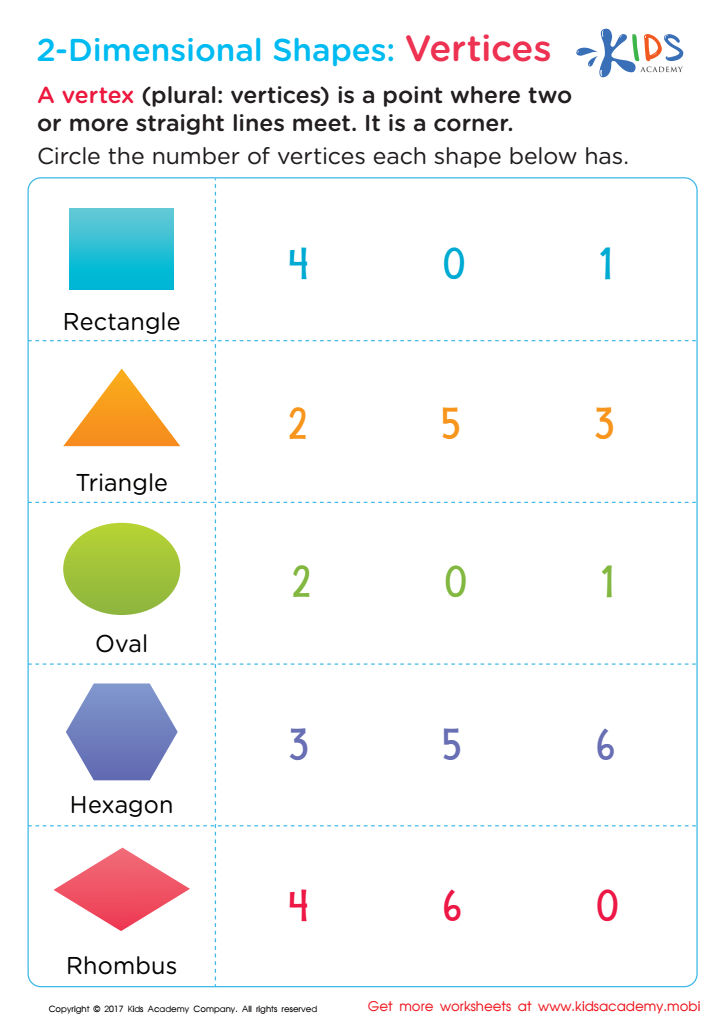
Two–Dimensional Shapes: Vertices Printable
 Assign to My Students
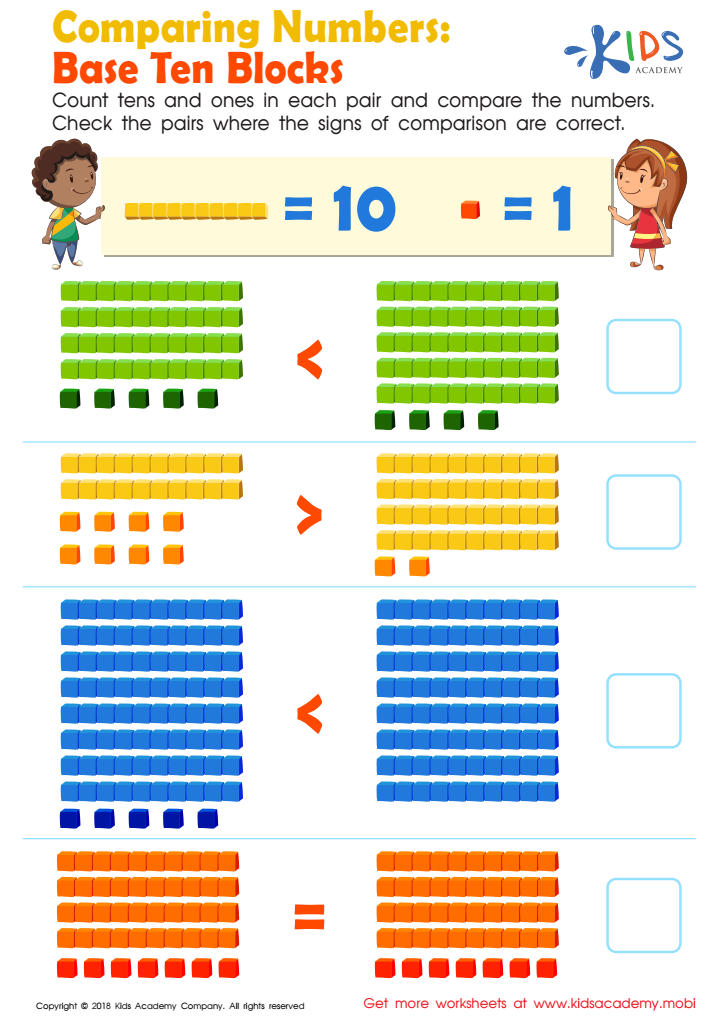
Comparing Numbers: Base Ten Blocks Worksheet
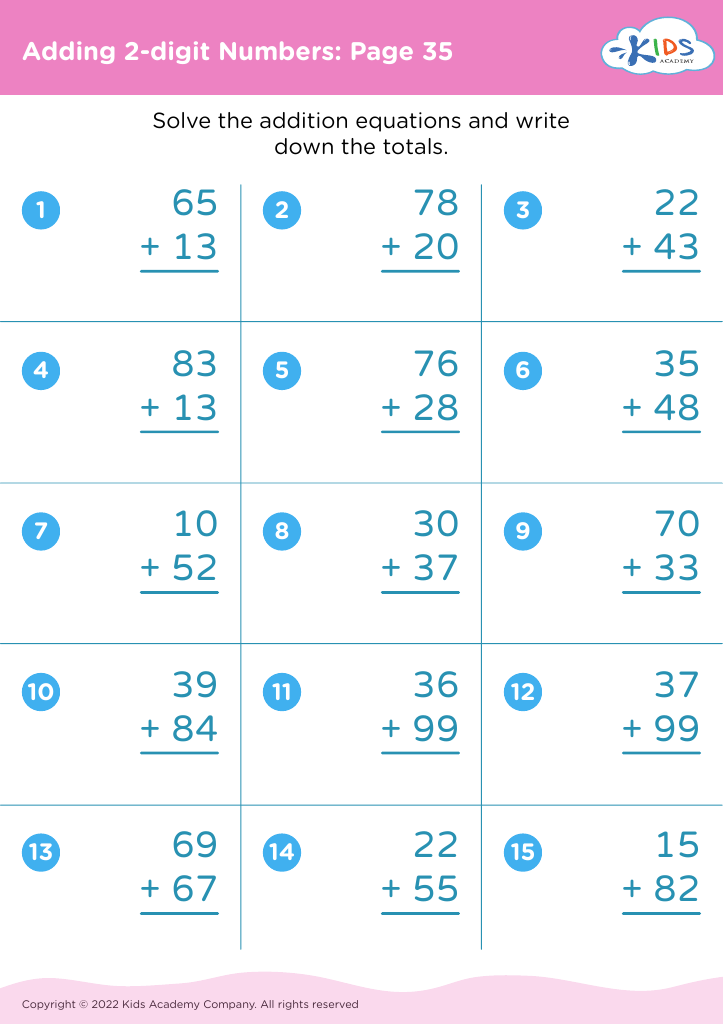





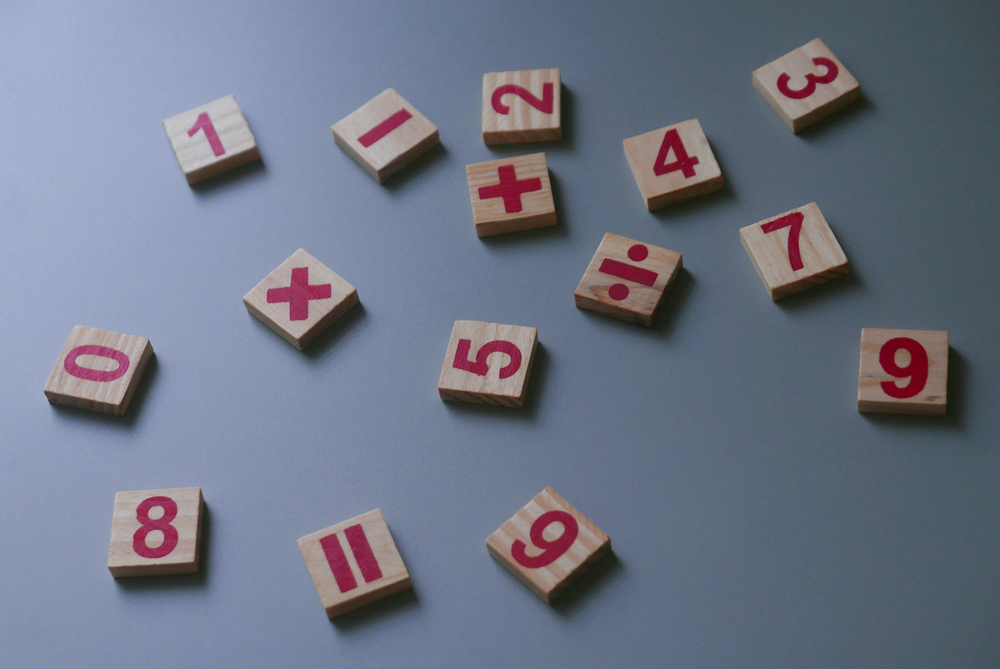
Counting skills are foundational for children aged 7-8, making them crucial for parents and teachers to focus on. At this age, children transition from simple counting to more complex mathematical concepts, such as addition, subtraction, and even introductory multiplication. Mastery of counting lays the groundwork for understanding place value, which is essential for more advanced arithmetic.
Improving counting skills also supports cognitive development and problem-solving abilities. Engaging in counting activities enhances attention span, memory, and critical thinking, fostering a positive attitude toward math. Strong counting skills promote confidence, empowering children to tackle more difficult challenges and reducing math anxiety.
Moreover, counting is useful in everyday life; children will encounter situations that require them to count and estimate quantities beyond the classroom, reinforcing the practical application's relevance. Encouraging counting through fun activities, such as games, storytelling, and real-world scenarios, strengthens connections to broader mathematical concepts.
Ultimately, parents and teachers play a vital role in nurturing these skills, as they influence children's attitudes toward mathematics and their overall academic success. Emphasizing counting improvement equips children with the necessary tools for lifelong learning and opens doors to endless opportunities in math-related fields.








