Critical thinking enhancement Math Worksheets for Ages 7-8
6 filtered results
-
From - To
Our Critical Thinking Enhancement Math Worksheets for Ages 7-8 are meticulously designed to foster analytical and problem-solving skills in young learners. Tailored for second and third graders, these engaging worksheets challenge students to think beyond standard math problems, encouraging deeper comprehension and logical reasoning. Each worksheet mixes fun and education with puzzles, word problems, and brain teasers, ensuring children remain captivated while strengthening their critical thinking abilities. Ideal for at-home practice or classroom use, these worksheets support Common Core standards and help build a strong mathematical foundation for future academic success. Let’s make math exciting and insightful!
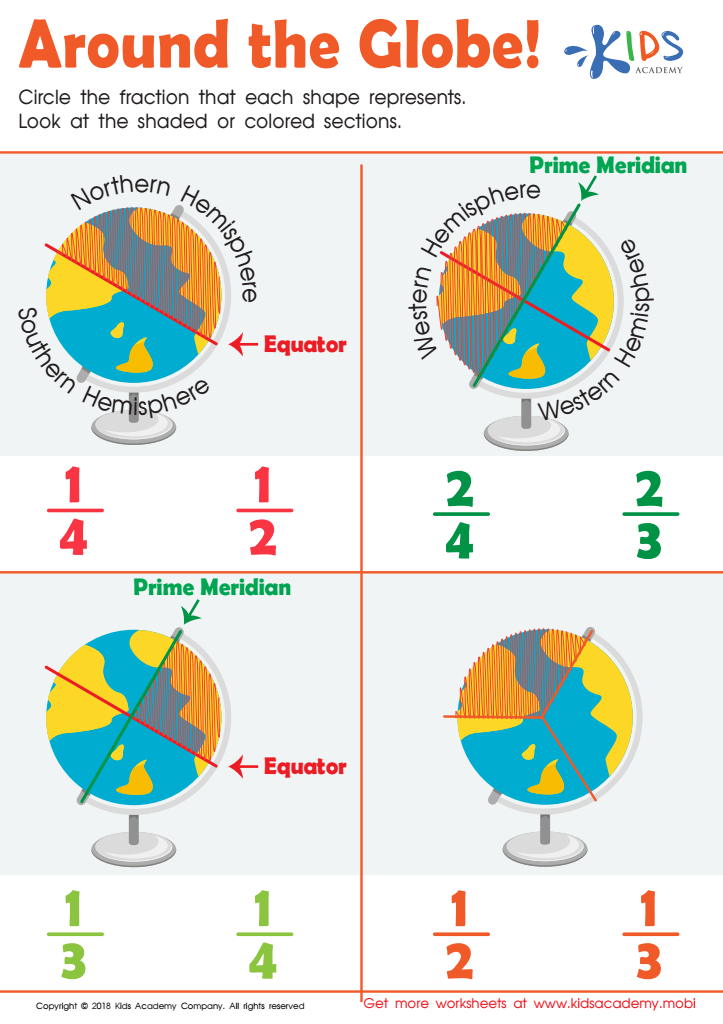
Around the Globe Worksheet
 Assign to My Students
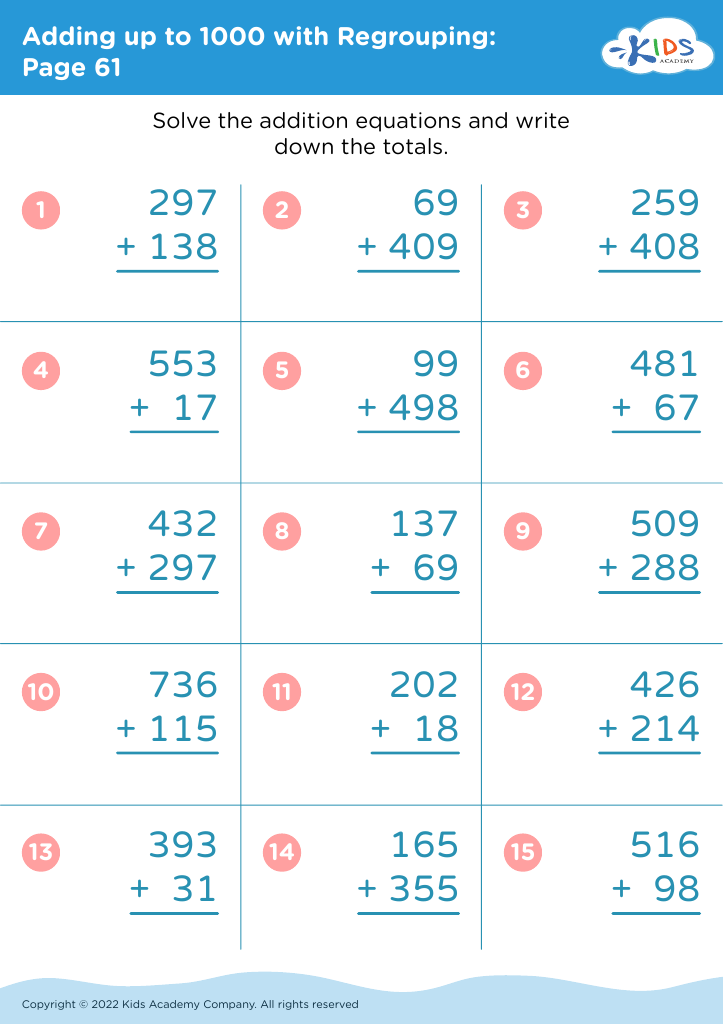
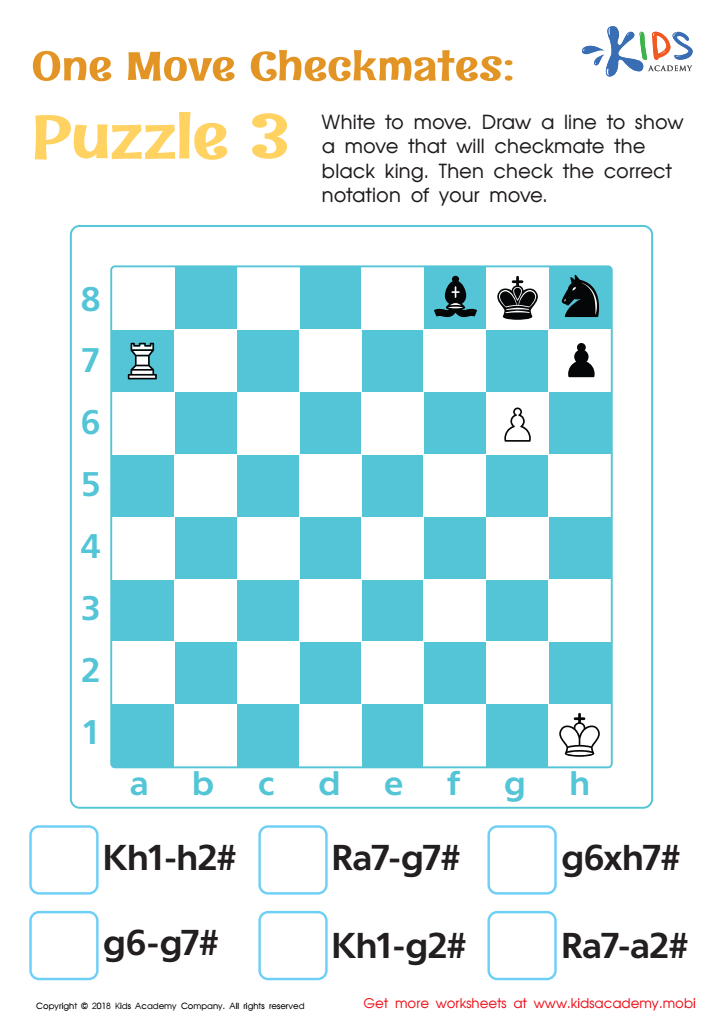
One Move Checkmates: Puzzle 3 Worksheet
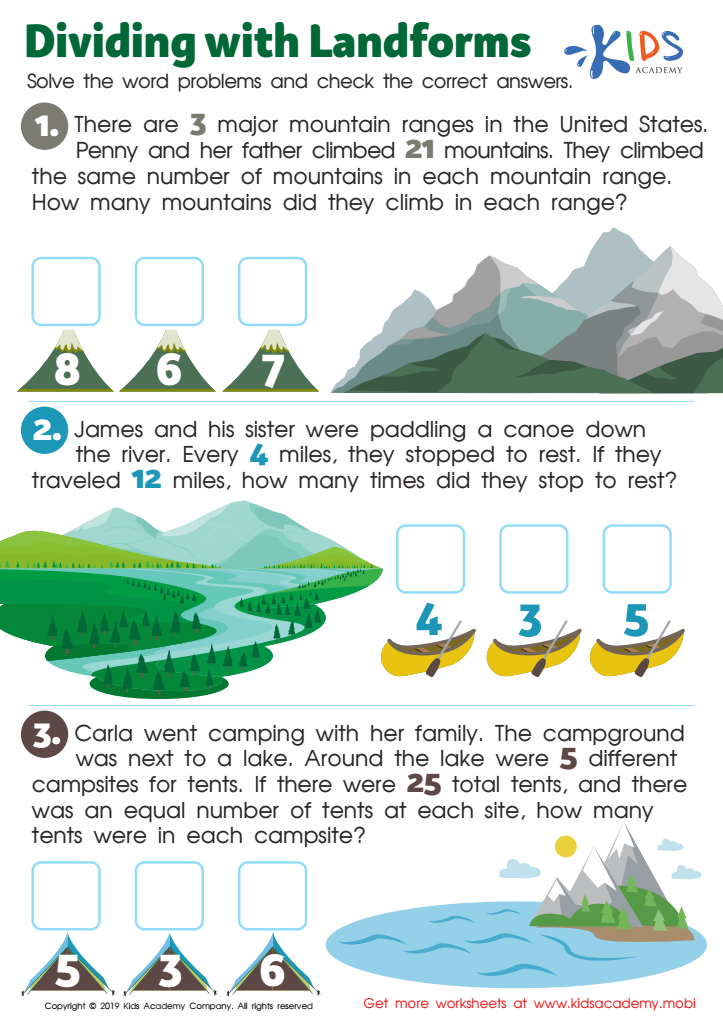
Dividing with Landforms
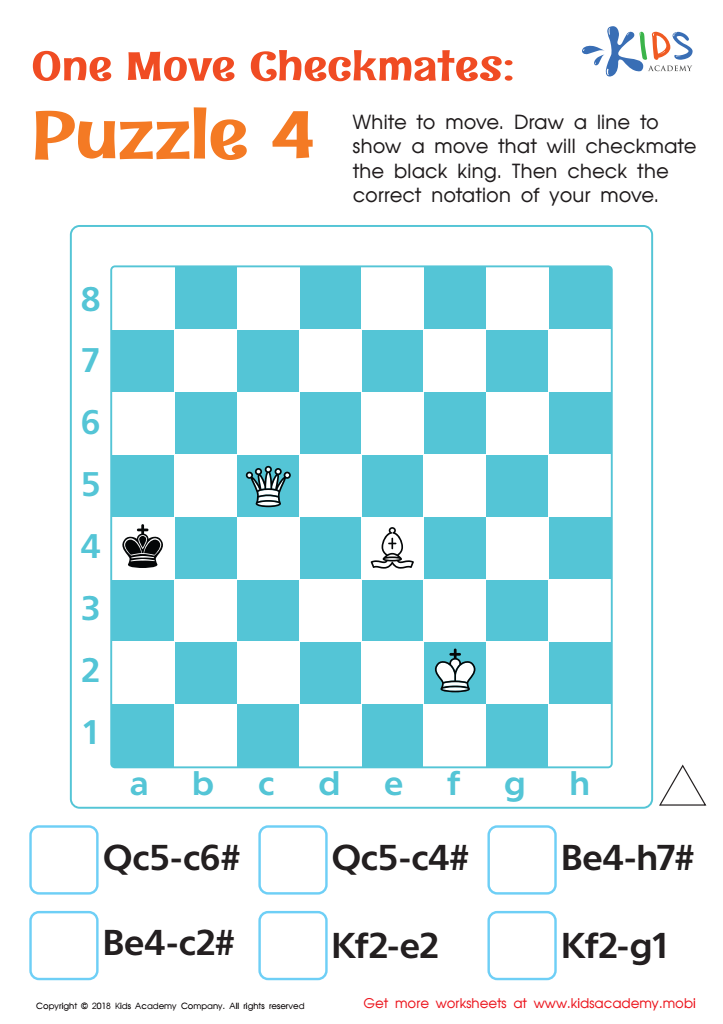
One Move Checkmates: Puzzle 4 Worksheet








Critical thinking is a vital skill that enables children to analyze facts, solve problems, and make reasoned decisions. For ages 7-8, enhancing critical thinking within math education provides a strong foundation for future learning and everyday problem-solving. Parents and teachers should prioritize this for several reasons.
Firstly, critical thinking in math helps children understand mathematical concepts deeply, rather than just memorizing procedures. When students learn to reason through problems and explore multiple solutions, they develop a genuine comprehension that facilitates advanced learning.
Secondly, these skills extend beyond math. Whether it’s making sense of data, navigating new technology, or understanding scientific principles, critical thinking prepares children to face complex situations in various academic and real-world contexts.
Moreover, fostering critical thinking encourages a growth mindset. Children learn that struggle and mistakes are part of the learning process, which builds resilience and persistence. These traits are crucial for lifelong learning and personal development.
Lastly, it cultivates independence and confidence. Junior learners become more self-sufficient in their thinking processes, which translates to greater autonomy and self-assurance in their abilities.
In essence, integrating critical thinking into math education equips young students with versatile skills that influence all areas of their lives, nurturing well-rounded individuals prepared for future challenges.








