
Develop analytical thinking Math Worksheets for Ages 7-8
3 filtered results
Difficulty Level
Grade
Age
-
From - To
Subject
Activity
Standards
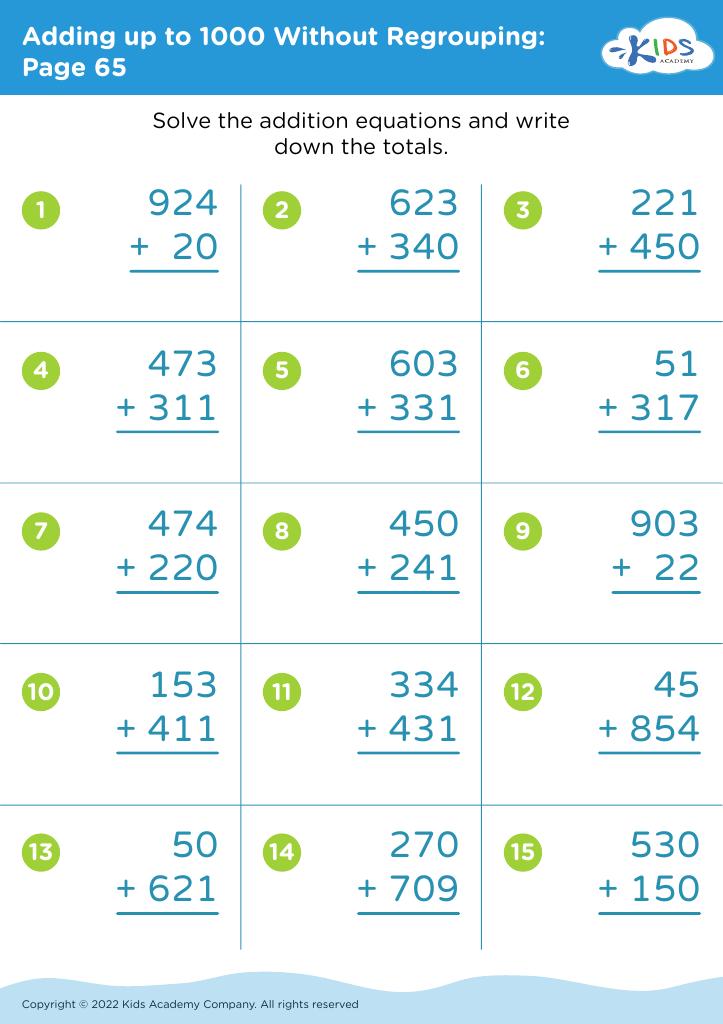
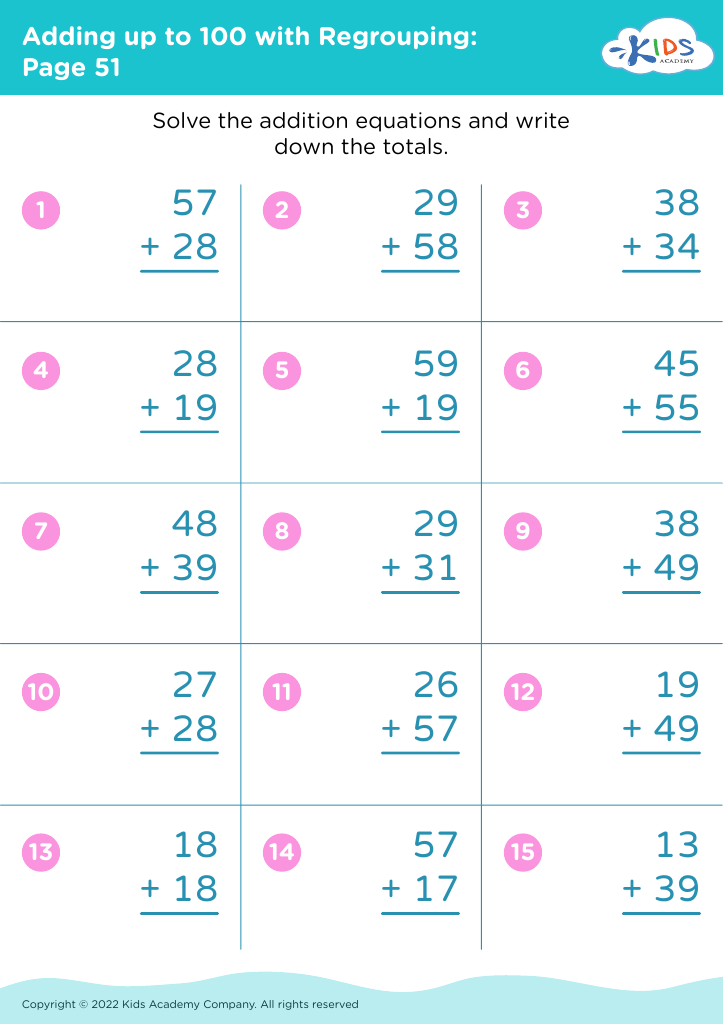
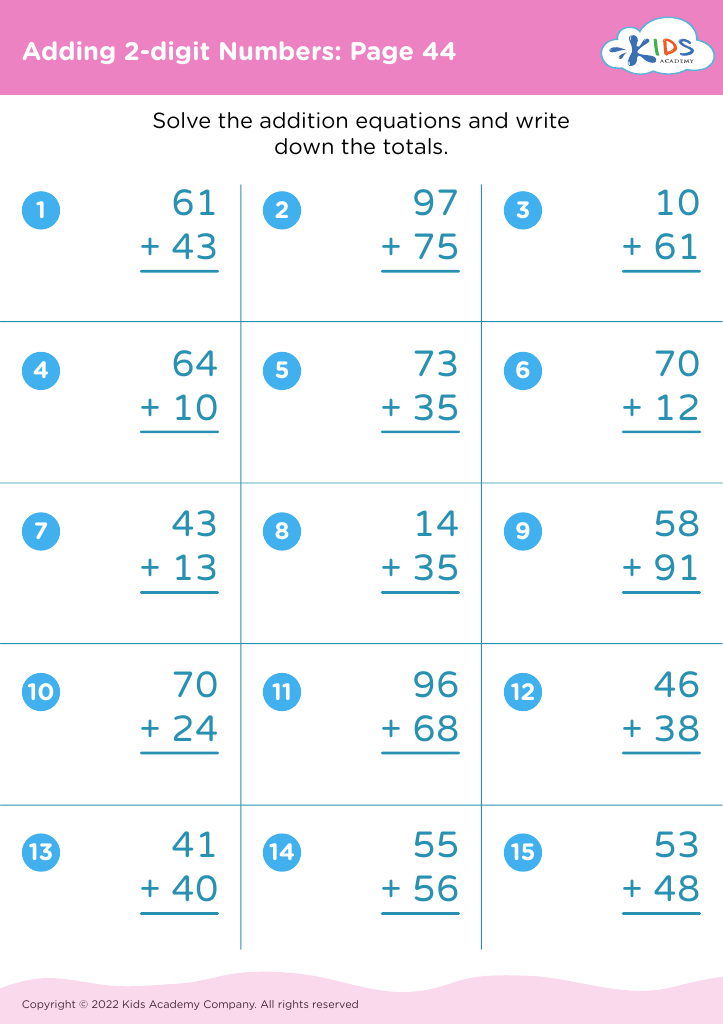
Welcome to our collection of "Develop Analytical Thinking Math Worksheets" specifically designed for children ages 7-8! These engaging worksheets are crafted to boost critical thinking skills through fun and challenging math problems. Each activity encourages kids to analyze, interpret, and solve puzzles, fostering a deep understanding of mathematical concepts. Our resources support interactive learning, helping students to approach problems methodically and improve their reasoning abilities. Ideal for classroom use or at-home practice, these worksheets are perfect for reinforcing analytical skills in a creative and enjoyable way. Explore our diverse selection and give your child the tools they need for success in math!
Favorites
With answer key
Interactive
Join Kids Academy for Free
Who is primarily going to use this learning content?







Developing analytical thinking in mathematics for ages 7-8 is crucial for several reasons. At this stage, children are laying the foundation for advanced mathematical concepts, and strong analytical skills can significantly enhance their learning journey. Analytical thinking helps children break down problems into manageable parts, making it easier for them to understand and solve complex equations or word problems.
Additionally, fostering analytical skills supports overall cognitive development. It encourages logical reasoning, critical thinking, and the ability to evaluate different approaches to a problem. This not only benefits math but also translates to other subjects, promoting a more holistic educational experience.
Furthermore, as society increasingly values data literacy and problem-solving abilities, nurturing analytical thinking prepares children for future academic challenges and career opportunities. Teachers and parents play a critical role in creating an environment that values curiosity and exploration, allowing children to practice these skills in a supportive setting.
Investing in analytical math skills at this young age sets the stage for lifelong learning and resilience in the face of challenges, instilling confidence that will empower children as they encounter increasingly sophisticated concepts in the future. Ultimately, it equips them with tools they need to navigate both academic and real-world situations effectively.








