Develop logical thinking Math Worksheets for Ages 7-8
9 filtered results
-
From - To
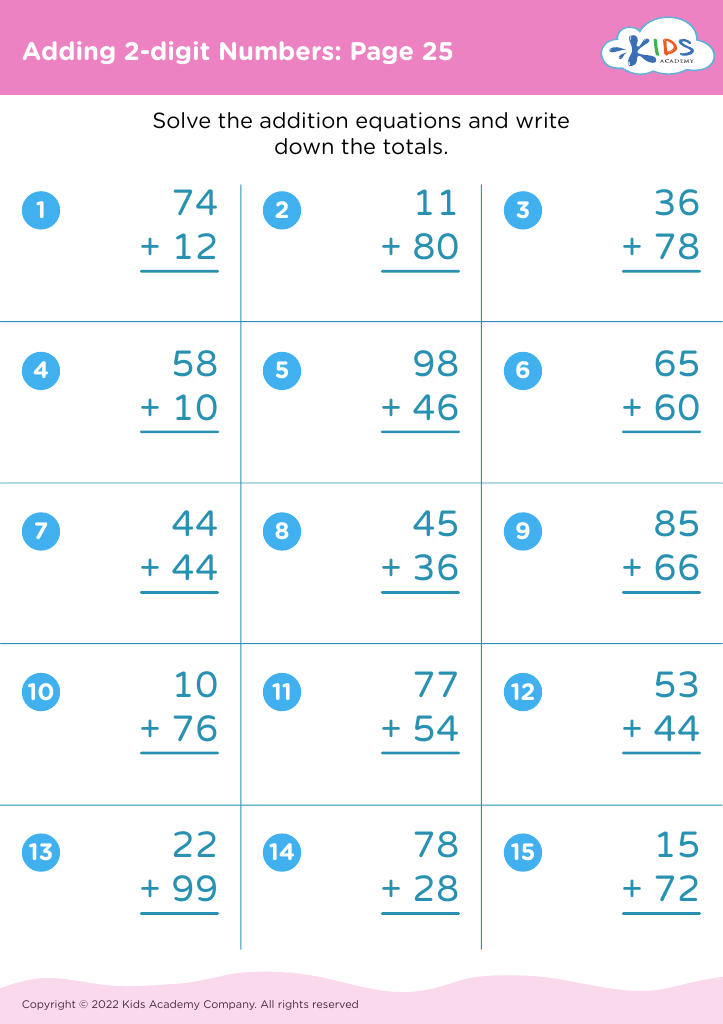
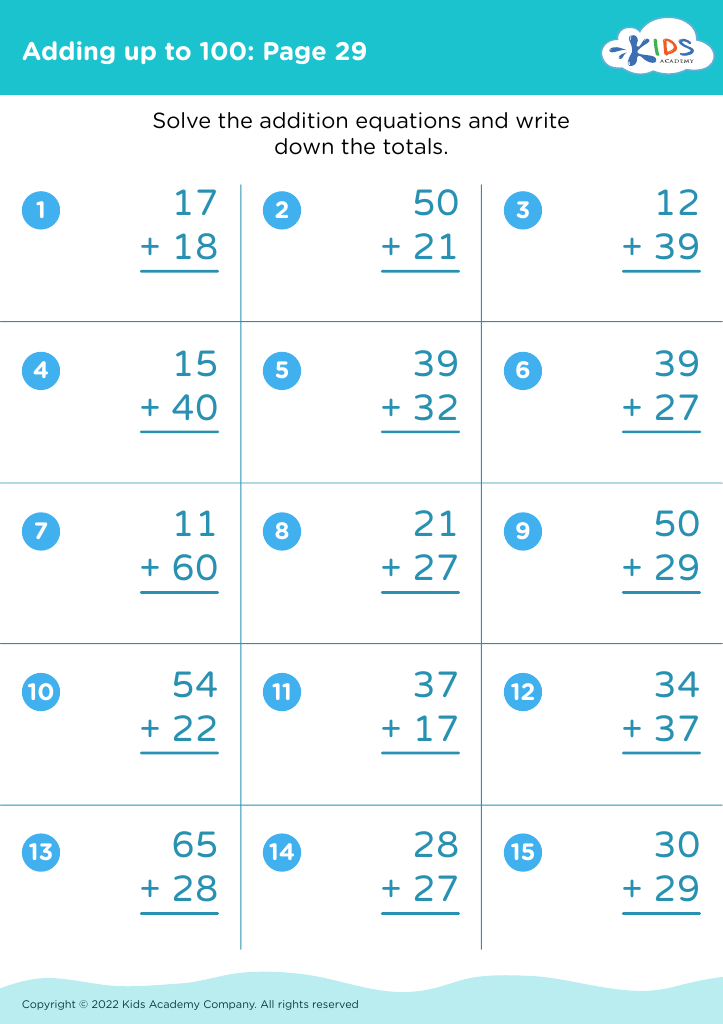
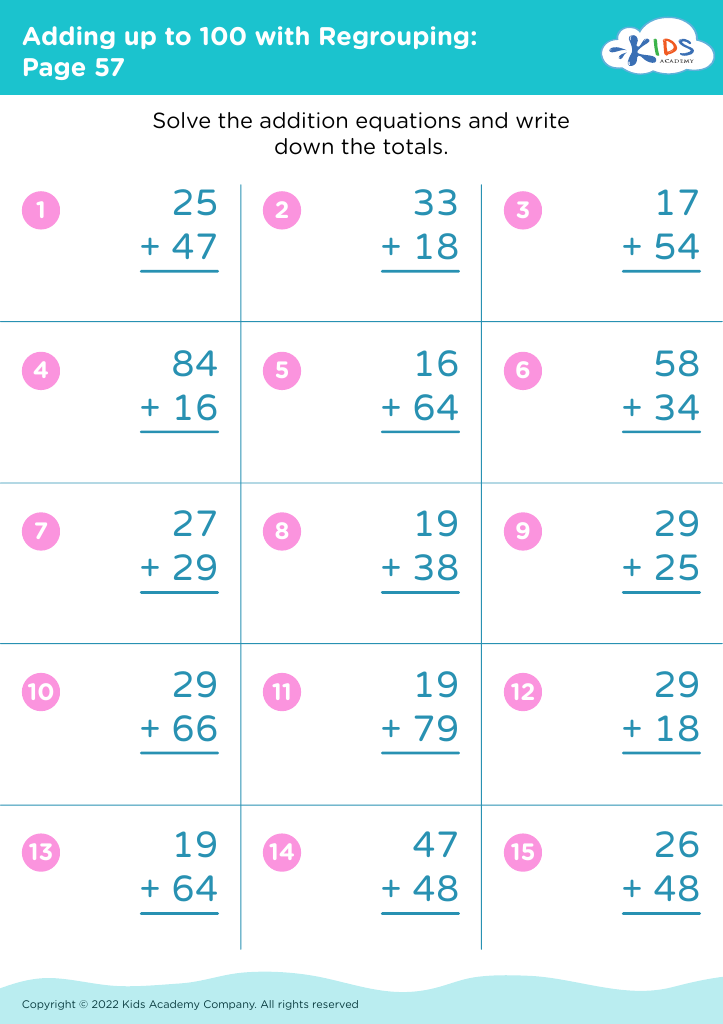
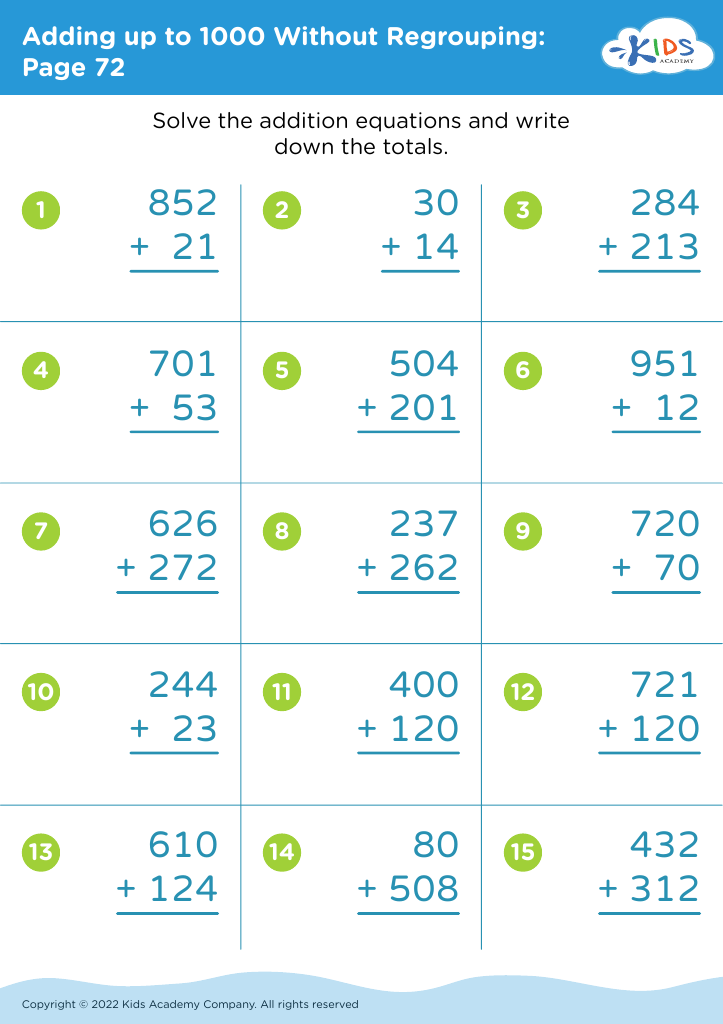
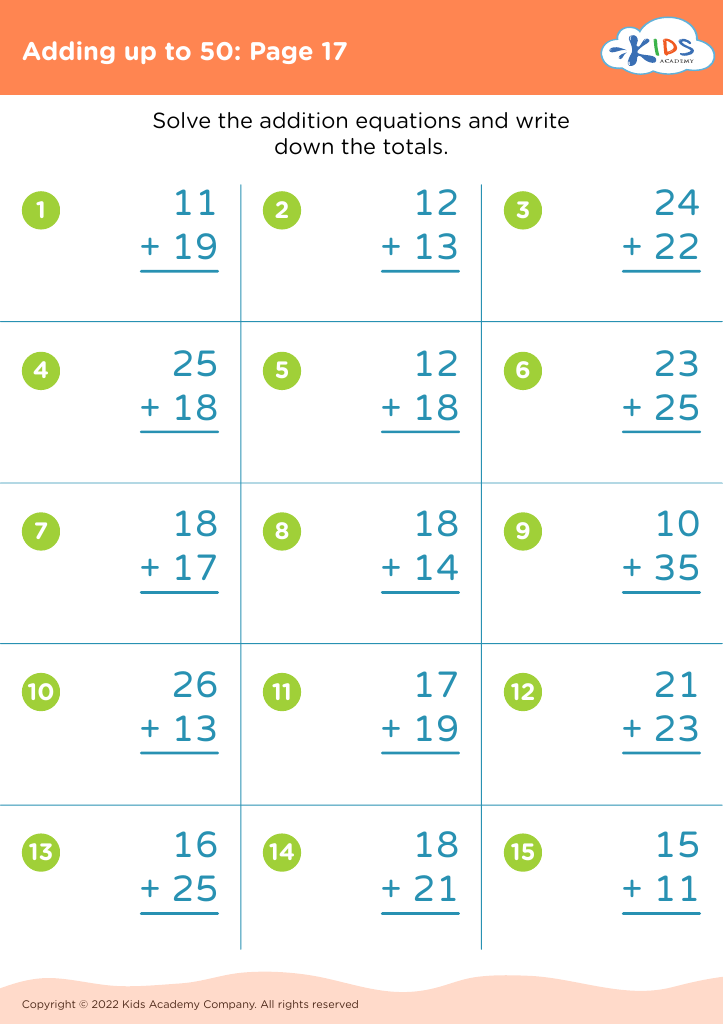
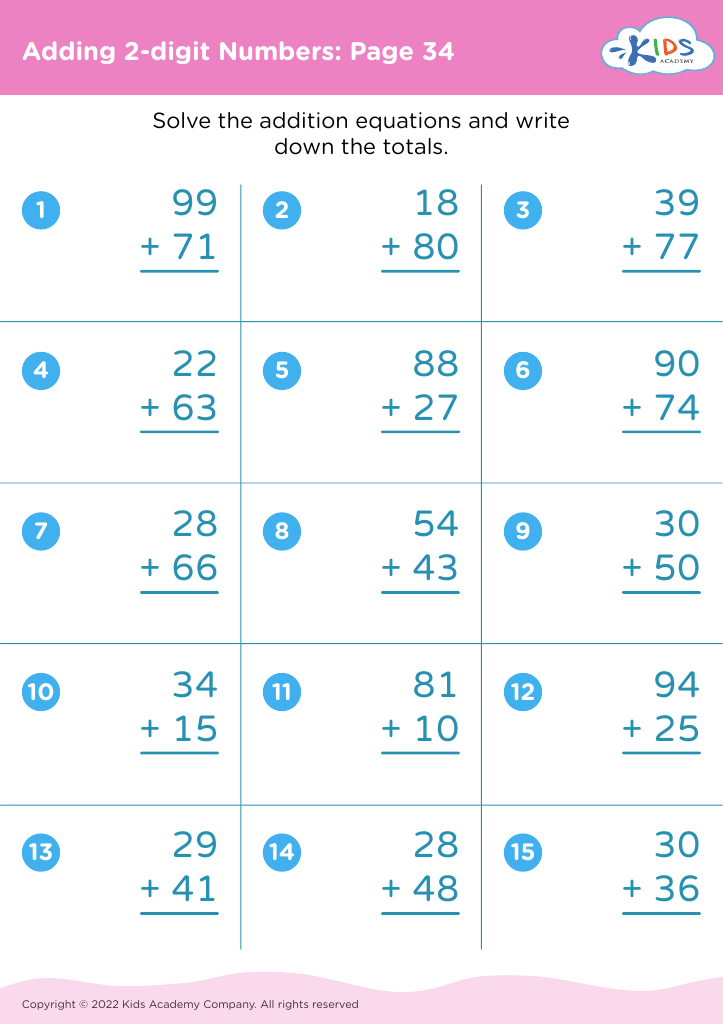
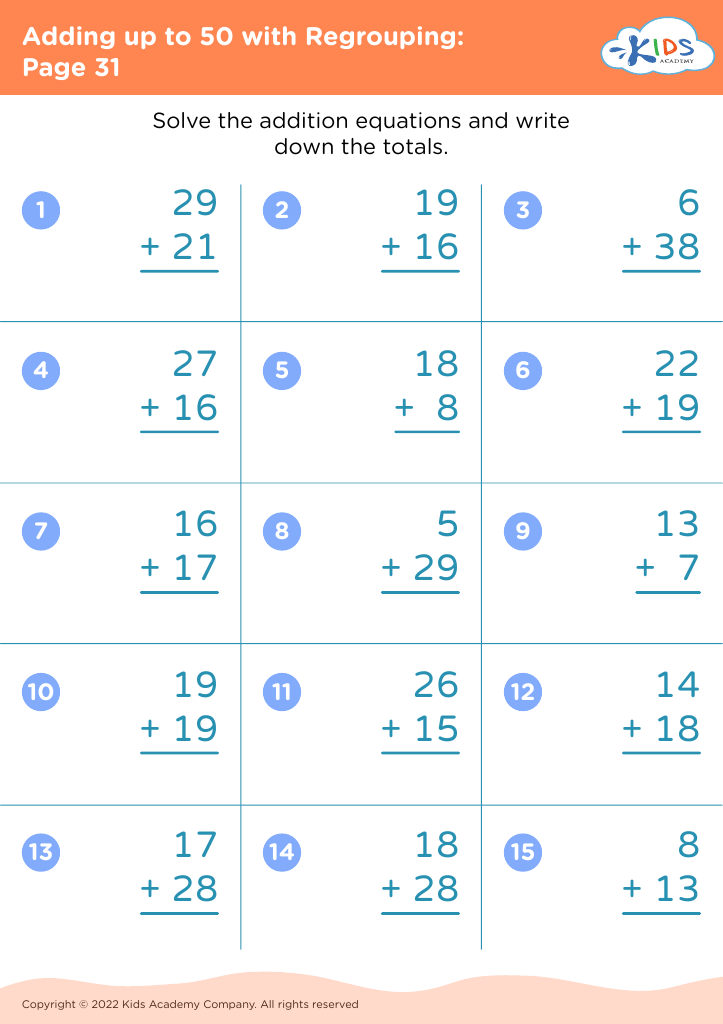
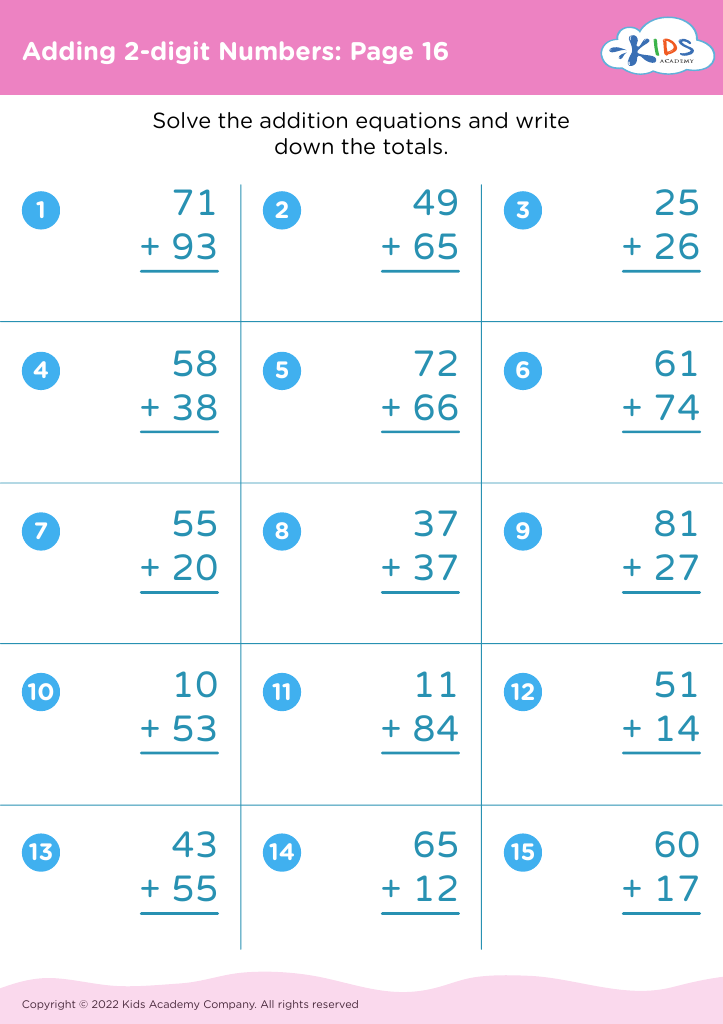
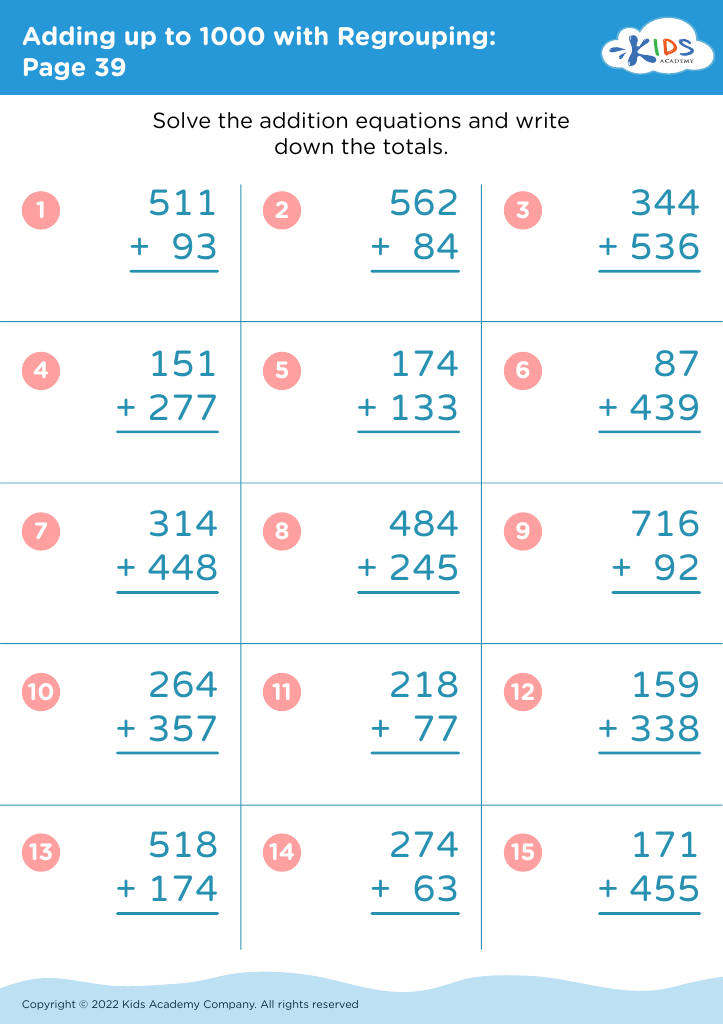
Enhance your child's reasoning skills with our engaging logical thinking math worksheets, specifically designed for ages 7-8! These worksheets provide a fun and interactive way to develop critical thinking abilities through puzzles, problem-solving tasks, and pattern recognition exercises. By stimulating young minds, our worksheets encourage independent thinking and boost confidence in math problem-solving. Perfect for homeschooling or supplementary practice, they can easily be printed at home for convenience. Explore diverse topics such as sequences, classifications, and logical reasoning puzzles that challenge and motivate students. Dive into the world of logic and math—unlock your child's potential today!



.jpg)
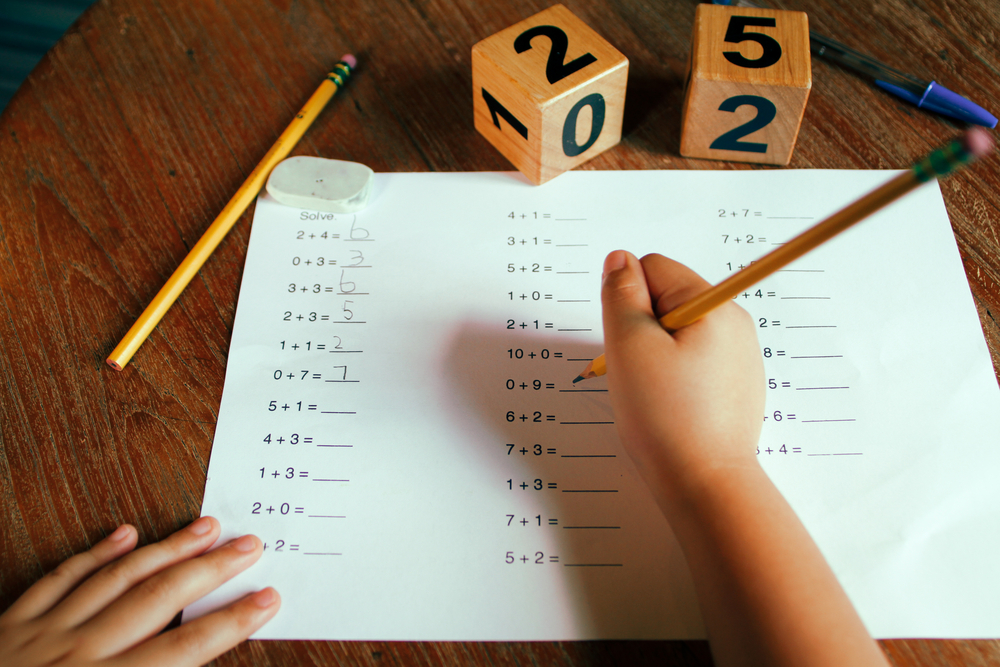



Developing logical thinking through math for children aged 7-8 is crucial for several reasons. At this age, children start transitioning from concrete to more abstract forms of reasoning, laying a strong foundation for critical thinking skills that will benefit them throughout their academic journey and beyond. Logical thinking is essential not just for solving math problems but also for everyday decision-making.
Parents and teachers should recognize that fostering logical reasoning enhances children's ability to identify patterns, make connections, and draw conclusions. Engaging students in mathematical concepts like categorization, sequencing, and problem-solving activities enables them to think analytically and creatively. It encourages a growth mindset; when children learn to approach challenges with logical reasoning—including trial and error—they build resilience and confidence in tackling difficult situations.
Furthermore, strong logical thinking skills are integral to STEM education, which is increasingly important in our technology-driven society. Developing these skills early can spark an interest in science, technology, engineering, and mathematics careers. By prioritizing logical thinking in math education, parents, and teachers empower children with tools necessary for lifelong learning and success, equipping them for future challenges in both academic and real-world contexts.








