Enhance Vocabulary Math Worksheets for Ages 7-8
4 filtered results
-
From - To
Discover our "Enhance Vocabulary Math Worksheets for Ages 7-8," designed to strengthen both math and language skills. These engaging, printable worksheets from Kids Academy seamlessly blend fun activities with educational concepts, promoting better comprehension and problem-solving abilities. Perfect for young learners, each worksheet introduces math vocabulary in context, boosting understanding while instilling confidence. Through puzzles, word problems, and interactive tasks, children not only grasp math terms but also expand their reading and writing skills. Ideal for classroom support or extra practice at home, our worksheets pave the way for academic success and make learning enjoyable.
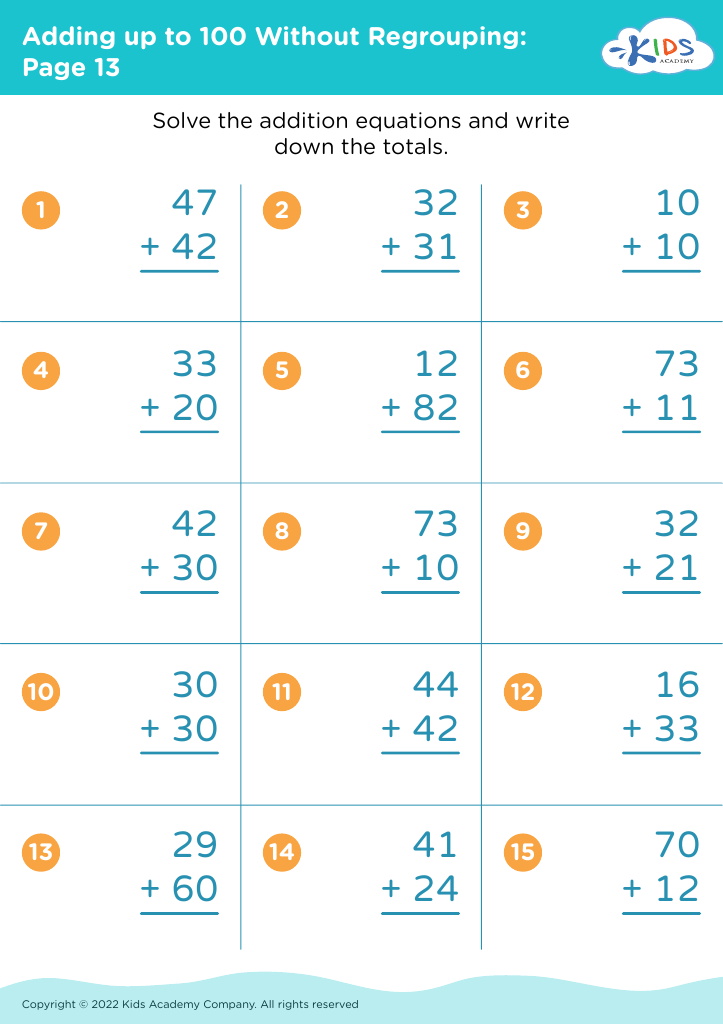
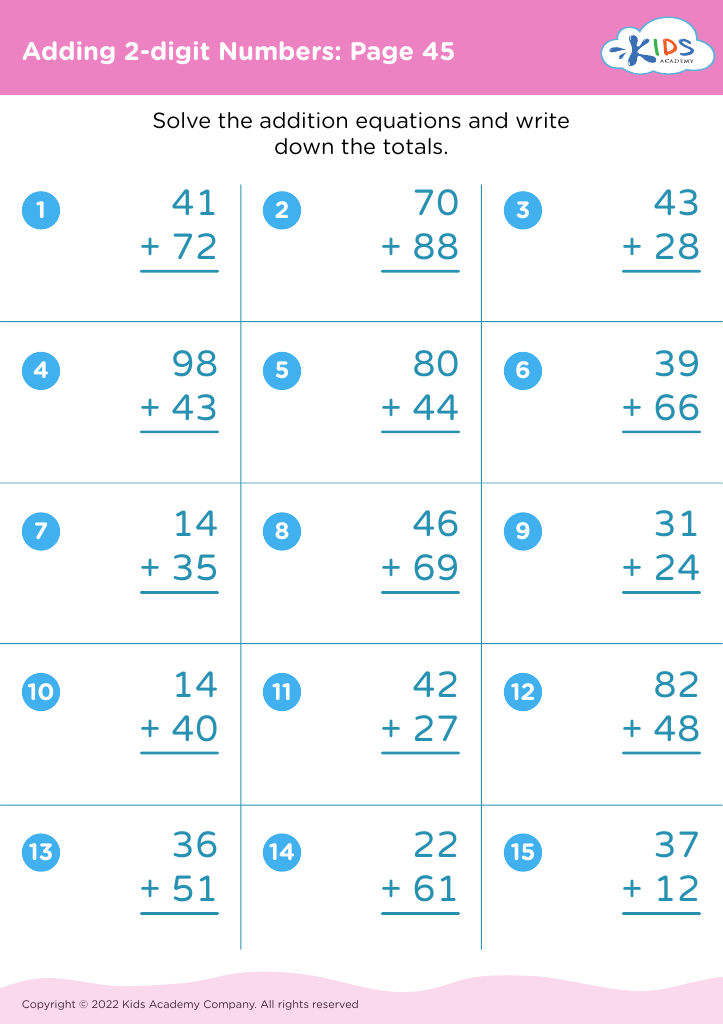
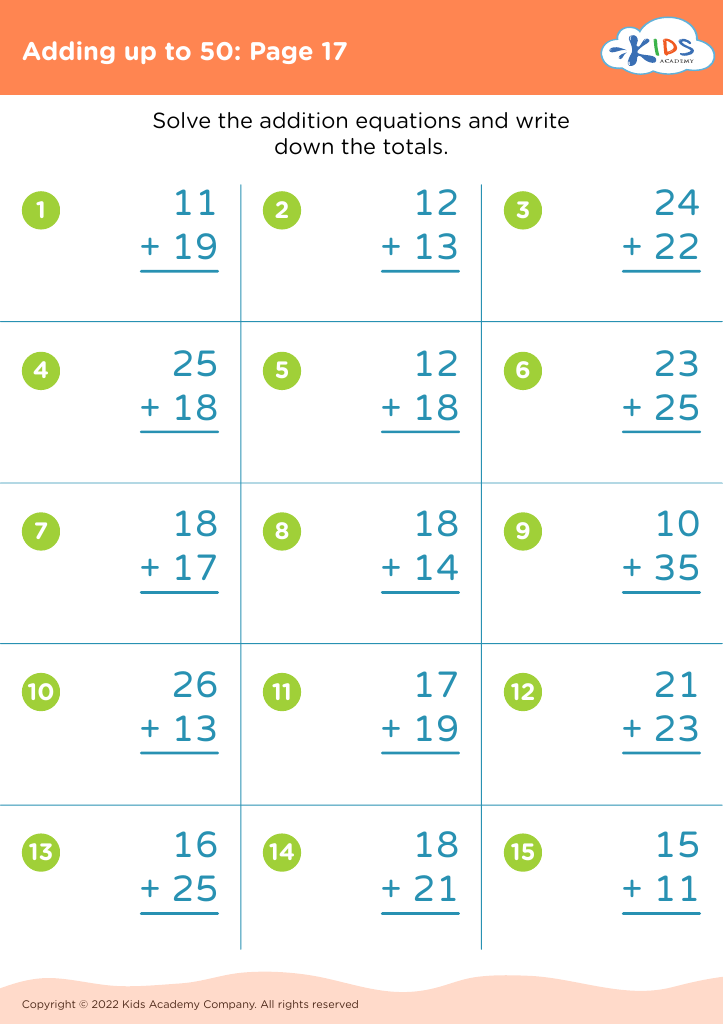
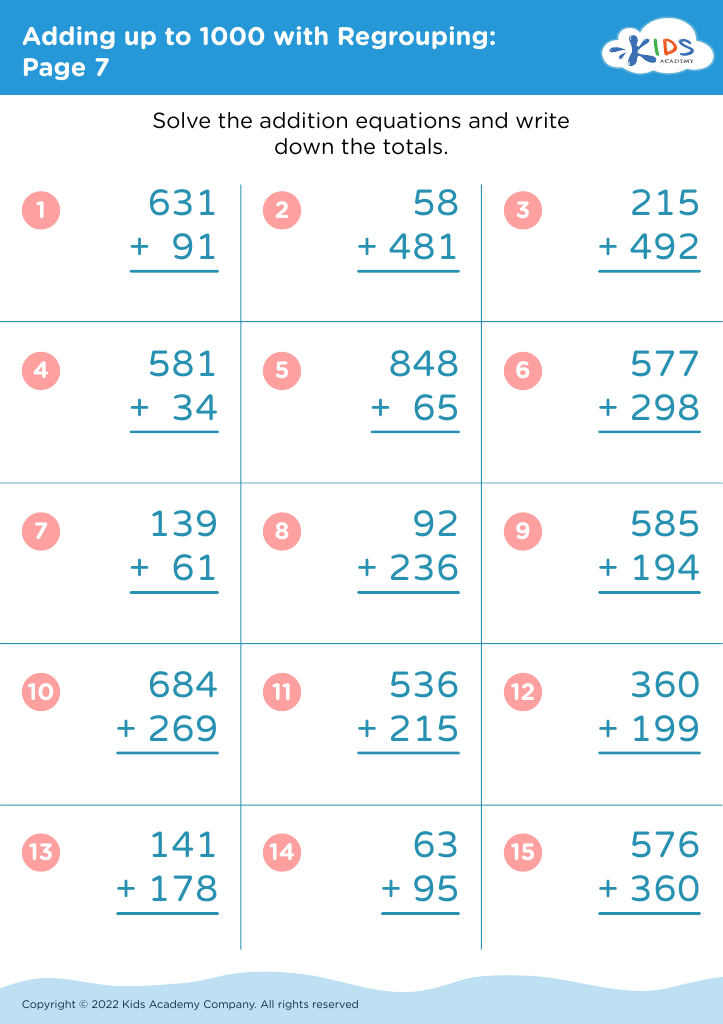








Enhancing vocabulary in math for children aged 7-8 is crucial for several reasons. At this formative stage, building a strong mathematical vocabulary lays the foundation for future academic success. Understanding math-specific terms like "sum," "difference," "equal," and "subtract" enables students to grasp concepts more easily and follow instructions precisely, which facilitates effective learning.
Mathematical vocabulary also supports cognitive development by enhancing problem-solving skills. When children understand the language of math, they are better equipped to decode word problems, articulate their reasoning, and explain their thought processes. This not only boosts their confidence but also improves critical thinking and communication skills, which are essential across all subjects.
Moreover, a well-developed math vocabulary allows for greater engagement in the classroom. Children who can fluently use mathematical terms are more likely to participate in discussions, collaborate on projects, and seek help when needed. This active engagement fosters a positive attitude towards learning and instills a lifelong love for mathematics.
Lastly, early proficiency in math vocabulary can reduce math anxiety. When children feel competent and understand what is being asked, they are less likely to become frustrated and more likely to enjoy the learning process. As a result, parents and teachers can provide better support, helping children to excel academically and develop a solid foundation for future mathematical learning.








