Handwriting Skills Math Worksheets for Ages 7-8
3 filtered results
-
From - To
Discover engaging Handwriting Skills Math Worksheets designed specifically for children aged 7-8! These worksheets combine the essential elements of math practice with handwriting exercises, encouraging young learners to develop their fine motor skills and boost their confidence in writing numbers and math terms. Featuring fun illustrations and clear instructions, these resources help children strengthen their handwriting while mastering key math concepts. Ideal for at-home practice or classroom activities, our worksheets make learning enjoyable and effective. Empower your child with the tools they need to succeed in math and handwriting, setting the foundation for a bright academic future!
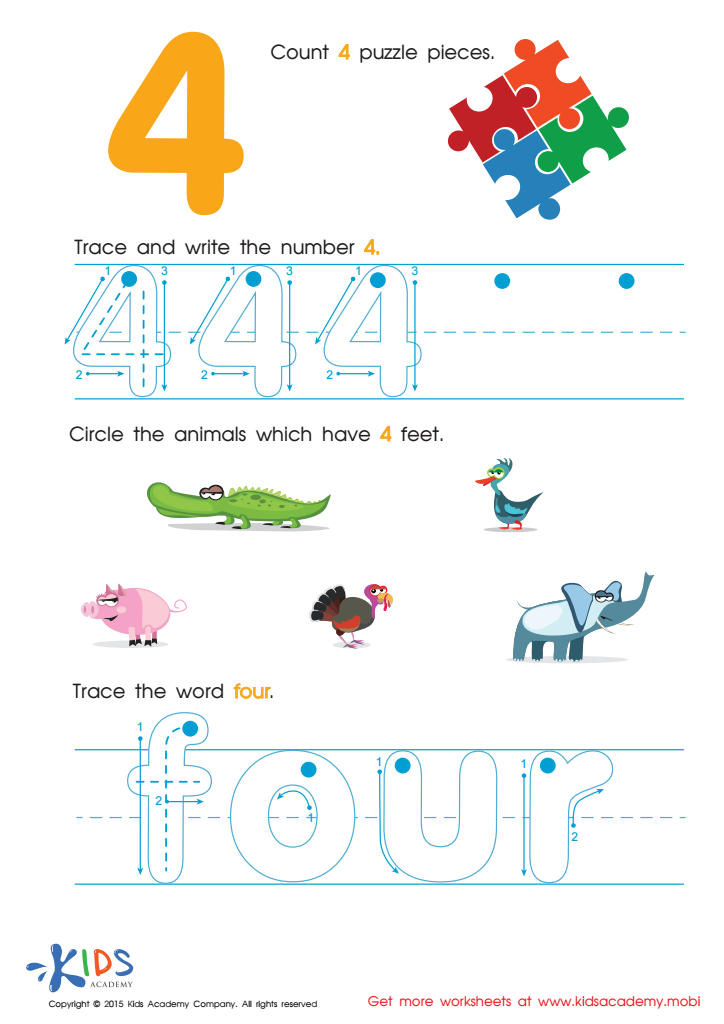
Teaching Children to Write Number 4 Worksheet
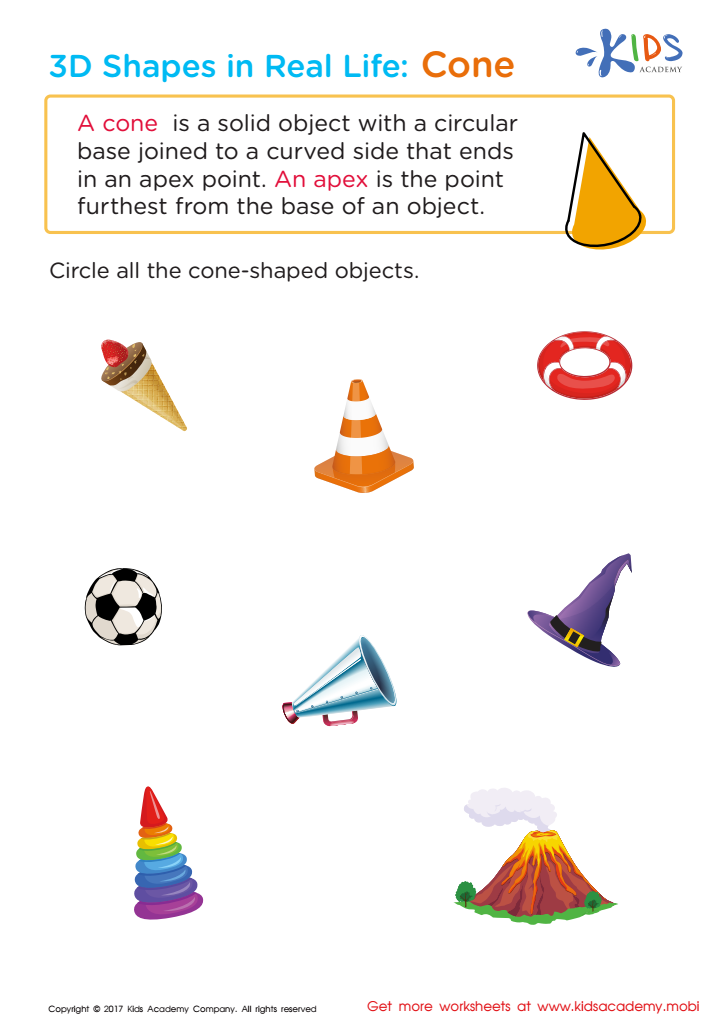
Shapes in Real Life: Cone Worksheet
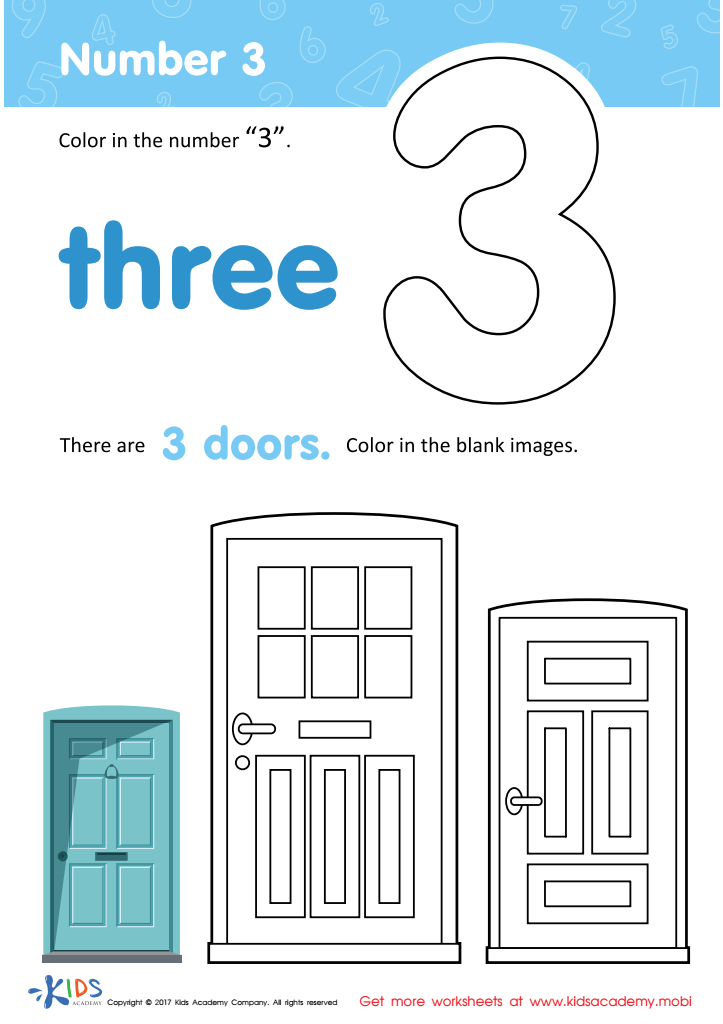
Number 3 Worksheet
 Assign to My Students







Handwriting skills play a crucial role in a child's overall development, particularly for students aged 7-8, who are often solidifying foundational learning in various subjects, including math. As children engage in mathematics, clear and legible handwriting allows them to efficiently record calculations, write equations, and communicate their thought processes. This clarity reduces ambiguity, enabling both teachers and parents to better understand and assess a child's problem-solving strategies and mathematical reasoning.
Moreover, developing handwriting skills can enhance fine motor skills and coordination, essential for other academic and life tasks. At this age, children often transition from printing to more advanced forms of handwriting, which often requires significant guided practice. A good grasp of handwriting can also build a child’s confidence, reflecting their capabilities in mathematics and other subjects.
Additionally, when children can express math concepts clearly in writing, they are better prepared for collaborative work and verbal explanations. This fosters a deeper understanding of mathematics, promoting a positive attitude toward learning. Consequently, parents and teachers should prioritize handwriting skills as part of a comprehensive approach to education, ensuring that students not only achieve academic success but also develop essential life skills necessary for future endeavors.








