
Improve problem-solving Math Worksheets for Ages 7-8
4 filtered results
Difficulty Level
Grade
Age
-
From - To
Subject
Activity
Standards
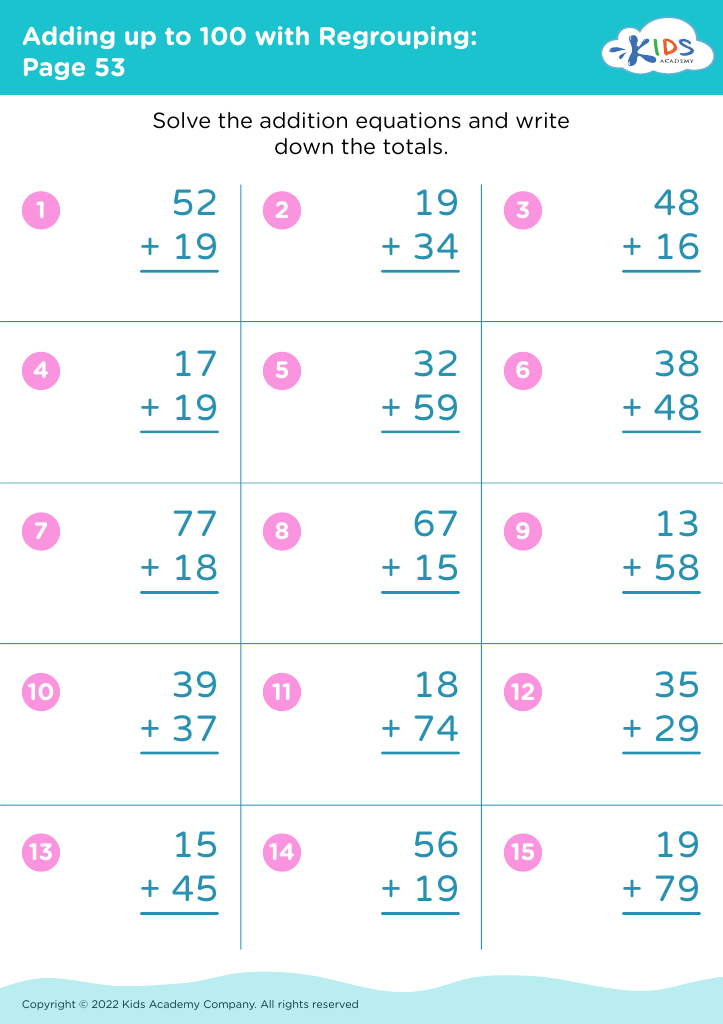
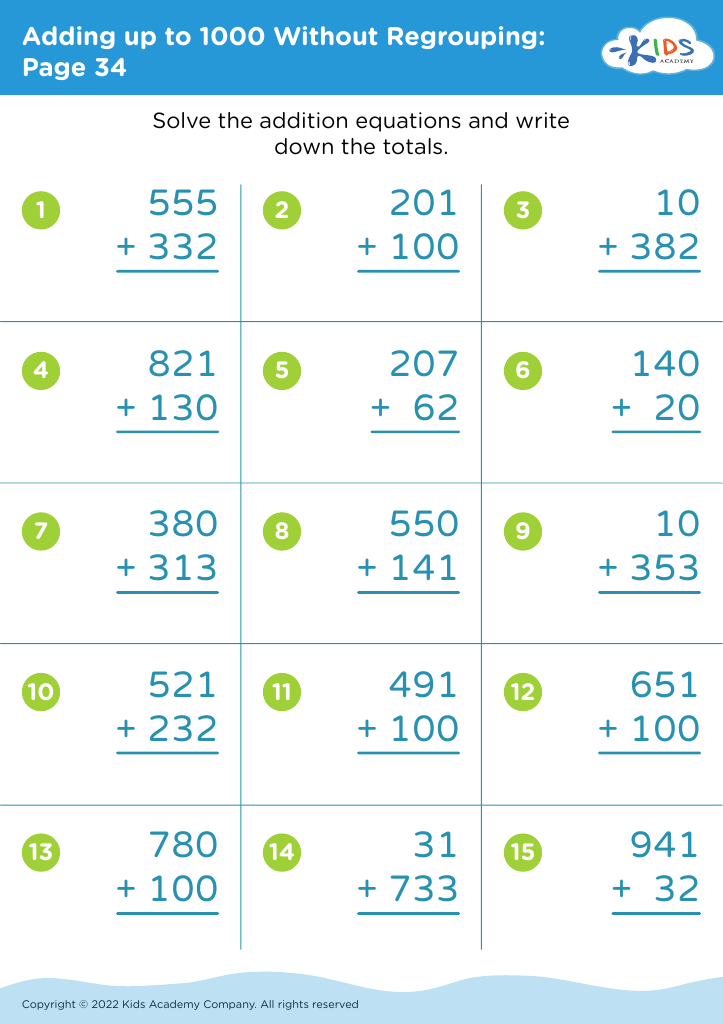
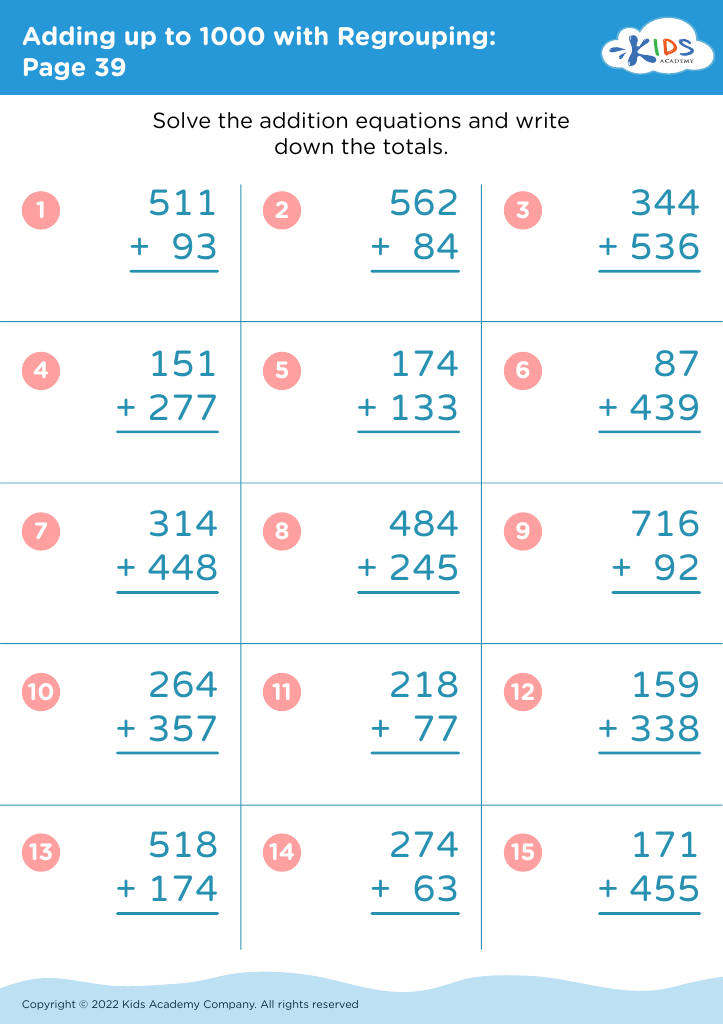
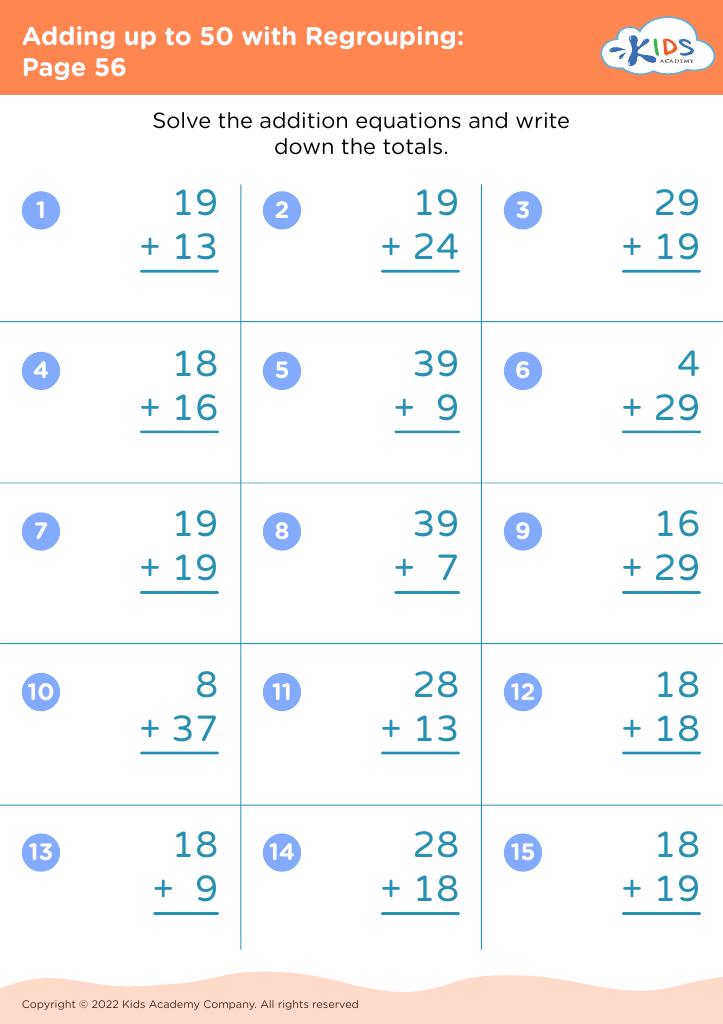
Unlock your child's mathematical potential with our engaging problem-solving math worksheets, perfect for ages 7-8. Our expertly crafted activities foster critical thinking and enhance problem-solving skills through practical and challenging tasks. Each worksheet is designed to captivate young minds, encouraging independent learning while building a solid foundation in essential math concepts. With varied exercises covering addition, subtraction, multiplication, and division, Kids Academy worksheets make math practice enjoyable and fruitful. Equip your child with the tools they need to confidently tackle math problems and succeed in their academic journey. Start improving their skills today with our fun and educational resources!
Favorites
With answer key
Interactive
Join Kids Academy for Free
Who is primarily going to use this learning content?








Improving problem-solving skills in math for children aged 7-8 is crucial for several reasons. First, at this developmental stage, children are building foundational cognitive skills that influence their future learning experiences. Developing strong problem-solving abilities in math promotes critical thinking, logical reasoning, and the ability to approach complex problems with a structured mindset. This foundation is essential as it extends beyond math, aiding in various academic subjects and everyday life scenarios.
Second, early competence in math has been linked to higher academic achievement later on. When children grasp problem-solving techniques early, they build confidence and a positive attitude towards math, reducing anxiety and fostering a love for the subject. Confidence in their math abilities encourages persistence and resilience, traits that are beneficial not just academically but also in personal and social contexts.
Lastly, math problem-solving in early education contributes to better adaptability in an increasingly complex and tech-driven world. As they grow, these children will encounter situations requiring analytical skills and innovative thinking. By giving them a solid problem-solving foundation now, parents and teachers are preparing them to navigate future challenges with agility and confidence. Therefore, investing in improving math problem-solving skills early on is undeniably impactful on a child’s long-term success and overall development.








