Mathematics skills Math Worksheets for Ages 7-8
3 filtered results
-
From - To
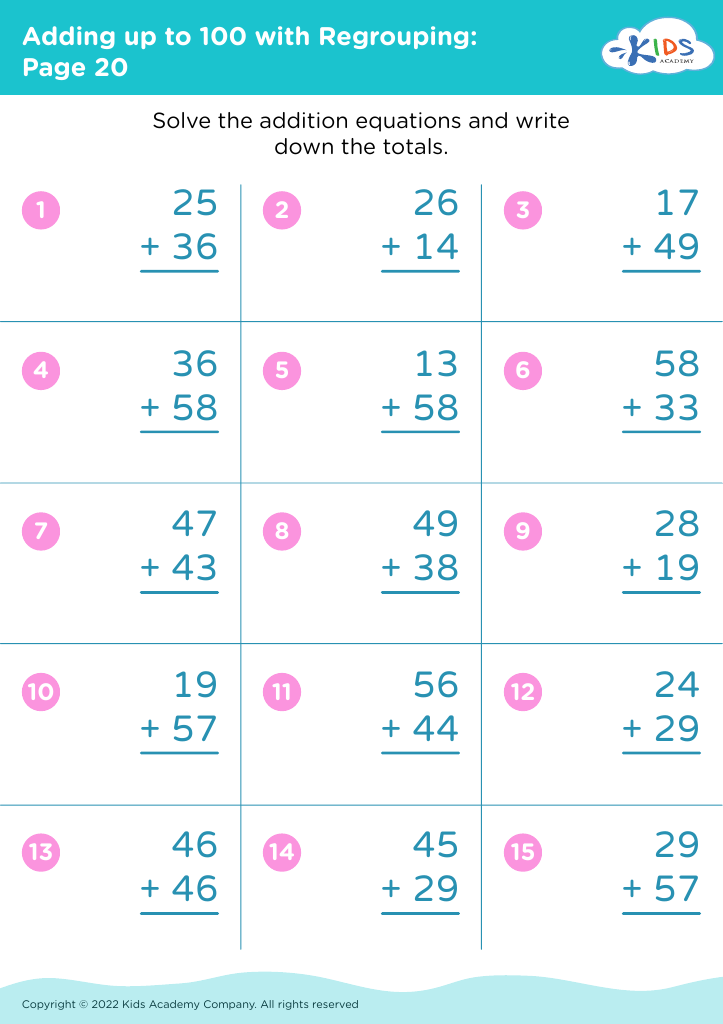
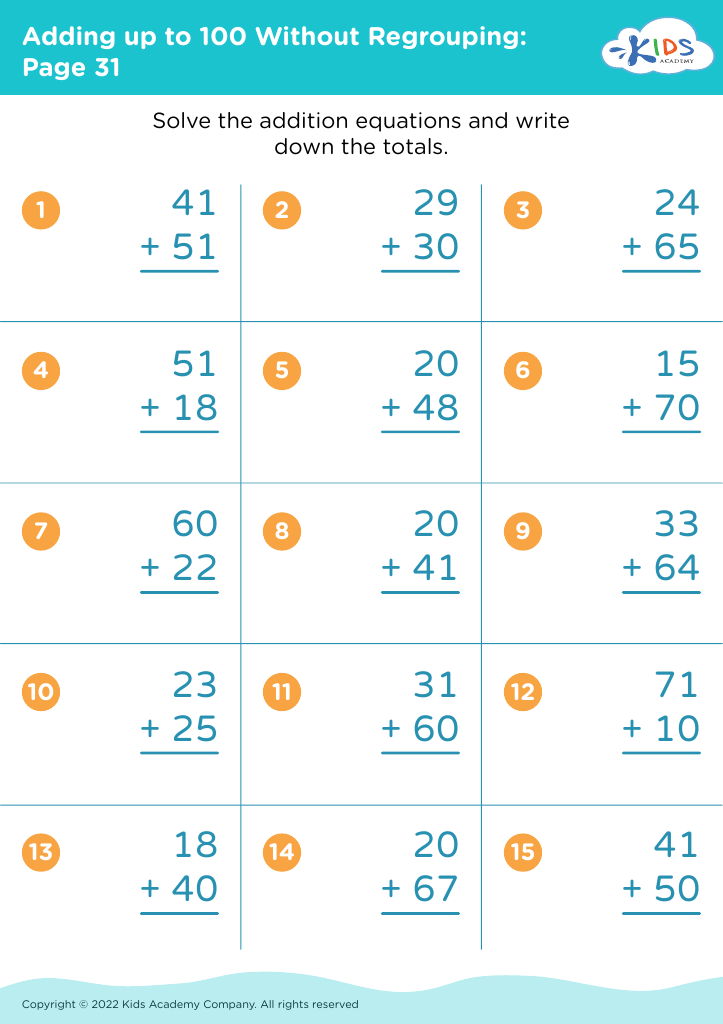
Discover engaging Mathematics Skills Worksheets designed for children aged 7-8 at Kids Academy! Our collection features interactive and colorful resources that facilitate the learning of essential math concepts, including addition, subtraction, multiplication, and division. Tailored to captivate young learners, these worksheets promote critical thinking and problem-solving skills while aligning with educational standards. Whether used at home or in the classroom, our printable math materials make learning enjoyable and effective. Enhance your child's math proficiency today with our carefully crafted worksheets that support lifelong learning and foster a love for math! Start exploring and watch your child's confidence grow!
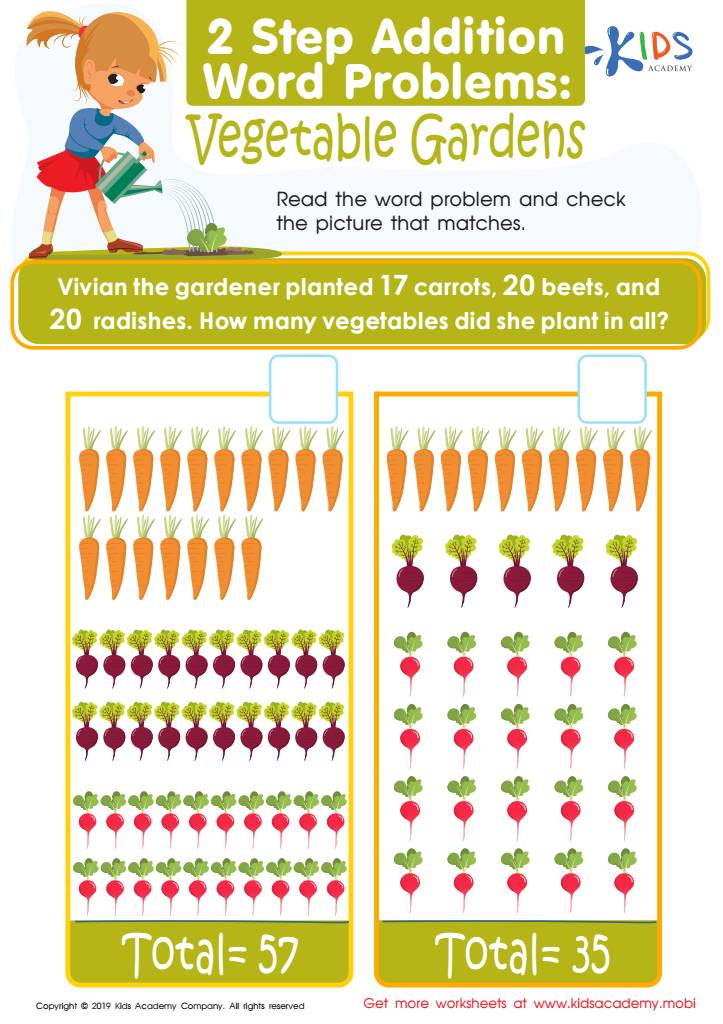
Vegetable Gardens Worksheet
 Assign to My Students








Mathematics skills for ages 7-8 are crucial for a child's development and future learning. At this age, children are transitioning from basic arithmetic to more complex concepts such as addition, subtraction, multiplication, and early division. Fostering strong math skills during this pivotal period lays the foundation for critical thinking and problem-solving abilities.
Mathematics is not only essential for academic success; it is also interconnected with everyday life. Children start applying math concepts in real-world situations, such as managing money, measuring ingredients in cooking, or understanding time, which enhances their independence and confidence.
Moreover, proficiency in math during these formative years increases a child’s self-esteem and reduces math anxiety, enabling them to approach challenges with a positive mindset. Engaging parents and teachers in the learning process encourages a supportive environment that promotes curiosity and a love for learning.
Research shows that early math skills are strong predictors of later academic success. If parents and teachers invest time in nurturing these skills, they empower children with tools that will serve them well throughout their life, ultimately promoting a more equipped and capable generation. Prioritizing math education at this age is investing in a child’s bright future.








