Motor skills development Math Worksheets for Ages 7-8
5 filtered results
-
From - To
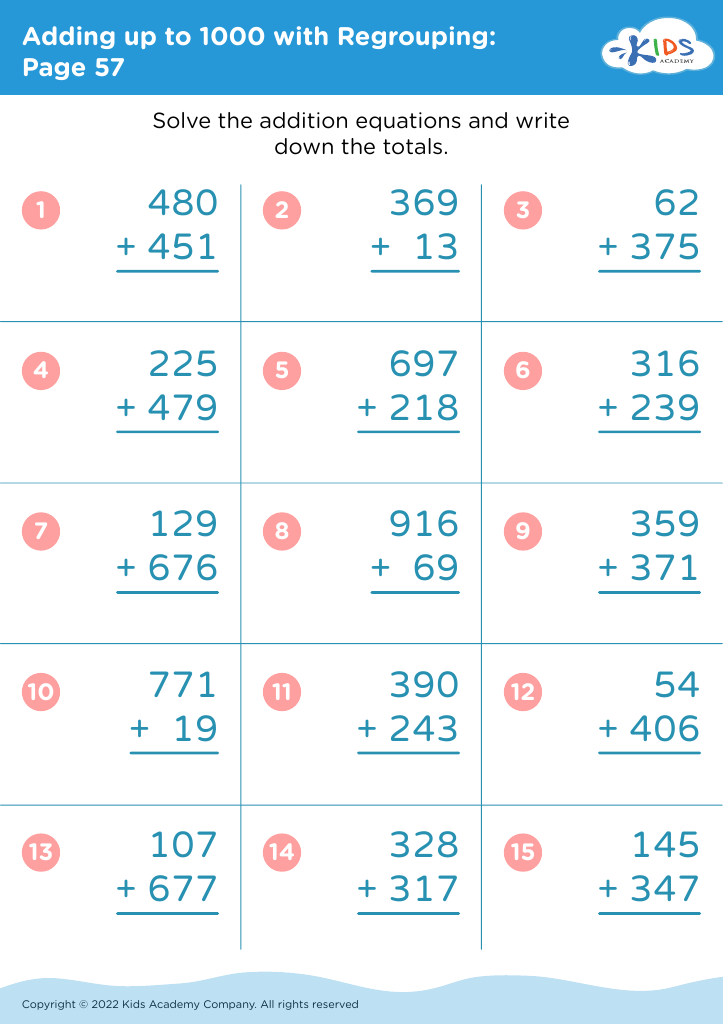
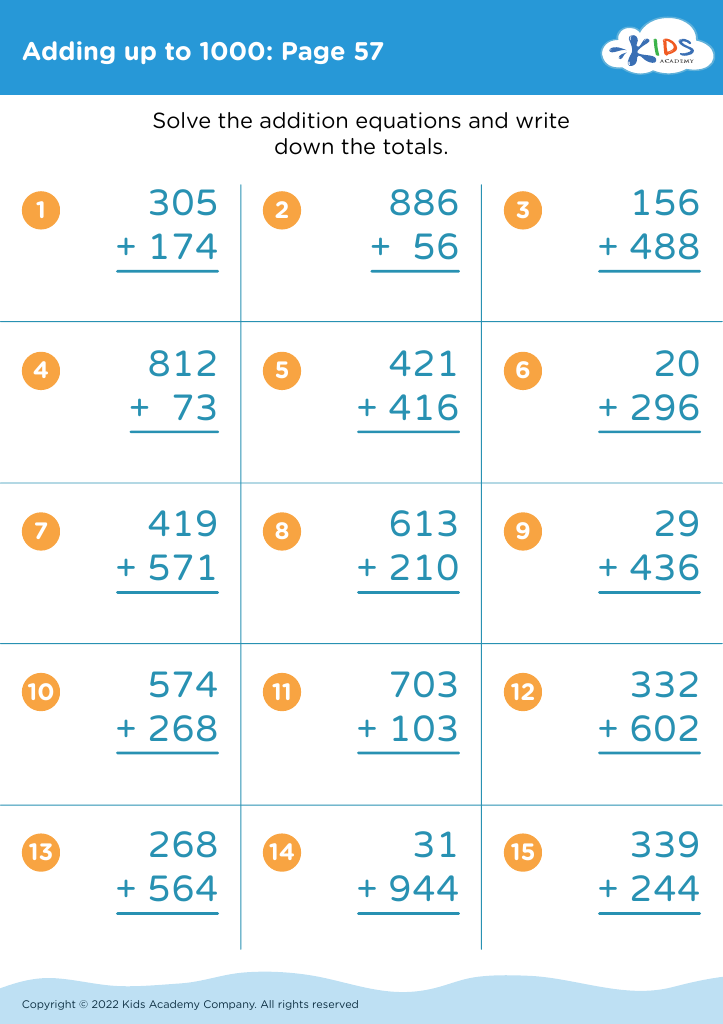
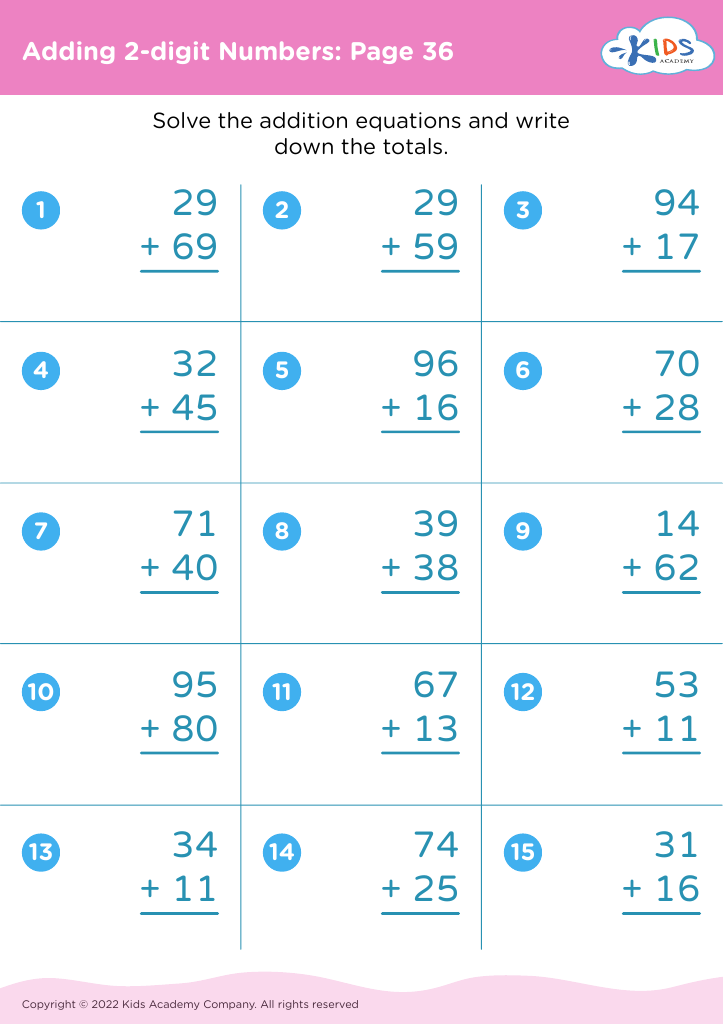
Enhance your child's learning journey with our Motor Skills Development Math Worksheets for Ages 7-8. These expertly designed activities combine essential math concepts with engaging tasks that stimulate fine motor skills, perfect for young learners. Our worksheets support diverse math skill areas while nurturing hand-eye coordination and precision through puzzles, tracing, and number writing exercises. Ideal for home or classroom use, each worksheet is crafted to boost confidence and competence in both math and motor skills. Start building a strong educational foundation today with our fun and interactive materials, designed to make learning enjoyable and effective.
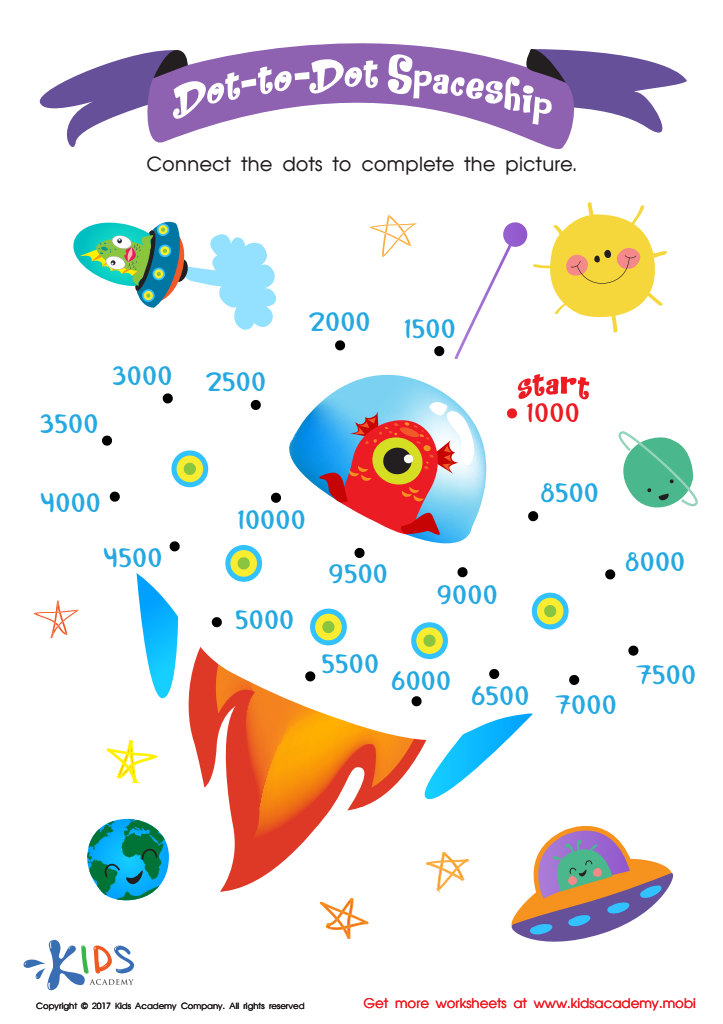
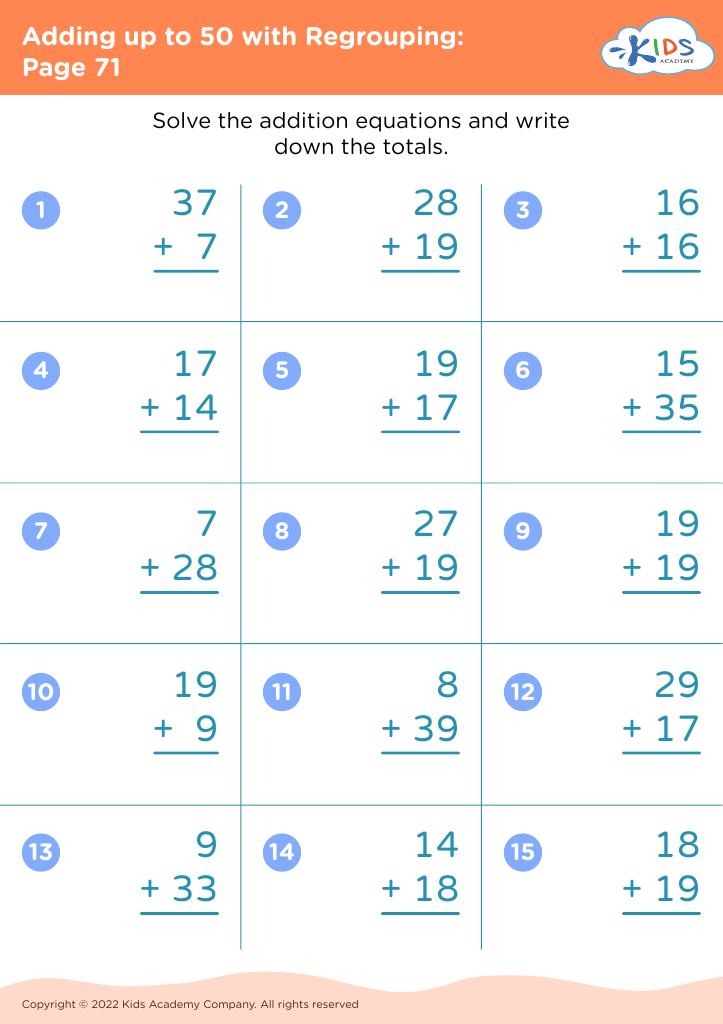
Dot to Dot Worksheet for 3rd Grade
 Assign to My Students




.jpg)

Motor skills development and math education are both critical components of a child’s growth, especially for ages 7-8. At this stage, children are actively refining their fine motor skills, which influence their ability to write, manipulate small objects, and engage in various classroom activities. Fine motor skills are necessary for clear, legible handwriting, which is crucial for math problem-solving and ensuring that children can communicate their mathematical thinking clearly.
Simultaneously, gross motor skills, which involve larger body movements, play a significant role as well. Activities like jumping, skipping, and playing catch not only enhance coordination but also contribute to better focus and cognitive function. Engaging, physical activity during breaks, for example, can significantly help in maintaining attention and improving cognitive processing, which leads to better performance in academic tasks, including math.
Mathematics requires substantial foundational skills such as pattern recognition, spatial awareness, and the ability to hold multiple pieces of information in mind simultaneously (working memory). Engaging in motor skill activities often involves pattern recognition (rhythmic clapping games), spatial awareness (predicting where a ball will land), and working memory (remembering sequences of movements). Hence, the development of these skills reinforces cognitive abilities crucial for understanding and excelling in math.
Overall, prioritizing motor skill development can create a more stable platform for academic success, building a symbiotic relationship between physical development and cognitive achievements in young children, setting them up for long-term educational success.








