Number identification Math Worksheets for Ages 7-8
8 filtered results
-
From - To
Discover our engaging Number Identification Math Worksheets designed specifically for children ages 7-8. These worksheets provide a fun and interactive way for young learners to enhance their numeracy skills. With a variety of activities, including identifying, writing, and matching numbers, your child will build a strong foundation in number recognition. Our resources are tailored to meet developmental milestones, ensuring a supportive learning experience. Watch your child gain confidence as they complete colorful, age-appropriate exercises that inspire a love for math. Download our Number Identification worksheets today and help your child master essential math concepts while enjoying the learning process!
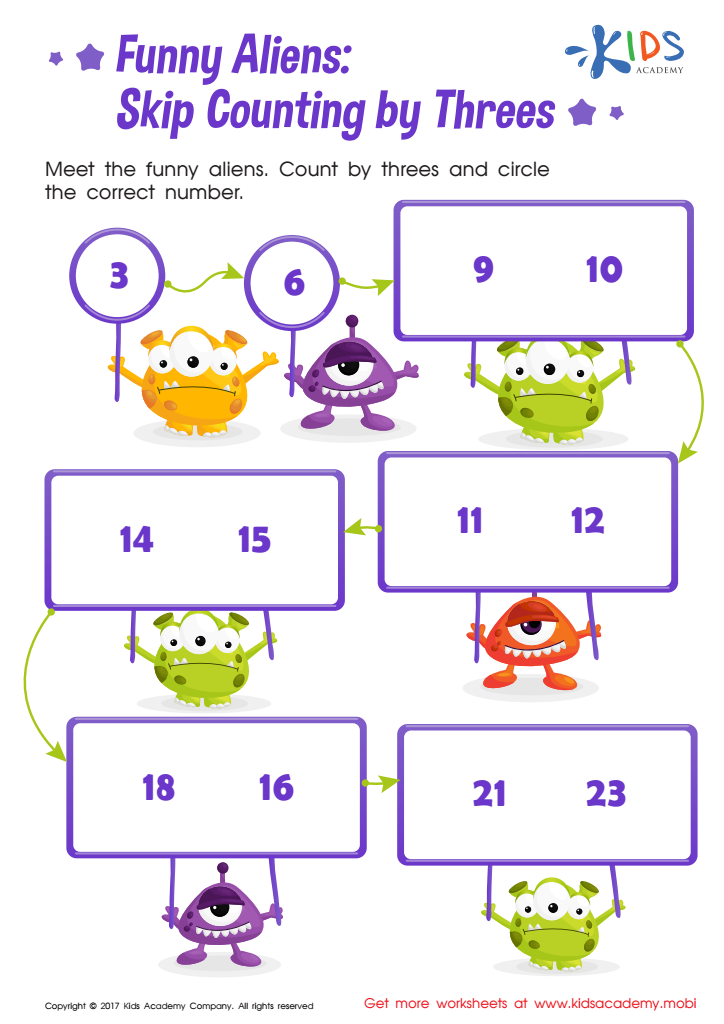
Skip Counting by 3s: Funny Aliens Printable
 Assign to My Students
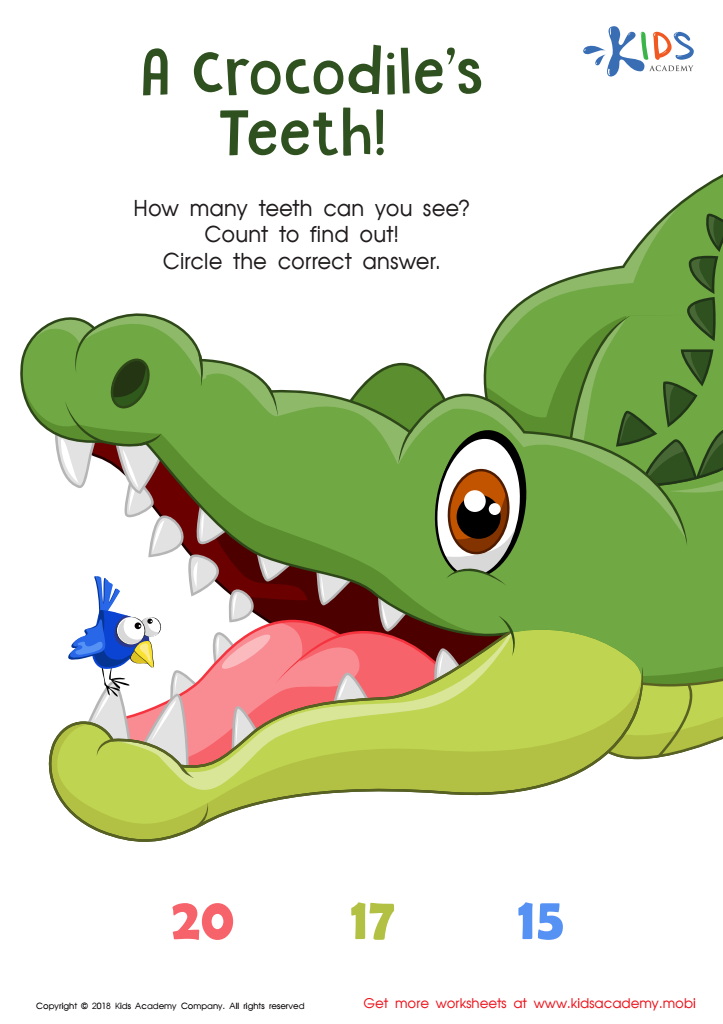
A Crocodile's Teeth Worksheet
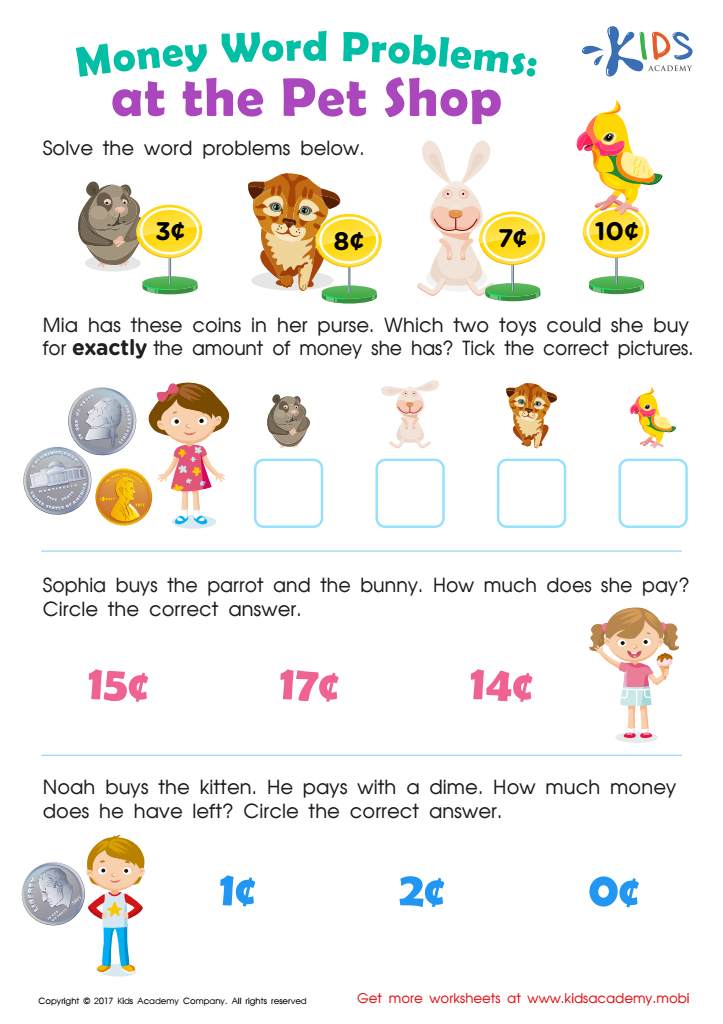
Pet Shop Worksheet
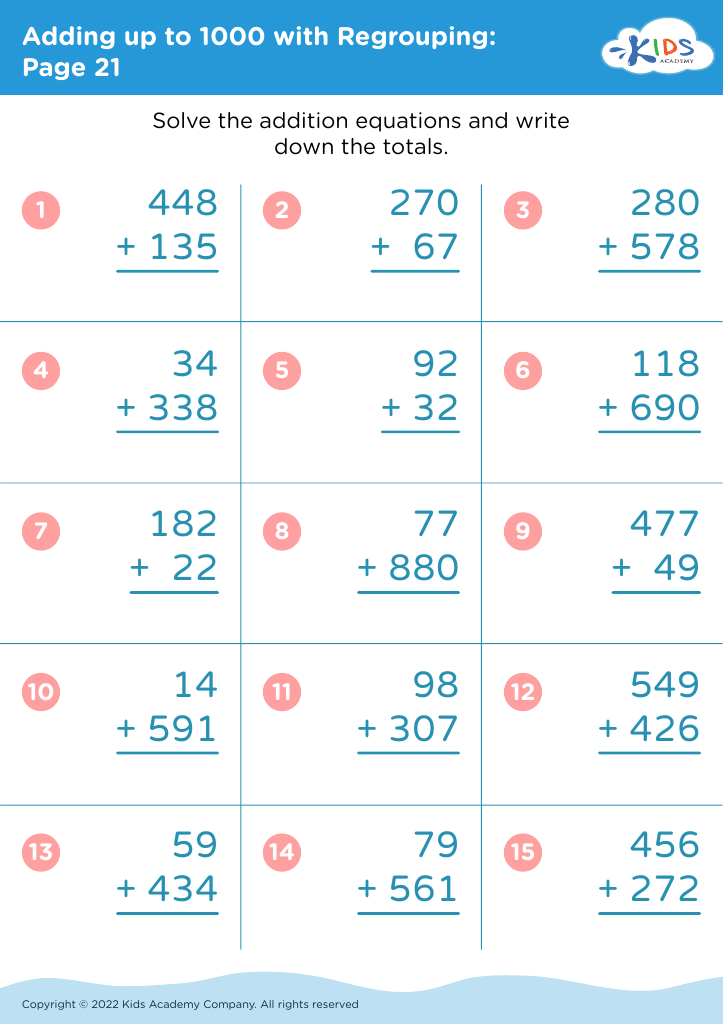
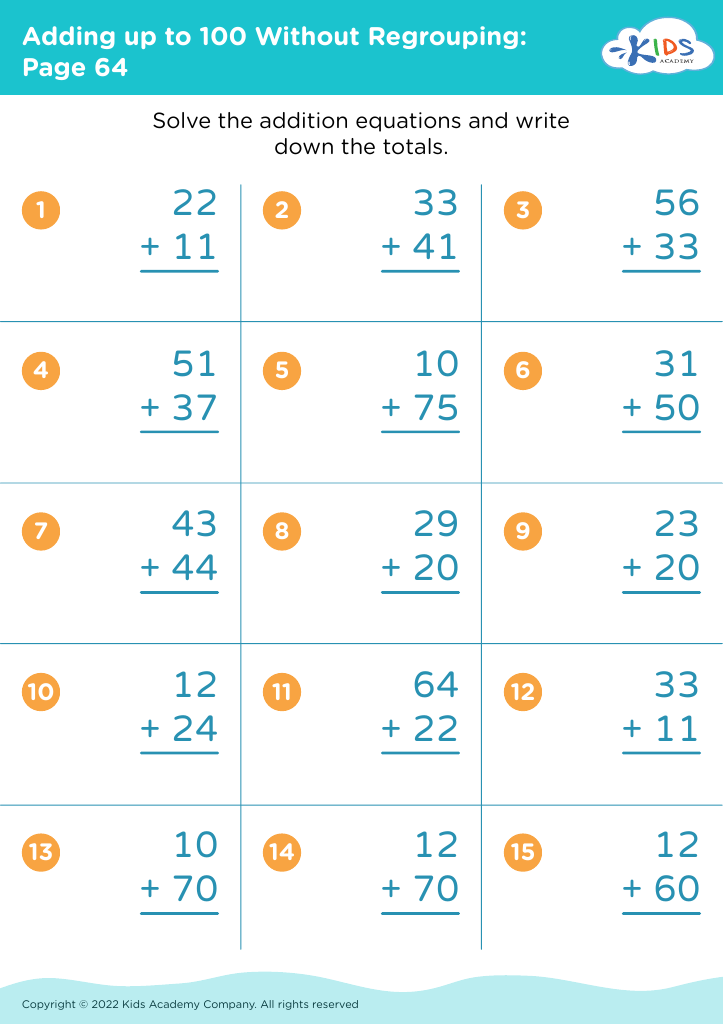
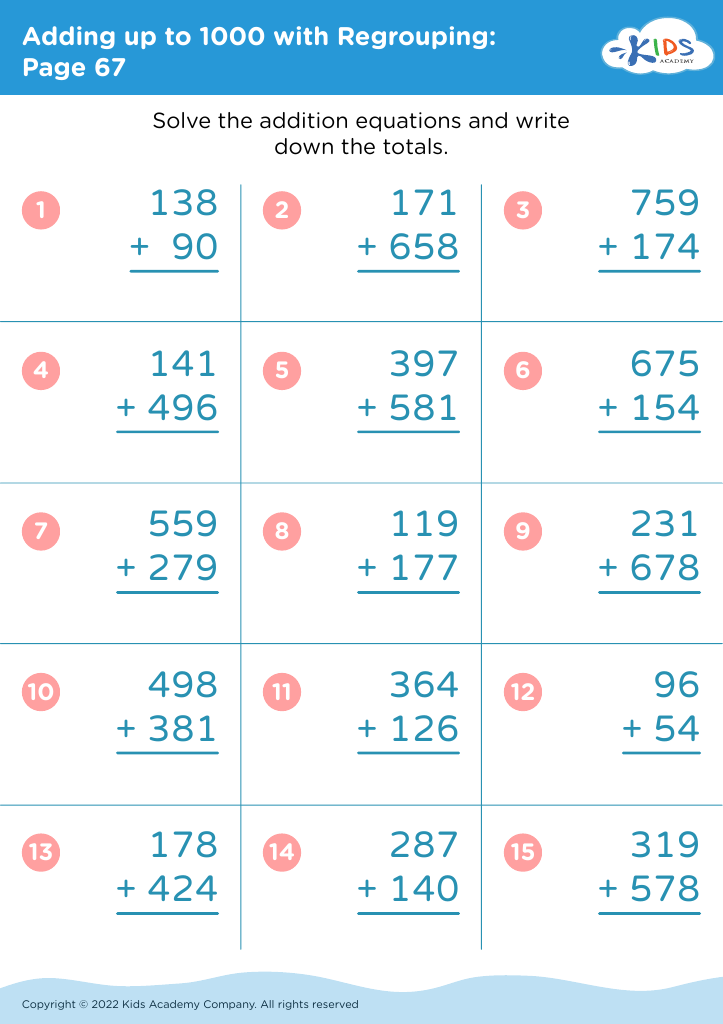
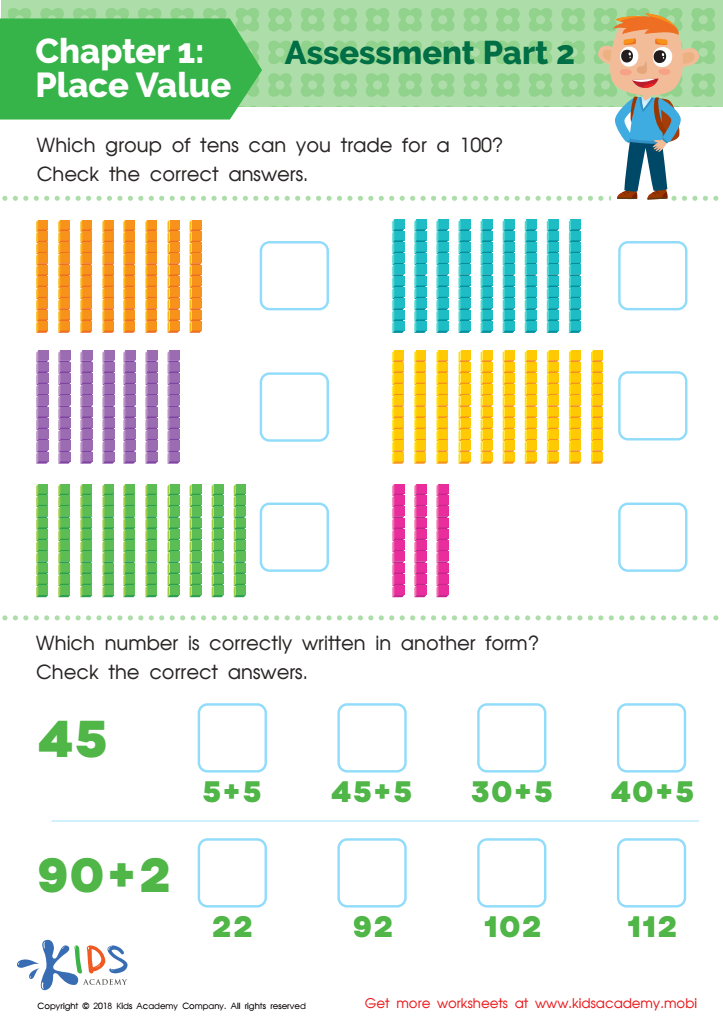
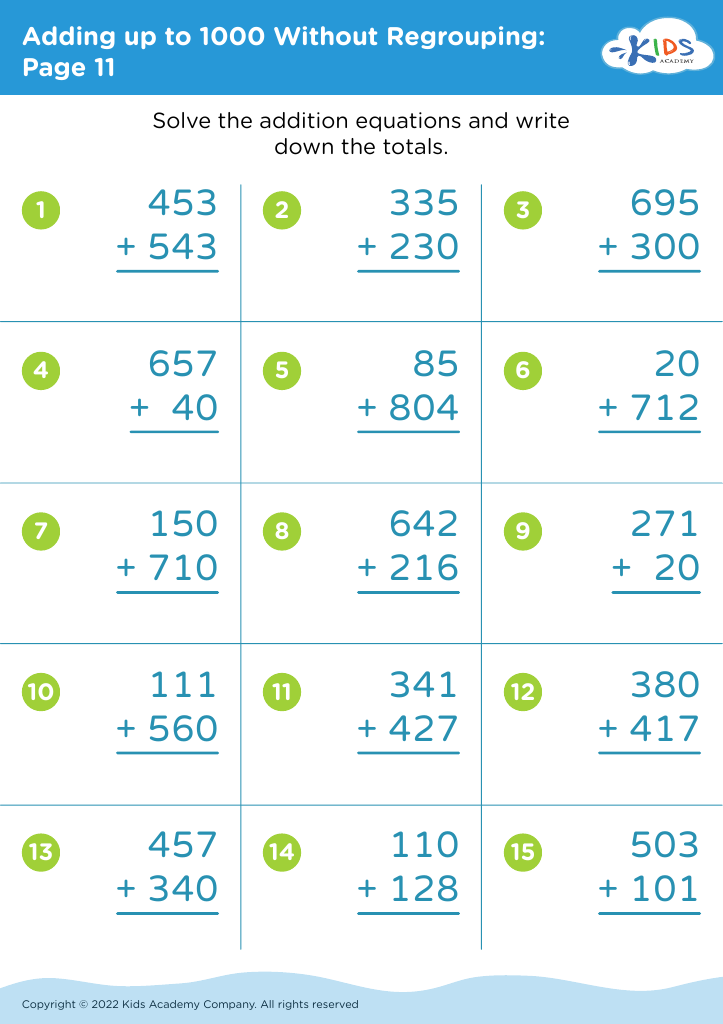
Place Value: Chapter 2 Worksheet








Number identification is a crucial foundational skill for children ages 7-8, as it serves as the building block for all future mathematical understanding. At this age, students transition from concrete manipulation of numbers to more abstract mathematical concepts. Developing strong number identification skills helps children recognize and understand numbers, enhancing their ability to compare, order, and perform basic operations like addition and subtraction.
Parents and teachers play a vital role in this developmental stage. First, proficient number identification facilitates lifelong learning, fostering confidence when tackling more complex mathematical problems in later years. It encourages children to engage positively with math, minimizing anxiety and aversion to the subject. Furthermore, identifying numbers accurately can influence a child’s problem-solving abilities, enabling them to approach math with a critical mindset and the skills needed for real-world applications.
Additionally, parents and teachers can create supportive environments to reinforce number identification through games, interactive activities, and everyday conversations. As children grow, these foundational skills will translate into improved academic performance, preparing them for future studies, fostering logical reasoning, and ultimately laying the groundwork for their success in life. Prioritizing number identification at this stage is essential for nurturing a generation of confident and competent learners.








