Practice division Math Worksheets for Ages 7-8
3 filtered results
-
From - To
Enhance your child's math skills with our engaging division worksheets designed specifically for ages 7-8. Our practice division math worksheets provide a variety of exercises, from simple division problems to fun word problems, ensuring that young learners grasp essential division concepts. Each worksheet is crafted to boost confidence and strengthen critical thinking. With colorful visuals and relatable examples, children will enjoy their math practice while developing a solid foundation. Whether at home or in the classroom, these printables are perfect for reinforcing lessons and making learning enjoyable. Explore our resources to help your child master division with ease!






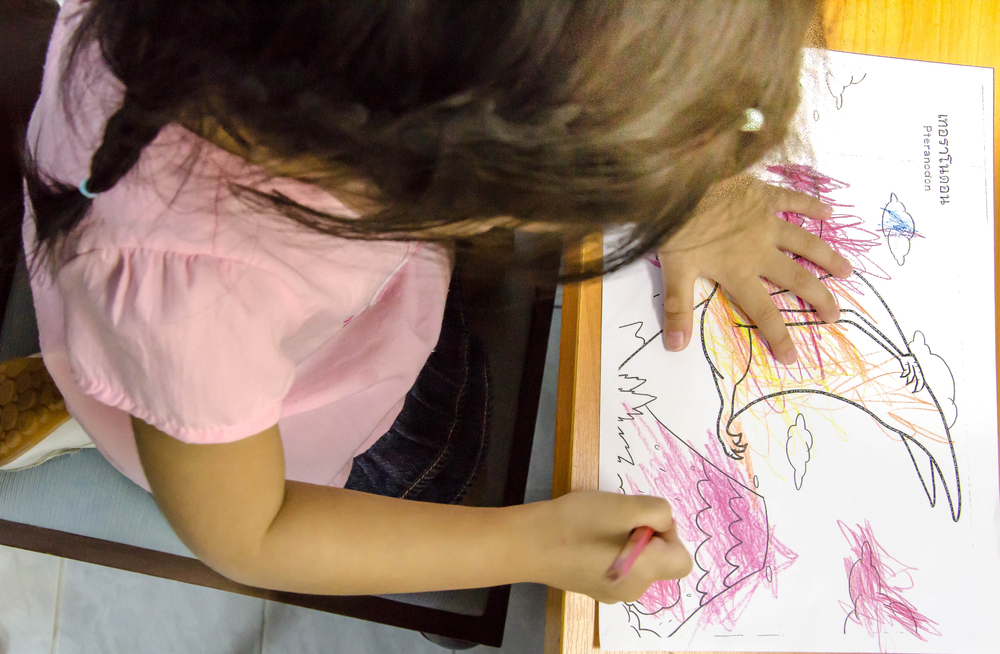
Parents and teachers should prioritize practicing division math with children aged 7-8 for several critical reasons. First, this foundational skill is essential for developing numerical fluency, enabling children to understand and manipulate numbers with greater confidence. Mastering division at an early age fosters problem-solving abilities, allowing children to break complex problems into manageable parts.
Moreover, division lays the groundwork for future math concepts such as fractions, ratios, and algebraic thinking. By ensuring that children achieve proficiency in division, we help them build strong cognitive skills that will serve them throughout their educational journey.
Additionally, practicing division promotes critical thinking and analytical reasoning. As children work through division problems, they learn to identify patterns, strategize their approaches, and make logical connections—skills that are valuable beyond mathematics.
Lastly, supportive practices at home and school cultivate a positive attitude toward math. Engaging children in fun and interactive ways to practice division—like games or real-life scenarios—can make learning enjoyable, helping to develop a lifelong love of learning. Ultimately, investing time in division math during ages 7-8 sets the stage for academic success and empowers children to tackle more challenging concepts with ease.








